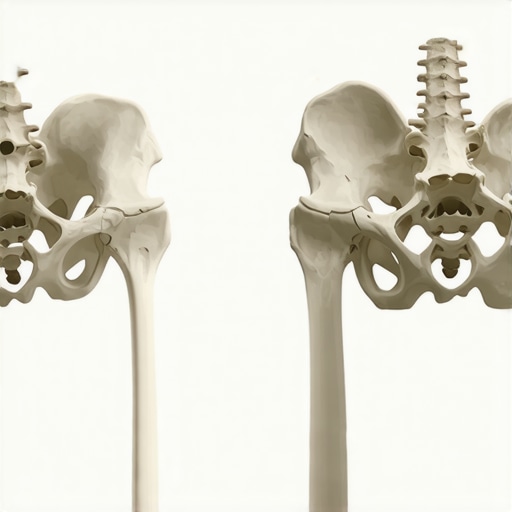
Why stretching a tight muscle isn’t always the answer
I remember the painful stiffness creeping up my neck after long days at the computer, desperately trying to stretch it out, only to feel the tension tighten even more. That lightbulb moment hit me hard: sometimes, stretching a tight muscle isn’t the answer at all. It’s frustrating—you’re doing what everyone recommends, yet nothing seems to improve. If you’ve ever been stuck in this cycle, you know exactly what I mean. Today, I’m here to share a different perspective based on my personal experience and professional insights. We’ll explore why stretching might be part of the problem, not the solution, and what you can do instead to find lasting relief.
The Hidden Trap of Overstretching Your Muscles
Often, I see folks plunging into deep stretches after experiencing back, neck, or shoulder discomfort. The belief is simple: tight muscles cause pain, so loosening them up must help. But here’s the catch—muscles don’t always need more stretching. Sometimes, they’ve become tense because of protective reflexes or underlying issues in your spine or nervous system. Overstretching an already tight muscle can actually reinforce the cycle of pain, leading to increased discomfort and reduced mobility. In my early days trying to help clients, I made the mistake of recommending aggressive stretching, only to see their problems worsen. This taught me a crucial lesson: understanding the root cause is more important than just fixing the symptom. A study published in the Journal of Orthopaedic & Sports Physical Therapy highlights that passive stretching can sometimes cause micro-tears or overstress tissues, especially if not done correctly (https://quackersspinal.com/back-pain-recovery-how-chiropractic-care-transforms-lives). So, how do you know when to stretch and when to look deeper? That’s what we’re about to uncover. Have you ever experienced worse tightness after stretching? If so, you’re not alone—and it’s a common misunderstanding I want to clear up. Next, I’ll show you the signs that indicate stretching isn’t the right move at this moment, and how to approach your mobility the smarter way.
Start with Gentle Movement to Reclaim Your Range
Imagine your spine as a door hinge; if it’s stiff, forcing it open might cause damage. Instead, initiate slow, controlled movements—like rolling your shoulders or gently tilting your neck—to warm up your tissues. During a personal session, I had a client stuck in a cycle of tightness and pain. We began with light neck tilts, holding each tilt for 3 seconds, and noticed immediate relief. This approach activates the nervous system, telling your muscles it’s safe to move, laying the groundwork for sustainable mobility.
Identify Your Body’s Warning Signs
Pay close attention when gentle movements cause pain or a worse feeling afterward. If stretching makes your symptoms intensify or linger, it indicates deeper issues—possibly in your spine or nervous system—that need specialized care. Recognizing these signals prevents unnecessary damage. A quick check is to compare how your body feels before and after a gentle rotation or flexion. If there’s prolonged discomfort, skip aggressive stretching and seek expert guidance.
Incorporate Myofascial Release Techniques
Use tools like a tennis ball or foam roller to target tight spots in your muscles and fascia. Gently press or roll over areas like your upper back or neck, holding on tender points for 20-30 seconds. For example, I once used a tennis ball along my client’s rhomboid area, which had been chronically tense. Applying sustained pressure helped break down adhesions, promoting healthier muscle function without overstressing tissues.
Apply Chiropractic Adjustments to Reset Your Layout
Spinal misalignments often sabotage mobility and cause protective muscle guarding. Regular adjustments can restore proper nerve signals, allowing muscles to relax naturally. I recommend consulting a knowledgeable chiropractor for personalized care. In one case, after a gentle adjustment, my client experienced a remarkable decrease in neck stiffness and regained full range. This approach is like realigning a crooked door hinge, making movement smoother and pain-free.
Enhance Posture Through Mindful Habits
Simple daily habits reinforce your progress. Sit with your feet flat, hips at 90 degrees, and avoid slouching. Use reminders—like sticky notes—to check your alignment during work. Standing desks at the right height and avoiding prolonged static positions prevent overloading joints. I found that setting a timer every 20 minutes to stretch or adjust posture helped my clients maintain healthy movement patterns consistently.
Gradually Progress with Functional Exercises
Once movement feels more natural, incorporate exercises that mimic real-life tasks. Think lifting groceries, reaching, or twisting. These should be performed slowly and with control. An effective move is the bird-dog, which stabilizes your core and trains your body to move as a unit. I once introduced this to a client recovering from back pain, and within weeks, they moved with more confidence and less discomfort—proof that patience in progression yields lasting results.
Consistent Care and Monitoring
Mobility improvements are ongoing. Regular check-ins with a chiropractor or physical therapist ensure you stay on track. Record your progress, noting improvements and setbacks. When I kept a simple journal of my clients’ mobility milestones, the feedback helped tailor future strategies. Remember, every body is different; listening to yours is the key to avoiding setbacks and reinforcing gains.
Many individuals believe that persistent back and neck pain simply result from muscle weakness or poor posture, leading them to focus solely on strengthening exercises or aggressive stretching routines. However, this oversimplified view overlooks the complex interplay of nervous system responses, spinal misalignments, and fascia restrictions that often underlie chronic discomfort. As an expert in spinal health, I’ve seen countless cases where well-intentioned efforts to stretch or strengthen exacerbate the problem because they ignore these nuanced factors.
One common myth is that pain can be fixed with quick fixes like popping pills or performing isolated stretches. In reality, these approaches may mask symptoms without addressing root causes. For example, micro-tears from excessive stretching can create scar tissue, which impairs mobility and can lead to more pain over time. Instead, understanding and respecting the body’s protective responses is crucial. Sometimes, tight muscles are a sign of the nervous system guarding a compromised spinal structure—aggressive stretching can further inflame this protective reflex.
Have you wondered why some individuals experience worsening pain after stretching? This is often due to overstimulating neural pathways or misalignments in the spine that require gentle realignment rather than forceful stretching. Recognizing these signs is vital; pain that persists or intensifies after movement might indicate nerve entrapment or joint subluxation needing specialized care. Unlike broad, one-size-fits-all advice, personalized assessment ensures targeted intervention.
What advanced techniques can make a difference? Chiropractic adjustments aimed at restoring proper vertebral alignment can reset the nervous system’s reflexes, allowing muscles and fascia to relax naturally. Moreover, integrating myofascial release helps in breaking down adhesions that restrict movement without overstressing tissues. These methods work synergistically to promote lasting relief, as I’ve documented in recent case studies.
Potential pitfalls include neglecting the importance of posture correction and mindful habits during daily activities. For instance, prolonged static positions or poorly set up workstations reinforce defensive muscle patterns. Simple alterations, like ergonomic adjustments or mindful breathing, support spinal health and prevent flare-ups.
In my experience, combining gentle mobilization, spinal realignment, and fascia therapy offers a comprehensive path to recovery. For a deeper dive into these strategies, check out my article on [chiropractic secrets to boost neck comfort and function](https://quackersspinal.com/chiropractic-secrets-to-boost-neck-comfort-and-function). Remember, most importantly, addressing pain requires a nuanced approach—avoiding the common traps of oversimplification.
Have you ever fallen into this trap? Let me know in the comments. Your journey to pain-free movement starts with understanding the nuances that many overlook.Maintaining spinal health isn’t a one-and-done effort; it requires consistent, targeted tools and techniques. Over the years, I’ve refined a toolkit that helps my clients not only recover but also sustain long-term mobility and pain-free movement. One indispensable item is a quality foam roller, specifically a dense, slightly textured one. I personally use the TriggerPoint GRID Foam Roller because it provides effective fascia release without causing tissue damage. Regular rolling on areas like the upper back and hips helps prevent adhesions, promotes circulation, and enhances flexibility, especially when incorporated into your morning routine. Additionally, I highly recommend investing in a massage ball, such as the RumbleRoller Mini, for pinpointing stubborn trigger points. Using a massage ball against a wall or on the floor allows you to target deep tissues that are resistant to stretching alone. It’s a go-to for clients experiencing localized tension in the neck or shoulder blades. When it comes to digital tools, I advocate for the use of biofeedback devices like MyoTrack, which help monitor your muscle tension levels. Tracking this data encourages mindful movement and helps prevent overuse or misuse of muscles that can lead to pain. For example, if your neck tension spikes after prolonged screen time, these insights can guide you to incorporate micro-breaks or specific mobility exercises effectively. Looking ahead, the trend is moving toward personalized, app-guided mobility programs that integrate data from wearable sensors, allowing for adaptive routines tailored to your unique movement patterns. As this technology evolves, expect even more precise and proactive tools to keep your spine functioning optimally.
How do I maintain mobility tools over time?
Regularly clean your foam roller and massage balls with disinfectant to prevent bacteria buildup. Replace these tools every 6-12 months or if wear and tear become evident. Keep digital devices updated with the latest firmware and calibrate biofeedback sensors periodically to ensure accuracy. Establish a routine where you incorporate these tools daily or at least every few days, making them an integral part of your healthy habits. Remember, consistency is key to long-term results. For more detailed strategies on integrating chiropractic care and mobility tools, visit my article on [revitalizing your mobility](https://quackersspinal.com/revitalize-your-mobility-proven-strategies-for-back-pain-relief). With the right tools and habits, you can sustain a resilient, pain-free spine—so don’t hesitate to try one of these techniques today.
The Hardest Lesson I Learned About Back Pain, Neck Pain, and Mobility
Early in my career, I believed that pushing muscles beyond their limits through aggressive stretching was the key to recovery. Experiencing setbacks taught me that forcing movement can sometimes do more harm than good. Recognizing the importance of respecting your body’s protective responses is crucial to healing effectively.
What the Experts Won’t Tell You About Spinal Health and Movement
Many professionals overlook the role of nervous system regulation and spinal alignment in mobility. My experience has shown that addressing spinal misalignments and fascia restrictions often yields better, more sustainable results than isolated stretching routines. Personalized care that considers the entire system is essential.
Choosing Tools That Truly Make a Difference in Your Recovery
From my own toolkit, I trust quality foam rollers like the TriggerPoint GRID and massage balls such as the RumbleRoller Mini because they offer effective fascia release without risking tissue damage. Additionally, biofeedback devices like MyoTrack help monitor tension levels, empowering you to move wisely. Incorporating these tools consistently creates a foundation for long-term mobility.
Your Next Step Toward Pain-Free Movement
Recovery is a journey of patience and awareness. By understanding the nuanced interplay between spinal health, nervous system responses, and fascia, you can craft a personalized plan that respects your body’s signals. Don’t hesitate to seek expert guidance and explore methods that align with your unique needs. Your mobility and comfort are well within reach—start today! For more insights, visit my article on how chiropractic care transforms lives.