The 30-second ankle drill that improves your squat depth
Iremember the exact moment I realized I was hitting a wall in my squat form. It was during a heavy set, and suddenly I felt my hips tight, my knees wobbling, and my lower back pleading for mercy. Despite hours of stretching and mobility drills, something was missing. That lightbulb moment came unexpectedly when I stumbled upon a quick 30-second ankle drill that flipped the script entirely. Honestly, it felt like discovering a hidden cheat code for better movement, and I haven’t looked back since.
The Power of a Tiny Drill
This isn’t about complicated stretches or hours in the gym. It’s about a simple, fast movement that targets a specific limitation in your ankles—something often overlooked but crucial for achieving deeper, safer squats. When I tried this drill, I noticed immediate improvements in my hip mobility and my ability to sit back into the squat without collapsing my chest or overextending my back.
Many of us struggle with squat depth due to ankle restrictions, which can cause knees to cave in or hips to compensate—leading to discomfort or even injury over time. What’s incredible is that by dedicating just half a minute to this quick ankle fix, you can unlock a significant range of motion. And trust me, it’s a game-changer, especially for those of us who spend long hours at a desk or have been dealing with nagging mobility issues.
Could This Little Drill Really Make a Difference?
You might be skeptical—I’ve been there too. Early on, I made the mistake of thinking I needed more complex routines or expensive equipment. But the truth is, often the simplest solutions are the most effective. This drill helped me break through my mobility plateau, and I believe it can do the same for you. For more tips on improving overall mobility, I suggest checking out these chiropractic techniques that focus on natural, sustainable movement improvements.
Are you tired of feeling stuck in your squat? Have you faced frustration when shallow movements limit your performance? If so, let’s dive into the details of this quick ankle drill that might just be the solution you’ve been searching for. Ready to unlock your full squat potential? Let’s get started.
Perfect Your Foot Position for Optimal Mobility
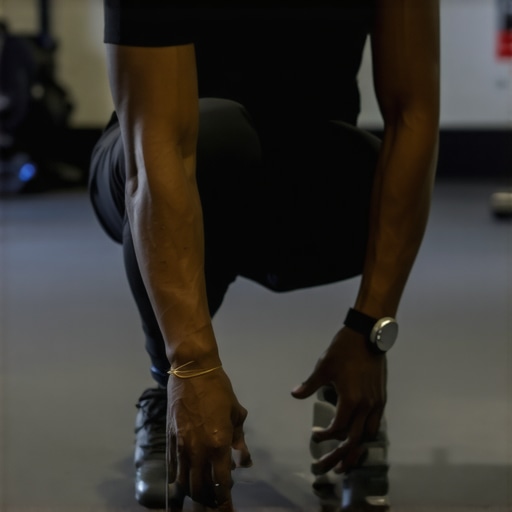
Start by standing with your feet shoulder-width apart on a flat surface. Place a small weight or object like a book under your toes, just behind the balls of your feet, to stabilize your ankle while you move. I remember once trying this in my living room, fumbling to get the right angle, and feeling silly. But once balanced, I began shifting my weight forward and back, focusing solely on my ankles.
Engage Your Ankle Joints with a Simple Rocking Motion
Gently rock your knees forward over your toes, then back over your heels, maintaining your heel contact with the ground. Think of this as rocking a steering wheel—smooth, controlled, without forcing or jerking. I initially rushed through this step, trying to speed up, but I quickly realized that slow, deliberate movements unlocked much more mobility. The key is to keep your core engaged and avoid letting your heels lift or your balance waver.
Incorporate Controlled Circles for Range Expansion
While maintaining the ankle position, draw circles with your knees—clockwise then counter-clockwise—keeping your feet planted. Imagine drawing small circles in the air with your knees, encouraging rotational mobility. I did this one night after a long day at my desk; at first, the circles felt awkward, almost as if I had two left feet. With consistent practice, I could feel my ankles loosening, making deeper squats sustainable.
Amplify Effectiveness with Strategic Footwork
Move your feet slightly inward, then outward, simulating the stance of a deep squat. These small shifts help train your ankles to handle the angles required in real movement. I noticed that after just a few reps, I could sit lower without my heels lifting—a huge relief for my knees and hips. The goal here is not perfection but building adaptive mobility that transfers to your lifts.
Progress to Dynamic Variations and Monitor Feedback
Once comfortable, add dynamic steps—step forward into a calf stretch, then back into your starting position. Practice slowly, focusing on ankle stability. During one session, I overdid it by rushing through the steps without listening to my body; the next day, my ankles felt sore but stronger. Adjust your pace based on how your ankles respond, and remember, small is better than too much too soon.
Integrate Regularly for Lasting Gains
Perform this drill daily, ideally before your workouts or mobility routines. I embedded it into my morning routine, and over a week, sensibly increased squat depth and comfort. It’s not about a quick fix but consistent effort that pays off over time. For continued mobility improvement, consider exploring [these chiropractic techniques](https://quackersspinal.com/boost-mobility-ease-pain-chiropractic-techniques-unveiled) that enhance joint function naturally, complementing this ankle drill perfectly.Many assume that seeing a chiropractor is solely about quick fixes—cracking bones and immediate pain relief. However, this mindset often overlooks the nuanced, long-term benefits of chiropractic care. For example, a common myth is that chiropractors only address acute issues, whereas, in reality, they emphasize restoring and maintaining spinal health to prevent future problems. This approach involves understanding the subtle interplay between joint mobility, muscular support, and neural pathways, which requires a comprehensive treatment plan and patient commitment.
Why do so many believe that chiropractic adjustments are the only solution for neck and back pain, ignoring the role of mobility exercises and lifestyle modifications?
Research indicates that combining chiropractic adjustments with targeted mobility work enhances outcomes significantly, rather than relying solely on adjustments. An essential nuance often missed is that improper movement patterns, if uncorrected, can undermine chiropractic benefits over time, leading to recurrent pain. Moreover, over-reliance on quick adjustments may create a cycle of dependency, neglecting the importance of strengthening and flexibility routines. Avoiding this trap is crucial; true progress depends on integrating adjustments with personalized mobility strategies and ergonomic awareness. For instance, comprehensive programs that incorporate exercises like those found in mobility mastery guide can result in sustained relief and improved function. Misconceptions also stem from the idea that pain is always a sign of severe damage—when often, it’s a result of subtle joint and tissue restrictions that, if addressed early, prevent more complex issues. So, instead of waiting for pain to become unbearable, proactive chiropractic care combined with mobility optimization can save time, money, and discomfort in the long run. Remember, the ultimate goal is functional movement and spinal health that supports your daily activities, not just temporary relief. For a deeper dive into how chiropractic care complements natural movement, check out [these chiropractic secrets](https://quackersspinal.com/boost-mobility-ease-pain-chiropractic-techniques-unveiled). Have you ever fallen into this trap? Let me know in the comments.
Keeping It Working: The Tools I Rely On
When it comes to maintaining progress in chiropractic, mobility, and pain management, having the right tools makes a significant difference. I’ve experimented with various equipment and software, but over time, I’ve honed in on a few essentials that truly enhance my recovery and teaching approach.
Personal Technique Enhancers: Foam Rollers and Trigger Point Devices
For me, a high-quality foam roller is an absolute must. I prefer the TheraBand Roll-Shake because of its durability and ability to target deep tissue release. Regular foam rolling helps maintain my spinal mobility, prevents stiffness, and supports my exercise routines. Additionally, I incorporate a Tennis Ball or Massage Ball for my trigger points. This simple yet effective tool targets stubborn knots, increasing blood flow and speeding recovery.
Smart Mobility Aids
Beyond manual tools, I use chiropractic-technique-inspired mobility sticks that assist in controlled stretching. These tools allow me to extend my ranges safely and guide clients through self-myofascial releases, supporting long-term flexibility gains.
Assessment and Tracking: Digital Apps
Monitoring progress is crucial. I recommend using apps like MobilityWOD or GMobility—these platforms help track mobility improvements over time, highlight areas needing attention, and provide personalized routines. They shift the focus from guesswork to data-driven decisions, which is vital for sustained results.
Educational Resources: Guided Videos and Tutorials
Staying informed is key. I subscribe to expert channels that demonstrate precise techniques for neck and back health. A favorite is these chiropractic secrets, which I revisit regularly to refine my methods and ensure I’m offering clients evidence-based advice. Incorporating visual learning complements hands-on techniques and amplifies results.
The Future of Maintenance Tools: Integrating Smart Technology
Looking ahead, I predict that wearable devices equipped with motion sensors will become standard for tracking spinal and joint health. Imagine smart braces or compression garments that monitor posture and alert you to deviations in real-time, enabling proactive corrections. This trend will bridge the gap between passive therapy and active prevention, making maintenance a seamless part of daily life.
How Do I Keep My Mobility and Pain Relief Maintaining Over the Long Term?
Consistency is vital. Establishing a routine using these tools—such as daily foam rolling, targeted trigger point work, and app-guided mobility drills—creates a sustainable cycle of improvement. Incorporate regular check-ins with a knowledgeable chiropractor, and stay updated with emerging techniques. For example, integrating these advanced neck management strategies can prevent setbacks and promote lasting health.
If you haven’t already, try using a versatile foam roller like the TheraBand, combined with digital tracking apps. This combination provides both physical therapy and measurable progress, which is essential for long-term success. Remember, maintaining mobility and pain-free movement is not a one-time effort but an ongoing commitment, supported by the right tools and knowledge. Stay proactive, and your body will thank you for it.
Throughout my journey with chiropractic, mobility, neck pain, and back pain, I’ve uncovered invaluable lessons that often aren’t shared in mainstream advice. These insights have reshaped not only my practice but also my perspective on healing and prevention. I want to share some of the toughest lessons I learned—lessons that could make a difference in your path toward lasting wellness.
- The Myth of Quick Fixes: I spent years chasing instant relief, thinking that a single adjustment or massage would resolve all issues. It wasn’t until I embraced consistent, proactive routines—like strategic mobility drills and proper ergonomics—that sustainable progress became possible. Patience and persistence trump shortcuts every time.
- Listening Is More Important Than Acting: Early on, I underestimated how vital it is to listen deeply to my body’s signals. Ignoring pain warning signs often led to setbacks. Learning to interpret subtle discomforts guided me to adjust my approach before problems worsened, highlighting the importance of mindful movement and self-awareness.
- Mobility Is a Foundation, Not an End Goal: I used to focus solely on symptom relief, neglecting the root causes of stiffness and pain. Now, I see mobility as a daily practice, much like brushing teeth—essential for long-term health. Incorporating simple yet deliberate movements creates resilience and prevents future issues.
- Educate, Don’t Just Treat: Over time, I realized empowering clients with knowledge—about proper movement, posture habits, and at-home drills—yields far better results than passive treatments alone. Education motivates adherence and turns recovery into a lifestyle, not a temporary fix.
- Small Changes Lead to Big Results: One of the most surprising lessons was how minor adjustments—like this ankle drill or mindful standing—can unlock significant mobility gains. Consistent small steps cultivate habits that transform your body’s capacity over months, not days.
Tools That Truly Make a Difference
My toolbox has evolved from basic foam rollers to sophisticated apps and ergonomics aids that I trust deeply. For example, I recommend tools like these chiropractic-inspired mobility devices, which support safe, targeted stretches. Additionally, integrating digital tracking with apps like MobilityWOD helps monitor progress and keeps motivation high, ensuring that mobility becomes a sustained part of your routine. Exploring these natural chiropractic strategies can supplement your efforts, reinforcing healthy habits that last a lifetime.
Your Next Step Toward Better Movement
Remember, achieving freedom from pain and limitations is an ongoing process—one built on curiosity, dedication, and patience. No matter where you start, each small movement or mindful choice adds up. Take the knowledge you’ve gained here and start implementing it today. Your body is capable of more than you think—sometimes, all it needs is a little nudge in the right direction.
What’s one mobility tip or habit you’re excited to try after reading this? Share your thoughts below—I’d love to hear your story!
ボ