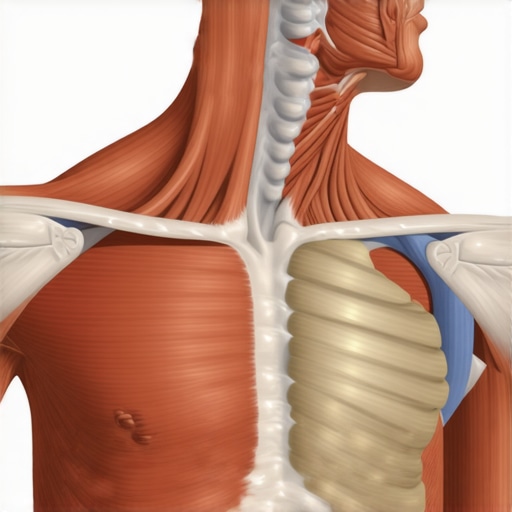
The simple way to check your child’s posture at home
I still remember the moment I noticed my child’s neck tilting when they sat at the dining table. It was subtle, almost invisible, but enough to set off alarm bells in my mind. As a parent, I know all too well how easy it is to overlook those small signs—until they become painful realities. That realization hit me hard when my kid complained of a persistent headache after homework, and I started questioning whether their posture was to blame.
It dawned on me then: how many times have I actually checked their posture? Honestly, not enough. And if you’re like me, you might feel overwhelmed by the idea of monitoring your child’s sitting habits or worried about the complexity of posture assessments. Well, here’s the good news: there’s a straightforward way to keep tabs on your child’s posture right at home—no fancy equipment needed.
Today, we’re going to explore an easy, effective method that allows you to spot early signs of misalignment before they lead to chronic issues like back pain or neck discomfort. Believe me, these small checks can save your child from a future of discomfort, and better yet, empower you to act promptly.
Why Checking Your Child’s Posture Matters More Than You Think
Did you know that poor posture in childhood can set the stage for lifelong musculoskeletal problems? According to research published by the American Chiropractic Association, addressing postural issues early can significantly reduce the risk of developing chronic pain later in life. Often, kids spend hours hunched over screens or slouching during homework—habits that silently mold their spines into problematic shapes.
A mistake I made early on was relying solely on visual cues without understanding what a healthy posture really looks like. It’s easy to assume that a straight back is enough, but as I delved deeper, I learned that subtle misalignments can be hidden even when everything looks normal at first glance. That’s when I discovered simple at-home methods to assess posture reliably.
By instituting quick, routine checks, I became more confident in catching issues early. And the best part? It doesn’t require any technical expertise, just your observation skills and a few simple steps. Ready to learn how you can implement this in your daily routine? Let’s dive into exactly how you can do it—so you can keep your child’s spine healthy today and tomorrow.
Start with Visual Cues
First, observe your child’s natural sitting position when they’re relaxed. Look for signs like uneven shoulders or tilting heads. I remember one afternoon I caught my child slouching during homework, and I gently prompted them to sit upright. Weak visual cues often hide underlying misalignments, so your keen eye is your best tool.
Use a Plain Wall for Alignment Checks
Next, have your child stand straight against a wall, heels touching the baseboard, back flat, and shoulders relaxed. This is like positioning a sculpture; everything should align naturally. I once did this with my child and noticed their head was slightly forward, indicating potential neck strain. If the head protrudes more than an inch, it’s a sign to act.
Measure with a Simple Ruler or Tape Measure
Measure the distance between their chin, collarbone, and the tops of their shoulders. Discrepancies can reveal asymmetries. I found that even a small difference, like half an inch, can lead to muscle imbalance over time. Identifying these early helps you implement corrective measures before it escalates, as explained in detail at this resource.
Perform the ‘Mirror Test’
If possible, stand behind your child in front of a full-length mirror. Look for uneven hips, slouched shoulders, or tilted head. This visual check is akin to a chiropractor’s first assessment—spotting misalignments prior to adjustments. I was surprised to see my child’s right shoulder was slightly higher; this prompted a tailored stretch routine I read about in chiropractic secrets.
Incorporate Movement Evaluation
Finally, observe how your child moves. Have them bend forward, twist, or lift their arms; notice any stiffness or discomfort. Think of this as testing a door hinge for squeaks—if movement is restricted, there’s tension beneath the surface. Doing these checks regularly is like giving your child’s spine a health report, helping you catch early signs of discomfort.
Remember, these steps are about building awareness, much like tuning a musical instrument. The goal is to spot misalignments early, prevent chronic issues, and empower yourself with knowledge. With consistent practice, you’ll better understand your child’s posture and be prepared to guide them toward healthier habits, as discussed in insights from top chiropractors.
Many people believe that simply cracking their back or neck will provide lasting relief, but in reality, this common misconception can mask underlying issues and lead to longer recovery times. While temporary relief from cracking or popping sounds may feel satisfying, it doesn’t address the root cause of pain or stiffness, often leading to a cycle of dependence without real healing. Experts warn that over-reliance on cracking can weaken stabilizing muscles, making the spine more vulnerable over time. Instead, focusing on proper mobility exercises and understanding spinal mechanics can promote healthier, more resilient movement patterns.
Another nuance many overlook is the importance of proprioception—the body’s ability to sense its position in space—which is vital for maintaining proper posture and preventing injury. Neglecting proprioceptive training can result in poor movement awareness, increasing the risk of misalignment and pain. Advanced practitioners emphasize that enhancing proprioception through targeted exercises ensures the body maintains optimal mechanics during daily activities.
A common trap is assuming that all chiropractic adjustments are the same. This misconception can lead to ineffective treatments or even injury if performed improperly. While manual adjustments can be highly effective when tailored to individual needs, some practitioners may adopt a one-size-fits-all approach that overlooks specific spinal nuances. According to a study published in the Journal of Manipulative and Physiological Therapeutics, personalized adjustments based on comprehensive assessments yield better outcomes for neck and back pain relief.
For those looking to deepen their understanding, considering the coordination between spinal health and neurological function is crucial. Misconceptions about pain being purely structural ignore the role of nerve health. For instance, nerve impingements can cause referred pain and discomfort that won’t respond solely to mechanical adjustments but require integrated approaches addressing both nerve and musculoskeletal health. You can explore insights from top chiropractors on chiropractic approaches to neck discomfort.
Be cautious of the oversimplification that mobility exercises alone will fix all issues. While improving range of motion is beneficial, neglecting strengthening stabilizer muscles can leave the spine vulnerable to re-injury. An effective approach combines mobility, stability, and neuromuscular training, as detailed in mobility and strength training strategies. Remember, true healing involves a comprehensive understanding of these nuanced factors—don’t fall for the trap of quick fixes.
Have you ever fallen into this trap? Let me know in the comments and share your experience with spine health misconceptions. By recognizing these advanced nuances, you’re better equipped to seek effective treatment and foster lasting relief.Maintaining your spinal health over time requires the right tools and a proactive approach. As I’ve learned through personal experience and professional insights, investing in specific equipment and adopting effective methods can make a significant difference in long-term mobility and pain management. One tool I highly recommend is a high-quality foam roller. I use a dense, textured foam roller like the Grid X from TriggerPoint because it effectively releases my muscular tension, especially in the thoracic and lumbar regions. Regular rolling helps prevent adhesions and maintains my tissue flexibility, which is crucial for a resilient spine. Additionally, I incorporate a set of resistance bands such as the TheraBand CLX for gentle strengthening exercises, which I perform daily to reinforce spinal support muscles. These bands are versatile, allowing me to target specific areas and adjust resistance as needed, ensuring progressive overload without risking injury.
How do I maintain mobility and flexibility over time?
Beyond physical tools, software like the Pocket Chiropractic app provides guided mobility routines tailored to individual needs. I schedule short daily sessions with it, focusing on exercises that promote spinal decompression and neuromuscular coordination. This digital resource keeps me accountable and helps track progress, aligning with the trend toward personalized, tech-supported health maintenance. Looking ahead, I believe the integration of biofeedback devices and virtual reality exercises will further personalize and enhance spinal care, making preventive practices more engaging and effective.
To really solidify your spinal health routine, I recommend trying the 60-second chest opener from this resource. It’s a quick, effective movement that releases tension in your shoulders and upper back—areas often affected by poor posture. Regular practice can immediately improve your posture awareness and reduce neck strain. Incorporate this simple tool into your daily routine, and you’ll notice a difference in mobility and discomfort levels. Continually updating your toolkit and techniques ensures your spine remains resilient, supporting your active lifestyle for years to come.In my journey to better understanding posture and spinal health, I’ve realized that some of the most profound insights come from personal experience and quiet reflections. I’ve learned that addressing neck pain and back discomfort isn’t just about quick fixes; it’s about embracing a comprehensive mindset shift. Incorporating regular checks, understanding your body’s signals, and appreciating the complexity of spinal mechanics has transformed how I approach my health, and I believe it can do the same for you. Remember, every small step toward awareness and action compounds into lasting wellness. Trust in the process, stay curious, and prioritize your spinal health with patience and dedication.