Why your heavy handbag is causing a one-sided headache
I was standing in the checkout line, clutching my temple, convinced a migraine was about to split my head in two. My right eye throbbed. I felt nauseous, irritated, and desperate for a dark room. For months, these brutal, one-sided headaches plagued my afternoons. I blamed stress, dehydration, and my morning coffee routine. But as I reached down to hoist my massive, daily tote bag onto my right shoulder, a sharp pull in my neck made me freeze. In that exact moment, the lightbulb went on. My massive, overstuffed bag—the one carrying my laptop, water bottle, extra shoes, and old receipts—was literally dragging my skeletal alignment out of whack every single day.
The Heavy Tote Trap and My Daily Misalignment
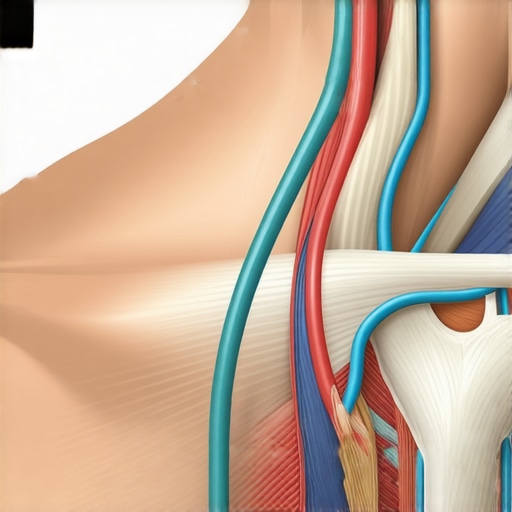
Like many of us trying to survive a busy day, I treated my handbag like a mobile survival kit. I didn’t realize that hauling that extra weight on just one side forced my neck and shoulder muscles into a perpetual, agonizing tug-of-war. Your body naturally wants to keep your eyes level with the horizon. When a heavy strap pulls one shoulder down, your neck muscles on the opposite side have to spasm and contract constantly just to keep your head upright. This chronic muscle strain eventually refers pain straight up into your skull, mimicking a severe migraine. It was a classic mistake I made for years, choosing fashion and convenience over my spinal health. I eventually had to learn how to tell if your headache is actually coming from your neck before I could finally start treating the root cause instead of just swallowing pain relievers.
Is a simple lifestyle tweak really enough to stop chronic headaches?
It sounds almost too simple to be true. We are conditioned to believe that chronic head pain requires complex medical interventions or heavy prescriptions. However, physical biomechanics do not lie. According to clinical studies on ergonomics, carrying a bag that exceeds just 10% of your body weight on one shoulder significantly alters your gait and forces the cervical spine into lateral flexion, irritating the delicate nerves at the base of your skull. Today, we are going to dive into exactly how this asymmetric load wrecks your posture, and more importantly, how you can fix it. If you want to dive deeper into how spinal issues ripple throughout your entire upper body, check out this guide on the hidden link between neck pain and spinal health. Have you ever noticed your head throbbing after a long day of carrying a heavy shoulder bag or briefcase? Tell me in the comments below! Let’s look at what is actually happening to your muscles when you lift that strap.
How to Rebalance Your Upper Body and Stop the Shoulder Drag
Think of your neck and spine as a finely tuned suspension bridge. The cables are your muscles, and the central tower is your spinal column. If you constantly hang a heavy anchor on just one side of the bridge, the opposite cables have to pull with double the force just to keep the structure from collapsing. This constant tension is exactly why your neck feels tight, sore, and bound up after hours of carrying a shoulder bag. To fix this, we have to look beyond simply changing our bags and address the actual muscular imbalances that have already taken root in our bodies.
Ditch the One-Sided Carrying Habit Immediately
The very first step is non-negotiable: you must distribute the weight evenly. When I first tried to fix my daily routine, I simply switched my heavy tote to my left shoulder. It was a disaster. Because my left side wasn’t used to the load, my neck locked up within two hours, and I ended up with a throbbing headache on both sides instead of just one. The real solution is adopting symmetrical habits. If you must carry a laptop and daily essentials, switch to a dual-strap backpack. Learning the proper way to wear a backpack to avoid spinal strain is the easiest way to ensure both shoulders share the load equally, preventing that lateral pull on your cervical vertebrae.

Reactivate Your Slumping Shoulders
When you carry a heavy load on one side, your shoulder naturally rounds forward to keep the strap from slipping off. This habitual slouch shortens the muscles in your chest and overstretches the muscles in your upper back, leaving them weak and unresponsive. To combat this, you need to actively open up your chest and wake up your upper back muscles. I found massive relief by performing the 30-second pec stretch to fix slumping-shoulders every single afternoon right after unloading my gear. It acts like a reset button for your collarbones and helps your shoulder blades glide back into their natural resting positions.
Squeeze the Shoulder Blades for Instant Relief
Once you have stretched the tight front muscles, you must strengthen the weak muscles in the back to hold your posture in place. The simplest, most effective way to do this is with targeted contractions that you can perform right at your desk. Try incorporating the simple shoulder blade squeeze for instant neck relief into your daily routine. Think of it as pinching a pencil between your shoulder blades and holding it for five seconds. When I committed to doing this three times a day, the burning sensation in my upper back began to disappear, and my head felt lighter on my shoulders.
Realign Your Neck with a Gentle Reset
When your shoulders are dragged down and forward, your chin naturally pokes out to compensate, which severely compresses the back of your skull. This forward head posture is a prime trigger for tension headaches. To reverse this structural creep, you need a targeted movement to slide your skull back over your spine. Utilizing the chin-tuck drill to combat tech neck instantly allows you to safely decompress those tight suboccipital nerves at the base of your skull. Focus on pulling your head straight back, as if you are making a double chin, rather than tilting your head down.
When we struggle with stubborn head and shoulder tension, our default reaction is to stretch the painful areas harder, pull our shoulders back further, and force our bodies into what we think is perfect alignment. But after years of working through my own posture journey and consulting with specialists, I learned a hard truth: trying too hard to correct your posture is often exactly what keeps you in pain. We are conditioned to treat the body like a rigid piece of scaffolding that just needs to be cranked back into place. In reality, your spine is a dynamic, fluid system that adapts to every microscopic load you place on it.
The Aggressive Correction Trap That Wrecks Your Upper Back
Everyone tells you to pull your shoulders down and back the moment you feel a twinge of discomfort. In my experience, this aggressive, forced retraction actually does more harm than good. When you forcefully pin your shoulder blades together all day, you end up freezing your rib cage and overworking your rhomboids. Your muscles cannot stay contracted indefinitely without exhausting themselves. This constant muscular bracing is why so many people experience a relentless, deep ache right between their shoulder blades. If you are struggling to find a balance between natural alignment and forced stiffness, checking out how to relieve neck back discomfort using these expert methods can help you break the cycle of over-straining.
Why does stretching your neck muscles sometimes make your tension headaches worse?
This is the ultimate paradox of chronic neck pain. When the muscles at the back of your neck feel incredibly tight, your first instinct is to pull your head down into a deep stretch. However, those muscles are often tight because they are already overstretched and weak from your head drifting forward. By pulling on them even more, you trigger a protective stretch reflex that causes the muscle spindle fibers to contract even harder to protect your joints. A study published in the Journal of Physical Therapy Science demonstrated that aggressive static stretching of already elongated cervical muscles fails to restore normal biomechanics and can actually destabilize the cervical spine. Instead of stretching, you need to focus on stability and natural mobilization. You might actually be making critical errors without realizing it, such as the chin-tuck mistake that is making your neck pain worse, which turns a corrective drill into a nerve-compressing movement.

The Static Ergonomics Myth
Another massive trap is the belief that a perfect desk setup or a specialized chair will magically cure your spinal fatigue. You can buy the most expensive ergonomic chair on the market, but if you sit completely still in it for eight hours, your spine will still suffer. The human body is designed for motion. When you remain static, the discs in your spine lose their fluid exchange, and your postural muscles begin to starve of oxygen-rich blood. To truly unlock lasting relief, we have to look at how we move throughout our entire day rather than just how we sit. Exploring targeted therapies like back pain recovery how chiropractic care transforms lives can reveal how gentle, targeted adjustments restore the dynamic motion your joints crave, proving that movement, not stiffness, is the ultimate cure. Have you ever fallen into this trap of trying to hold yourself perfectly still to avoid pain? Let me know in the comments below!
When my alignment finally started to stabilize, I realized that avoiding postural flare-ups wasn’t about luck; it was about the daily tools and proactive routines I integrated into my life. I had to transition from constantly treating pain to actively managing my structural health. If you are serious about avoiding that agonizing daily muscle tension, you need reliable equipment and a systematic approach to keeping your spine mobile.
How do I maintain my upper body mobility over time?
Consistency beats intensity every single time. To maintain your progress, you need a daily structural hygiene routine that offsets the physical demands of modern life. I highly recommend starting each morning with the morning spinal hygiene routine every desk worker needs. This five-minute series of gentle, multi-directional movements lubricates your facet joints and wakes up your stabilizer muscles before you ever sit down at your computer. Additionally, pay close attention to how you work remotely. Taking a few minutes to learn how to set up your laptop at a coffee shop pain-free ensures you do not undo days of progress during a single afternoon of remote work.
The Concrete Tools in My Spinal Health Toolkit
I don’t believe in generic posture correctors or gimmicky back braces that do the work for your muscles, ultimately making them weaker. Instead, I rely on targeted tools that help release restricted tissues and build active stability. My absolute favorite tool is a simple, high-density foam roller and a pair of lacrosse balls taped together (often called a peanut roller). By using these to mobilize my thoracic spine, I can specifically target the stiff joints in my middle back that force my neck to overcompensate. If you have been struggling with stubborn knots between your shoulder blades, learning how to use a tennis ball to melt away mid-back knots is a cheap, incredibly effective way to self-release those tight tissues at home.

Another game-changer for me was re-evaluating my sleep posture. We spend a third of our lives in bed, yet we rarely consider how our pillow height impacts our alignment. I switched to an ergonomic cervical pillow that supports the natural curve of my neck whether I am on my back or my side. If you suspect your bed setup is contributing to your morning stiffness, you can check for the 5 signs your pillow is trapping your neck in a bad angle to make an immediate, pain-free adjustment to your sleep environment.
The Future of Posture Management and Bio-Feedback
As we look toward the future, the field of ergonomics is shifting away from static furniture and toward dynamic bio-feedback. Wearable technology is beginning to focus on real-time muscle activity tracking rather than just telling you to sit up straight. Experts like Dr. Stuart McGill, a leading authority on spine biomechanics, emphasize that building active, subconscious patterns through frequent, varied movement is far more effective than trying to hold a rigid posture. In the coming years, we will see smart fabrics and sensory devices that gently remind us to move our joints through their full range of motion before stiffness even has a chance to set in. If you want to accelerate this transition to better movement right now, incorporating targeted professional care can make a massive difference. You can explore how to boost mobility ease pain chiropractic techniques unveiled to see how expert adjustments can jumpstart your body’s natural healing and movement patterns.
My challenge for you today is to try just one specific tool or routine. Don’t try to overhaul your entire lifestyle at once. Start by committing to a simple morning mobility drill or swap out your heavy shoulder bag for a balanced backpack. Your spine will thank you for the relief.
The Brutal Lessons of My Forced Posture Journey
For years, I made the classic mistake of thinking posture was an active exercise in discipline. I thought if I just squeezed my shoulder blades hard enough, pulled my neck back long enough, and stood straight enough, my alignment would magically heal itself. Instead, I lived in a state of exhausting muscular bracing. The biggest breakthrough came when I realized that true postural correction is about removing asymmetric strains first, rather than trying to force tired muscles into a rigid, artificial mold. Your body knows how to align itself; you simply have to stop getting in its own way with heavy daily loads and static desks.
My Essential Daily Alignment Toolkit
To keep my spine dynamic and avoid slipping back into old patterns of tension, I rely on a small, curated set of tools and routines that focus on muscle release and mobility. Here is what has truly made a difference in my daily life:
- The Thoracic Peanut Roller: Perfect for rolling out the stiff joints in the mid-back that cause your neck to overcompensate.
- An Ergonomic Cervical Pillow: This made a massive difference overnight, supporting my cervical curve whether I sleep on my back or side.
- A Balanced Dual-Strap Backpack: Completely replaced my single-shoulder bags, instantly correcting my walking mechanics.
- Daily Spinal Hygiene: Taking five minutes every morning to gently move my joints in all directions before sitting down to work.
Your Blueprint to a Pain-Free Upper Body
You do not have to live with a constant, burning ache in your shoulders or a dull throb behind your eyes. Your body is incredibly adaptive, and the moment you stop overloading one side and start moving naturally, your muscles will begin to release their protective grip. If you are ready to take your recovery to the next level and restore your body\’s natural ease, exploring how to restore your range how chiropractic care enhances movement can give your joints the physical reset they need to heal. Start small, stay consistent, and let your spine find its natural rhythm again.
Have you noticed that your head or neck feels more tense after carrying a specific bag or sitting in a certain chair? Let me know in the comments below!