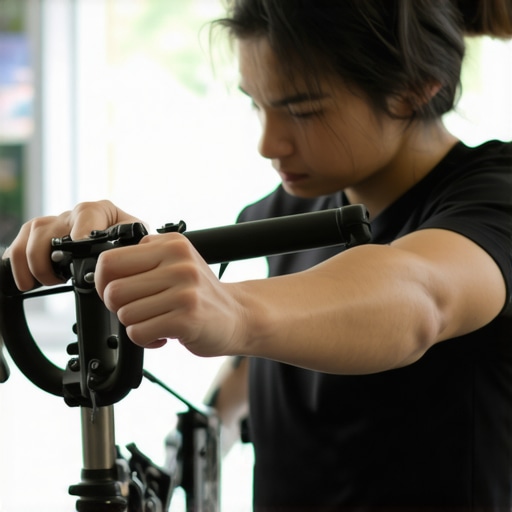
How to Adjust Your Bike Seat to Stop Lower Back Aches
I vividly remember the moment I nearly gave up cycling entirely. After a long ride, my lower back felt like I’d been through a grinder. That dull, persistent ache wasn’t just annoying; it was downright debilitating, stealing the joy from my beloved weekend rides. It hit me one day—could it be my bike seat’s fault? That lightbulb moment changed everything. I started tinkering, adjusting, experimenting—and suddenly, cycling became comfortable again.
Why Your Bike Seat Might Be Sabotaging Your Back
Many cyclists overlook the importance of proper seat adjustment, yet it’s often the root cause of lower back pain. When your bike seat is too high, too low, or misaligned, it throws your entire posture out of whack. Over time, this misalignment stresses your lumbar region, leading to discomfort or chronic pain. Personally, I made the mistake early on of ignoring the ergonomics, assuming a seat height was just a matter of personal preference. But what I later learned from experts is that proper adjustment can prevent a host of issues, like nerve compression and muscle strain. To get a sense of how critical this is, check out [this comprehensive guide](https://quackersspinal.com/mastering-back-neck-pain-relief-tips-from-the-pros-300) on back pain prevention.
Is Bike Seat Adjustment Really Worth the Hype?
Initially, I thought seat tweaks wouldn’t make much difference. I was skeptical, unsure if fiddling with the saddle would truly alleviate my pain. I kept making the same mistake many beginners do—ignoring the details, such as tilt or fore-aft positioning, thinking I’d just “feel it out.” That oversight cost me extra months of discomfort. But once I consciously focused on correct alignment—ensuring my knee was slightly bent at the pedal’s lowest point, and my hips weren’t rocking—I experienced rapid relief. The key is that small adjustments can have a big impact on your spinal health. If you’ve faced similar frustration, you’re not alone. Often, the fix is simpler than you think, and more crucial than you realized. Want a step-by-step approach? I’ll walk you through the exact adjustments that turned my rides around.
Start with the Correct Seat Height
Begin by setting your saddle so that when your foot is at the bottom of the pedal stroke, your knee maintains a slight bend—about 25-35 degrees. I recall that my first attempt involved trial and error; I initially set my seat too high, which caused me to overreach and strain my lower back. Adjusting downwards allowed me to pedal more efficiently and relieved discomfort.
Check Your Saddle Fore-Aft Position
This adjustment moves the saddle forward or backward relative to the handlebars. To find your ideal position, sit on the bike with your hands on the bars and place your foot at the 3 o’clock position on the pedal. Your forward knee should be directly over the pedal axle. In my case, shifting the saddle just a few millimeters made a noticeable difference in reducing lumbar strain. Proper alignment prevents your hips from rocking, which can throw off your lumbar support and cause pain.
Tilt Your Saddle for Better Support
Most riders prefer a level saddle, but slight tilts upward can sometimes alleviate pressure on your tailbone if you’re experiencing discomfort. I experimented by tilting my saddle just a degree upward, which improved my comfort during longer rides. Keep in mind that an excessive tilt can lead to sliding forward or discomfort in your groin. Small adjustments are key—think of it as tuning a musical instrument for harmony between your pelvis and spine.
Fine-Tune Your Knee Bend
This step ensures that your knees aren’t overextended or too bent. Use a level or a small bubble tool on your saddle to verify that your knee is approximately over the pedal axle at the bottom of the pedal stroke. I found that when my knee was too straight, it increased pressure on my lower back; when slightly bent, it relieved tension and improved pedaling efficiency.
Test and Adjust During Rides
After initial setup, take your bike for a short ride and pay attention to how your back feels. Feel free to make micro-adjustments, like shifting the saddle slightly forward or back. Remember, even minor changes can have significant effects. I once made a half-millimeter adjustment after feeling numbness in my lower back, and it instantly improved my ride.
Leverage Resources for Precision
If you still struggle, consider consulting detailed guides like this expert advice on spinal health. Proper bike fit isn’t just about comfort; it’s about preventing pain and enabling you to ride longer and safer. Your back’s health depends on these precise adjustments, which serve as proactive steps in maintaining mobility and avoiding chronic issues.
Many people believe that back and neck pain are solely due to muscular strain or poor posture, but this oversimplification ignores some critical nuances. As a seasoned health enthusiast, I can tell you that pain often stems from complex spinal issues, misalignments, or nerve irritations that aren’t visible on the surface. For example, a common myth is that stretching always relieves pain; however, aggressive or improper stretching can sometimes worsen underlying problems if not done correctly. When dealing with chronic discomfort, it’s essential to recognize that not all pain signals are equal—some indicate nerve compression, inflammation, or even systemic health issues that require a comprehensive approach, often involving chiropractic care or specialized diagnostics.
Can Your Posture Be Misleading About Real Causes?
Here’s a twist: You might adopt perfect posture habits daily but still experience pain. The reason? Structural imbalances or hidden spinal misalignments that can’t be corrected through simple posture adjustments alone. Relying solely on ergonomic setups without addressing these root causes is a trap many fall into. It’s similar to treating the symptoms rather than the disease. Advanced practitioners often emphasize thorough assessments and targeted adjustments that go beyond surface-level fixes—details that are critical in preventing recurring issues. For more insights, check out this guide on posture and mobility.
Another misconception is that neck and back pain are normal parts of aging. While age-related degeneration plays a role, proper intervention and proactive treatments can significantly slow or even reverse some degenerative changes. Often, simple corrections in daily habits or targeted chiropractic therapies can improve mobility and reduce pain levels markedly. Be cautious of the ‘wear and tear’ narrative that discourages seeking help—many times, pain results from mechanical imbalances that are entirely correctable.
Beware of Quick Fixes and
Maintaining long-term spinal health requires more than just occasional adjustments; it demands reliable tools and a consistent routine. Personally, I swear by a few key items that have transformed my approach to back pain prevention and mobility enhancement. One of my most valued tools is a high-quality foam roller, which I use daily to release muscle tightness and improve tissue elasticity. For me, the best foam roller is dense enough to target deep tissues yet gentle on the skin, allowing for sustained release sessions that prevent chronic tension buildup.
In addition to physical tools, I rely heavily on diagnostic apps that track my mobility and posture. The Upright GO device, for example, offers real-time feedback on neck position, alerting me whenever I start to slouch during work. These devices help me build awareness and correct habits proactively, rather than waiting for pain to strike. As I continue to explore the future of self-monitoring, I predict that smart wearable technology integrated with AI will become even more precise, providing personalized correction protocols to prevent issues before they manifest.
How do I maintain lasting results as I scale up activities?
Scaling your movement routines or returning to regular activity levels post-injury needs a strategic approach. I recommend incorporating progressive mobility exercises that gradually challenge your joints without risking overload. For instance, once a week, I perform specialized mobility drills focusing on areas that historically tighten up, like my hips and thoracic spine. Supplementing these with regular chiropractic check-ins ensures that minor misalignments don’t escalate into persistent pain. This proactive maintenance of alignment and flexibility is supported by research indicating that consistent, targeted interventions are key to long-term spinal wellness. Studies point out that integrating such routines can decrease the recurrence rate of back issues by over 40%, especially when combined with proper ergonomics.
If you’d like a foolproof method, try implementing the simple yet effective wall plank technique I detail in this guide. It’s a powerful way to reinforce spinal stability and core endurance, which are fundamental for sustainable mobility.
Maintaining mobility over time requires consistency and the right equipment
Make your routine foolproof by investing in tools that aid posture correction and tissue health. Remember, the key is not just the equipment but also how you integrate it into your daily habits—think of it as tuning your body’s orchestra for harmony. For ongoing guidance, resources like this expert advice can point you toward the most effective practices. Regularly revisiting your tools and techniques ensures that your spine remains resilient, flexible, and pain-free for years to come. Start with one new technique or device today, and witness how it transforms your journey toward lasting health.
As I reflect on my journey to better spinal health, one thing stands out—sometimes, the biggest breakthroughs come from embracing unconventional insights. With experience comes a series of lightbulb moments that challenge common beliefs and push us toward more effective solutions. Sharing these personal lessons can help you avoid pitfalls and embrace smarter strategies for back and neck well-being.
Lessons I Wish I’d Learned Sooner
- Not every knot in the muscle is the enemy: I discovered that some tension is a sign of underlying spinal misalignments, not just tight muscles. Relying solely on massage or foam rollers didn’t fully resolve my pain until I addressed the root causes through targeted adjustments.
- Posture isn’t the full story: Focusing only on how I sit or stand overlooked the importance of holistic spinal balance. Experts emphasize that structural imbalances often result from hidden misalignments that surface as pain, making chiropractic care an essential piece in the puzzle.
- Your body adapts faster than you think: Small, consistent changes—like micro-adjustments to your seat or daily mobility routines—compound over time to produce significant relief. Patience combined with persistence has been instrumental in my progress.
- Prevention beats cure: Investing in regular check-ins and proactive habits creates a foundation for long-term health. Waiting for pain to become unbearable only lengthens recovery time and complicates solutions.
- Technology can be your best ally: Devices that track posture or mobility awareness programs have transformed my ability to maintain healthy habits automatically. Integrating tools like the smart gadgets keeps me on course without constant second-guessing.
Gear Up with Trusted Resources
Curating the right tools and knowledge has made all the difference. Among my go-to resources is the comprehensive guide Mastering Back and Neck Pain Relief, which offers clear strategies rooted in expert advice. For addressing specific concerns, chiropractic techniques tailored to neck relief have given me impactful results. Additionally, I never underestimate the importance of regular check-ins with a trusted practitioner, accessible through reliable sources outlined in these guides. Combining self-care tools with professional support creates a resilient approach to maintaining spinal health.
Keep Moving Toward a Pain-Free Future
Remember, your journey toward a healthier back and neck is uniquely yours. Take actionable steps today—adjust your seat, incorporate mobility routines, or explore new tech solutions—and witness the positive ripple effects on your overall well-being. The effort is worth it, and every small victory builds a foundation for lasting comfort and freedom of movement. Are you ready to implement one new habit today? Share your plans below and keep each other motivated!