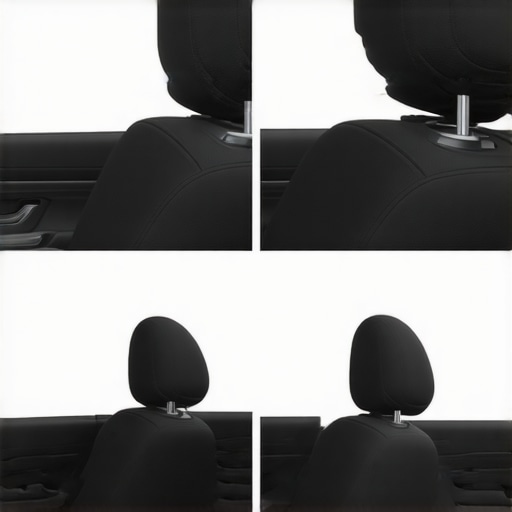
Why your car’s headrest might be pushed too far forward
Ever found yourself wincing after a long drive, shoulders tense, neck aching, and wondering why driving feels more like a chore than a comfort? One overlooked culprit could be your car’s headrest — pushed so far forward that it’s throwing off your posture without you even realizing it.
The Hidden Impact of the Headrest Position
I used to think a headrest was just a safety feature, something to prevent whiplash in a crash. But one day, after a particularly lengthy road trip, I noticed persistent neck pain that refused to go away. It turned out, my headrest was positioned too aggressively forward, pushing my head into a strain that caused chronic discomfort over time. That epiphany led me to dig deeper, connect the dots with my body’s responses, and realize how crucial proper headrest setup is for overall spinal health.
In this post, I promise to guide you through understanding why your headrest’s position might be sabotaging your posture, how to identify if it’s a problem for you, and what practical steps to take to correct it. Whether you’re a daily commuter or a weekend adventurer, these insights could be game-changers for your back and neck health.
Skeptical? Thinking this can’t really impact my pain?
I get it. Early on, I made the same mistake many do — dismissing it as trivial. But trust me, small adjustments often lead to significant relief. Research even indicates that improper head and neck alignment during daily activities can contribute to ongoing discomfort and mobility issues (source: Understanding Back Pain). If you’ve been battling stubborn neck or back pain, it might be worth investigating whether your vehicle’s setup is a hidden contributor.
So, how can something as simple as adjusting your headrest truly make a difference? Let’s explore more, starting with how to recognize if your headrest is out of place and what simple fixes you can implement today to keep your spine happier and healthier.
Identify the Correct Headrest Position
Start by sitting comfortably in your car with your back against the seat. Check if the headrest pushes your head forward, causing your chin to tilt downward or your neck to strain. To test this, slowly move your head forward and see if the discomfort intensifies. Remember, a headrest that is too far forward acts like a stubborn trainer pulling your head into improper alignment. I once spent an afternoon adjusting my headrest multiple times, moving it back and forth, until I noticed a significant reduction in neck tension — the difference was clear and immediate.
Set the Headrest at the Right Height
Step 1: Find the Level of Your Ear
Position the headrest so that its center aligns with the middle of your ear canal. This ensures your head isn’t leaning forward or backward. When I did this for my own car, I used a mirror to check the alignment twice, adjusting the height until the headrest supported my head right at the ear level. This small tweak helped me maintain a natural neck curve, decreasing pain after long drives.
Step 2: Adjust the Depth of the Headrest
The headrest should lightly touch the back of your head without forcing it forward. Think of it like a gentle cradle supporting your skull. If it’s pushed too far forward, it acts like a chain pulling your head into a forward tilt; if too far back, it offers no support. I experimented with moving mine closer and farther each day, feeling how even a centimeter made a difference in muscle tension. Regularly check your position to maintain optimal support.
Ensure Proper Seating Posture
Align your seat so that your shoulders are relaxed, and your lower back has proper support. Your headrest should support the head without causing you to crane or lean forward. It’s a simple but often overlooked step that complements headrest adjustment. I learned this during a quick car seat tune-up; sitting upright with the headrest in the right position instantly eased the tension I felt during hour-long drives.
Test and Feel the Changes
After adjustments, take a short drive or sit in the car with your eyes closed and breathe deeply. Notice if your neck feels less strained or if your shoulders have relaxed. These micro-movements and feelings are clues telling you the setup is right. Remember that, especially if you’ve had chronic discomfort, these little tweaks can make a profound difference over time. If pain persists, consult a professional or explore helpful guides like expert chiropractic solutions.
Maintaining Your Headrest Setup
Revisit your headrest position regularly, especially after adjusting your seat or if you notice new discomfort. Think of it as fine-tuning your car’s suspension — small ongoing tweaks keep you moving smoothly. When I set my headrest correctly, I found that I could sustain longer drives without neck fatigue or headaches, making every trip more enjoyable and less stressful on my spine.
 Every health field, especially chiropractic care and back pain management, is riddled with misconceptions that prevent many from achieving lasting relief. One pervasive myth is that only extreme injuries require professional attention. In reality, chronic and subtle misalignments often go unnoticed but significantly impact mobility and discomfort over time. Experts like Dr. David Seaman emphasize that early intervention can prevent minor issues from escalating into persistent pain.
Another misconception is that frequent manipulations are necessary for maintenance. While occasional adjustments can be beneficial, over-reliance on them might mask underlying problems instead of solving root causes. Developing a comprehensive approach, including proper movement patterns and lifestyle changes, yields better long-term results. For instance, focusing solely on symptom relief without addressing posture habits can lead to recurring issues, as detailed in resources like mobility strategies.
Many believe that costly treatments or supplements are the only solutions. However, simple techniques like proper breathing, targeted stretches, and ergonomic adjustments often provide remarkable benefits, sometimes surpassing expensive therapies. It’s crucial to recognize these nuances to avoid falling into common traps.
A noteworthy advanced point is understanding the significance of spinal alignment in relation to visceral health. Emerging research suggests that misalignments can influence organ function, reinforcing the necessity for precise diagnostic assessments. An example is how functional scoliosis or subtle postural shifts might be linked to digestive or respiratory issues, challenging the view that spinal corrections are purely musculoskeletal.
Have you ever fallen into this trap? Let me know in the comments. Getting clarity on these misconceptions empowers you to make informed decisions about your spine health, optimizing your mobility and comfort for years to come.Maintaining optimal spinal health requires more than occasional adjustments; it involves consistent effort and effective tools. Personally, I rely on a combination of ergonomic aids and specialized devices to reinforce good posture and facilitate ongoing recovery. One essential equipment I recommend is a high-quality lumbar support cushion. I use the “BackJoy SitSmart” because it encourages proper pelvic alignment during long sitting periods, helping me prevent strain before it starts. This simple tool enhances my daily posture, especially during extended desk work or driving, ensuring my spine remains well-supported.
Another device I swear by is a portable massage gun, like the Theragun. Regular use of this percussive therapy device helps me reduce muscle tightness and promote blood flow in my neck and back muscles. I incorporate brief sessions into my daily routine or post-exercise to maintain muscle flexibility and prevent chronic tensions from building up. Studies, such as those outlined in research on myofascial release, support the benefits of these tools in enhancing mobility and reducing pain.
For software enhancements, I utilize posture reminder apps like “Upright” or “PostureZone.” These apps prompt me to check and adjust my posture at regular intervals, crucial for those of us working at desks or with screens for hours. By integrating these digital tools, I maintain awareness and make micro-adjustments that accumulate into significant long-term benefits.
Predicting future trends, I believe smart wearable technology will evolve to offer real-time spinal monitoring, providing instant feedback on posture deviations. Equipped with sensors, these devices could alert you when your head tilts or your back slouches, helping you correct habits proactively.
If you’re serious about long-term relief, start by trying a posture reminder app and incorporating a lumbar support cushion into your daily routine. Additionally, scheduling regular check-ins with a professional chiropractor can make a significant difference in keeping your spine in top shape. For guidance tailored to your unique needs, don’t hesitate to reach out via my contact page. Remember, consistency is key—small daily habits build a foundation for lasting mobility and comfort.Ever since I began paying close attention to how my headrest was positioned, my understanding of spinal health changed dramatically. It dawned on me that the small, seemingly insignificant details—like the angle of my car’s headrest—could profoundly influence my overall comfort and mobility. This insight pushed me to experiment with my setup regularly, leading to improvements I never thought possible. The lesson? Never underestimate the power of meticulous adjustment; small changes can unlock significant relief in your neck and back. I’ve also learned that combining ergonomic tweaks with strategic stretches and professional guidance creates a resilient foundation for long-term spinal wellbeing, moving beyond temporary fixes to lasting health. Lastly, I discovered that sharing my experiences and listening to others’ stories fosters a community of support, reminding me that we’re all in this journey toward better mobility together—your story might inspire someone else’s breakthrough.