How to Adjust Your Bike Seat to Stop Lower Back Pain During Rides
I remember the exact moment it hit me—my lower back aching so fiercely after a long ride that I wondered if I should just sell my bike and give up cycling altogether. It wasn’t just soreness; it was sharp, persistent pain that seemed to seep into my bones, making every pedal stroke a reminder of discomfort. I had been so focused on my riding technique and gear that I overlooked the simplest thing—my bike’s seat height. That lightbulb moment changed everything. When I finally adjusted my seat appropriately, the pain started to fade, and riding became enjoyable again. If you’ve ever experienced this relentless lower back pain during or after your rides, you’re not alone. Many cyclists underestimate how crucial proper seat positioning is for spinal health.
Why Your Bike Seat Might Be Causing More Harm Than Good
The connection between saddle height and lower back pain isn’t always obvious. It seems straightforward—set it too high or too low, and you’ll feel the strain, right? But in reality, even minor misalignments can lead to compensations in your posture and muscle engagement, culminating in chronic discomfort. Early on, I made the mistake of cranking my seat height higher in hopes of more power—only to find my lower back stiff and sore after just a few miles. That’s a common pitfall: thinking that a higher seat will make you go faster or feel stronger, but neglecting how it shifts your pelvis and strains your lumbar spine. According to experts, optimizing your saddle position can significantly reduce back-related issues. Adjustments might seem small, but their impact on your overall comfort is enormous.
Is Proper Bike Seat Adjustment Really That Important?
I used to dismiss minor tweaks, assuming they wouldn’t make much difference. However, neglecting proper seat height was a costly mistake—one that I see many cyclists repeat. An improper saddle height causes your hips to tilt or sway, increasing strain on your lower back muscles and discs. I learned this firsthand when I visited a chiropractor who specializes in sports injuries; they explained that even slight misalignments can exacerbate existing back issues or create new ones. If you want to enjoy your rides without paying the price in pain, investing time in learning how to set up your saddle correctly is essential. Want to get more insights on optimizing your mobility and easing pain? Check out this article on chiropractic techniques that improve mobility and reduce discomfort.
Adjust Your Saddle Correctly for Comfort and Health
One of the most direct ways to reduce lower back pain is ensuring your bike seat is at the proper height. Start by mounting your bike and positioning yourself as you would normally ride. Place your heel on the pedal at the lowest point; your leg should be fully extended without locking the knee. If there’s a noticeable bend in your knee, lower the saddle slightly. If your hips sway side-to-side during pedaling, raise it a bit. I once spent an afternoon adjusting my saddle multiple times, ultimately finding the sweet spot that prevented my lower back from twisting unnaturally, leading to immediate relief.
Optimize Reach and Handlebar Position
Next, check your handlebars. Your torso should be at a comfortable angle—not too stretched out or cramped. Adjust the stem length or handlebar height so that your elbows are slightly bent when gripping the bars. This reduces strain on your lumbar spine and distributes your weight evenly. I recall experimenting with a shorter stem, which initially felt awkward but ultimately decreased my lower back fatigue significantly, allowing me to ride longer distances without pain.
Implement Spinal Mobilization Exercises
Incorporating daily mobility drills can make a tangible difference. Focus on gentle back and hip stretches, such as the cat-cow pose or hip flexor stretches. These loosen tight muscles that pull on your pelvis and lower back. For example, I dedicated five minutes each morning to hip openers and spinal twists, which gradually improved my flexibility. These exercises help restore balance in your muscles, reducing compensatory movements that lead to pain. For a comprehensive routine, consider exploring chiropractic techniques that improve mobility and reduce discomfort.
Strengthen Core Stability for Long-Term Relief
Core exercises are essential for supporting your lumbar spine. Focus on engaging the transverse abdominis, multifidus, and pelvic floor muscles. Planks, bird-dogs, and dead-bugs are excellent options. Start with short holds, maintaining proper form—your back should stay flat and stable. I remember feeling frustrated when I attempted planks and couldn’t hold for more than 10 seconds at first, but consistent practice gradually built my endurance, leading to improved posture during rides. Proper core activation minimizes the load on your lower back by stabilizing your pelvis and lumbar region, which is vital for both cyclists and non-cyclists alike.
Leverage Chiropractic Support for Persistent Discomfort
If pain persists despite adjustments and strengthening, consult a professional. A chiropractor specializing in sports injuries can perform targeted spinal mobilization and identify misalignments that contribute to pain. Regular sessions, combined with your self-care routine, can restore proper spinal mechanics. I personally visited a chiropractor after weeks of recurring pain; their adjustments and advice on posture made a noticeable difference. Learn more about methods to relieve neck and back discomfort using expert techniques.
Maintain Awareness and Make Small Changes
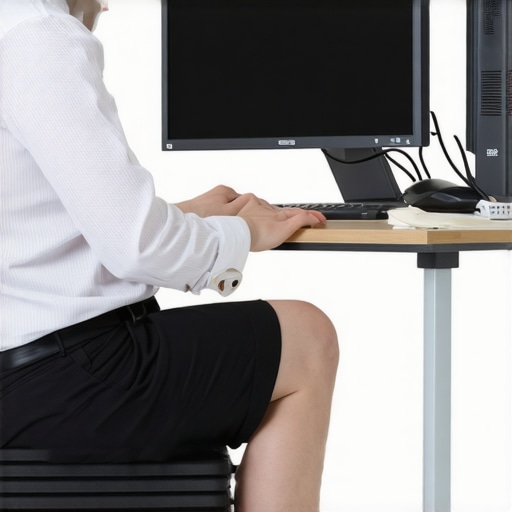
Finally, be mindful of your riding habits and daily posture. Small adjustments—like standing at your desk with hips and knees aligned, or changing your position frequently—can prevent stiffness from developing. Incorporate regular micro-movements and stretches into your routine. I found that setting hourly alarms to remind me to stand and stretch kept my back more flexible and pain-free over time. Remember, consistent small steps compound into lasting relief, supporting your cycling enjoyment without discomfort.Many assume that neck pain and mobility issues stem solely from obvious causes like poor posture or injury, but the reality is far more nuanced. A common myth is that frequent cracking or popping sounds during chiropractic adjustments indicate a problem; in fact, these sounds are often harmless joint cavitations and don’t necessarily reflect improvement. Overlooking this can lead to unnecessary concern or over-treatment. Another misconception is that stretching always benefits stiff necks—yet, in some cases, aggressive stretching can exacerbate discomfort, especially if underlying inflammation or nerve irritation exists. It’s crucial to differentiate between safe mobilization and aggressive manipulation, which can sometimes do more harm than good.
A key advanced nuance is understanding how neuromuscular control and proprioception interplay with pain. For example, impaired joint position sense can cause persistent discomfort even after structural issues have resolved. Improving this requires targeted rehabilitative exercises, not just adjustments. You might wonder, “How do I know when my pain is a nerve issue or muscular tightness?” Addressing this requires an integrated approach, combining chiropractic techniques with neuromuscular re-education, as supported by research from the Journal of Manipulative and Physiological Therapeutics.
Be cautious of the trap where patients focus solely on symptomatic relief, neglecting the importance of correcting movement patterns that perpetuate pain cycles. For instance, neglecting the role of deep cervical stabilizers can lead to recurrent neck pain despite regular chiropractic visits. To truly enhance mobility and reduce pain long-term, consider incorporating posture awareness, core strengthening, and mobility drills. For advanced strategies, exploring chiropractic techniques that improve mobility and reduce discomfort can reveal effective methods tailored for persistent issues.
By digging into these nuances, you avoid the common pitfalls of superficial treatment and unlock lasting relief. Have you ever fallen into this trap? Let me know in the comments.
Keeping It Working: Essential Tools for Long-Term Spinal Wellness
Maintaining your spinal health over time requires not just awareness but also the right equipment and routines. One of my favorite tools is a high-quality foam roller, specifically the tennis ball or lacrosse ball, which I use daily to target trigger points in my upper back and neck. This simple device allows me to perform self-myofascial release, helping to prevent muscle tightness that can lead to pain. I recommend applying gentle pressure to areas of tension for about 30 seconds, gradually increasing as tolerated, to keep muscles supple and reduce nerve compression.
Another critical component is a posture correction device, like a smart posture reminder app or a wearable posture corrector. I personally use a magnetic posture sensor, which vibrates gently when I slouch. This immediate feedback trains my subconscious to maintain better alignment during daily activities, reinforcing the habits necessary for spinal health. Consistent use of such devices can create lasting change—think of it as ongoing maintenance for your muscular support systems.
How do I maintain mobility improvements over time?
Consistency in stretching and mobilization exercises is vital. I set daily reminders to perform specific routines, such as the hip flexor stretch or the neck retraction drill. These small commitments add up, preventing stiffness and degenerative changes. Supplementing these with regular chiropractic check-ins—about once every three to six months—helps ensure subtle misalignments are corrected before they develop into chronic pain. I’ve found that scheduling these sessions into my calendar ensures they become a routine rather than an afterthought.
Predicting the Future of Spinal Maintenance Tools
Looking ahead, I believe integration of wearable technology with AI-driven feedback will become mainstream. Imagine a smart shirt that tracks your posture in real-time and provides personalized corrections, or an app that integrates with your activity tracker to suggest tailored mobility routines based on your daily movement patterns. These innovations will empower us to take pro-active steps, catching issues early before they manifest as pain or injury.
How do I keep my mobility tools effective as I age? Explore proactive measures
As we grow older, muscle elasticity and joint health change, demanding adjustments in our maintenance approach. I recommend gradually increasing the intensity and variety of your stretching routines, adding mobility drills like spinal twists or shoulder rolls. Also, regular strength training focused on core stability, such as planks and bird-dogs, helps sustain posture and prevent injury. To maintain the efficacy of your tools, schedule periodic assessments with a professional—many chiropractors now offer virtual consultations to guide you through personalized routines, ensuring they continue serving you well into later years. For more detailed strategies on enhancing mobility naturally, check out these chiropractic-enhanced mobility tips.
Remember, your ongoing commitment is the key. Incorporate tools like the tennis ball or posture sensor into your daily routine, stay consistent with mobility exercises, and seek regular professional support. This holistic approach not only reduces pain but also promotes resilience, so your spine remains a strong, flexible foundation for years to come. Ready to give your maintenance plan an upgrade? Try integrating a simple tool today, like the self-myofascial release with a lacrosse ball, and notice the immediate difference in muscle tension and discomfort.
Throughout my journey with neck pain, mobility, and chiropractic practices, I’ve uncovered insights that aren’t widely shared but can profoundly transform your approach. One of the hardest lessons I learned was that quick fixes rarely deliver sustainable results. Relying solely on symptom relief without addressing underlying movement patterns only offers temporary comfort and might even worsen the issues over time. Additionally, I realized that patience and consistency in mobility routines outperform sporadic efforts — progress in spinal health often happens in small, persistent steps. Finally, trusting expert guidance and personalized care is crucial; generic advice can’t replace tailored strategies rooted in individual anatomy and habits. Embracing these insights has empowered me to maintain long-term relief and improve my quality of life.