Why Your Standing Desk Is Actually Firing Up Your Lower Back Pain
I remember the exact moment I realized my new standing desk was doing more harm than good. I was excited to ditch my chair, standing for hours, feeling productive and healthy. But instead of relief, I started feeling a dull, persistent ache in my lower back that didn’t go away. One day, I couldn’t ignore it anymore. It was as if my spine was protesting after every work session. That’s when the lightbulb went off—what I thought was a solution was actually firing up my pain.
Pinpointing the Real Culprit Behind Your Back Pain
If you’re using a standing desk and feeling more discomfort than relief, you’re not alone. Many folks jump at the chance to improve posture but end up compounding their problems. The truth is, standing isn’t a magic fix; it can become a catalyst for lower back issues if not set up correctly or if certain habits are overlooked. I’ll share what I’ve learned from personal experience and expert insights, so you don’t have to stumble through the same mistakes.
Is Your Standing Desk Worth the Hype?
Early on, I made the mistake of thinking that simply standing more would cure my back pain. I didn’t pay attention to the ergonomics—like desk height, foot positioning, or whether I was shifting weight evenly. According to research, improper desk setup can lead to increased strain and muscle imbalance (source: Quackers Spinal). So, if you’re experiencing persistent pain, it’s worth reevaluating your setup rather than assuming standing alone is the answer.
Let’s dig deeper into why your standing desk might be contributing to your discomfort and, more importantly, how to fix it. But first, I want to know—have you faced this exact problem? Drop a comment or reach out via our contact page. You’re not alone, and there’s definitely a way to stand smarter, not harder.
Why Your Lower Back Might Be Crying Out for Help—the Common Mistakes
Adjust Your Desk Height for Optimal Support
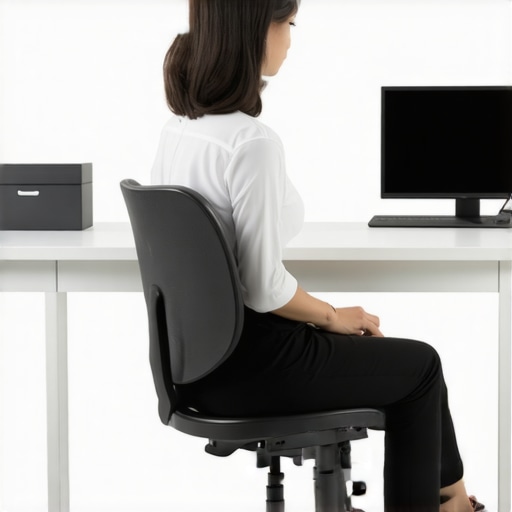
Start by ensuring your desk is at the right height—your elbows should bend at about a 90-degree angle when typing, with wrists straight. I recall adjusting mine beneath a watchful eye of a chiropractor, who pointed out it was too high, causing shoulder tension. After lowering my desk, I felt immediate relief, and my back pain decreased significantly.
Position Your Feet and Legs Properly
Place your feet flat on the ground, about hip-width apart, distributing weight evenly. Avoid crossing your legs, which can tilt your pelvis and strain your lower back. Once, I caught myself crossing one leg—immediately, I felt a twinge in my lumbar region. Resetting my feet restored balance and alleviated discomfort.
Align Your Monitor to Prevent Forward Head Posture
The top of your screen should be at eye level, about an arm’s length away. This prevents you from tilting your head downward. I once neglected this and noticed increased neck tension—raising my monitor a few inches made a noticeable difference in my neck and upper back.
Maintain Neutral Wrist and Arm Positions
Keep wrists straight and hands slightly below or level with your elbows. Use ergonomic accessories if needed. I added a wrist pad and adjusted my keyboard tilt, which minimized elbow strain and supported better alignment.
Incorporate Active Movement Breaks
Every 30 minutes, stand, stretch, or walk briefly. I set reminders and consciously shifted my weight, which prevented stiffness and reduced the persistent dull ache I used to experience. These micro-movements stimulate blood flow and maintain joint mobility.
Utilize Proper Foot and Under-Desk Support
Consider a footrest if your feet don’t comfortably reach the ground, or add cushioning to reduce pressure. Experimenting with different supports improved my posture over time and lessened lower back fatigue.
Refine Your Habits for Long-term Relief
Regularly reassess your setup, and be mindful of habits like leaning forward or slouching. I found that maintaining awareness and making incremental adjustments prevented recurring pain. For further insights on enhancing mobility and preventing neck and back issues, visit this resource.
Many people believe that chiropractic care is primarily about quick fixes, like cracking joints or relieving immediate pain. While these methods can provide relief, the real expertise lies in understanding the complex dynamics of spinal health and mobility. A common myth is that more adjustments automatically mean better results, but in my experience, overdoing adjustments can sometimes hinder long-term healing.
Are Frequent Adjustments Actually Beneficial for Chronic Pain?
Contrary to popular belief, excessive chiropractic sessions without addressing underlying habits or postural issues may lead to dependency, where the nervous system relies on continuous adjustments rather than correcting root causes. An insightful study from the wellness experts suggests that integrating ergonomic education and movement strategies yields more sustainable outcomes than frequent adjustment alone.
Furthermore, many people overlook the significance of mobility variety. Sticking to one type of stretch or movement can create imbalances. For example, focusing solely on flexion or extension exercises may neglect stabilizer muscles essential for spinal integrity, increasing the risk of recurring pain. To truly enhance functional movement, incorporating diverse mobility drills is crucial—something I emphasize in my approach to comprehensive spinal health. You might want to explore proven chiropractic strategies that go beyond quick fixes.
Another subtlety lies in understanding the nuances of nerve involvement. Many assume that pain always indicates a mechanical issue, but nerve impingements can present as pain, tingling, or weakness without obvious structural anomalies. This complexity requires a tailored approach, including neurological assessments, which are often underutilized. Recognizing these signs early can prevent unnecessary treatments and facilitate targeted interventions.
In addition, the role of lifestyle and daily habits cannot be overstated. Small factors like sleeping position, footwear, or even desk ergonomics can significantly impact spinal health over time. Neglecting these nuances often results in temporary relief but persistent issues resurface. As I always say, sustainable health is about integrating knowledge into daily routines—something outlined in this resource.
Finally, a crucial mistake many fall into is assuming that pain elimination is the sole goal. True mobility and spinal health come from restoring optimal function, which may involve functional exercises, posture training, and emotional awareness of tension patterns. It’s about creating a resilient movement system rather than just addressing symptoms.
So, next time you consider chiropractic care or self-manage pain, ask yourself: Am I focusing on quick relief or long-term solutions? Have you ever fallen into this trap? Let me know in the comments or reach out to share your experiences. Remember, understanding these hidden nuances can make the difference between temporary relief and lasting mobility.
Maintaining your spinal health requires more than just awareness—it demands effective tools and a consistent routine. Over the years, I’ve honed a set of specific equipment and methods that help me sustain mobility and prevent setbacks. These tools are not generic; they’re carefully chosen based on their ability to target particular issues, whether it’s relieving tightness or promoting long-term stability.
Why Invest in Quality Posture Correction Devices
Personally, I rely on a high-density foam roller combined with a grid-patterned massage ball. The foam roller helps release my lumbar and thoracic musculature, ensuring my spine stays flexible. I use the massage ball to target smaller, stubborn knots along my trap and pectorals. These devices are affordable yet dramatically improve tissue quality, helping me avoid the trap of muscle adhesions that often lead to chronic discomfort. Investing in ergonomic accessories like adjustable standing desks and monitor arms has also been a game changer, allowing me to fine-tune my workspace and reduce strain.
The Power of Specific Mobility Software
Incorporating mobility apps like this one has transformed my daily routine. It offers guided exercises tailored to my daily stiffness and mobility challenges, making targeted stretches more accessible. The key is consistency; I schedule 10-minute sessions twice daily, integrating them with my work breaks. This habit not only prevents pain but also enhances my overall range of motion, allowing me to perform daily activities with ease.
Training Your Neuromuscular System
Beyond simple stretching, I incorporate neuromuscular activation drills—like the wall press therapy—to engage stabilizer muscles that often weaken with prolonged sitting. These exercises reboot the nervous system’s control over my musculature, leading to more resilient movement patterns. For example, using a technique like the “Bird Dog” with precise cueing ensures I activate core and back muscles synergistically.
The Future of Maintenance and Scaling Techniques
Looking ahead, I predict a rise in personalized biofeedback devices that adapt in real-time to your posture and movement quality. Wearables equipped with accelerometers and gyroscopes will become more sophisticated, providing instant feedback and guidance. This evolution will empower you to correct subtle misalignments as they happen, effectively scaling your ability to maintain spinal health over the years.
How do I keep my mobility long-term?
Consistency is the secret weapon. I make small daily adjustments—using a kneel/stand desk, setting timers for movement, and periodically reassessing my setup—so that maintaining mobility isn’t a chore but a natural part of my routine. I also prioritize educational resources, like learning more about chiropractic strategies, to stay updated on best practices. Remember, the key is to integrate these tools and habits into your lifestyle, not just rely on occasional fixes. For a practical challenge, try using a mobility app for just 5 minutes each morning; it can dramatically improve your posture and mobility over time. If you’re ready to explore more advanced techniques or need personalized guidance, don’t hesitate to reach out.
One of the most profound lessons I learned about spinal health is that quick fixes rarely lead to lasting change. I used to believe that visiting a chiropractor frequently was the key, but I realized that addressing underlying habits and daily routines is where true progress happens. Another insight was understanding the importance of integrating mobility practices into everyday life—it’s not just about exercises but about consistency and awareness. Additionally, I discovered that not all ergonomic gadgets are created equal; investing in quality support tools makes a significant difference. Lastly, I learned that education is empowering: the more I understood about my own body, the better choices I made for long-term health, reminding me that knowledge truly is power in achieving sustained mobility.