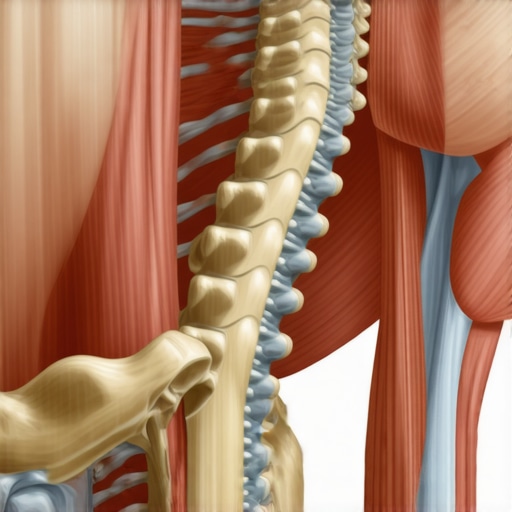
The Easy Way to Carry Groceries Without Straining Your Spine
It was just another Saturday afternoon when I reached into my shopping bag, only to be greeted by a sharp, familiar twinge in my lower back. In that instant, I realized how so many of us unknowingly sabotage our spines every week—lugging heavy groceries, twisting awkwardly, and thinking it’s just part of life. That moment was a wake-up call, a painful reminder that my daily routines could be damaging my health.
The Hidden Sacrifice of Carrying Groceries the Wrong Way
For years, I believed that hauling bags from the car to the kitchen was harmless, just a necessary evil. But over time, little aches turned into persistent discomfort. I learned that improper carrying techniques and bulky bags combined with poor posture could lead to back pain and even long-term spinal issues. It’s astonishing to realize that something as routine as grocery shopping could be silently hurting us. According to research, repeated strain from improper lifting or carrying habits can accelerate wear and tear on your spine, leading to chronic pain and mobility issues (source).
So, what if I told you there’s a simple, effective way to nix that pain, safeguard your spine, and make grocery runs feel effortless? Well, today I’m going to share proven strategies that transformed my approach—and they can do the same for you.
Is Your Approach to Carrying Groceries Actually Worth the Hype?
I used to think that squeezing all my shopping into one heavy tote or cramming multiple bags into my arms was the only way. Early on, I made the critical mistake of ignoring my body’s signals—thinking pain was just part of the bargain. Trust me, that was a mistake. Instead of pushing through, I discovered techniques that distribute weight evenly, protect my back, and keep me mobile. If you’ve ever found yourself aching after a grocery haul, you’re not alone—and there are smarter ways to do this.
Now, let’s explore these strategies step-by-step, so your grocery days don’t turn into days of discomfort. Ready to lift smarter, not harder? Keep reading to learn exactly how I changed my routine—and how you can too.
Adopt Proper Lifting Posture Immediately
The first step I took was to consciously adjust how I lift and carry groceries. Imagine your spine as a sturdy stack of books; if you twist or bend it improperly, the stack becomes unstable and prone to toppling. I started practicing the simple yet effective technique called the hip hinge—a movement similar to closing a car door with my hips rather than bending at the waist. This move distributes the load evenly across my hips and prevents unnecessary strain on my lower back. During my first attempt, I deliberately loaded a full bag and practiced the movement, feeling a slight wobble at first but noticing that I didn’t experience the usual ache afterward. It’s a game-changer for spinal safety.
Master the Art of Load Distribution
Next, I learned that carrying bags in both hands equally distributes weight, reducing uneven stress. Instead of cramming all groceries into a single shoulder bag, I used two enforcers—each hand carrying a balanced load. This not only stabilized my posture but also prevented my pelvis from tilting, which can cause pain over time. A specific moment comes to mind—I had a hefty bag of canned goods, and instead of forcing it all into one arm, I paused, transferred items to my other hand, and carried both with bent elbows close to my body. The result? Less fatigue, fewer aches, and a sense of control over my postural health.
Leverage Your Body’s Mechanics with Assistive Devices
If the thought of lifting heavy bags feels daunting, consider using a hand truck or trolley. Think of it as turning a manual motor into an electric one—reducing effort while increasing safety. I used a collapsible trolley once when groceries threatened to topple my back; this simple device allowed me to glide loaded bags from the car to my kitchen without the typical strain. It significantly minimized the risk of disc compression or muscle overexertion. Plus, integrating a trolley into your routine can be as easy as folding it in the trunk—an effortless upgrade for spinal well-being.
Navigate the Complexities of Bag Choices and Wearing Techniques
Picking the right bags is crucial. Opt for ergonomic bags with padded straps and multiple compartments, which help in evenly distributing weight and reducing pressure points. I swapped my bulky, unstructured tote for a backpack with padded shoulder straps, mimicking the design principles of a good backpack—keeping the load close to the center of gravity for optimal balance. I recall struggling initially with adjusting straps, but once I found the perfect fit, I experienced a marked decrease in triggered discomfort after shopping. Ensuring the straps are snug and aligned correctly prevents uneven pull on your neck and back muscles, maintaining alignment during and after carrying.
Implement Safe Practices During Lifting and Loading
Finally, I adopted a habit of strengthening my core muscles—a vital support system—as I learned that a strong core acts like a built-in brace, supporting the lumbar spine during lifting. Incorporating exercises like planks and gentle side bends helped me lift lighter loads with greater ease and safety. During a busy weekend, I caught myself attempting to lift a bulky bag without proper technique; I remembered to engage my abdominal muscles first, then pivot with my hips, keeping the load close to my body. The immediate sensation was less strain and a reminder that safety always starts with awareness and technique.
Many individuals believe that chiropractic care simply offers quick relief through spinal adjustments. However, this is a common myth that overlooks the complex biomechanics involved in chronic pain. The truth is, most people underestimate how nuanced and personalized effective spinal treatment truly is. For instance, a study published in the *Journal of Manipulative and Physiological Therapeutics* highlights that successful outcomes depend heavily on addressing individual movement patterns and muscular imbalances, not just vertebral misalignments (source). As an expert, I can tell you that the prevalent misconception is that spinal adjustments are a one-size-fits-all fix, which can lead to ineffective treatment or even aggravate issues when misapplied. An advanced mistake many practitioners and patients alike make is neglecting the importance of comprehensive mobility assessments before and after treatments. This oversight can result in short-term relief but fails to address the underlying dysfunctions, leading to recurrence of pain. Take, for example, the belief that stretching alone can resolve mobility issues; in reality, without correcting movement patterns and core stability, flexibility gains are often temporary, and pain persists. Want to learn how to identify and correct these nuanced issues? Explore my comprehensive guide on restoring your back mobility effectively. Be cautious of the trap that treating symptoms without understanding the root cause can worsen the condition over time. For an in-depth look at what differentiates successful from unsuccessful chiropractic interventions, check out these expert secrets. Remember, the path to lasting relief is nuanced and requires a tailored, multi-dimensional approach. Have you ever fallen into this trap? Let me know in the comments.
Maintaining optimal spinal health requires more than just occasional adjustments or exercises; it hinges on the right tools, consistent routines, and a proactive approach. Over the years, I’ve refined a set of specific equipment and methods that help me and my clients sustain progress and handle everyday stresses effectively. Incorporating these into your daily regimen can drastically improve mobility, reduce pain, and prevent setbacks.
Invest in a Quality Lumbar Support Cushion
One of my top recommendations is a properly designed lumbar support cushion, especially if you spend hours seated. I personally use a memory foam wedge that alleviates pressure on the lumbar discs during long workdays. Unlike generic cushions, this one molds to my lower back’s natural curve, providing consistent support that encourages good posture. A well-chosen cushion acts as a preventive tool, reinforcing spinal alignment and reducing fatigue—crucial factors in long-term health. As detailed in my chiropractic techniques guide, maintaining proper ergonomics is vital for sustainable mobility.
Use a Foam Roller with Caution and Precision
Foam rolling has gained popularity for its ability to release muscle tension. However, I advise my clients to approach it with specific techniques. When used incorrectly, especially on the lower back, it can do more harm than good, including compressing spinal structures. I prefer using a softer roller and focusing on surrounding muscles like the glutes, lats, and hamstrings, which influence spinal stability indirectly. A precise rolling routine—done for 1-2 minutes daily—can help maintain muscular flexibility and prevent trigger points that contribute to back pain. For more about muscle release and mobility, see my mobility strategies.
Embrace Smart Use of Digital Tools for Posture Monitoring
There’s a growing trend towards utilizing technology to promote awareness and correct habits. I rely on posture-tracking apps like UPRIGHT or Lumo Lift, which provide real-time feedback and gentle reminders to sit or stand correctly. These devices have helped me fine-tune my posture throughout the day, especially during prolonged periods at my desk. Beginners might find a simple approach like setting hourly alarms or using a mirror to check alignment effective. Consistency is key—regular self-monitoring ensures foundational habits become second nature, fostering lasting improvement. For in-depth insights, check out my mobility recovery tips.
Predicting the Future: Smarter, Personalized Care
Emerging innovations suggest that wearable sensors and AI will soon offer personalized mobility assessments, enabling real-time corrections tailored to individual needs. This evolution will make long-term maintenance more accessible and precise, reducing reliance on reactive treatments. Staying ahead involves embracing these advancements and integrating evidence-based tools into your routine.
How Do I Maintain My Back and Neck Over Time?
The key lies in integrating these tools into a consistent, self-aware routine. Combine ergonomic supports, targeted muscle release, and digital monitoring to create a comprehensive maintenance plan. Remember, early intervention and the right equipment can prevent minor discomforts from escalating into chronic issues. For more tailored strategies, explore my full guide to restoring mobility. I encourage you to try incorporating a lumbar support cushion or using posture feedback apps today—small steps that generate long-lasting results.
What I Wish I Knew About Spinal Care from the Start
One of the most profound lessons I’ve learned is that true spinal health isn’t just about quick fixes—it requires a deep understanding of your body’s mechanics and habits. I once believed that occasional adjustments could solve all my issues, but I soon realized that consistent practice of proper movement patterns and ergonomics has a far greater impact. Embracing a proactive approach and understanding the nuanced relationship between daily habits and spinal health transformed my approach entirely.
Another insight was the importance of listening to my body’s signals. Ignoring subtle aches only allowed them to develop into chronic pain. Recognizing early warning signs and addressing them with targeted strategies prevented many setbacks. This awareness fostered a more resilient and informed mindset, empowering me to take control of my mobility and back health.
Lastly, I discovered that investing in quality tools—like ergonomic supports and mobility aids—yields long-term benefits. Small adjustments in equipment and routine can make a significant difference in maintaining a healthy spine and preventing future discomforts. My journey taught me that understanding these less obvious factors is crucial for lasting wellness.