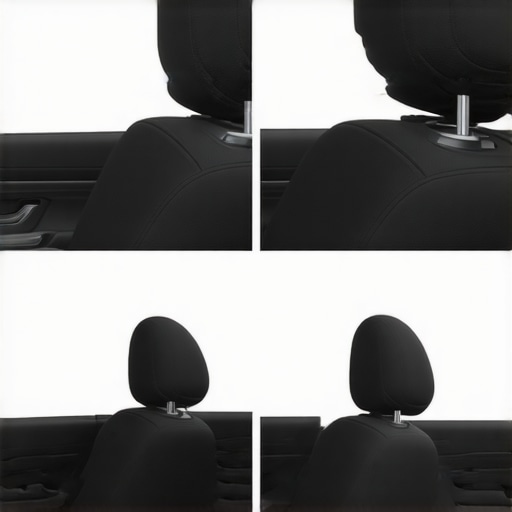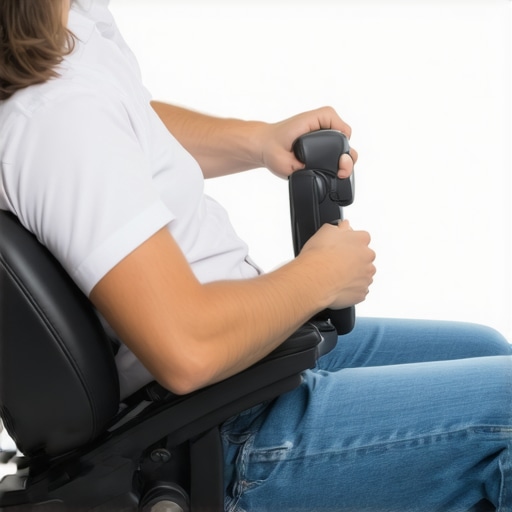
How to use a lumbar support in a bucket seat
I remember the exact moment I realized my bucket seat was the culprit behind my persistent lower back pain. I was on a long drive, trying to push through, when a sharp twinge hit me right in the lumbar region. It was like my back was screaming for help, and I finally understood that a simple adjustment could make all the difference. That lightbulb moment led me down a path of experimenting with lumbar support, and let me tell you—this little tweak transformed my comfort and mobility.
Why Comfort in Your Bucket Seat Matters More Than You Think
If you’ve ever felt achey after sitting in a bucket seat for hours—whether in your car, gaming chair, or racing setup—you’re not alone. Prolonged sitting, especially without proper lumbar support, can cause or worsen lower back discomfort. Our spines aren’t designed to be held in rigid positions all day, and missing out on proper support means unnecessary strain on your lumbar discs and muscles. That’s what initially led me to explore how to use lumbar supports effectively.
Feeling skeptical about lumbar support? You’re not the only one
I used to think these supports were just a gimmick—something to try if you couldn’t find relief otherwise. But early on, I made a mistake when I placed a lumbar cushion too high or too low, which only added to my discomfort. The truth is, proper placement is essential, and not all supports are created equal. To truly benefit from lumbar support, you need to understand the right way to position it for your unique body and seat. Curious how to do that? Stick around, because I’ll walk you through proven strategies that have worked for me—and countless others. For a deeper dive into how chiropractic care can enhance overall mobility, check out [this helpful resource](https://quackersspinal.com/restore-your-range-how-chiropractic-care-enhances-movement), which emphasizes the importance of spinal alignment for movement and comfort. Ready to turn your seat into a throne of support? Let’s begin.
Position Your Lumbar Support Correctly
Start by placing your lumbar support so that it curves naturally with your lower back. Lie down or sit in your seat, then feel for the hollow in your lumbar spine. Position the support to fill this gap without pushing your pelvis forward or forcing your back into an unnatural arch. I once spent 15 minutes adjusting my cushion multiple times before realizing I had it too high, causing more discomfort. Proper placement ensures the support maintains your spine’s natural curve, reducing strain and preventing pain.
Adjust the Depth and Firmness
Next, set the support’s firmness to suit your comfort level. A support that’s too stiff can cause pressure points, while too soft won’t stabilize your lumbar region effectively. Think of it like tuning a guitar string—finding the right tension makes all the difference. I experimented with different firmness levels during long drives, and found that a medium-firm support minimized fatigue. Test different settings by sitting for 5-minute intervals, then choose the one that keeps your lower back supported without discomfort.
Align Your Pelvis for Optimal Comfort
Adjust your seat’s height and tilt to ensure your pelvis is level. Your hips should be slightly above your knees, with feet flat on the floor. This position prevents your pelvis from tilting backward or forward, which can compromise your lumbar support’s effectiveness. I recall struggling with seat adjustments on my first day, which led to persistent lower back tightness. By elevating the seat so my hips were even or slightly higher than my knees, I created a better foundation for my lumbar cushion, relieving tension.
Container Movement: Micro-Adjustments for Lasting Relief
Finally, make small adjustments while sitting. Slight changes in seat position or lumbar support angle can significantly impact comfort. For example, tilting your lumbar cushion forward or back by a few degrees might be necessary. Remember, your body is unique—what worked for me was a subtle tilt that aligned with my natural spine curve. Spend a few minutes experimenting, and you’ll discover the sweet spot, similar to how I finally settled into a position that eliminated my lower back pain during long drives.
Maintain and Reassess Support Placement
Regularly check your lumbar support placement, especially if your seat or back position changes. Over time, your comfort zone may shift, so revisit your settings weekly. This proactive approach prevents developing new discomforts and keeps your mobility optimal. I keep a mental note to readjust support after long trips or when switching seats, which helps me stay pain-free and mobile, aligning with tips from restoring range of motion.
 Many people believe that the key to resolving chronic back or neck pain is simply resting or taking over-the-counter medication. However, these common approaches often overlook the nuanced interplay of spinal alignment, muscular balance, and movement patterns. For instance, a widespread myth suggests that “bad posture” is the direct cause of pain, but recent research indicates that posture alone isn’t the culprit; rather, it’s how your body adapts or compensates over time that matters. Misconceptions like these can lead to costly and ineffective treatments, emphasizing the importance of understanding the deeper mechanics involved.
One trap many fall into is focusing solely on symptom relief without addressing underlying issues. For example, relying only on stretching when the real problem stems from joint restrictions or nerve impingements can exacerbate symptoms. This is why seeking expert guidance from a chiropractor who specializes in restoring mobility is essential, as it can uncover hidden restrictions not visible in static assessments. For an insightful look into how chiropractic care can transform your movement, check out this resource.
Have you ever fallen into this trap? Let me know in the comments.
Another false belief is that pain is always indicative of damage needing surgical intervention. While acute injuries might require such measures, chronic pain often involves altered neural processing and muscle imbalances that can be effectively managed through targeted manual therapy and movement strategies. Advanced techniques, like those discussed in proven mobility strategies, focus on restoring function without unnecessary surgery.
Be cautious of the common mistake of ignoring the role of spinal health in overall wellness. Neck pain, for example, can be a sign of compromised cervical mobility affecting your posture and even your sleep quality. Using correct ergonomic adjustments and mobility exercises can prevent these issues from developing into chronic conditions. For more advanced solutions, numerous studies recommend integrating chiropractic adjustments with movement therapy, underscoring the importance of a holistic approach.
Understanding these nuances helps prevent the pitfalls of superficial fixes. Your spinal health is interconnected with your entire musculoskeletal system, and addressing it requires a comprehensive, informed approach. To explore techniques that address the root causes of back, neck, and mobility issues, visit this comprehensive guide. Remember, the path to lasting relief involves insight, patience, and expert support.
If you’re serious about maintaining mobility, reducing pain, and preventing future issues, having the right tools and methods makes all the difference. Over the years, I’ve refined my arsenal to include specific equipment and techniques that genuinely support my spine health and can be tailored to your needs too.
Investing in Quality Lumbar Support Devices
One of my top recommendations is a high-quality lumbar cushion that adapts to your seat and body. I personally use a memory foam support with adjustable height and firmness, allowing me to fine-tune the support for optimal spinal alignment during prolonged sitting. When I first started using an ergonomic support, I noticed a drastic decrease in lower back fatigue. Remember, proper placement is key—position it where your lumbar curve needs reinforcement, not too high or low.
Smart Back Monitoring through Movement Apps
Technology now offers fantastic options to track and improve mobility. I rely on a movement tracking app that records my daily activity patterns and suggests personalized exercises to address weak areas. These apps analyze your movement quality—like range of motion and balance—and can provide feedback to prevent compensations that lead to pain. Incorporating regular assessments with these tools helps me stay proactive, especially if I spend hours seated or desk-bound. For extended mobility and posture insights, explore this resource.
Essential Foam Rolling and Mobility Gear
Foam rollers and massage balls are staples in my toolkit. I use a dense foam roller daily to release tension in my latissimus dorsi and thoracic fascia—key areas that, if tight, can restrict neck and back mobility. My favorite is a slightly firm, textured roller that allows me to target my muscles precisely. Regular self-myofascial release prevents stiffness, improves tissue quality, and supports chiropractic adjustments, making movements smoother and pain-free. For a structured approach, check out these expert mobility tips.
Why Future Trends Will Focus on Personalization
The trend points toward highly personalized approaches—think wearable sensors and AI-driven diagnostics—that can give real-time feedback and tailored programs. As technology advances, I predict tools will become more accessible and customizable, empowering you to self-manage and prevent issues before they escalate. Staying updated with emerging devices and techniques ensures your routine remains effective and adaptive.
How do I maintain my tools and techniques over time?
Consistency is crucial. I recommend scheduling weekly reassessments of your equipment and habits. For example, adjust your lumbar support as needed, refresh your mobility routines, and replace tools when they show signs of wear. Regular check-ins help you spot imbalances early and adapt your strategies, preventing setbacks. Integrating continuous education, like subscribing to reputable blogs or consulting with a chiropractor, keeps you informed about the latest best practices—like the recent research highlighting the importance of spinal stability (source). Take one advanced tip today: try using a mobility app to track your movement patterns for a week, and use that data to customize your exercise routine for optimal support.
What I Wish I Had Known Sooner About Spinal Support
One of the most profound lessons I learned is that “one-size-fits-all” solutions rarely work when it comes to spinal health. Early on, I believed that a simple cushion or support device would cure my back pain, but I soon realized that personalized positioning and consistent reassessment are key to long-term relief. Also, I underestimated how much my daily habits, like seat height and posture checks, influence ongoing comfort. These insights changed the way I approach mobility, emphasizing that ongoing adjustments and listening to my body’s signals are essential for sustained health.
Tools and Resources That Transformed My Approach to Back and Neck Mobility
Over the years, I’ve curated a toolkit of trusted resources that have made a tangible difference in my journey. A high-quality lumbar cushion with adjustable firmness has become my go-to for prolonged sitting, ensuring my spine maintains its natural curve. I also rely on a movement tracking app to monitor my daily posture and movement patterns, allowing me to make targeted improvements. Foam rollers, especially textured ones, help me release muscle tightness and support chiropractic treatments. These tools, combined with expert-guided routines from this resource, have been instrumental in maintaining my mobility and preventing pain recurrence.
Taking Charge of Your Mobility: An Emotional Push Forward
Your journey toward pain-free movement is uniquely yours, and embracing it can fill you with confidence. My advice is simple: start small, stay consistent, and celebrate each improvement. Remember, even minor adjustments—like a few micro-tilts of your lumbar support or daily stretching—compound over time into lasting change. You have the power to redefine your relationship with your body, and every effort you make today builds a foundation for a healthier, more mobile tomorrow. Believe in the process, stay patient, and know that support from tools, knowledge, and community can accelerate your progress. Don’t wait for pain to dictate your movements—take the initiative now to safeguard your spinal health for years to come.