How Your Breathing Pattern Affects Your Lower Back Stability
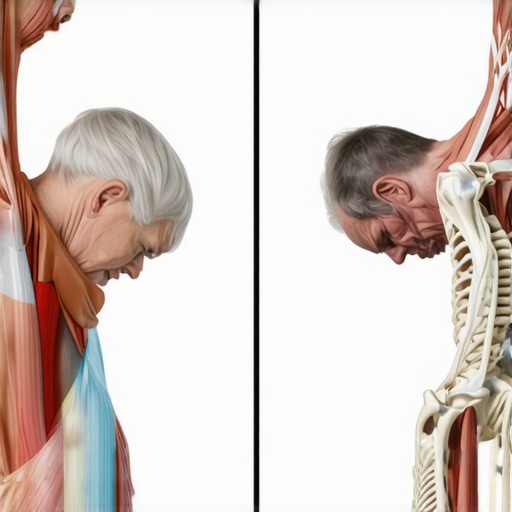
Have you ever felt that sickening crunch in your lower back after a long day, only to realize that your breathing might have played a sneaky role in it? I used to brush off my breath as just a basic life function, but one lightbulb moment changed everything. During a rough week of persistent back stiffness, I noticed how shallow and tense my breathing was, especially when I was stressed or sitting for hours. It was as if my lungs were only halfway engaged, and my lower back paid the price—and I was completely unaware of this connection at first.
The Hidden Link Between Breathing and Back Stability
It turns out that your breathing pattern isn’t just about oxygen—it fundamentally affects your core stability and, consequently, your lower back health. When you breathe shallowly or hold your breath, you’re unintentionally weakening your diaphragm and the deep core muscles that support your spine. Over time, this imbalance puts extra stress on your lumbar region, leading to discomfort, stiffness, or even injury. The good news? Small breathing adjustments can make a significant difference in your back’s resilience.
Is Your Breath Actually Wrecking Your Back?
Early in my journey, I made a crucial mistake: I believed that back pain was solely about physical strain or posture. What I didn’t realize then was that my breathing was contributing to the problem. I often held my breath during lifting or stress, unknowingly increasing intra-abdominal pressure and overloading my lumbar discs. Recognizing this mistake allowed me to incorporate mindful breathing techniques, which, as research suggests, can reduce back pain and improve overall stability. For more insights on how to make these changes, check out these expert methods for relief.
If this sounds familiar, you’re not alone. Many people overlook how intertwined their breathing habits are with their spinal health. The next step is understanding WHY this happens and how you can take control of your breath to protect and strengthen your lower back.
end of content.
Master diaphragmatic breathing for better core support
Start by lying flat on your back with knees bent, hands on your belly. Take deep breaths through your nose, feeling your belly rise and fall—imagine inflating and deflating a balloon. I remember practicing this during lazy Sunday mornings, initially feeling awkward as my chest barely moved. Over time, I noticed my deep core muscles engaging more effectively, reducing lower back discomfort.
Practice gradual, rhythmic breathing to activate your core muscles
Set a steady pace
Begin with inhaling for a count of four, holding briefly, then exhaling for a count of four. Consistency is key—repeat for five minutes daily. During my first attempt, I felt my shoulders tense up, but I deliberately relaxed them, focusing solely on breath. This mindful exercise helped me develop better intra-abdominal pressure, which stabilized my lumbar spine.
Incorporate breath awareness into daily activities
During routines like walking, standing, or lifting, consciously slow your breath. For example, before picking up a heavy box, take a deep inhale, brace your core, then exhale slowly as you lift. I caught myself holding my breath during chores, which caused unnecessary strain. Making this a habit changed the way I approach physical tasks, much like coaching your muscles to work together as a team.
Use breath exercises to manage stress and muscle tension
Stress tightens your breathing, leading to shallow, ineffective breaths—especially harmful for your back. Practice box breathing: inhale for four seconds, hold for four, exhale for four, then pause. During a stressful week at work, I set timers to remind myself to do this. It calms my nervous system, relaxes my back muscles, and prevents the tension that often exacerbates existing discomfort.
Progress gradually with advanced techniques
Once comfortable with diaphragmatic breathing, add resistance, such as placing a heavy book on your abdomen during practice to increase engagement. Like building a fortress—layer upon layer—you enhance core strength. I initially struggled with this, feeling my abs tire quickly, but persevered. Over weeks, I built resilience, resulting in noticeably less back pain and greater stability during physical activities.
Remember, integrating these breathing techniques takes practice and patience, but the payoff in back health is invaluable. For deeper insights into how to enhance mobility naturally, visit this resource for expert tips.
Many assume that improving mobility is a straightforward path of stretching and daily movement, but this oversimplifies the complex nature of spinal health. In reality, there’s a nuanced landscape filled with misconceptions that can hinder progress. One common myth is that all mobility issues stem solely from muscle tightness; however, underlying joint restrictions, nerve impingements, and even scar tissue play significant roles, often being overlooked in standard routines.
Another trap is relying exclusively on generic stretching routines without addressing the root causes. For example, forcibly stretching a joint that’s restricted due to cartilage degeneration can exacerbate damage instead of helping it. Advanced practitioners understand that tailored interventions—like targeted chiropractic adjustments—are often necessary for genuine improvement. To explore how chiropractic can identify and treat hidden restrictions, visit this detailed guide.
Is Your Approach To Mobility Missing the Big Picture?
Many individuals focus on superficial flexibility, neglecting the importance of joint integrity, neural mobility, and positional stability. For instance, limited thoracic spine mobility isn’t just about tight muscles; often, it involves joint degeneration or nerve tension that standard stretching won’t resolve. Recognizing these nuances can prevent futile efforts and guide you toward more effective, evidence-based strategies. Research from the Journal of Bodywork and Movement Therapies emphasizes the importance of assessing joint health alongside muscular flexibility before designing rehab programs. Remember, sustainable mobility is about harmony between muscles, joints, and nervous system. For more insights on overcoming persistent restrictions, check out these expert strategies.
Have you ever fallen into this trap? Let me know in the comments.Maintaining your spinal health over the years requires more than just occasional exercises; it demands a strategic approach utilizing effective tools and consistent maintenance routines. One of my top recommendations is investing in a high-quality foam roller, such as the TriggerPoint GRID Foam Roller. I personally use this to release muscle tension in my back and hips, which helps prevent stiffness and improves mobility. Unlike cheaper alternatives, the GRID provides optimal density and durability, making my recovery sessions more effective.
Another indispensable tool is a resistance band set, like the Fit Simplify Resistance Loop Bands. I primarily use these for targeted strengthening exercises that stabilize the core and support spinal alignment. Their versatility allows me to perform CR raving routines at home without the need for bulky equipment, ensuring consistency in my maintenance routine.
For digital support, I rely on apps such as the Pocket Yoga app, which guides me through breathing and stretch routines tailored for back and neck health. The guidance helps me maintain proper posture during exercises and stay mindful of my breathing patterns, reinforcing better core support and tension management.
But tools alone are not enough; regular maintenance is crucial. Scheduling monthly check-ins with a trusted chiropractor, especially one well-versed in spinal mobility like those featured in the comprehensive guides at [this resource](https://quackersspinal.com/chiropractic-secrets-to-restore-your-back-mobility), ensures that subtle joint restrictions or misalignments are addressed before they escalate.
Predicting the future of back and neck health, I believe we’ll see more personalized, data-driven approaches incorporating wearable technology. Devices that monitor your posture and muscle tension in real-time could alert you to bad habits before pain develops, making preventative care more proactive.
How do I keep my mobility and spine health well-maintained over time?
Consistent practices like daily diaphragmatic breathing, combined with periodic manual therapy and the right supportive tools, form the foundation of long-term spinal wellness. Remember, integrating these tools into your routine doesn’t have to be complicated; start with one, like a foam roller, and gradually build your arsenal. For tailored strategies, explore [here](https://quackersspinal.com/mobility-mastery-expert-tips-for-back-pain-prevention-and-recovery) to find what works best for your lifestyle. Take proactive steps today: try incorporating a targeted foam rolling session into your evening routine and observe how your back responds in the coming days. Small, consistent efforts lead to lasting mobility and pain-free living.
Throughout my journey into spinal health, I’ve realized that the most overlooked yet powerful tool is simply our breath. The lightbulb moment came when I noticed that my back pain worsened during stressful moments when my breathing became shallow. This realization led me to understand that proper breathing isn’t just about oxygen—it’s a cornerstone of core stability and long-term back health. Learning to harness your breath can lead to profound, lasting relief that no stretching routine alone can achieve.
Lessons the Hard Way: The Surprising Power of Breath
- Shallow breathing can silently weaken your core, making your lower back more vulnerable to injury. I used to ignore my breath during busy days, unaware that this was exacerbating my pain.
- Adjusting my breathing patterns transformed my recovery process, proving that small, consistent changes can yield significant results. Incorporating diaphragmatic breathing into daily routines became a game-changer.
- Stress management and breathing are intertwined, and mindful breathing techniques like box breathing can alleviate muscle tension, helping your back stay relaxed and healthy.
- Preemptive breath awareness during daily activities helps prevent unnecessary strain. Before lifting or moving, a conscious breath brace can protect your spine and improve stability.
- Progressive breath exercises, such as resistance breath holds, can further strengthen your core support system, offering an extra layer of resilience against pain.
Tools and Resources That Made a Difference
- Expert-guided breathing routines provided clear, practical techniques that I could adopt immediately and that made a noticeable impact.
- The chiropractic strategies complemented my breath training by addressing underlying joint restrictions, creating a holistic approach to mobility.
- Using a simple mobility toolkit, like resistance bands and foam rollers, optimized my recovery and kept my spine aligned and strong.
- Staying proactive with regular chiropractic care ensured that my defenses against back pain remained in top shape, making breath work more effective over time.
Embrace Your Power: A Call to Movement
Believe me, integrating conscious breathing into your routine isn’t just a health tip—it’s a lifestyle shift that empowers you to take control of your back health. Even on your busiest days, taking a few minutes to practice diaphragmatic breathing can reinforce your core, reduce tensions, and prevent pain before it starts.
Imagine a future where your back feels resilient, your posture is supported naturally, and pain is no longer an unwelcome guest. This transformation starts with a single breath—are you ready to give it a try today?
What have you noticed about your breathing during stressful or physical activities? Share your experiences below—I love hearing how these subtle changes make a difference in real life.