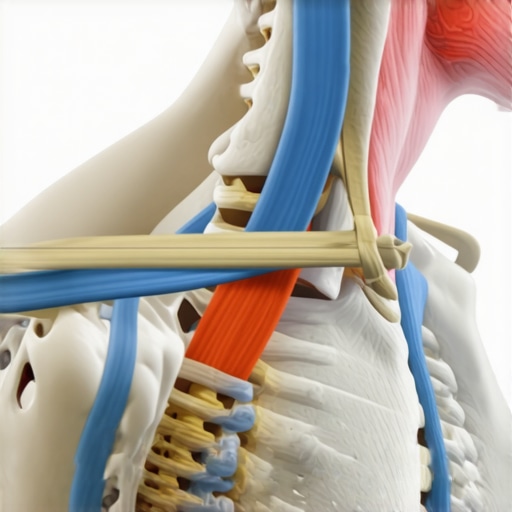
How Your Vision Problems Might Be Causing Your Neck Pain
I still vividly remember the moment I realized my recurring neck aches weren’t just about posture or muscle tension. It was during a routine eye exam when my optometrist pointed out that my eyesight had subtly worsened over the past few months. At the time, I shrugged it off—thinking, “How could my vision possibly relate to my neck?” But soon after, I started experiencing strange neck stiffness and discomfort that felt different from my usual aches. It was a lightbulb moment that changed everything.
Seeing Clearly Might Be Causing Your Neck Pain
Many people don’t realize that your vision problems can influence your neck’s health more than you might expect. When your eyes strain to focus, your body naturally compensates by adjusting your head position, often tilting or twisting to get a clearer view. Over time, this misalignment can lead to chronic tension, joint strain, and even nerve compression, manifesting as persistent neck pain.
Imagine spending hours on your computer or looking at your phone, trying to see better. The constant squinting or leaning forward can cause your neck muscles to overwork, leading to tightness and discomfort. And if your visual system isn’t working harmoniously with your neck and spine, that discomfort can become a vicious cycle.
Research supports this connection. A study published in the Journal of Physical Therapy Science found that eye strain is often associated with neck pain, especially in office workers who spend long hours looking at screens (link to related resource).
So, how do you break free from this cycle? First, it’s crucial to recognize whether your vision needs a check-up—sometimes, simply updating your glasses prescription or addressing eye strain can drastically reduce neck tension.
But it doesn’t end there. Persistent discomfort may require a comprehensive approach that considers both your visual and musculoskeletal health. As someone who has navigated these confusing signs firsthand, I understand how frustrating it can be to identify the root cause. The good news is, with the right guidance, you can find relief and restore your natural mobility.
In the sections ahead, I’ll share practical steps and expert insights to help you determine if your vision issues might be playing a part—and what you can do about it. Are you ready to uncover hidden links that could be the key to ending your neck pain?
Assess Your Visual Needs First
Start by scheduling an eye exam with an optometrist or ophthalmologist to check if your prescription needs updating. Last year, I struggled with increasing neck stiffness, only to find my glasses prescription was outdated. After my new glasses arrived, I noticed immediate relief in my neck tension, proving how critical this step is.
Set Up Your Workspace for Comfort
Optimize your screen height and distance to avoid unnecessary head tilts. Use a adjustable monitor stand or ergonomic accessories. I once tried to work with my laptop on a stack of books; the next day, my neck was sore from looking down. Correcting my monitor height significantly reduced my discomfort.
Practice Gentle Eye and Neck Exercises
Perform daily routines that relax both eyes and neck muscles. For example, the “20-20-20” rule—every 20 minutes, look at something 20 feet away for 20 seconds—can reduce eye strain. Combine this with neck stretches like slow tilts and rotations. I set a timer to remind myself, and over a week, my neck stiffness lessened because of these proactive habits.
Incorporate Chiropractic Strategies
Visiting a qualified chiropractor can help restore proper alignment, reducing compensatory neck movements caused by eye strain. Regular adjustments improve mobility and diminish pain. I experienced noticeable progress when I integrated monthly chiropractic visits into my routine, especially maintaining better posture after each session.
Use Targeted Mobility Drills
Engage in specific drills that improve neck mobility and release muscle tension. Techniques like chin tucks, scapular squeezes, and thoracic extensions are effective. I dedicated five minutes daily to these, witnessing a gradual decrease in stiffness and improved range of motion.
Maintain Proper Posture Throughout the Day
Be mindful of your sitting and standing posture. Keep your shoulders back and your head aligned over your spine. Set reminders to check your posture regularly. When I caught myself slouching during long calls, I straightened up and felt instant relief, reaffirming how posture impacts neck health.
Limit Prolonged Screen Time and Take Breaks
Avoid staying fixed on screens for hours. Break every 30 minutes with movement or eye relaxation exercises. I used a timer to get up and walk around, which broke the cycle of muscle overuse and helped sustain better neck comfort through the day.
Prioritize Sleep and Pillow Support
Use a supportive pillow that maintains your neck’s natural curve. Sleep on your back or side, avoiding stomach positions that twist the neck. After switching to a cervical pillow, I noticed a significant reduction in morning neck stiffness.
Seek Expert Guidance When Needed
If neck pain persists despite these measures, consult healthcare professionals—chiropractors, physical therapists, or vision specialists—who can provide personalized treatment plans. I found that integrating their advice accelerated my recovery and improved my overall mobility, making daily activities less painful.
Myth Busting: Why More Exercise Isn’t Always Better
Many enthusiasts and even health professionals believe that increasing the volume and intensity of workouts accelerates recovery from back or neck issues. However, this overlooks a crucial nuance: improper or excessive stretching and strengthening can exacerbate existing problems. For instance, aggressive stretching of tight hamstrings might seem beneficial but can actually irritate the sciatic nerve, worsening pain (source). The key is targeted, controlled movements tailored to your specific issue, rather than blindly following generalized routines.
Common Fault: Believing Chiropractic Care Is a Quick Fix
While chiropractic adjustments can offer immediate relief and improve mobility, assuming it’s a one-time solution is a trap. The real benefit comes from understanding that adjustments address the symptoms, not the root cause. Without integrating exercises, posture modifications, and lifestyle changes, pain may reemerge. A comprehensive approach, including professional guidance from specialists like those at our team, ensures long-term results.
What About the Neck and Back Connection?
Advanced practitioners are often aware that neck and back pains are not isolated issues but part of a complex musculoskeletal web. For example, poor pelvic alignment can influence neck tension through fascial connections and chain reactions in muscle activation. A study in the Journal of Bodywork and Movement Therapies emphasizes the significance of holistic assessments to identify contributions from secondary structures that many overlook (more insights here). Recognizing this interconnectedness helps avoid misguided treatments that only target localized pain.
Beware the ‘Quick Fix’ Mentality and Its Cost
One of the most insidious traps in back or neck pain management is the desire for instant results—like hoping to crack your own neck or perform a one-off foam rolling session to fix weeks of discomfort. These shortcuts often provide temporary relief but can lead to worse issues if they promote improper techniques or ignore underlying deficits. Instead, adopting a strategic, evidence-based plan—like those found at our detailed guides—yields sustainable mobility improvements.
Let’s dig deeper into this subject. Are you falling prey to any of these misconceptions? Share your experiences or doubts in the comments—together, we can navigate a smarter path to pain-free movement.Maintaining your spinal health over time requires more than just exercises; it demands the right tools and consistent upkeep. One of my personal favorites is a high-quality foam roller, specifically the RumbleRoller, which I use daily to release muscle fascia and prevent tightness. It’s versatile for targeting areas like the thoracic spine and lumbar region, ensuring that my mobility stays optimal. Additionally, investing in an ergonomic chair with adjustable lumbar support and a Sit-Stand desk setup has transformed my work routine, reducing strain and encouraging better posture throughout the day. These tools have proven invaluable for long-term results, especially when combined with regular chiropractic adjustments. Prediction-wise, the future points toward smart devices with biofeedback integration, which can alert you when your posture deteriorates or tension begins to build, enabling proactive care without waiting for pain to strike.
The Unexpected Lessons That Changed Everything About Mobility
One of the most eye-opening lessons I learned was that addressing physical symptoms without considering the root cause often leads to only temporary relief. For example, working on posture alone didn’t fully solve my neck pain until I discovered that my visual health played a significant role—highlighting how interconnected our systems truly are.
Another revelation was realizing how much simplification can be powerful. Instead of complex routines, focusing on targeted, consistent movements like chin tucks and scapular squeezes yielded better results over time, emphasizing the importance of quality over quantity in mobility exercises.
Lastly, I understood that investing in small, strategic tools—like ergonomic accessories and a good foam roller—can be game-changers. These aren’t just gadgets; they’re essential companions on the journey to sustainable relief, proving that the right environment and habits make all the difference.
My Secret Toolbox for Lasting Relief
Heat therapy with a heating pad helps soothe tense muscles and is something I swear by for quick comfort. My favorite book, Move Your DNA by Katy Bowman, shifted my perspective on natural movement, inspiring me to incorporate more deliberate, functional motions into daily life. For professional guidance, I trust the expertise shared at this resource, which offers practical steps rooted in holistic care. Lastly, I’ve found that regular consultations with a chiropractor who understands my unique needs keep my mobility on track and help prevent setbacks.
Your Next Step Toward Freedom of Movement
Remember, restoring and maintaining mobility is a proactive journey—one that’s worth every bit of effort. By integrating these insights and tools into your routine, you unlock the possibility of a pain-free, vibrant life. Stay curious, be gentle with yourself, and don’t hesitate to reach out for personalized guidance at our contact page. Your future self will thank you for it!