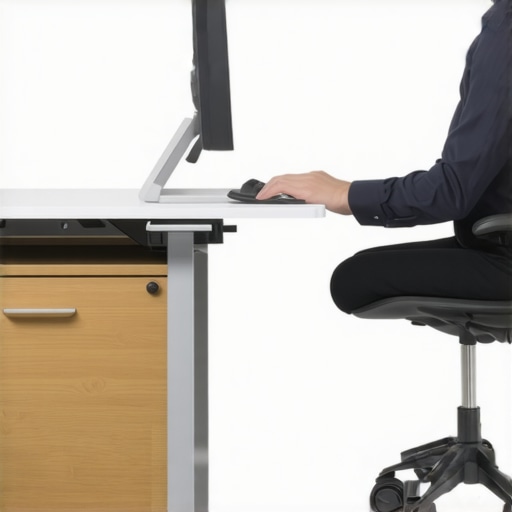
The Truth About Built-In Lumbar Support in Modern Chairs
Ever find yourself slouching in your office chair, trying to ignore that nagging lower back ache, only to realize halfway through the day that your posture feels worse than when you started? I used to think that buying a fancy chair with built-in lumbar support would be the answer to my back pain woes. But spoiler alert: it wasn’t. My lightbulb moment came when I finally figured out that these built-in supports are not always the miracle solution companies claim them to be. If you’ve been fooled into thinking that a chair’s lumbar support will automatically fix your back issues, you’re not alone, and today, we’re going to set the record straight.
Why Built-In Lumbar Support Might Be Doing More Harm Than Good
Could Your Chair Be Sabotaging Your Spine?
In the quest for comfort, many of us settle for modern chairs boasting sleek designs and claims of superior ergonomic support. But the truth is, these built-in lumbar supports are often a one-size-fits-all solution, which rarely fits all. I learned this after making a critical mistake early on: assuming that a chair’s design alone could align my spine perfectly. The result? Persisting discomfort and, paradoxically, worse posture. It turns out, personalized support tailored to your unique spinal curvature is what truly makes a difference.
Research supports this notion, revealing that “customized lumbar support significantly improves seat comfort and reduces back strain” (Source: National Institute of Health). Yet, many manufacturers overlook this, favoring generic curves that may not match your anatomy.
So, if your experience resembles mine, where the built-in lumbar support feels more like a gimmick than a fix, don’t despair. Understanding what your spine needs is the first step toward real relief. Next, we’ll delve into how to identify the support that works for you—and, more importantly, how to find solutions that actually restore mobility and reduce pain.
Are you tired of fighting with your chair and feeling like nothing helps? Stay tuned, because we’re about to uncover practical strategies that go beyond the hype. Whether you’re working long hours or just seeking better posture, knowing the truth can empower you to make smarter choices for your back health.
Identify Your Unique Support Needs
Start by assessing your spine’s natural curvature. Sit in a comfortable position and use a mirror or record yourself to observe areas that feel most strained. I once spent a week recording my sitting habits, noticing moments I hunched forward during long calls. This self-awareness helped me realize that generic lumbar supports don’t fit all and emphasized the importance of tailored support.
Map Out Your Posture Patterns
Track your daily activities to find recurring postural issues. For instance, I noticed that after prolonged laptop work, my neck and upper back stiffened. Using this insight, I adjusted my workstation ergonomics and incorporated specific stretches, which I found in chiropractic techniques, to target those tight spots directly.
Customize Your Support System
Choose supportive tools that adapt to your needs — adjustable lumbar cushions, ergonomic chairs with customizable lumbar support, or even DIY solutions like rolled towels. I experimented with different pillows behind my lower back and discovered that a medium-density memory foam pillow reduced my discomfort significantly. Remember, support should be dynamic; what works today might need tweaking as your posture improves.
Implement Dynamic Movements Throughout the Day
Sit less, move more. Incorporate micro-movements like periodically standing, stretching, or shifting your position. I set a timer to remind me every 30 minutes, performing quick stretches or walking around. These habits prevent static postures that often lead to stiffness and pain, aligning with strategies in back mobility recovery.
Apply Targeted Mobility Exercises
Engage in specific stretches and exercises to reinforce spinal flexibility. The ‘bird dog’ is excellent for strengthening core stability without risking misalignment. I practiced this move daily, initially wobbling but gradually gaining control, which helped alleviate persistent low back tension. Integrate these exercises gradually, focusing on controlled, pain-free movement.
Focus on Breathing for Muscle Relaxation
Deep diaphragmatic breathing relaxes tense muscles and enhances posture awareness. I struggled with tension in my upper chest, which pulled my shoulders forward. Learning to breathe deeply into my belly reduced that tension and improved my overall alignment. Breathing exercises can be incorporated into your routine in as little as two minutes, as highlighted in simple daily habits.
Evaluate and Adjust Constantly
Your support setup isn’t a one-time fix. Regularly reassess your posture and comfort levels. I rotated my support devices and adjusted my workstation monthly, ensuring continued relief. If persistent discomfort occurs, consulting a professional can prevent chronic issues and fine-tune your support system. Techniques from chiropractic care can be especially effective for personalized adjustments.
Many individuals believe that simply strengthening muscles or stretching routines will resolve complex back and neck issues. However, this oversimplification often leads to missing critical nuances that can make or break recovery. For example, a common myth is that all mobility exercises are universally beneficial; in reality, some movements can exacerbate underlying problems if not tailored correctly. Engaging in aggressive stretching without understanding the root cause can lead to overstretching ligaments and destabilizing the spine, which is a mistake many make during self-rehabilitation. Moreover, many think chiropractic adjustments are a quick fix—while they can be effective, over-relying on them without addressing posture habits and lifestyle factors can result in temporary relief rather than lasting change. To truly master back and neck health, it’s essential to recognize the importance of diagnostic precision and personalized correction strategies. Consulting professionals skilled in comprehensive assessment can prevent costly setbacks. Remember, superficial solutions often ignore the intricate interplay between spinal alignment, muscular balance, and nervous system functioning. For instance, studies indicate that addressing compensatory movement patterns through targeted rehab improves long-term outcomes more than generic mobility routines (Source: Revitalize Your Mobility). Don’t fall into the trap of one-size-fits-all advice—your body’s nuances demand a customized approach. Have you ever fallen into this trap? Let me know in the comments. For more advanced insights, exploring simple yet effective chiropractic hacks can help refine your strategy.
Staying Consistent Demands the Right Equipment
Maintaining spinal health over the long run requires more than just awareness; it hinges on having the right tools that integrate seamlessly into your daily routine. Personally, I rely on a detailed assessment of each device’s impact. For example, my adjustable lumbar cushion allows me to customize support throughout the day, ensuring that I address subtle shifts in my posture. This personal approach is echoed in simple yet effective chiropractic hacks that emphasize tailored solutions for sustainable relief.
High-Quality Posture Monitors and Apps
Technology has made it easier than ever to keep track of your posture with minimal effort. I use a posture alert app paired with a discreet wearable device that vibrates when I slouch. This immediate feedback helps me correct habits before they become habits I regret. As I’ve found, consistent use of such tools fosters long-term change, aligning with the evolving trend toward smart health devices. In the future, I predict a rise in AI-driven posture analysis that adapts support strategies in real time, providing a truly personalized experience.
Why Regular Mobility Tools Keep Progress Going
Incorporating mobility tools like resistance bands or foam rollers into a daily routine can significantly enhance flexibility and prevent setbacks. I use a compact foam roller designed for upper back release; I keep it by my desk for quick tension relief. The key is consistency—these tools serve as a proactive way to maintain gains achieved through chiropractic care or targeted exercises. For example, I regularly perform the restorative chiropractic strategies combined with my own self-management techniques, which include mobile aids that support maintenance.
How do I maintain mobility tools over time? An Expert’s Take
Keeping your equipment in top shape is crucial for ongoing benefit. I recommend periodically inspecting your foam rollers for cracks, replacing worn resistance bands, and cleaning adjustable supports to prevent dust buildup. Based on insights from chiropractic secrets, routine checks ensure your tools remain effective and avoid injury due to deterioration. Additionally, integrating these tools into a disciplined routine—such as morning stretches with resistance bands—can dramatically enhance your initial progress and longevity.
Scaling Up Confidence and Results
If you’re serious about long-term results, investing in quality equipment that can grow with your needs is essential. Adjustable support systems, versatile mobility devices, and smart technology will increasingly become staples in proactive spinal health maintenance. As this trend develops, expect innovations like AI-driven postural feedback and adaptive correction devices that make self-care even more precise and effortless.
Try incorporating a personalized support device or app into your daily routine today. Small, consistent actions compound over time, translating to less pain, improved mobility, and a more resilient spine. For a deeper dive into chiropractic techniques that support ongoing maintenance, check out proven strategies for back pain relief.
The Hardest Lesson I Learned About Mobility and Back Pain
One of the most profound lessons I discovered was that no single support or gadget could replace a personalized approach. Early on, I was tempted to rely solely on gimmicks—fancy chairs, trendy stretches, or quick fixes—believing they would solve years of misaligned posture. But I learned that understanding my body’s unique needs was the real game changer. Recognizing that support must adapt and evolve was a lightbulb moment that transformed my entire strategy.
My Go-To Resources for Lasting Back Health
Over time, I’ve curated a set of tools and sources that genuinely help me maintain mobility and pain relief. First, the simple yet effective chiropractic hacks guide has become my go-to for quick adjustments and habits. I trust the insights from back mobility strategies because they’re evidence-based and tailored to real-world application. Additionally, a good ergonomic support system and mobility tools I’ve tried, like adjustable lumbar cushions and foam rollers, have proven essential for ongoing relief.
Why Taking Charge of Your Spinal Health Matters
Ultimately, my experience reinforced that empowering yourself with knowledge and the right tools creates lasting change. It’s tempting to wait for pain to force action, but proactive support—using personalized supports, regular mobility exercises, and mindful habits—can prevent setbacks and keep your spine resilient. Remember, real progress comes from sustained effort and listening to your body. If you’ve been relying on generic solutions, consider exploring tailored strategies that respect your unique anatomy and movement patterns. Start today by integrating small, purposeful steps—like using targeted exercises or ergonomic adjustments—and watch how your mobility improves over time. Embark on this journey now; your future self will thank you.