The 2-minute drill to stop your legs from falling asleep while sitting
Imagine this scenario: you’re sitting comfortably, perhaps binge-watching your favorite series or working on a critical project, when suddenly, your legs go numb. It’s an all-too-familiar feeling that creeps up unexpectedly, leaving you annoyed and concerned about your circulation or nerve health. I remember the first time it happened to me during a long conference call. I ignored it, brushed it off as mere pressure, but the numbness persisted. That lightbulb moment made me realize just how often I was neglecting simple but effective strategies to keep my legs awake and my blood flowing.
Keep Your Legs Awake in Just Two Minutes
Today, we’re diving into a straightforward, no-fuss technique that I personally rely on—one that takes only about two minutes but can make a significant difference in your comfort and mobility. This isn’t about complex exercises or expensive gadgets; it’s about quick, intentional movements and habits you can incorporate anytime you’re seated for extended periods. Trust me, mastering this can prevent discomfort, improve circulation, and even protect your nerves from unnecessary compression or irritation. If you’re tired of feeling that tingling sensation creeping into your legs and want a practical solution, you’re in the right place. And if this has ever happened to you—let me know in the comments—I understand exactly how frustrating it can be.
Why Is Sitting for Long Periods So Dangerous?
Sitting for lengthy periods is more than just a lack of comfort; it can seriously impact your health. According to recent studies, prolonged sitting can lead to poor circulation, nerve compression, and increased risk of metabolic disorders. The culprit often lies in the way we position ourselves and our lack of movement. Early on, I made a mistake of ignoring these signs, thinking that taking short breaks wasn’t necessary. But over time, I realized that even simple movements could drastically improve how my legs felt. You can learn more about how posture affects your mobility by checking out this comprehensive posture guide.
So, what’s the secret to breaking this cycle and keeping your legs awake and healthy? It boils down to strategic, easy-to-do actions that re-energize your circulation and nerve pathways. I promise, once you get the hang of it, these quick drills will become a natural part of your sitting routine. Ready to gain some relief and stay mobile? Let’s move forward and explore how you can do this in just two minutes.
Trap the Numbness with Simple Movements
One of my first attempts was during a long movie night at home. I paused the film, stood up, and sat down in a different position, then performed a quick leg shake. Immediately, I felt a rush of fresh blood. To replicate this, start by crossing and uncrossing your legs rapidly—think of it as flicking a switch that boosts circulation. Follow by ankle circles: rotate your ankles clockwise and counter-clockwise for 10 seconds each. This action works like opening floodgates, encouraging blood flow to your lower limbs. When I incorporated this during a conference, I noticed the tingling fade within a minute, reaffirming how simple movements can be powerful.
Break the Static Posture with Dynamic Shifts
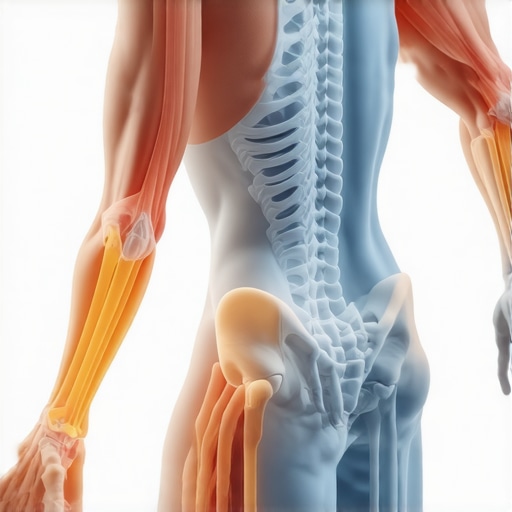
Next, alter your seated position to prevent nerve compression. Slide forward slightly, then arch your back gently, holding for a few seconds as if you’re making space around your lumbar spine—similar to opening a window in a stuffy room. Shift your weight onto one side, then the other. I’ve found that, especially on long flights or sedentary work, these micro-movements can create a significant difference. Remember, your spine and nerves crave movement, much like a garden needs watering. For an extra boost, try the pelvic tilt: gently rock your pelvis forward and back, which helps realign your lower back muscles. You can read more about back health here: understanding back pain and posture.
Activate Blood Flow with Quick Dynamic Exercises
Involving your whole lower body, these exercises reset circulation much like clearing a clogged pipe. Stand up, then do a mini jump or a quick walk around the room—think of waking up your legs as you would wake up a computer with a restart. If space is limited, perform seated leg lifts: lift each leg individually, keeping your knee bent at 90 degrees, then lower slowly. This isolates the muscles and restores blood movement. I once tried doing seated marches in a cramped cubicle, and the immediate relief from numbness convinced me of their practicality. Remember, these exercises work best if done briskly but safely—your goal is to get the blood pumping, much like a car engine revving after a slow start.
Leverage Posture Hacks for Longer Benefits
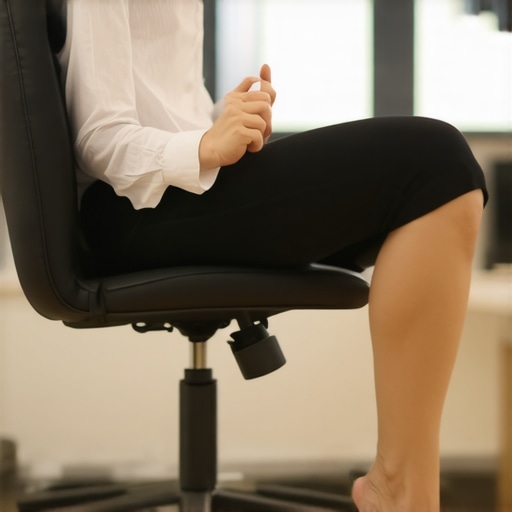
Finally, adopt posture habits that support ongoing blood flow. Sit back fully in your chair, with your feet flat on the floor, and avoid crossing your legs for extended periods—your body’s built for symphony, not static silence. Also, adjust your chair height appropriately; hips should be level or slightly higher than knees. I learned this the hard way when I caused unintended nerve compression by sitting too low, which exacerbated numbness. Incorporate these micro-adjustments regularly, just like tuning a musical instrument, to maintain harmony in circulation and nerve health. For more intent on preserving mobility, explore this guide: restoring back mobility with chiropractic.
Many individuals believe that chiropractic treatment is solely about quick fixes—cracking bones and immediate relief. However, this misconception overlooks the nuanced, comprehensive approach that truly fosters long-term health. For example, some think that chiropractic adjustments can cure all forms of back pain instantly, but in my experience, the most effective strategies involve understanding the underlying posture and movement patterns contributing to the issue. Relying solely on adjustments without addressing habits can lead to recurring problems, as highlighted in studies emphasizing the importance of integrating lifestyle modifications alongside chiropractic care here.
Maintaining your spinal health and mobility requires more than quick fixes; it demands the right tools and consistent habits. Personally, I rely on specific equipment and methods that have stood the test of time, ensuring long-term results. One staple in my routine is the use of a high-quality foam roller. I prefer the TriggerPoint GRID Foam Roller because its textured surface allows me to target tight muscles around my spine and hips effectively. Regular foam rolling helps prevent muscle imbalances that contribute to back pain and poor posture. I incorporate it daily, especially after long hours at the desk, to keep my tissues pliable and ready for movement.
Another essential tool I recommend is a balance disc. Sitting on a balance disc during work sessions challenges your stabilizers, promoting better posture and core engagement. I’ve found that switching from static chairs to a balance disc significantly reduces my discomfort and improves my focus. Besides, it can be used during exercises to enhance proprioception, which is crucial for preventing future injuries.
On the software side, I swear by posture-tracking apps like this comprehensive posture guide. These apps remind me to check my alignment throughout the day, using gentle alerts when I slouch or lean forward. This continuous feedback arms me with awareness, preventing habits that lead to long-term issues. As technology advances, integrating biofeedback devices will become even more effective in maintaining spinal health naturally.
Looking ahead, I believe the trend will lean heavily toward personalized, AI-driven monitoring systems that analyze your movement patterns in real time. Imagine a smart device that not only alerts you to poor posture but offers tailored exercises to correct it instantly. This proactive approach could dramatically reduce the progression of chronic neck and back pain, empowering you to stay mobile longer.
How can I keep my mobility and posture habits effective over the years?
To sustain your improvements, it’s crucial to incorporate ergonomic assessments and regular check-ins with a specialist. I’ve personally used chiropractic techniques that focus on freeing restricted movements and reinforcing good habits. Additionally, scheduling periodic evaluations helps catch misalignments early before they develop into persistent pain. Combining these sessions with self-care tools like foam rollers and balance devices creates a comprehensive, long-term strategy. Remember, consistency is key, and staying educated about your body’s signals enables timely adjustments. For a deeper dive into maintaining your mobility safely, check out this restoration guide. Don’t hesitate to experiment with these tools—try integrating a foam roller after your next long day, and observe how your body responds.
What I Wish I Knew When I Started Treating Spinal Health
One of the hardest lessons I’ve learned is that quick fixes aren’t the answer. Long-term mobility comes from consistent habits, not miracle cures. I once believed that a single adjustment could solve chronic issues, but I soon realized that empowering patients with daily routines yields lasting results. This insight has reshaped my entire approach to care.
Another revelation was understanding the true importance of posture beyond aesthetics. Proper alignment isn’t just about looking good—it’s about nourishing your nerves and blood flow, preventing pain before it starts. I now emphasize education on daily habits that support lasting spinal health, because sometimes, knowledge is the missing piece in the recovery puzzle.
Finally, I’ve discovered that every individual’s body tells a unique story. Listening closely to subtle cues and tailoring advice accordingly creates more meaningful progress. This personalized approach has helped countless patients regain mobility and confidence that they feared were lost.
My Essential Toolbox for Maintaining Mobility and Combating Pain
If you’re serious about preserving your mobility, these tools have become staples in my practice. First, the chiropractic techniques that focus on movement—like gentle adjustments combined with active exercises—are proven to restore function efficiently.
The TriggerPoint GRID Foam Roller is a personal favorite. Its textured surface allows me to target tight muscles, prevent imbalances, and enhance tissue quality consistently. Regular foam rolling before or after activities supports flexibility and reduces the likelihood of injury.
In addition, an adjustable balance disc provides ongoing engagement of stabilizer muscles during work, helping me maintain good posture even in sedentary settings. These simple tools empower you to take control of your health daily, rather than waiting for problems to escalate.
Finally, I rely on a posture-tracking app to keep me aware of my body’s signals. These technologies serve as gentle reminders and make maintaining proper alignment more manageable amidst busy routines.
Believe in Your Power to Enhance Spinal Wellness
The future of chiropractic and mobility is about integrating these habits into your everyday life, turning small actions into transformative results. Remember, your body responds incredibly well to consistent care and mindful movement. Don’t wait for pain to force change—start today with simple, effective steps, and watch your mobility flourish. Your journey toward a healthier spine is within your grasp—embrace it with confidence.
What’s one habit you’ve found effective in maintaining your mobility? Share below—I’d love to hear your experiences!