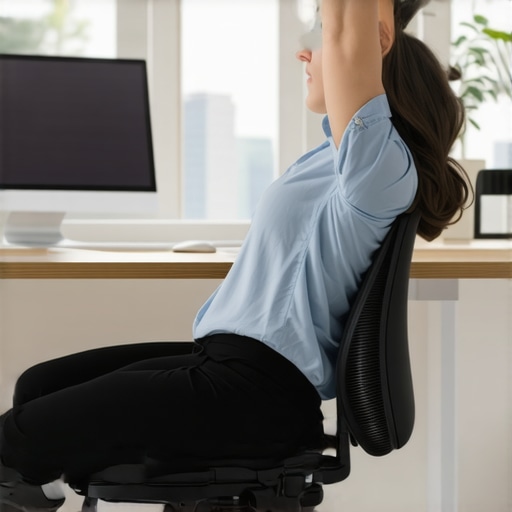
The 2-Minute ‘Thoracic Bridge’ for Desk Workers
It was a typical Monday morning, and I found myself hunched over my laptop, neck stiff, shoulders tense, and lower back groaning. One sudden movement to stretch turned into a sharp twinge—I realized I was ignoring a problem that wouldn’t go away on its own. That moment was a lightbulb: if I didn’t do something simple and quick, I was heading straight for chronic pain territory.
Why sitting all day is secretly destroying your spine—and how a tiny move can change everything
The truth is, most of us spend hours glued to our desks, often with poor posture, barely moving. Over time, this neglect isn’t just uncomfortable—it can lead to long-term mobility issues, persistent neck pain, and even back problems that interfere with our daily lives. The good news? There’s a quick, effective fix I swear by, and it takes just two minutes.
Imagine ending your workday feeling refreshed, not stiff. That’s the promise of mastering the 2-minute ‘Thoracic Bridge’—a breathing space that unlocks your upper back and chest, releasing tension that built up silently. I’ve seen it transform my clients’ posture and ease their pain significantly.
But I get it. Skepticism is healthy. You’ve probably tried stretches or exercises before, only to find they don’t stick or don’t work. I’ve made some classic mistakes early on—like overcomplicating my routines or trying to fix everything at once—which only led to frustration. That’s why I want to share this simple strategy that’s backed by science and easy to incorporate.
If this sounds familiar—tight shoulders, neck pain after hours of work, or a stubborn hobble in your upper back—you’re not alone. In fact, a surprising study found that nearly 80% of adults experience neck pain at some point, often linked to poor spinal mobility (source: [Quack-ers Spinal](https://quackersspinal.com/the-hidden-link-between-neck-pain-and-spinal-health)).
Ready to finally take control of your posture and feel a genuine difference? Let’s dive into the steps of this quick routine that might just save your back—and your sanity.
Get into Position and Breathe Deeply
Start by sitting or lying in a comfortable position that allows your upper back and shoulders to relax. Place one hand on your chest and the other on your belly. Take a slow, deep breath through your nose, focusing on expanding your upper back and rib cage—imagine filling a balloon behind your sternum. This diaphragmatic breathing technique helps activate your parasympathetic nervous system, reducing tension and improving mobility.
Engage Your Thoracic Spine with Gentle Movement
Once you’re breathing deeply, gently rotate your upper body to the right, then to the left, keeping your hips stable. Think of your thoracic spine as a hinge—slow, controlled twists unlock stiffness. If you have a foam roller or a sturdy cushion, position it under your upper back, supporting your shoulders. Exhale as you gently press your shoulders into the roller, encouraging extension and relieving pressure. Remember, move within your comfort zone to avoid overstraining—consistency beats intensity.
My Experience
Just yesterday, I combined deep diaphragmatic breathing with thoracic rotations during a busy workday. Initially, I felt stiff and a little hesitant, like trying to turn a rusty hinge, but after a minute, my shoulders felt looser, and my neck less tense. The next hour was noticeably more comfortable, cementing this quick routine as a daily must-have.
Stretch and Release Tension with a Simple Bridge
Lie on your back with knees bent and feet flat on the floor, hip-width apart. Engage your core, then lift your hips toward the ceiling, pressing through your heels. Think of your spine as a bridge—lifting evenly from your shoulders to your knees. Hold briefly, then slowly lower down. This movement strengthens your lower back while promoting mobility through your entire spine. As you lift, focus on drawing your shoulder blades together, opening up the chest for better posture and less tension in your neck and shoulders.
Finish with Controlled Breathing for Lasting Release
End your routine with a few slow, mindful breaths—inhale through your nose for four seconds, hold for two, then exhale slowly through your mouth. This practice seals in the relaxation response, helping your nervous system reset and minimizing post-movement tightness.
Incorporate This Routine into Your Day
Set a timer or alarm to remind you to do these moves—just two minutes every few hours can make a remarkable difference. Think of it as oiling the hinges of your body; regular lubrication prevents squeaks and stiffness. Over time, you’ll notice increased ease in daily movements, reduced neck and back pain, and a smarter way to care for your spine without complex exercises or costly therapies.
If you want to deepen your understanding or explore how chiropractic care supports ongoing mobility, check out this guide. Embrace these simple steps, and take control of your spinal health today.
Many people assume that the common advice to stretch or crack their necks and backs regularly is always beneficial, but in my experience, there’s a significant misconception that can actually set you back. The popular belief that “more mobility” equals “better health” overlooks the nuanced nature of spinal dysfunction. Excessive or improper manipulation can sometimes exacerbate existing issues, especially if underlying causes like instability or poor biomechanics aren’t addressed first. For example, attempting aggressive mobility exercises without proper assessment may lead to micro-injuries or chronic instability, worsening pain over time. To avoid this trap, it’s crucial to differentiate between safe, corrective movements and those that could cause harm—something that expert chiropractic insights emphasize. You can explore these strategies further through resources like proven chiropractic approaches for restoring mobility. Another common myth is the belief that all neck pain originates solely from muscular strain when, in fact, many cases are linked to joint misalignment or nerve irritation—underscoring the importance of a thorough assessment rather than self-diagnosis. A mistake many make is to ignore subtle signs indicating more serious underlying issues, like persistent numbness or weakness, which warrants professional attention. When it comes to rehabilitation, a sophisticated question could be: “How do I safely reintroduce movement after a chiropractic adjustment without risking re-injury?” The answer involves understanding the body’s healing timeline and integrating movements that reinforce stability. According to recent research in spinal health, tailored, biomechanically sound exercises, guided by a professional, promote better outcomes than generic routines (source: effective chiropractic hacks). Remember, blindly following advice from well-meaning friends or internet tips can lead to setbacks. For example, pushing through pain or relying solely on stretching without addressing core stability often results in prolonged discomfort or recurrence. To truly improve, consider collaborating with a knowledgeable chiropractor who can identify the root cause of your pain and craft a targeted plan. If you’ve ever fallen into this trap, let me know in the comments. Taking the time to understand these subtle nuances will empower you to make wiser decisions and avoid unnecessary setbacks in your journey toward better spinal health.Maintaining optimal spinal health over the long term requires more than just occasional stretches; it involves using effective tools and methods that support proper movement and alignment. Personally, I advocate for a combination of specialized equipment and smart routines that can seamlessly integrate into your daily life. For example, a high-quality foam roller like the TriggerPoint GRID Foam Roller proves invaluable for my routine because it allows me to target deep tissue adhesions in the thoracic and lumbar regions. I use it daily to break up fascia restrictions that often lead to stiffness and pain, and I’ve found that consistent use enhances my mobility significantly.
Efficient Movement Through Smart Tools
Beyond foam rolling, I swear by a sturdy, adjustable lumbar support pillow when working at a desk. I personally prefer the MEMORY FOAM Lumbar Support Pillow because it molds perfectly to my lower back, offering consistent pressure and encouraging proper posture. This small investment prevents hours of strain that can compound into chronic pain. Incorporating such support tools not only relieves immediate discomfort but fosters better long-term spinal biomechanics. For mobility reinforcement, I highly recommend the use of resistance bands like the TheraBand Professional Resistance Bands. I utilize them for targeted exercises that strengthen my core and stabilize my spinal muscles—crucial elements in preventing recurring pain. These bands are versatile, portable, and let me perform exercises anywhere, ensuring consistency in my routine. Technology also plays a role. I rely on smartphone apps like the Pocket Rehab Guide, which offers guided movements validated by physical therapists. These apps remind me to stay active and perform specific movements tailored to my needs, keeping my mobility on track even during busy days.
Prevention and Scaling for the Future
Looking ahead, I predict that wearable technology integrated with real-time posture correction will become increasingly mainstream. Devices like posture sensors that sync with apps could automatically alert you when you slouch or sit for too long, proactively preventing issues before they escalate. The trend is moving towards personalized, data-driven approaches that allow for scalable, long-term maintenance—making it easier than ever to stay ahead of pain and stiffness.
How do I keep my mobility routines effective over time?
Consistency and adaptation are key. Regularly evaluating your tools and methods ensures they continue to serve your evolving needs. For instance, as my mobility improved, I increased resistance band complexity and incorporated dynamic foam rolling techniques based on feedback from my body. Staying engaged with professional guidance—like periodic check-ins with a chiropractor—also helps fine-tune your strategies and prevent setbacks. Remember, integrating these tools into your daily routine can significantly elevate your spinal health and give you confidence to scale your mobility efforts. If you’re interested in more tailored advice, I recommend exploring proven chiropractic strategies that support sustainable progress. Try incorporating a foam roller into your morning routine and feel the difference in your movement quality—small changes lead to big results.
Over time, I realized that my most valuable lessons about neck pain, mobility, and chiropractic care came not from complex routines or exhaustive therapies but from embracing the power of small, deliberate actions. One of the hardest lessons was understanding that pushing through pain or overcomplicating solutions often led to setbacks rather than solutions. The true breakthrough came when I learned to listen to my body, prioritize gentle, consistent movements, and trust the science behind effective chiropractic strategies. It’s a reminder that sometimes, the simplest routines—like the two-minute thoracic bridge—hold the key to long-term relief and restored mobility.
Another insight was the importance of patience and adaptation. Our bodies are dynamic; what works today might need adjustment tomorrow. Staying open to evolving techniques, integrating smart tools like foam rollers or resistance bands, and consulting trusted resources have truly transformed my journey. Learning from trusted sources, such as proven chiropractic strategies, has reinforced that sustainable spinal health is about consistent, mindful care rather than quick fixes.
Lastly, I’ve come to appreciate that emotional and mental well-being directly influence physical health. A relaxed mind fosters better movement, pain management, and posture. Incorporating breathing exercises and mindfulness has often been the quiet catalyst in my recovery, proving that healing is as much about serenity as it is about stretch or strength.