The 30-second glute squeeze to protect your back while standing
One afternoon, I stood in line at the grocery store, feeling a familiar ache creeping up my lower back. It hit me suddenly—how often do we forget the simple, powerful moves that can prevent this discomfort before it even starts? That lightbulb moment led me to discover a tiny, 30-second habit that transformed how I stand and move through my day.
The Real Deal: Protect Your Back in Less Than a Minute
Is This Little Movement Actually Worth the Hype?
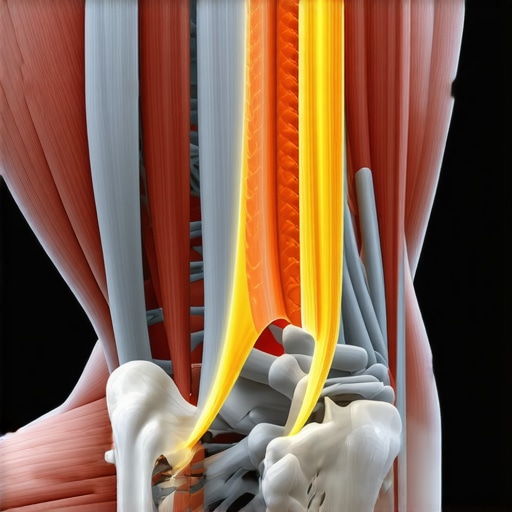
Early on, I bought into countless back pain myths, overdoing stretches or relying solely on, well, less effective remedies. I made a crucial mistake—assuming that complex routines or expensive treatments were the answer. In reality, the key was a simple, no-cost action I learned from a wellness pro: the 30-second glute squeeze. It’s as straightforward as it sounds, but don’t let that fool you. This tiny tweak activates muscles that are crucial for spinal stability, preventing the irritation that so many of us experience after hours of standing or sitting.
Studies show that weak glutes and poor core engagement are common culprits behind lower back pain, especially in people who spend much of their day standing or working at a desk. The good news? You don’t need special equipment, fancy gadgets, or hours of exercise. Just a conscious squeeze of your glutes every now and then can make a huge difference. I’ve tested this myself, and the relief was immediate—less tension, less ache, and a more confident posture.
Now, I want to share step-by-step how this quick habit can become your new best friend in back health. But first, let’s address the biggest fear many have—does it really work, or is it just another passing trend? Trust me; I was skeptical too. I’ll also share a mistake I made early on that cost me time and pain—so you don’t have to repeat my error. Want to feel the difference? Keep reading, because this simple move could change how you stand, sit, and move—maybe forever.
How to Activate Your Glutes for Better Support
Start by standing upright in a relaxed position, feet hip-width apart. Imagine your hips as the foundation of a building—strong and stable. To engage your glutes, push your hips slightly back, as if you’re about to sit in a chair, then squeeze your buttocks firmly, holding for about 5 seconds. This action is like tightening the bolts of your support beams, creating stability for your lower back.
Step 1: Find the Right Posture
Stand with your feet shoulder-width apart, weight evenly distributed. Keep your knees slightly bent and maintain a neutral spine—think of your body as a tall, balanced column. This positioning prepares your muscles for activation without strain. I remember one time in line at the grocery store, I was distracted but still remembered to do this squeeze. The immediate tension relief in my lower back surprised me, and I realized how easy it was to incorporate into daily life.
Step 2: Execute the Squeeze Correctly
Pull your abs gently inward and contract your glutes as hard as you can without holding your breath. It’s like squeezing a small ball between your cheeks—firm but controlled. Avoid overarching your lower back or tilting your hips forward, which can negate the benefit. During my first attempt, I accidentally leaned forward, but quickly corrected my form—reminding me that consistency is key. This simple move activates muscles responsible for lumbar stability, much like reinforcing the load-bearing beams in a building.
Step 3: Integrate the Habit into Daily Routine
Have a trigger—like checking your phone or standing in line—and perform the squeeze for 30 seconds, repeating 3-4 times throughout the day. Think of it as a tiny, time-efficient tune-up for your back. Initially, I forgot to set reminders, but now I attach it to routine moments, making it effortless. Over time, this habit trains your muscles to activate automatically, akin to how muscles strengthen with regular workouts. For more techniques on boosting mobility and easing pain, visit this resource.
Fine-Tuning Your Technique for Lasting Relief
Ensure you’re squeezing your glutes directly, avoiding the temptation to compensate with other muscles. Keep your core engaged to prevent your lower back from overextending. Think of your core as the scaffolding—supporting everything above. In my early attempts, I was tempted to hold my breath, but I learned to breathe steadily, which made the exercise more sustainable. Remember, consistency trumps intensity. Incorporate this habit into your day, and you’ll build a natural defense against back pain.
Interested in discovering more ways to improve your spinal health? Check out how chiropractic care can transform your back’s health or reach out to a professional for personalized guidance at this contact page.
Many people believe that they fully understand mobility, chiropractic care, and back or neck pain, but in reality, there are common misconceptions that can lead to ineffective or even counterproductive strategies. As an expert who has studied the biomechanics and therapies extensively, I want to shed light on some nuanced pitfalls that often trip up even the most committed self-healers.
Myth Busting: The Oversimplification of Mobility Exercises
One widespread mistake is assuming that all mobility routines are universally beneficial without considering individual limitations. For instance, stretching a tight hamstring might seem helpful, but if your issue stems from pelvic misalignment or hip joint restrictions, aggressive stretching can worsen your symptoms. The key nuance here is that mobility isn’t one-size-fits-all; it requires tailored assessments. Visiting a professional who evaluates your unique movement patterns can uncover hidden restrictions that generic routines overlook. For deeper insights, check this resource about customizing mobility exercises.
Beware the Trap of Pushing Through Pain
Many assume that feeling muscle tension or discomfort during mobility work indicates progress. However, this often signals underlying joint or ligament restrictions, not muscle tightness alone. For example, forcing a deep squat without proper hip flexibility forts the risk of aggravating your activity of daily living. An advanced nuance is recognizing the difference between safe discomfort and harmful pain. Listening to your body and consulting a healthcare professional can prevent damage and ensure you’re addressing the right limitations.
Now, let’s examine a common misconception about chiropractic adjustments—that they always produce immediate, complete relief. In many cases, this is not true, especially if the root causes involve complex biomechanical imbalances or soft tissue restrictions. A study by the Journal of Manipulative and Physiological Therapeutics emphasizes that repeated sessions and comprehensive approaches lead to better outcomes, not instant fixes. Relying solely on a quick adjustment can be a trap that delays long-term healing. For a strategic, well-rounded approach, consider reviewing this detailed guide.
The Common Myth: Rest Is Always Best for Pain
Many believe that prolonged rest is the optimal response to back or neck pain. However, immobilization can actually hinder recovery by weakening supportive muscles and causing joint stiffness. Movements, when done correctly, stimulate blood flow and promote healing. The nuance here is pacing yourself; gentle, controlled activity tailored to your condition is usually more effective than total bed rest. Engaging with a knowledgeable therapist can guide you through safe mobility strategies, such as those outlined here.
How Can You Spot When You’re Falling into This Trap?
One way is observing whether your pain worsens after periods of inactivity or improves with gentle movement. If so, early mobilization is likely beneficial—yet many cling to the myth that rest is best. Remember, advance your approach gradually and consult with a professional for personalized advice. Are you guilty of over-resting? Share your experiences in the comments and let’s discuss how to shift towards active recovery.
Finally, a critical advanced point pertains to neck pain related to thoracic mobility. Often, people focus solely on cervical exercises, but restrictions in the upper back can exert undue stress on neck muscles, perpetuating discomfort. A holistic approach that addresses the entire spine’s flexibility yields better, longer-lasting results. For insights into these interconnected dynamics, visit this article.
Understanding these nuances helps turn common pitfalls into stepping stones toward effective pain relief. If you’re ready to explore personalized strategies that address your unique biomechanics, don’t hesitate to reach out. Remember, true progress begins when you question the myths and embrace tailored solutions. Have you ever fallen into this trap? Let me know in the comments.
Keeping It Working: Tools I Recommend for Sustained Mobility and Pain Relief
Maintaining your spinal health over time requires more than just occasional exercises; it involves consistent care, effective tools, and mindful routines. As someone deeply invested in helping others achieve lasting relief, I’ve honed a set of specific tools and methods that I personally use daily to keep my back and neck functioning optimally. These tools facilitate proper maintenance, help monitor progress, and prepare you for scaling your routines as your mobility improves.
One indispensable device is the Stability Ball. I use it not only for core strengthening but also as an active sitting option during work. Sitting on a stability ball engages your core muscles continuously, which encourages better posture and reduces the tendency to slouch—a common contributor to back pain. Regularly switching between a chair and an exercise ball has significantly improved my spinal endurance.
For deep tissue release, I rely on the Tennis Ball. It’s perfect for self-massage along trigger points in the muscles surrounding the spine and shoulders. Unlike massagers that can be overly aggressive, a tennis ball allows precise pressure application, and I frequently use it to release tension after long days. Proper soft tissue management helps prevent soft tissue restrictions that compromise mobility over time.
Integration of Movement Tracking Apps like this resource can be a game-changer. I personally utilize these to log daily mobility routines, monitor pain levels, and set goals. Data-driven insights allow me to identify patterns that might hinder progress, such as prolonged periods of inactivity or poor posture habits. Embracing technology makes long-term maintenance proactive rather than reactive.
Another tool worth mentioning is the Adjustable Lumbar Support Cushion. I use it in my car and office chair to ensure my lumbar curve stays supported. Proper lumbar support in different environments is vital to prevent maladaptive strains. With consistent use, I’ve noticed a reduction in morning stiffness and a more resilient back.
Predicting where this trend heads, I believe we’ll see more integration of wearable technology that monitors posture and movement in real time, providing instant feedback and personalized corrective suggestions. This could make routine manual adjustments obsolete and create a new standard for self-care in spinal health.
So, how do I maintain my mobility and pain relief tools over time?
Routine maintenance involves regular cleaning, inspecting for wear, and updating devices as needed. For example, tennis balls should be replaced if they develop cracks, and stability balls should be checked for proper inflation to ensure optimal support. I also schedule weekly reviews of my movement logs to adapt my exercises and tools to my evolving needs. Expert insights suggest that consistency in maintenance extends the life and effectiveness of these tools, ensuring your investment remains worthwhile.
Don’t underestimate the power of small adjustments—like adding a new tool or refining your technique—that can yield long-term benefits. For instance, consider trying the 30-second glute squeeze routine during your day; it’s simple but remarkably effective at reinforcing spinal stability, especially when maintained consistently. Additionally, consulting a professional periodically to assess your progress can help scale your routine safely and effectively.
If you’re eager to explore comprehensive strategies tailored to your needs, I encourage you to reach out through this contact page. Remember, sustained mobility is about smart maintenance, consistent use of the right tools, and proactive adjustments. Start today with one new tool or routine—your future self will thank you for it.
3 Lessons I Wish I Gave Myself About Mobility, Chiropractic, and Back Pain
- Patience Outperforms Speed: I used to believe quick fixes were the answer, but real progress took time, persistence, and consistent habits like the 30-second glute squeeze. Rushing recovery often leads to setbacks; embracing gradual improvement yields lasting results.
- Personalized Care Trumps Generic Advice: Not all mobility routines or treatments suit everyone. Listening to your body and seeking tailored assessments can reveal hidden restrictions that off-the-shelf solutions might miss. Investing in professional guidance saved me from unnecessary frustration and setbacks.
- Holistic Approach Is Key: Focusing solely on one area, like neck exercises, can overlook interconnected issues such as thoracic mobility. Seeing the spine as an integrated system and addressing all contributing factors led to better, more sustainable relief.
Clear Tools That Transformed My Approach to Spinal Health
- Mobility Mastery Program: This comprehensive guide helped me understand the nuances of individualized mobility routines, emphasizing proper assessments and personalized strategies. It’s a treasure trove for anyone serious about long-term wellness.
- Chiropractic Secrets Unveiled: Learning from expert insights, I adopted techniques that complement regular chiropractic care, making adjustments more effective and supporting sustained mobility. Trusting validated methods made a visible difference.
- Self-Myofascial Release Tools: Items like tennis balls and foam rollers became my allies in managing tension and soft tissue restrictions. Their simplicity, combined with correct usage, unlocked levels of comfort I hadn’t known before.
- Tracking Apps: Monitoring my routines allowed me to identify patterns and prioritize consistency. When data aligns with my goals, motivation stays high, and progress feels tangible.
Step Into Your Power: Rewrite Your Back Journey Today
Your spinal health isn’t just about quick fixes—it’s a lifelong journey of curiosity, self-awareness, and mindful habits. By embracing proven techniques, personalized advice, and the proper tools, you can reclaim your mobility and enjoy a pain-free life. Remember, the most profound change begins with a single step—so, why not take that step today? If you’re ready to personalize your approach, don’t hesitate to reach out here. What’s the first small change you’re willing to try to improve your back health? Share below—your story might inspire someone else to start theirs.