The secret link between your ankle mobility and your squat form
I remember the first time I tried to really push myself during a squat workout and felt that unmistakable crack in my knees, followed by a dull ache that lingered for days. It was frustrating—like trying to lock a door with a key that just wouldn’t turn. That moment was my lightbulb moment: I was missing a crucial piece of the mobility puzzle, and it was hiding in my ankles.
Many people struggle with squat form, but what often gets overlooked is how your ankle mobility directly affects your ability to squat properly. If your ankles are stiff or limited in movement, it doesn’t just make squatting uncomfortable—it can lead to compensations that strain your knees, hips, and lower back. Over time, this can snowball into chronic pain or injury.
In this post, I want to share with you an eye-opening connection I discovered through my own journey and extensive research. You’ll learn how improving your ankle mobility can dramatically enhance your squat technique and reduce injury risk. Besides, it’s easier than you think, and I’ll guide you through practical steps to get started.
The Hidden Link Between Your Ankles and Your Squat
Many of us tend to focus solely on the movement itself—knees forward, hips back—without considering what’s happening underneath. Well, your ankles play a vital role in maintaining proper alignment and balance during squats. When ankle dorsiflexion—the ability to lean your foot upward towards your shin—is limited, your body compensates in ways that can be harmful.
This compensation often manifests as your heels lifting off the ground, your knees buckling inward, or your torso leaning forward excessively. Over time, these adjustments place unnecessary stress on your joints and muscles, potentially causing pain and mobility issues. And the worst part? Many of us don’t realize these problems stem from ankle limitations, not from the squat technique itself.
Research indicates that poor ankle mobility is a common contributor to dysfunctional squatting and lumbopelvic pain. A study published in the *Journal of Bodywork and Movement Therapies* found that improving ankle dorsiflexion significantly improved squat depth and overall movement quality (https://quackersspinal.com/restore-your-range-how-chiropractic-care-enhances-movement). That’s a game-changer for anyone serious about safe, effective training.
Now, I’ll be honest—early on, I thought my squat technique was to blame. I kept trying to deepen my squat, but the pain persisted. It wasn’t until I started focusing on my ankles, working on specific mobility exercises, that I finally saw the improvements I’d been after. If you’ve faced similar frustrations, you’re not alone—and the solution might be simpler than you think.
But before diving into the exercises, let’s address a common concern that might be holding you back.
Start With Gentle Ankle Mobilization
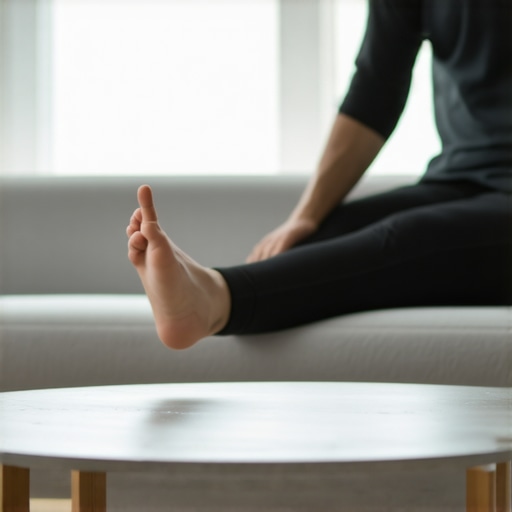
My first attempt at improving my ankle flexibility involved simple ankle circles while watching TV. I sat on the couch and rolled my ankles clockwise and counterclockwise, feeling those joints loosen up. This movement warms the joint and prepares it for deeper stretches. Incorporate this routine daily to gradually ease tightness and increase range of motion.
Implement Wall Shoe-Touches
Next, I discovered the wall shoe-touch stretch. Stand facing a wall, place your toes a few inches away, and bend your knees to touch your toes to the wall without raising your heels. This simulates how your ankle dorsiflexes during a squat. Start with a comfortable stretch and aim to increase the distance over time. This helps unlock more ankle dorsiflexion, essential for proper squat depth.
Perform Deep Ankle Dorsi Flexion with a Foam Roller
Using a foam roller along your calves can release tension that limits ankle movement. Lie face down, place the foam roller under your calves, and roll slowly, focusing on tight spots. I did this before stretching and found my ankles moved more freely afterward, making deep squats more accessible.
Practice Squat Hold with Ankle Focus
Stand with your feet shoulder-width apart, keep your weight centered, and gently shift weight forward onto your toes while keeping your heels on the ground. Hold this position to feel the stretch in your calves and ankles. This simulates the ankle positioning during a squat and trains your joints to move through a full range of motion. Incorporate this as part of your warm-up.
Use a Resistance Band for Mobilization
Attach a resistance band to a sturdy object, loop it around your forefoot, and gently pull your toes toward your shin while keeping your heel planted. This assisted stretch helps improve dorsiflexion beyond what static stretching alone can achieve. Regular use will enhance your ankle’s flexibility, directly transferring to better squat form.
Be Consistent and Patient
Remember, mobility improvements take time. I committed to these exercises daily for a few weeks. Initially, I felt some soreness, but persistence paid off—my squats felt more natural, and pain decreased. Tracking your progress helps stay motivated and ensures you’re on the right path.
Seek Expert Guidance When Needed
If limited ankle mobility persists despite consistent effort, consider consulting a professional. A chiropractor or mobility specialist can provide targeted interventions. Tools like chiropractic care can address underlying joint restrictions, as explained in this resource, ensuring comprehensive improvement.
 Many individuals believe that neck pain, limited mobility, and back issues stem solely from obvious causes like poor posture or sudden injury. However, as an expert in spinal health, I can tell you that common misconceptions often lead us astray. For example, a widespread myth is that regular stretching alone can resolve chronic neck stiffness. In reality, neglecting the role of underlying joint restrictions and nerve health can prevent long-term relief. Research from top specialists shows that addressing joint mobility through targeted chiropractic adjustments can be more effective than stretching alone, as detailed in this resource.
Another trap many fall into is assuming that pain is always a sign to rest entirely. While rest is sometimes necessary, excessive inactivity can cause further joint and muscle stiffness, complicating recovery. Instead, movement tailored to your specific condition, facilitated by professional guidance, helps restore function faster. Be cautious about quick-fix solutions, such as over-relying on painkillers, which can mask symptoms without addressing root causes.
For those dealing with persistent issues, understanding the importance of spinal and nerve health is crucial. Advanced nuances include recognizing that nerve impingements or subtle joint restrictions may not cause immediate pain but can lead to degenerative conditions over time if ignored. Incorporating these insights into your health routine can significantly improve outcomes. For an in-depth look at how chiropractic care can help safeguard your mobility, check this article.
Have you ever fallen into this trap? Let me know in the comments. Remember, truly effective treatment involves understanding the complexities of your spine’s function—not just treating symptoms but addressing the deeper issues at play.Maintaining your spinal health and mobility over the long term requires more than just sporadic exercises; it involves using the right tools and establishing consistent routines. One of my most recommended investments is a high-quality foam roller. I personally prefer the TriggerPoint GRID foam roller because its textured surface allows me to target tight muscles precisely, especially along the calves and hips, which directly influence back and neck pain. Regular use of a foam roller helps maintain soft tissue mobility, preventing the formation of adhesions and scar tissue that can limit movement.
In addition to manual tools, I rely heavily on digital platforms like Specialized mobility apps such as “MobilityWOD”—which I use daily to structure my stretching routines. These apps provide guided programs tailored to specific needs, helping me stay disciplined and ensuring I hit all the critical areas. They also track progress, making it easier to see improvements over time.
Another essential component is a quality therapist-level massage ball, like the Pro-Tec MT2, which I use to target stubborn trigger points in the upper back and neck. Unlike generic massage tools, this ball allows for focused pressure, which helps keep my tissue pliable and reduces the risk of chronic pain.
In the future, I foresee wearable technology playing a bigger role—think smart posture sensors like Upright GO that provide real-time feedback and remind you to adjust your position. These devices can extend the benefits of chiropractic adjustments and stretching by promoting consistent posture habits throughout the day.
How do I keep these tools effective over time? It’s crucial to integrate them into a daily routine, much like brushing your teeth. Dedicate a few minutes each morning or evening to foam rolling and mobility exercises, using apps or guided videos for structure. Regularly replacing worn-out tools ensures you get consistent pressure and effectiveness. Additionally, booking periodic check-ins with a chiropractor or mobility specialist can help fine-tune your approach and address any emerging imbalances.
So, don’t wait—start incorporating a foam roller into your routine today. For more advanced strategies, explore how chiropractic care can amplify your mobility efforts by visiting this article. Remember, investing in the right tools and consistency now can save you from years of discomfort later.
Lessons I Had to Learn the Hard Way About Neck and Back Discomfort
One of the most eye-opening lessons was realizing that my persistent neck stiffness was actually linked to tight calves and limited ankle mobility—not just poor posture or desk stress. This shifted my entire approach to wellness.
Another revelation was understanding that relying solely on stretching without addressing joint restrictions and nerve health only provides temporary relief. True progress came when I combined mobility work with chiropractic care targeting the root issues.
The biggest lightbulb moment was recognizing that the body’s interconnectedness means neglecting ankle or spinal restrictions can sabotage efforts to improve neck and back pain. Addressing these areas holistically is essential for lasting results.
Tools and Resources That Transformed My Mobility Routine
My favorite intervention is the foam roller, especially the TriggerPoint GRID, which helps release calf and hip tension—crucial for spinal alignment. I incorporate daily foam rolling to maintain soft tissue mobility and prevent stiffness.
The app “MobilityWOD” has been invaluable in providing guided routines tailored to my needs, making my mobility exercises more effective and consistent. Tracking progress keeps me motivated and focused on long-term change.
Finally, I trust the insights from expert chiropractic resources like this article, which explains how targeted adjustments can restore full movement and reduce nerve-related pain that often presents as neck or back discomfort.
Take Action and Feel the Difference
Your journey toward better mobility and pain relief begins now. Small, consistent efforts—like ankle mobilization exercises and proactive chiropractic visits—can lead to profound improvements in neck, back, and overall spinal health. Remember, transforming your movement habits today sets the stage for a pain-free future.