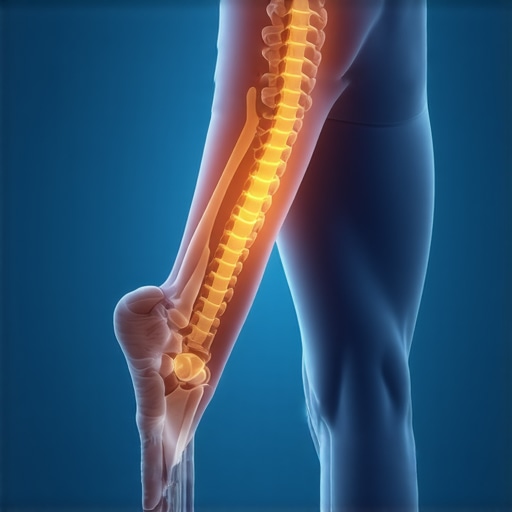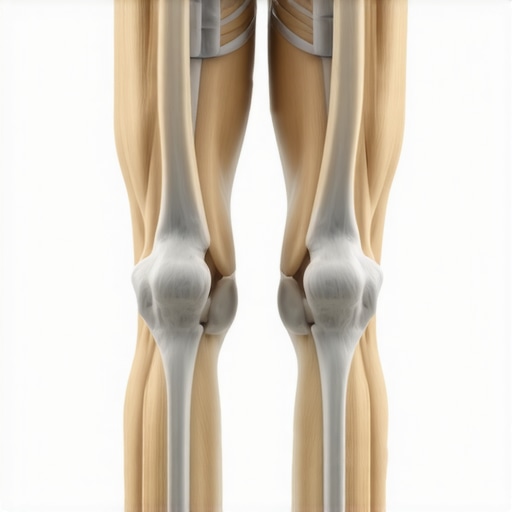
How Your Tight Hip Flexors Are Secretly Mimicking Lower Back Pain
I remember the moment clearly. I was mid-morning, trying to bend down to pick up a package at my doorstep when a sharp, fiery pain shot through my lower back. It wasn’t the usual discomfort I brushed off after a long day—this was different. It lingered, refused to go away, and made every movement feel like a gamble. It was a wake-up call that changed how I viewed back pain forever.
The Hidden Culprit Behind My Agony
For years, I believed my back was the sole villain—tight muscles, poor posture, maybe even stress. But the real culprit was often lurking elsewhere: my hips. Specifically, my hip flexors had become so tight that they started mimicking lower back pain. It sounds strange, right? But this discovery transformed my approach to mobility and pain relief.
What I learned during my journey is that tight hip flexors don’t just limit your mobility—they can pull on your pelvis and lower back, creating pain that feels like it’s coming from where it isn’t. This is a common but often overlooked factor. Early on, I made the mistake of focusing only on my back, ignoring my hips entirely. That oversight kept me stuck in a cycle of ineffective treatments and frustration. If you’ve ever experienced persistent lower back discomfort that doesn’t quite add up, this might be the surprise behind your pain.
Why This Matters More Than You Think
Understanding that your hip flexors could be the root of your lower back pain is a game-changer. It means you have a chance to fix the problem at its source, instead of merely treating symptoms. Studies show that poor hip mobility is linked to increased back pain and impaired movement (source: Mobility Mastery), which underscores how interconnected our body’s systems truly are.
But here’s the thing—most people, myself included initially, dismiss this connection or simply don’t know about it. Instead, they chase after quick fixes—painkillers, passive stretching, or massaging isolated areas—hoping one will bring relief. The truth is, ignoring the hips often means the pain won’t truly go away. That realization nudged me towards a more holistic approach, one that targets the root cause and restores balance.
Have you faced this kind of elusive back pain that just won’t quit? If so, you’re not alone, and help is available. In the next sections, I’ll share the practical steps I used to loosen my hip flexors and finally find lasting relief. Because once I got past the misconception that my back was the sole issue, everything changed. Ready to discover how to reclaim your mobility and banish that stubborn pain? Let’s dive in.
Targeted Hip Flexor Stretching
Lie on your stomach with legs extended, then bend one knee and grab your ankle, gently pulling it towards your glutes. This stretch targets tight hip flexors directly, easing their pull on your pelvis.
My personal tip:
During a messy morning, I did this stretch holding my ankle with a bath towel when my usual flexibility was gone. Even with slight discomfort, I held the position for 30 seconds on each side, and I noticed improved mobility in just a few days.
Incorporate Dynamic Movements
Move your hips through controlled ranges of motion—leg swings, hip circles, and lunges. Think of these as oiling rusty hinges; they prepare your hips for daily activities and prevent stiffness.
My personal tip:
I added daily hip circles before my work sessions, which felt awkward initially but made sitting at my desk less stiff over time. Consistency in this simple move dramatically improved my comfort level.
Practice Strengthening Exercises
Engage in glute bridges and core stabilizers to support proper pelvis alignment. Strong glutes prevent compensatory tightness in hip flexors and lower back.
My personal tip:
I started with three sets of 10 glute bridges, lying on my back, lifting my hips while squeezing glutes. The immediate feeling of activation was a wake-up call—helping me maintain proper posture and reduce pain intensity.
Adjust Your Daily Habits
Monitor how you sit, stand, and move throughout the day. Use ergonomic chairs and avoid crossing legs for prolonged periods. These small tweaks can prevent hips from tightening up again.
My personal tip:
I set a reminder to stand and stretch every 30 minutes during work. Over time, this routine reduced my hip tightness and improved overall back health.
Prioritize Recovery and Consistency
Incorporate these steps regularly, like a playlist on repeat, to retrain your muscles. Overloading one day won’t do the job—think of it as tuning your instrument gradually for harmonious movement.
My personal tip:
I kept a simple journal of my daily stretches and exercises, noting improvements. Seeing progress motivated me to stay committed and avoid reverting to bad habits that caused the pain initially.
Remember, making these adjustments isn’t a one-time fix; consistency is key. Doing these targeted movements daily helps restore hip mobility, alleviates undue stress on your back, and promotes long-term relief. For more insights on maintaining a pain-free back through natural methods, visit Enhance Mobility Naturally.
Image placeholder: 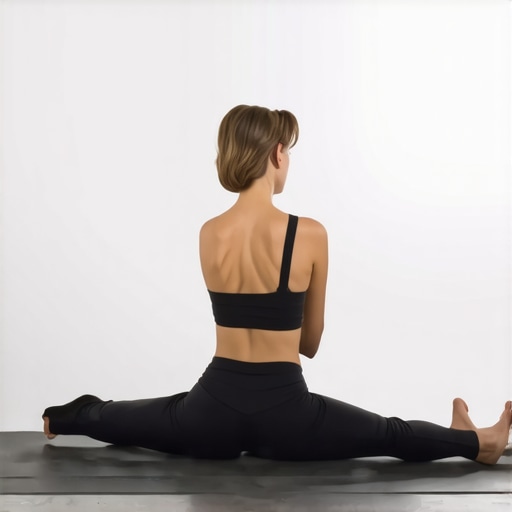 Many people hold misconceptions about back pain and its treatment, often leading to ineffective solutions or even worsening symptoms. One widespread myth is that rest is the best remedy for back pain. While temporary resting can provide relief, persistent inactivity hampers recovery because it weakens supporting muscles and reduces mobility, prolonging discomfort. Active approaches, including targeted chiropractic techniques, have been shown to facilitate faster healing and better long-term outcomes (see our detailed guide [here](https://quackersspinal.com/boost-mobility-ease-pain-chiropractic-techniques-unveiled)).
Another common misunderstanding is that chiropractic adjustments are solely about ‘cracking’ your back to relieve pain. In reality, progressive chiropractic care focuses on restoring proper spinal alignment and enhancing nervous system function, which can significantly improve mobility and reduce pain syndromes, including neck discomfort ([learn more](https://quackersspinal.com/mastering-back-neck-pain-relief-tips-from-the-pros-300)).
It’s also a myth that mobility exercises are only for athletes or the very flexible. In fact, gentle mobility work tailored to your specific needs is crucial for everyone, especially those with chronic back or neck issues. Regularly practicing these movements not only prevents minor aches from becoming chronic but also promotes a healthier, more resilient spine ([see our mobility tips](https://quackersspinal.com/mobility-mastery-expert-tips-for-back-pain-prevention-and-recovery)).
Now, let’s address an advanced question that often confuses even experienced practitioners:
How does nerve impingement differ from muscular tightness, and why does that matter for treatment?
Understanding this distinction can change your approach to recovery. Nerve impingement involves compression of nerve roots and may require specific interventions like spinal decompression, whereas muscular tightness involves localized muscle spasm and often responds well to stretching and soft tissue work ([expert insight](https://quackersspinal.com/revitalize-your-mobility-proven-strategies-for-back-pain-relief)). Overlooking this nuance can lead to misdiagnosis and prolonged suffering.
One trap to avoid is relying solely on passive treatments such as pain meds or massages without addressing underlying causes. While these can offer temporary relief, they don’t facilitate sustained improvements in mobility or posture. Instead, combining active therapy—like strengthening exercises and posture correction—with chiropractic care provides a comprehensive solution. For guidance on building an effective plan, visit [here](https://quackersspinal.com/restore-your-back-mobility-proven-chiropractic-strategies).
Have you ever fallen into this trap? Let me know in the comments. Understanding the complexities behind back pain, chiropractic care, and mobility can empower you to make smarter choices and achieve lasting relief.
Maintaining your spinal health over the long term requires more than just occasional stretches or chiropractic visits. It involves integrating the right tools and establishing consistent routines that support mobility, strength, and posture. Personally, I rely on specific equipment and software to track my progress, stay motivated, and ensure I don’t revert to old habits that could reignite pain. In this section, I’ll share the tools I recommend based on my own experience, along with insights into their long-term benefits.
Investing in a Quality Foam Roller and Massage Tools
For muscle release and to prevent stiffness, I swear by a high-density foam roller. It’s versatile and allows me to target tight areas like the thoracic spine and hips effectively. Unlike cheaper options, a dense foam roller maintains its shape over time and provides the necessary pressure without causing irritation. Additionally, I’ve incorporated a set of massage balls, which help release trigger points—particularly in neck and shoulder regions. Regular use prevents the build-up of knots that can exacerbate neck tension and restrict mobility.
Utilizing Posture Correctors with Smart Feedback
Incorporating technology can make a significant difference. I use a posture correction device equipped with sensors that alert me when I slouch or hunch forward. This real-time feedback is invaluable for retraining my body habits, especially during long work sessions at my desk. Research indicates that wearable posture devices can reduce neck and upper back discomfort over time by fostering conscious correction habits (see here).
Tracking Progress with Movement Apps
The Future of Maintenance Tools
Looking ahead, I predict wearable tech will become even more integrated with AI to personalize therapeutic routines dynamically. Augmented reality glasses or sensors could guide users through stretches in real-time, ensuring correct form and immediate feedback. Such innovations could democratize expert-level care, making long-term maintenance accessible and engaging for all.
How do I maintain mobility and relieve neck and back discomfort over time?
The key is consistency and leveraging technology. I combine targeted manual tools like foam rollers and massage balls with smart wearable devices to stay aware of my posture and movement. Additionally, I schedule regular check-ins with professionals who can update my routines based on my progress, ensuring lasting results. Don’t forget the importance of ongoing education; staying informed through trusted sources like privacy policies helps me make smarter choices about my health habits. For an advanced technique to dial in your mobility routine, try integrating a posture correction device for a week and observe the difference it makes in your comfort levels—often, small adjustments lead to significant improvements.
Remember, maintaining your back and neck health isn’t a one-time effort but an ongoing process. As new tools and research emerge, staying proactive will help you enjoy pain-free movement for years to come. For more guidance on effective chiropractic tools and long-term strategies, visit our detailed guide.
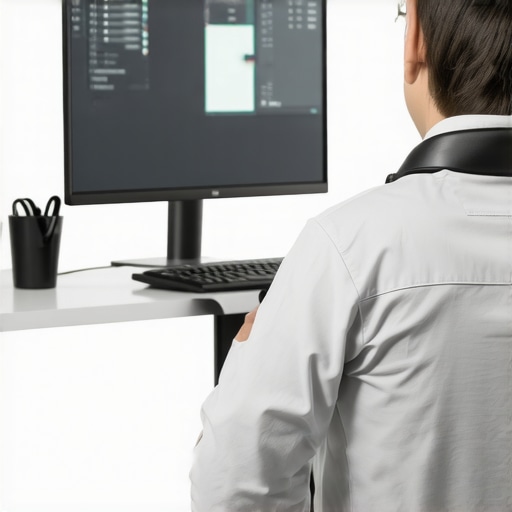
Image prompt: A person using a posture correction device at a home workspace, with a focus on technology and ergonomic awareness, alt: Person wearing a posture sensor device, title: Effective Tools for Maintaining Spinal Health.
Throughout my journey to heal back and neck discomfort, one secret stood out: sometimes, the simplest adjustments yield the greatest results. It’s tempting to seek complex fixes or external cures, but often, the key lies in a mindset shift—believing that genuine mobility and comfort are within your reach if you dismantle limiting beliefs and embrace consistent, mindful practices. Remember, real change happens when you revisit foundational habits and challenge misconceptions about pain and recovery.
The Hardest Lesson I Learned About back pain, chiropractic, mobility, neck pain
Patience beats quick fixes—understanding that healing is a marathon, not a sprint, transformed my approach. I realized that rushing into intensive routines without respecting my body’s signals often caused setbacks. Progress quietly accumulates with small, daily efforts, leading to sustainable relief. Embracing this mindset prevented frustration and fostered confidence in my ability to regain mobility naturally.
3 Myths About back pain, chiropractic, mobility, neck pain That Held Me Back
Believing that rest alone would resolve my issues kept me inactive longer than necessary. The misconception that chiropractic adjustments are merely ‘cracking the back’ minimized their true potential for restoring function. Finally, thinking that mobility exercises are only for athletes discouraged me from starting gentle routines—yet, these could be game-changers when personalized and practiced regularly. Challenging these myths opened doors to more effective, empowering strategies.
What Experts Won’t Tell You About back pain, chiropractic, mobility, neck pain
Most overlook the importance of integrating proactive habits—like mindful habits and technology-driven tools—that complement professional care. Many chiropractors focus on spinal alignment but emphasize that lasting relief depends on your consistency with exercises and lifestyle tweaks. Real experts guide you beyond temporary fixes, helping you build resilience and long-term mobility.
Curated Recommendations for Lasting Relief
One resource I trust is the comprehensive guide on [boost mobility and ease pain with chiropractic techniques](https://quackersspinal.com/boost-mobility-ease-pain-chiropractic-techniques-unveiled). It demystifies effective methods tailored for real-life application. Additionally, exploring the [mobility mastery tips](https://quackersspinal.com/mobility-mastery-expert-tips-for-back-pain-prevention-and-recovery) has sharpened my daily routines, making my progress measurable and sustainable. For in-depth understanding of neck and back pain, the [expert tips](https://quackersspinal.com/unlock-neck-pain-relief-expert-tips-for-lasting-comfort) are a treasure trove of actionable advice. Trusting credible sources helped me avoid misinformation and stay committed to genuine healing.
Believe in Your Power to Change
Taking charge of your back and neck health means embracing consistency and trusting the process. Small, intentional steps—like daily stretches, ergonomic adjustments, and mindful posture—compound into significant improvements. The journey might include setbacks, but persistence and patience are your allies. You are capable of reclaiming a life free from persistent pain—and the tools and knowledge are within your reach now. Start today, because your future self will thank you. What’s the first movement or habit you plan to incorporate for better mobility? Let me know below.