The Best Way to Sit in a Car for Long Road Trips
I remember the exact moment I realized I had been doing my long drives all wrong. It was after a 6-hour road trip where I returned home with a pounding headache, a sore back, and a neck so stiff I couldn’t turn fully to the left. It hit me—my seating position was sabotaging me, turning what should have been a fun adventure into a painful ordeal. That lightbulb moment prompted me to dig deeper, experiment with different sitting habits, and seek advice from experts.
We all face this during extended drives: discomfort, pain, and that nagging feeling that somehow, we’re doing it all wrong. But what if I told you that just a few simple adjustments could transform your travel experience? Today, we’re going to explore the **best way to sit in a car for long road trips**, blending science, real-world experience, and practical tips so you can arrive feeling energized, not exhausted.
Why Your Seat Matters More Than You Think
Before we jump into the how-to, let’s understand why seat position is a game-changer. Sitting improperly during those long hours can lead to persistent back pain, neck strain, and even long-term spinal issues. According to wellness experts, poor posture while driving is a leading cause of musculoskeletal problems that can affect your quality of life. For example, studies show that prolonged static postures are linked to increased tension in neck and back muscles, which can escalate into chronic pain if ignored.
My early mistake was ignoring the importance of lumbar support and not adjusting my seat properly. I used to think that reclining my seat all the way back or slouching was comfortable—but it only made things worse. If you’ve faced similar issues, you’re not alone—and it’s why understanding the correct sitting technique is crucial.
Are you tired of arriving at your destination feeling more worn out than when you left? If so, keep reading. We’re about to uncover the secrets to maintaining spinal health and comfort on those lengthy journeys. Trust me, once you get this right, road trips will become something you actually look forward to.
For more insights on how to manage neck and back pain, check out this comprehensive guide from wellness experts on [neck and back pain solutions](https://quackersspinal.com/neck-back-pain-solutions-insights-from-wellness-experts). Now, let’s get into the practical steps to change how you sit, permanently.
Find Your Support Points
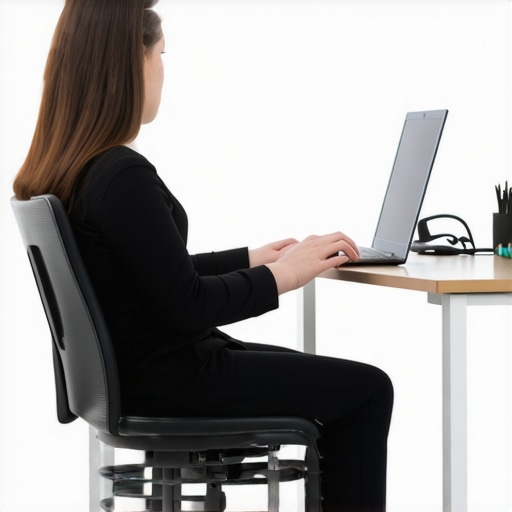
Start by adjusting your seat so your back is fully supported. Sit upright so that your tailbone touches the seat’s backrest. Use a lumbar pillow or roll if your car lacks built-in lumbar support; think of it as creating a natural curve in your lower spine, much like a gentle S-shape that minimizes stress on your discs.
Align Your Head and Neck
Position your headrest so it supports the middle of your head, not your neck. Keep your head aligned with your spine, avoiding the forward tilt that strains your neck muscles. I remember the first time I adjusted my headrest correctly—instantly, my neck tension decreased after hours on the road.
Set The Right Seat Angle
Recline your seat to about 100-110 degrees; avoid reclining excessively, which can cause your pelvis to rotate backward and overstretch your lumbar area. I once adjusted my seat to a more upright position during a long trip, which felt odd at first but prevented subsequent lower back pain.
Position Your Feet Accurately
Place your feet so your knees are at a 90-degree angle, with your pedals accessible without stretching. Keeping your feet in a neutral position prevents overactivation of leg muscles, which can influence your lower back’s stability. Think of your legs as the foundation—if they’re off, your whole posture suffers.
Adjust Mirrors for Comfort
Set your side and rearview mirrors so you don’t have to turn your neck sharply to see behind. Proper mirror placement minimizes head movement and prevents neck strain. This small tweak can save you from hours of discomfort, as I found out after repeatedly twisting my neck on awkward drives.
Micro-Movements and Periodic Changes
Every 30-60 minutes, make small adjustments to your seat or shift your weight. Simple movements like rolling your shoulders or stretching your legs help maintain circulation and prevent stiffness. During a particularly long drive, I would subtly adjust my seat height and take short stretches, which kept me feeling fresh and loose.
Incorporate Chiropractic Techniques
If you experience persistent discomfort, consider targeted chiropractic adjustments or mobility drills. Techniques from chiropractic strategies can help realign your spine and reduce strain from improper seating. Sometimes, a quick session or specific exercises can make a significant difference in your comfort during long trips.
Many people assume that addressing back and neck pain is simply about stretching more or taking painkillers, but this mindset often overlooks critical nuances. Contrary to popular belief, pain isn’t always a sign that you need to stretch out those muscles—sometimes, it’s a warning that you’re aggravating an underlying issue through well-meaning but misguided actions. For example, aggressive stretching can destabilize already compromised tissues, leading to longer recovery times, as highlighted in research from the experts’ guide.
A common myth is that chiropractic adjustments are quick fixes for chronic pain. While adjustments can be highly effective, relying solely on them without understanding and correcting the subconscious habits—like poor posture or improper movement patterns—limits their true potential. In fact, many of the advanced mistakes relate to neglecting the body’s complex neuromuscular feedback system. For instance, repeatedly ignoring subtle misalignments and compensations can lead to a cycle where pain persists despite regular care.
Beware the trap of believing that pain relief equals full recovery. Pain is often a symptom of deeper issues—like imbalanced muscular patterns or nerve imprints—that require a nuanced approach. Using chiropractic techniques such as mobility-focused strategies can help address these underlying problems when combined with proper movement and ergonomics.
From my own experience and extensive study, I’ve learned that many misconceptions stem from superficial fixes. For example, the idea that sitting taller in your chair alone will fix chronic back pain overlooks the importance of foundational support—like engaging your core, maintaining pelvic stability, and optimizing movement patterns. These elements are vital; neglecting them can turn what seems like a minor issue into a persistent, nagging problem.
Let’s get advanced. Have you ever fallen into this trap? Let me know in the comments.
**Don’t underestimate the complexity behind chronic pain.** By understanding the nuanced interplay of muscles, nerves, and biomechanics, you can make smarter decisions that lead to genuine, lasting relief. For deeper insights, consider exploring mastering expert tips to elevate your recovery journey.Maintaining your spinal health over time requires more than just understanding proper ergonomics; it involves utilizing specific tools and methods that support your progress. One of my go-to essentials is a high-quality lumbar roll, which instantly adapts to your seat, promoting proper lumbar curvature and preventing slouching. I personally use the TheraBand lumbar roll because itsdensity and firmness provide just the right amount of support without causing discomfort. Additionally, incorporating a portable posture corrector brace, like the BackJoy SitSmart, has been instrumental during work or travel, reminding me to keep my shoulders relaxed and my back aligned. Restorative mobility equipment such as foam rollers and massage balls also play a vital role—they help release muscle tension and improve circulation; I particularly favor the Trigger Point foam roller for its durability and targeted release capacity. For digital health management, I recommend using posture tracking apps like PosturePlus. These apps provide real-time feedback, reinforcing good habits throughout the day. Looking ahead, I believe smart wearable devices integrated with biofeedback technology will revolutionize long-term spinal health by providing immediate, personalized corrections—akin to having a personal chiropractor on your wrist.
How do I maintain my tools and techniques to stay effective over time?
Regularly inspect and clean supportive devices like foam rollers and lumbar supports to ensure their longevity. Replace worn-out items to maintain their effectiveness, and integrate new tech or exercises as your needs evolve. Staying consistent with these tools ensures sustained benefits and prevents setbacks. For a deeper dive into movement strategies that complement these tools, check out proven chiropractic strategies. To maximize your long-term results, try incorporating a daily routine of foam rolling combined with mindful posture checks using an app. This dual approach keeps muscles supple and your mind aware of proper alignment, reducing the risk of future discomfort. Remember, consistency combined with the right tools can significantly elevate your journey toward a pain-free life.Over years of driving and experimenting with different sitting habits, I’ve uncovered some surprising lessons that could change your entire approach to long trips. One lesson was realizing that overcorrecting my posture often led to new discomfort, making me think that a ‘perfect’ seat position isn’t always the goal. Instead, embracing small, consistent adjustments has proven more effective. I also learned that the mind-body connection plays a crucial role; mental awareness of your posture can prevent slouching or tensing unknowingly. Lastly, I discovered how powerful routine maintenance of your support tools—like lumbar rolls and mobility aids—can be in sustaining comfort. These insights came not from textbook advice but from real-world challenges and honest reflection, giving me a unique perspective on managing back and neck health during drives.