The Proper Way to Use a Foam Roller on Your Mid-Back
I remember the first time I attempted to roll my mid-back with a foam roller — it was a disaster. I knelt there, struggled to position myself correctly, and half-heartedly rolled around, feeling more confused than relieved. Have you ever experienced that frustrating moment, where you just don’t know if you’re doing it right, or worse, if you’re risking injury? You’re not alone. Many of us, eager to alleviate back pain or improve mobility, jump into foam rolling without truly understanding the right technique. That led me down a rabbit hole of trial and error, and of course, some uncomfortable setbacks.
Why Getting the Mid-Back Foam Rolling Technique Right Matters
Properly using a foam roller on your mid-back isn’t just about stretching or ‘feeling the burn.’ It’s a targeted way to release muscle tension, improve spinal mobility, and prevent the aches that creep up from poor posture or muscle imbalances. The problem is, many folks — myself included in the beginning — approach foam rolling as a one-size-fits-all remedy, skipping crucial steps that make all the difference.
Think about it: if you roll incorrectly, you might be delaying recovery or even worsening discomfort. I learned this the hard way early on, by not paying attention to my posture while rolling or applying too much pressure without support. This common mistake slowed my progress and left me feeling more sore than refreshed. But once I started refining my technique, guided by experienced chiropractors, my pain decreased and my mobility improved significantly.
According to recent research, specific foam rolling techniques can positively influence muscle flexibility and reduce lower back pain — but only if done correctly (source: https://quackersspinal.com/relieve-neck-back-discomfort-using-these-expert-methods). That’s why I want to share what I’ve learned about the proper way to use a foam roller on your mid-back, so your efforts pay off instead of backfire.
Are you tired of wasting time on ineffective foam rolling? Have you experienced discomfort or doubts about whether you’re doing it right? If so, stick around, because we’re about to turn your foam rolling routine into a truly effective, safe, and empowering self-care tool. Let’s dive into the step-by-step process, starting with common pitfalls and how to avoid them.
Start with the Right Position
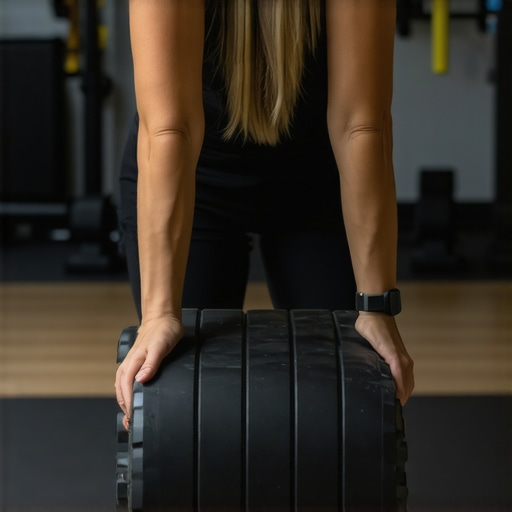
Lie down on your side with a foam roller positioned perpendicular to your mid-back, around the level of your thoracic spine. Support your head with your hands, keeping your elbows wide. This initial setup is crucial to target the correct muscles and prevent unnecessary strain.
Set Your Base
Position yourself so that the foam roller is under your upper back, not the lower ribs or neck. To get a feel for it, gently lean onto the roller, using your legs to support your weight. Remember, your goal is to apply gentle pressure, avoiding any pain or discomfort.
Control Your Movement
Engage your core muscles to keep your back stable. Slowly lift your hips off the ground, then gently roll the foam roller upward along your mid-back, stopping just below the neck. Use your legs for movement, not your arms, to maintain control and prevent overexertion.
Apply Even Pressure
Think of the foam roller as a massage tool—pressing evenly across your muscles enhances relief. If you find a tender spot, pause and hold for 20-30 seconds, allowing muscles to release tension. This pause imitates the effect of a deep tissue massage, encouraging relaxation.
Incorporate Breathing
Coordinate your movements with your breathing. Inhale as you prepare, then exhale slowly as you roll or hold a tender spot. This practice aids relaxation and helps your muscles relax more effectively, much like a chiropractic adjustment that targets deep knots.
Focus on Technique Over Speed
Move slowly—about one inch per second—so your muscles can respond appropriately. Rushing through can cause bruising or soreness. I remember once trying to speed through, and the next day, I was more sore than before. Patience is vital for lasting benefits.
Target Common Trouble Spots
Spend extra time on areas that feel tight or sore. When I applied these focused techniques to my own mid-back, I noticed better mobility within a few days. Just like with chiropractic care, targeted pressure helps realign and relax muscles effectively.
Maintain Consistency
Integrate foam rolling into your routine a few times a week. Consistent application ensures progressive improvements in flexibility and pain relief. Remember, just like a regular visit to a wellness expert, regular self-care yields lasting results.
Safety Tips to Remember
Always avoid rolling directly on the spine or joints. If you experience sharp pain or numbness, stop immediately and consult a professional. Proper technique prevents injury and maximizes the benefits of foam rolling, leading to healthier, more mobile muscles.
While many people believe that alleviating neck or back pain is simply about cracking, stretching, or taking over-the-counter medications, the reality is far more complex and nuanced. One common misconception is that pain always indicates a specific, localized problem requiring immediate manual intervention. However, research indicates that pain can be a symptom of systemic issues like posture compensation patterns or neurological sensitivities that require a holistic approach (source: https://quackersspinal.com/overcoming-chronic-neck-discomfort-insights-from-top-chiropractors).Maintaining your back’s health and mobility over time requires more than just occasional foam rolling. It involves a strategic combination of reliable tools, consistent routines, and knowing when to seek professional guidance. One tool I personally rely on is the Theragun Pro, which delivers targeted percussive therapy to my sore spots, helping me break up muscle knots that tend to reappear after intense workouts or long days at the desk. The deep, localized massage it provides accelerates recovery and keeps my muscles supple, reducing the likelihood of long-term discomfort. Additionally, I incorporate resistance bands like the Rogue Resistance Band Kit to perform controlled strengthening exercises. These bands are versatile and allow me to mimic functional movements, which are crucial for spinal stability and preventing injuries. Using such tools consistently complements chiropractic care and helps reinforce the progress achieved through professional treatments. Looking ahead, I believe digital integration will play a bigger role; smart wearable sensors that monitor posture and muscle tension could soon offer real-time feedback, prompting timely interventions before discomfort escalates. To keep your back resilient, I recommend making a habit of weekly self-assessments with apps like PostureZone, which can detect subtle postural asymmetries and suggest corrective exercises.
How do I maintain my back health over time?
Building a sustainable routine might include quarterly check-ins with a chiropractor, especially if you’re dealing with chronic issues. Regular adjustments ensure your spine stays aligned and can prevent compensatory patterns that lead to pain. Also, integrating mobility drills like the wall angels or thoracic extensions into your daily routine can dramatically improve your posture and reduce strain. A helpful resource I often consult is the article on chiropractic secrets to boost neck comfort, which emphasizes proactive maintenance strategies that go beyond quick fixes. Aligning your habits with expert advice is essential, and it’s worth scheduling periodic evaluations to adapt your routines. Remember, consistency is key; small daily actions like mindful stretching or using tools such as the massage foam roller (see the best way to use a foam roller for back pain) can compound into significant long-term benefits. As you build your toolset, try implementing the 2-minute thoracic bridge for desk workers to open up your chest and improve thoracic mobility—this small step can prevent many postural issues down the line. Regularly reviewing and updating your maintenance plan, including tools and professional consultations, ensures your back remains strong, flexible, and pain-free for years to come.Throughout my journey with back health, I’ve realized that genuine progress stems from unexpected insights—things only experienced practitioners or dedicated enthusiasts uncover over time. One of the most eye-opening lessons I learned is that true mobility isn’t achieved by a single tool, but by understanding the intricate connection between muscle tension, posture habits, and neurological responses. For instance, I used to think that regular foam rolling was enough, but only after integrating targeted exercises and professional guidance did I see meaningful change. Additionally, I discovered that patience and consistency outshine quick fixes, emphasizing that back mobility enhancement is a marathon, not a sprint. Finally, I realized that listening to your body and respecting its signals is crucial; forcing movements can cause setbacks. Embracing these lessons transformed not just my back health but also my approach to self-care, highlighting that the path to mobility is as much about mindset as it is about technique.