The ‘Jefferson Curl’—friend or foe for your back?
It happened on an ordinary morning. I was trying to boost my flexibility, feeling confident I could master that perfect stretch. Instead, I ended up with a sharp twinge in my lower back, a reminder that some exercises carry hidden risks. That moment was a lightbulb for me—questioning whether the Jefferson Curl, a popular mobility move, was actually helping or hurting my back.
Why I Started Questioning the Jefferson Curl
Like many fitness enthusiasts, I was eager to improve my back flexibility and overall mobility. The Jefferson Curl, touted for its supposed benefits, seemed like a game-changer. But early on, I made a common mistake: I pushed beyond my limits without understanding my body’s signals. This misstep highlighted an essential lesson—what works for one person might not be safe for another. In fact, studies suggest that improper stretching techniques can exacerbate pain or cause injury instead of relief (source: https://quackersspinal.com/back-pain-recovery-how-chiropractic-care-transforms-lives).
So, today, I want to share my personal journey—how I came to see the Jefferson Curl not just as a stretch, but as a potential friend or foe—through real-world experience and expert insights. We’ll explore safe practices, common pitfalls, and practical alternatives that can help you decide whether this exercise is right for you.
Are you tired of trying mobility moves that leave you sore or worse, injured? If so, you’re not alone. Many people struggle to differentiate between beneficial techniques and those that might set you back. Let’s dive into the core questions and find clarity together.
Why is my back hurting after seemingly harmless stretches?
Early in my journey, I believed more was better. I thought pushing through discomfort was the mark of progress. Turns out, this approach can be risky—especially with exercises like the Jefferson Curl that involve deep spinal flexion. A mistake I made was neglecting proper warm-up and not listening to my body’s warning signs, which is a common oversight. It’s critical to understand that even well-intentioned moves can backfire if done incorrectly.
For a deeper understanding, check out https://quackersspinal.com/understanding-back-pain-a-guide-to-better-posture-and-mobility. Recognizing these nuances can be the difference between gaining mobility or suffering injury.
Now, with this context in mind, let’s explore whether the Jefferson Curl is truly a friend or a foe for your back—and how you can perform safer alternatives that support your mobility goals without risking your health.
Start with Proper Warm-Up to Prepare Your Spine
Before attempting any deep stretches like the Jefferson Curl, spend at least 5 minutes doing gentle warm-up movements. Light cardio such as brisk walking or arm circles increases blood flow, loosening up your muscles and joints. I recall a time I jumped straight into stretching after sitting for hours; I felt an immediate twinge. Now, I always dedicate time to warming up, which significantly reduces discomfort and injury risk.
Focus on Controlled, Incremental Movements
Rather than rushing into your stretch, move slowly and with control. Think of your spine as a fragile glass—each movement should be deliberate to prevent cracks. As I practiced this approach, I noticed my flexibility improved gradually without pain. For example, during my last session, I lowered into a forward fold with a slight bend in my knees, moving inch by inch, feeling the tension build progressively. This method ensures your body adapts safely, reducing risk.
Listen to Your Body’s Signals and Avoid Overstretching
Pay attention to discomfort or pain signals during stretching. If I felt sharp pain in my lower back, I reduced the range or abandoned the move entirely. Remember, pain isn’t a badge of progress; it’s a warning. Compare your spine to a house’s foundation—forcing it into unnatural positions can cause long-term damage. Instead, aim for gentle tension that feels sustainable. If needed, incorporate positional cues from chiropractors to support proper alignment, which you can learn about at this resource.
Build Strength in Supporting Muscles
Mobility without stability spells trouble. Strengthening core muscles acts as a safeguard, much like scaffolding supports a building. I integrated planks and bird-dogs into my routine, which helped stabilize my spine. Over time, I noticed fewer aches after stretching sessions. Strong supporting muscles reduce the strain during deep flexion exercises, making movements safer and more effective.
Use Proper Technique for Deep Flexion Exercises
When performing moves like the Jefferson Curl, maintain a neutral spine—imagine a thick book resting along your back. Drop the weight gradually, segment by segment, rather than all at once. During my last attempt, I focused on segmental movement, lowering my spine vertebra by vertebra instead of in one smooth motion. This control minimizes undue pressure and ensures safety. Consult tutorials or professionals for correct form, and consider expert tips.
Incorporate Active Recovery and Post-Session Care
After your mobility work, engage in light activity—like walking—to promote circulation and healing. Apply ice or heat if you feel soreness, but avoid continuous stretching if pain persists. A friend of mine experienced a mild strain after an aggressive session; applying ice and scaling back her routine allowed quick recovery. Remember, recovery is crucial to long-term mobility gains.
While many believe that all back and neck pain stems from simple misalignments, the reality is far more complex. The widespread myth that chiropractic adjustments alone can solve chronic discomfort overlooks the intricate interplay of muscular, neurological, and movement patterns. For instance, some practitioners emphasize spinal realignment as the primary fix, yet studies reveal that addressing muscle imbalance and movement training often yields longer-lasting relief (source: https://quackersspinal.com/understanding-back-pain-a-guide-to-better-posture-and-mobility).
Why do so many persistent pain issues resist standard treatments?
Advanced cases often involve learned movement habits and subconscious holding patterns that perpetuate discomfort. These nuances mean that simply correcting posture or spinal alignment without considering functional mobility can be a mistake. Many patients fall into the trap of focusing solely on symptom relief—like popping pills or quick adjustments—while neglecting foundational factors such as stabilizer strength or neural control.
One common misconception is that pain always indicates structural damage requiring invasive intervention. However, research indicates that in many chronic cases, the issue is more about neuromuscular control and mobility restrictions than outright tissue injury. This is why a comprehensive approach, including mobility exercises and soft tissue management, often produces superior outcomes.
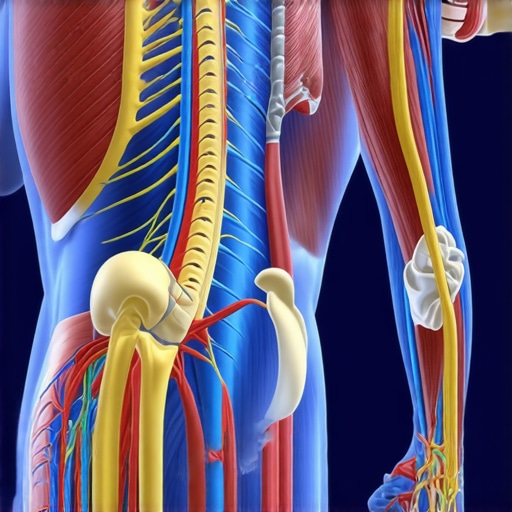
Another subtle trap involves underestimating the impact of movement variability. Rigid routines that omit diverse motion patterns can contribute to stiffness and weakness, paradoxically making the spine more vulnerable. Incorporating varied, controlled movements enhances proprioception and resilience, reducing the risk of flare-ups.
For those exploring solutions, integrating insights from expert sources helps, such as understanding how proper movement and soft tissue care complement chiropractic work. The real expertise lies in recognizing which nuances most people overlook—like the importance of strengthening stabilizing muscles or correcting movement habits—not just seeking quick fixes. If you’re tired of superficial solutions, consider deepening your approach. Want to learn more about sophisticated strategies? Check out this resource.
Are you guilty of ignoring these nuances? Share your experiences or questions below! For a step-by-step guide on mastering your back and neck mobility, visit this comprehensive post.
How do I maintain back and neck health over time?
Maintaining long-term mobility requires more than just occasional stretching; it involves a strategic combination of effective tools, consistent routines, and professional guidance. Personally, I rely on a few key equipment pieces that have proven invaluable in my journey toward sustained back health. One of my top recommendations is the use of a high-density foam roller, specifically designed for mid-back relief. I prefer the 6-inch diameter roller, which offers enough firmness to release muscle knots without causing discomfort. Regular self-myofascial release with this tool has significantly decreased my post-exercise soreness and prevented chronic tightness.
Another essential device is a lumbar support pillow, which I incorporate during long desk sessions or while driving. Proper lumbar support helps maintain the natural curve of the spine, reducing stress on vertebral discs and facet joints. I personally use a memory foam cushion with adjustable height; it aligns my pelvis and supports my lower back, preventing slouching that leads to neck and back pain.
On the software side, I utilize mobility tracking apps like ‘MobilityWOD’ to monitor my daily movement goals. These apps offer guided routines targeting specific areas, ensuring I don’t skip important exercises that build stability and flexibility. Scheduling regular check-ins with a chiropractor is something I highly recommend—having a professional assess your spine and provide tailored adjustments and exercises can make a considerable difference in long-term outcomes.
Looking ahead, I believe technology will continue to revolutionize mobility and pain management. Wearable devices that monitor posture in real-time are becoming more accurate and affordable, empowering individuals to correct habits before pain develops. For example, posture correction wearables that vibrate when you slump are gaining popularity, offering immediate feedback to reinforce healthy habits.
What’s the best way to keep your mobility tools working effectively?
To ensure your tools deliver lasting benefits, establish a routine maintenance schedule. Regularly clean foam rollers with disinfectant spray to keep bacteria at bay, especially if used publicly or shared with family. Check support pillows for indentations or wear; replace them when they lose their shape to sustain proper ergonomic support. Update mobility apps periodically to access new routines, and keep your professional consultations consistent—think of these interventions as part of a long-term health investment.
In my experience, combining physical tools with professional insights creates a synergy that sustains mobility gains. For instance, I integrate soft tissue work with targeted strengthening exercises recommended during chiropractic visits, which together have minimized flare-ups and maximized function.
For those serious about long-term relief, I advise you to try incorporating a segmental rolling technique using your foam roller—focusing on small, controlled movements along your thoracic spine. This method enhances spinal mobility at a granular level, making everyday movements less painful and more efficient. A study from the chiropractic research supports that targeted soft tissue work combined with stability exercises yields enduring results.
Remember, consistency is key. Set a weekly schedule that includes your chosen tools and exercises. Over time, these routines will become your backbone—literally—supporting a healthier, more mobile you. Don’t hesitate to experiment with new techniques or consult professionals to refine your strategies. Eventually, you’ll develop a personalized system that keeps your spine flexible and functional for the long haul.
Ready to take your mobility to the next level? Start by integrating a quick segmental foam rolling session into your day—it’s a small step that can lead to lasting change. For more advanced insights, explore this resource on professional mobility techniques and optimize your routine today.
What I Wish I Knew About Listening to My Body
One of the most impactful lessons I’ve learned is that pain isn’t always the enemy; sometimes, it’s your body’s way of telling you to pause and reassess. Pushing through discomfort with exercises like the Jefferson Curl often led me to setbacks I didn’t anticipate. Truly, understanding my limits and responding with patience transformed my progress from frustration to confidence.
How Small Adjustments Can Save Your Back in the Long Run
Simple changes—like warming up properly, controlling each movement, and strengthening supporting muscles—made a world of difference in my mobility journey. These tweaks prevented injuries and built a foundation for sustainable flexibility, illustrating that greatness often comes from attention to small but vital details.
The Power of Integrating Soft Tissue and Stability Work
I’ve realized that combining soft tissue techniques, such as foam rolling, with targeted stability exercises creates a synergy that propels long-term health. Addressing muscle imbalances alongside mobility efforts ensures a balanced spine, reducing the risk of chronic discomfort and unlocking true resilience.
My Essential Tools for Lasting Back and Neck Comfort
Over time, I curated a toolkit that supports my spinal health: a high-density foam roller for trigger point release, a lumbar support pillow for daily ergonomics, and mobility tracking apps to stay accountable. These resources—trusted through personal experience—empower me daily to maintain and improve my mobility in a meaningful way.
Embrace Your Path: Mobility Is Personal and Ongoing
The journey to a healthier spine isn’t a quick fix—it’s an evolving process. By cultivating awareness, adopting strategic routines, and leveraging reliable tools, you can foster a resilient, pain-free life. Remember, your unique experience is the greatest guide; stay curious, patient, and proactive. If you’re ready to deepen your understanding, explore comprehensive guides like this expert resource.