The nerve-flossing move to calm down leg tingling
It was mid-afternoon, and I was stuck at my desk, feeling that familiar, prickly sensation creeping down my leg. Suddenly, I realized I couldn’t just ignore it anymore. That nerve-pinching discomfort was becoming a minor, yet persistent, annoyance—something I knew all too well from past flare-ups. The flickering hope that a quick stretch would fix it was dashed once again; instead, I found myself helplessly massaging my thigh, wishing I knew a better way.
That moment was a lightbulb for me. I started exploring gentle, practical techniques to soothe that nerve irritation—techniques I could do right at my desk or home. Today, I want to share with you a simple yet powerful move that transformed my approach to leg tingling caused by nerve tension. This isn’t just another stretch—it’s a targeted nerve-flossing exercise that calms down the nerve and restores mobility.
Why This Nerve-Flossing Technique Is a Game-Changer
If you’re tired of numbness, tingling, or that weird crawling sensation creeping into your legs, you’re not alone. Many people experience these symptoms because of nerve irritation—often from tight muscles, poor posture, or repetitive strain. What most don’t realize is that gentle nerve movements, called nerve flossing, can actually ease the irritation without invasive procedures or medication. I’d like to help you understand how this technique works and why it’s worth trying.
Early on, I made the mistake of ignoring these signals, thinking they would pass with time or a quick stretch. But that approach often prolonged and worsened the discomfort. It wasn’t until I learned that specific nerve-flossing moves could free a compressed nerve and reduce tingling that I saw real relief. This method activates and allows the nerve to glide smoothly, preventing it from getting ‘stuck’ and irritated.
Is Nerve Flossing Actually Worth the Hype?
Many skeptics doubt whether simple movements can make a difference, and honestly, I was one of them. The key is doing the correct movements gently and consistently. A common mistake I made early on was trying to force the stretch—don’t do that. Instead, you want controlled, mindful motions that encourage the nerve to slide back and forth, releasing tension gradually.
Research supports this approach; a study published in the Journal of Bodywork and Movement Therapies highlights that nerve flossing can significantly reduce symptoms of nerve compression and improve mobility (https://quackersspinal.com/restore-your-back-mobility-proven-chiropractic-strategies). So, if you’re experiencing persistent leg tingling, these exercises might be just what you need to regain comfort and confidence in your movement.
Now that I’ve shared my journey and dispelled some doubts, let’s dive into the practical steps you can start today to soothe your nerves and get back to living comfortably.
Starting with Gentle Movements
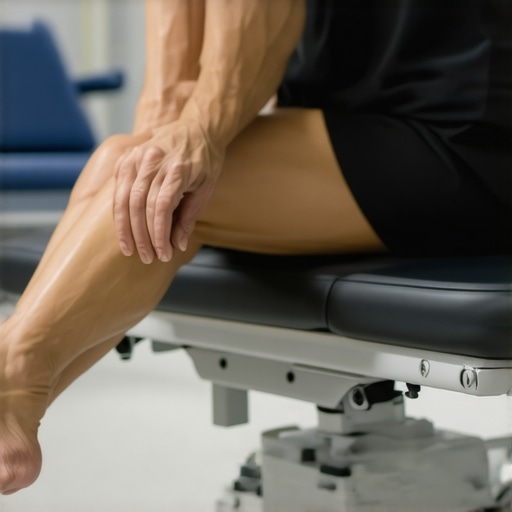
One of the first steps I took was to incorporate gentle nerve-flossing exercises into my routine. I remember a busy afternoon when my leg tingling became unbearable. I sat upright, relaxed my shoulders, and slowly extended my affected leg while flexing my foot. Then, I gently moved my ankle up and down, synchronizing the movement with my knee flexion. This controlled sequence encouraged my nerve to glide smoothly, reducing the irritation. The key here is to perform movements slowly and without force, mimicking a gentle wave passing through your nerve pathway. Try doing this for 1-2 minutes, ensuring each motion remains comfortable and pain-free.
Sequence for Optimal Nerve Glide
Position Your Body Properly
Begin by sitting on a firm chair with good upright posture, feet flat on the ground. Keep your spine aligned and shoulders relaxed. This posture reduces additional strain and allows your nerve to move freely.
Engage in Controlled Limb Movements
Extend the affected leg straight out in front of you, keeping your heel on the ground and toes pointed upward. Slowly flex your foot towards your shin while gently pulling your toes back. Hold this position for a brief moment, then straighten your leg again. Repeat this sequence steadily for about 10 repetitions. Near the end, you can incorporate slow neck movements—like gently turning your head side to side—to promote further nerve mobility, much like a conductor guiding an orchestra to flow harmoniously.
Progress Gradually and Mindfully
Initially, I felt eager to get quick relief, but I learned that rushing can cause more irritation. Instead, I focused on slow, mindful reps, paying attention to any sensations. If I felt a sharp pain or discomfort, I paused and adjusted the movement. With consistent practice, I noticed less tingling and more ease in my leg mobility. Remember, the goal isn’t to stretch to the limit but to facilitate nerve glide gently. If you’re unsure about your technique or want to explore personalized advice, consider consulting a specialist. You can contact us for tailored guidance here.
Many assume that back pain stems solely from muscle strain or injury, leading to a focus on stretching or strengthening without examining the underlying causes. However, a common misconception is that pain always indicates damage needing aggressive treatment. In reality, pain can be a protective response, and misunderstanding this can cause more harm than good. For instance, pushing through pain with intense stretches or exercises can aggravate nerve irritation or disc issues, especially if done without proper guidance. Experts emphasize the importance of recognizing the body’s signals and tailoring interventions accordingly, as seen in studies highlighting the risks of over-aggressive approaches (https://quackersspinal.com/relieve-neck-back-discomfort-using-these-expert-methods).
How do I keep my back and neck pain-free over time?
Maintaining your mobility and preventing setbacks requires more than just occasional stretches. I rely on specific tools and routines to ensure my spine stays healthy for the long haul. One essential device I use regularly is a lumbar roll. I personally prefer a firm rolled-up towel, which I place at the lower back during extended periods of sitting. This simple addition helps maintain the natural curve of my lumbar spine and prevent slouching, a common cause of back pain. For my ergonomic setup, I use a height-adjustable sit-stand desk. Moving between sitting and standing every 30 minutes keeps my muscles active and reduces stiffness. I’ve found that a standing desk significantly reduces discomfort and supports better posture, especially when combined with mindful movement breaks.
To complement physical tools, I utilize specialized software like chiropractic care techniques apps that remind me to perform quick mobility drills throughout the day. These prompts serve as a nudge to reset my posture and avoid prolonged static positions. I also incorporate a foam roller into my weekly routine to release tight muscles and improve my tissue quality. Personally, I prefer a medium-density roller that I use to gently massage my thoracic and lumbar regions, which helps prevent scar tissue buildup and maintains flexibility.
Looking ahead, I predict the trend will move toward smart, wearable devices that monitor spinal alignment in real-time. Imagine a smart posture band that vibrates whenever you slouch, or a sensor-equipped chair providing instant feedback to correct your position. These innovations could make consistent maintenance effortless, turning good habits into automatic routines.
How do I sustain back and neck health over the long term?
Long-term success hinges on consistent habits and being proactive about early warning signs. In addition to using tools like a chiropractic-focused maintenance plan, I schedule regular check-ins with my chiropractor, who helps fine-tune my posture and addresses minor issues before they become major problems. Incorporating tailored exercises—such as targeted nerve flossing and mobility routines—into daily life ensures flexibility and resilience are preserved.
One highly effective method I recommend is the 3-second pelvic reset. This quick, targeted movement can be performed even at your desk to reset your pelvis and alleviate lower back tension. I make a point to practice it several times a day, especially after long periods of sitting. Remember, the key to sustainable health is integrating these tools and techniques into your daily routine, turning them into lasting habits.
If you’re interested in personalized guidance, don’t hesitate to reach out for expert support. Making these small adjustments now can save you from more invasive treatments down the line, ensuring you stay active and pain-free for years to come. Take the challenge to incorporate one new tool or habit today and notice the difference it makes in your mobility and comfort!
Throughout my journey with nerve-related leg tingling, I’ve discovered that some of the most profound lessons come from trial, error, and a willingness to question conventional wisdom. For instance, I once believed that intense stretches were the answer, only to realize that gentle nerve mobilizations made a far greater difference. It became clear that more aggressive approaches often aggravate the problem, a truth I wish I’d embraced sooner. Additionally, I underestimated the role that posture and daily habits played in nerve irritation, prompting me to focus on small, everyday adjustments rather than only on dedicated exercises. Lastly, I learned that patience is vital—relief seldom happens overnight, but consistent, mindful movements pave the way for lasting comfort.