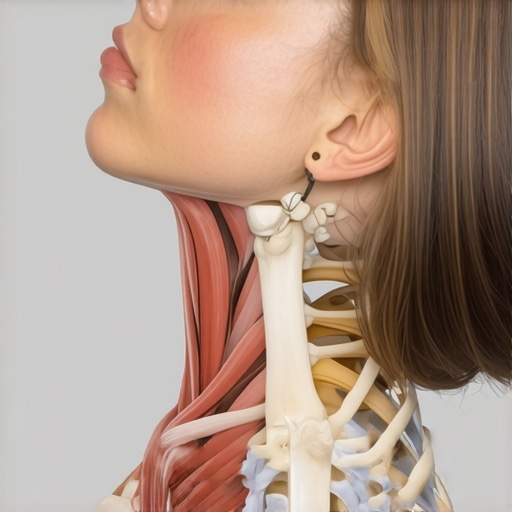
The Simple Move To Stop Your Neck From Popping
I remember the moment vividly—flipping through my morning routine when I suddenly heard that stubborn pop from my neck. It was like my own body was teasing me, giving a little snap just to remind me it had a mind of its own. That persistent clicking? It felt minor, yet somehow it gnawed at my peace, making every turn of my head a bit more uncomfortable. I knew I had to do something before it turned into a real pain issue. Today, I want to share a simple move that finally helped me put that annoying neck pop to rest—something I wish I had discovered sooner.
Why That Neck Pop Is a Sign You Shouldn’t Ignore
Many folks brush off that little crack as harmless, but let me tell you—it’s often a signal that your neck’s mobility is compromised. If you’re like me, maybe you’ve dismissed it as just ‘bad posture’ or ‘getting older,’ but what if it’s more? According to chiropractic experts, frequent neck popping can hint at underlying joint or tissue issues that, if left unaddressed, may lead to more serious discomfort or even nerve irritations. That’s why taking proactive steps can save you from a lot of future suffering.
Is Neck Cracking Actually Harmful or Just Annoying?
Initially, I thought that cracking my neck was just a harmless quirk—a way to momentarily loosen up my joints. But I learned early on that relying solely on that pop was a mistake. It became a habit that masked the real problem: stiff joints needing gentle intervention. As I dived into the topic, I realized frequent self-manipulation without understanding the mechanics can actually worsen the problem. Improving my neck health required more than just cracking; it called for mindful movement and strategic adjustments.
If you’ve been experiencing this pesky neck popping, it’s likely you’ve asked yourself whether you can fix it on your own or if it’s best left to the pros. I’ll walk you through a simple, proven move—one that’s helped countless others (including myself)—to restore natural mobility and reduce that uncomfortable pop. So, ready to stop the popping and start moving freely again? Let’s dive into a move you can do today, right at home.
Try This Gentle Neck Reset
Start by sitting upright in a chair with your back straight and shoulders relaxed. Place your fingertips on the sides of your head, just above your ears. Gently tilt your chin toward your chest, feeling a stretch along the back of your neck. Hold for 5 seconds, then slowly lift your chin back to neutral. Repeat this move 8-10 times. This simple motion helps loosen stiff joints, much like warming up a rusty hinge before opening it widely.
Improve Your Posture With Micro-Adjustments
During your day, consciously adjust your head and neck position. Imagine your head is a heavy ball balanced atop your spine—keep it aligned and avoid jutting your chin forward. Every hour, take a moment to reset. Sit tall, draw your shoulders back slightly, and gently tuck your chin in as if trying to create a double chin. This small change reduces strain, similar to tightening a loose screw to keep your door swinging smoothly.
Incorporate Thoracic Mobility Drills
Mobility in your mid-back supports your neck. Sit on the edge of a chair, cross your arms over your chest, and gently twist your torso to one side, aiming to look over your shoulder. Hold for 3 seconds, then switch sides. Think of this like oiling a stubborn gear—it ensures smooth movement and prevents catching or popping in your neck. Repeat 8-10 times per side.
Use Deep Breathing to Relax Tension
Stress and tension often contribute to muscle tightness and joint issues. Sit comfortably, breathe in slowly through your nose, expanding your diaphragm. Hold briefly, then exhale fully through your mouth. Repeat for 30 seconds. This practice acts like a reset button for your nervous system, reducing muscle tightness and helping your joints move more freely, much like releasing tension in a bowstring before drawing again.
Apply Self-Myofascial Release
Gently press a soft massage ball or your fist against the side of your neck, just below your skull. Apply light pressure and roll in small circles for 20-30 seconds. This technique helps break up adhesions in your fascia—connective tissue that can restrict movement and cause clicking. Think of it as untangling a knot in a rope, restoring flexibility and reducing that persistent pop.
Maintain Consistency for Lasting Relief
Perform these exercises daily, especially if you notice the neck pop returning. Over time, the joint’s protective surface repairs itself, much like scuffed paint repairing over time, leading to smoother and quieter movement. Remember, patience is key; small, consistent steps lead to significant improvements. If discomfort persists or worsens, consider consulting a specialist to ensure proper diagnosis and tailored care—preventing minor nuisances from turning into chronic issues.
Many believe that chiropractic adjustments are a quick fix or that they can solely replace traditional medical treatments. However, this oversimplification ignores the nuanced role chiropractors play in holistic spinal health. For example, some patients think that once their pain subsides, no further care is needed, but in reality, ongoing maintenance and addressing lifestyle factors are crucial for lasting results. This misconception can lead to missed opportunities for preventing future issues. An advanced mistake often overlooked is relying solely on passive treatments like adjustments without integrating active strategies—such as exercise and ergonomics—that empower the patient. According to research published in the Journal of Manipulative and Physiological Therapeutics, combining chiropractic care with active patient participation significantly improves long-term outcomes.
Why Do Some People Still Believe Adjustments Are the Ultimate Solution?
It’s important to recognize that adjustments are just one piece of the puzzle. While they can provide immediate relief, neglecting other aspects like posture, muscle strength, and movement patterns limits their effectiveness. Furthermore, overemphasizing quick fixes can create dependency, preventing individuals from addressing the root causes of their pain or mobility issues. A deeper understanding suggests that educating patients about proper movement and lifestyle modifications is equally, if not more, important. If you’re curious about how to create a sustainable plan for spinal health, check out our comprehensive guide on better posture and mobility. Also, beware of the trap of thinking that pain is always an indicator of injury; sometimes, pain persists due to unresolved movement dysfunction or muscular imbalances, which require a nuanced approach. For those ready to optimize their spinal health, combining chiropractic strategies with active, informed habits leads to more resilient and pain-free living. Want to learn more? Visit our contact page for personalized advice. Remember, lasting change involves understanding the complexity behind the pain—it’s rarely just a quick fix. Have you ever fallen into this trap? Let me know in the comments.Maintaining your spinal health over time requires effective tools and consistent strategies. Personally, I rely heavily on a high-quality foam roller to address fascia adhesions that can cause persistent tension and clicking in the neck and back. I opt for a 36-inch dense foam roller because it provides versatile pressure and allows for targeted myofascial release along the thoracic spine, which supports proper posture and mobility. Additionally, I use a lacrosse ball to perform deep tissue work on tight muscles around the shoulder blades and neck. These tools help me break up knots and improve circulation, preventing deeper issues from developing. For tracking my progress and ensuring consistency, I incorporate wearable posture sensors like Upright GO. These smart devices offer real-time feedback, helping me correct posture deviations throughout the day. As I’ve found through immersive practice, technology combined with manual techniques creates a solid foundation for long-term spinal health.
How do I keep my back and neck healthy year-round?
Building a sustainable routine involves integrating mobility drills, ergonomic adjustments, and regular check-ins. I recommend scheduling weekly self-assessment sessions using simple tests like the wall thoracic mobility test, which you can find detailed at this resource. Pair this with daily habits such as micro-stretching and posture tweaks supported by apps like Upright. Looking ahead, I believe the trend will lean towards personalized digital health solutions—using AI-powered posture coaching and biofeedback to automate long-term maintenance, making it easier and more accessible for everyone. Staying proactive with tools like foam rollers, targeted soft tissue work, and wearable tech can significantly extend the benefits of chiropractic care and prevent setbacks. If you’re interested in a comprehensive plan, visit our dedicated page on restoring your mobility. Remember, the key to lasting results is consistency and the right tools—don’t wait for pain to force you into it. Start integrating these strategies today and feel the difference over time.
Uncovering the False Comfort of Ignoring Small Signs
One of the most eye-opening lessons I learned was that those seemingly minor neck pops aren’t just nuisances—they’re messengers warning of underlying issues, often overlooked in our busy lives. Realizing this shifted my perspective; I stopped dismissing the clicks and started addressing my movement habits before pain became a fixture. Trust me, paying attention to these subtle cues can save you from bigger health challenges later on.
What Nobody Tells You About Neck Clicking
Many think neck pops are harmless, but in my journey, I discovered they often indicate joint stiffness or early cartilage wear that, if ignored, can escalate. Initial relief from cracking might seem satisfying, but it’s like covering up a leak instead of fixing the pipe—temporary comfort that ends up costing more in the long run. Being proactive by integrating simple mobility drills helped me regain natural movement and reduce those pesky noises.
My Personal Game-Changer for Quiet, Pain-Free Movement
Integrating the gentle neck resets I explored—like the seated chin tuck and thoracic twists—made a profound difference. These exercises loosened stiff areas and promoted proper alignment, acting like oiling a squeaky hinge. Plus, conscious posture tweaks throughout my day prevented the pop-reaction cycle, cultivating lasting mobility. Such strategies aren’t just temporary fixes—they’re investments in your long-term spinal health.
Deep Dive into the Hidden Tricks of Neck Freedom
Are you curious about how to truly free your neck from lingering tension? Exploring soft tissue work with tools like foam rollers and lacrosse balls became part of my routine, ensuring fascia adhesions didn’t tighten and cause more clicks. Pairing manual techniques with smart tech—like posture sensors—offered real-time feedback, turning small daily actions into powerful, lasting improvements. These insights can work wonders for anyone serious about reversing chronic neck stiffness.
Embrace Consistency and Smart Habits for Lifelong Mobility
My advice is simple but vital: commit to a daily mobility routine, make ergonomic adjustments a habit, and stay curious about your body’s signals. Over time, this approach builds resilience, much like training muscles to withstand daily stresses. Remember, enduring change comes from consistent small steps—don’t wait until discomfort becomes pain. If you want more tips on maintaining a healthy neck, our comprehensive guide on better posture and mobility can serve as a valuable resource to support your journey.