Why your favorite recliner is the enemy of your lumbar discs
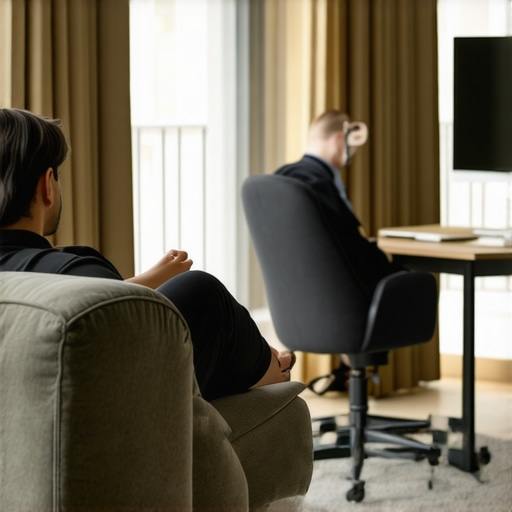
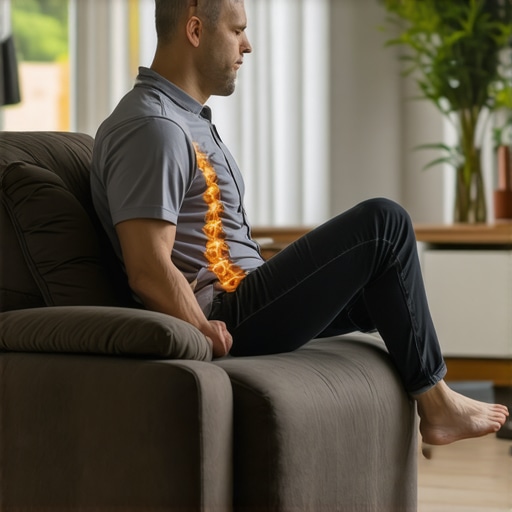
It was late evening, and I was sinking into my beloved recliner after a long, stressful day. A moment of pure relaxation—until I felt that familiar, nagging ache in my lower back. Suddenly, what once felt like comfort turned into a source of pain. That lightbulb moment hit me hard: my favorite chair was secretly working against my lumbar discs, making my pain worse.
If you’ve ever found yourself contemplating whether that cozy recliner is actually doing your back more harm than good, you’re not alone. I used to dismiss my back pain as just part of aging or work stress. But over time, I realized that the way I sit—and the furniture I choose—can significantly impact spinal health.
Today, I want to share with you what I’ve learned about the relationship between our seating habits and lumbar disc health. The goal? To help you recognize risky behaviors and guide you toward smarter choices that support your spine.
The Hidden Dangers of Lazy Lounging: Why Comfort Can Be Deceiving
Many of us love sinking into our recliners or sofas after hours of work. It feels like a well-deserved rest, right? But here’s the catch: prolonged sitting, especially in poorly supportive chairs, can place excessive pressure on your lumbar discs. Over time, this can accelerate degeneration, leading to chronic pain and limited mobility.
A fascinating study published in the European Spine Journal revealed that certain sitting postures increase disc pressure by up to 250% compared to standing. That means every hour spent hunched over in an unsupportive chair stacks the deck against your spine.
I made the mistake early on of dismissing my discomfort as something temporary. I thought as long as I was sitting comfortably, my spine would be fine. Turns out, comfort isn’t the same as support. That misconception cost me several months of unnecessary pain.
So, have you ever experienced that familiar slump or back ache after sitting for a while? Recognizing these signs is the first step toward making changes that genuinely benefit your back.
Becoming aware of how your favorite seating options affect your lumbar discs can open the door to better habits. In the next sections, I’ll guide you through practical strategies grounded in expert advice to help you revitalize your mobility and protect your spinal health.
Adjust Your Sitting Posture Immediately
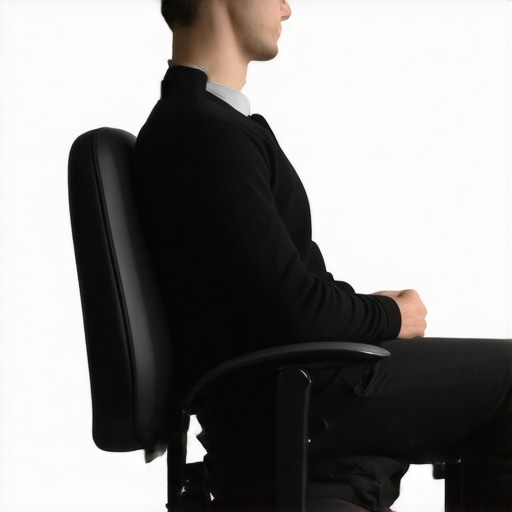
Start by sitting with your back fully supported. Use a lumbar roll or a small pillow to fill the gap in your lower back, mimicking the natural curve of your spine. Sit with feet flat on the ground, knees at a 90-degree angle, and avoid crossing legs, which can tilt your pelvis and increase disc pressure. Cue yourself to maintain an upright posture, engaging your core muscles as a natural brace, much like tightening a belt around your waist.
Practicing Micro-Movements to Prevent Stiffness
Every 20 minutes, get up and perform gentle pelvic tilts and torso rotations. Imagine your pelvis as a bowl of water; gentle tilts help keep the discs healthy by promoting fluid exchange. During my last workstation setup, I set a timer and paused to do these movements. Initially, it looked awkward, but over a week, my discomfort diminished significantly. Consistency is key: small, frequent movements keep the discs nourished and reduce static pressure.
Learn the Proper Lifting Technique
Protect your discs when lifting heavy objects by hinging at the hips, not bending your waist. Think of your spine as a tube: bending from the hips keeps the load close to your center of gravity, reducing strain. Drive through your heels, tighten your core, and lift by extending your hips and knees simultaneously. I once tried to lift a bulky box without bending my knees, feeling immediate discomfort. Correcting my technique instantly alleviated the pain, proving that proper form is vital for disc health.
Implement Core Stability Exercises with Precision
Engage in targeted exercises like the bird-dog or plank variations to strengthen your deep core muscles. Focus on controlled, deliberate movements—Imagine drawing in your belly button without holding your breath. During my routine, I used a mirror to monitor my form, ensuring I wasn’t compensating by overusing superficial muscles. Well-executed core strengthening supports your lumbar discs, and guidance from reputable sources like this article can provide personalized plans.
Optimize Your Sleeping Position for Disc Nutrition
Sleep on your side with a supportive pillow that keeps your neck aligned with your spine. Place a pillow between your knees to prevent pelvis rotation and keep the lumbar region neutral. Avoid sleeping prone, as face-down positions twist your spine and compress discs. A recent experience with a new pillow significantly reduced my morning back stiffness, highlighting the impact of sleeping ergonomics.
Limit Prolonged Static Sitting
Set a timer to stand or walk every 30 minutes during long work sessions. Think of your discs as a sponge—they need movement to absorb nutrients and expel waste. Incorporate brief stretches like the hip flexor or hamstring stretch to relieve tension that can pull your pelvis out of alignment. Using these strategies, I prevented the cumulative pressure that once caused daily discomfort, demonstrating that regular change of position is crucial.
Leverage Supportive Tools Wisely
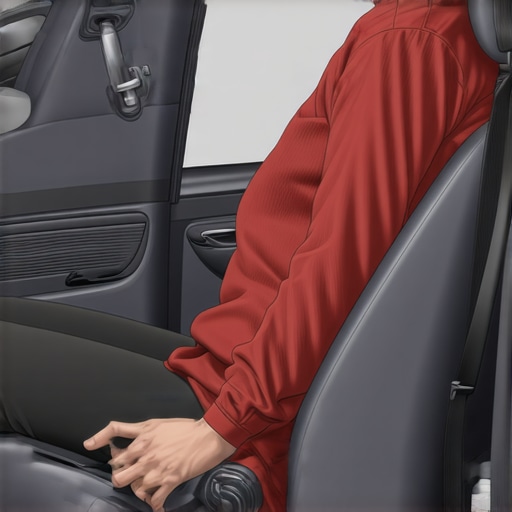
If your daily routine involves long drives or desk work, consider ergonomic aids such as lumbar supports or sit-stand desks. Adjust your chair height so your hips are slightly higher than your knees, facilitating better disc loading. An ill-fitting chair caused me to slump repeatedly, aggravating my pain. Once I corrected my seating with proper supports, my lumbar discomfort eased, confirming the importance of tailored ergonomic tools.
By integrating these concrete steps, you build a resilient foundation that shields your lumbar discs from unnecessary stress. Each adjustment tightens your understanding of how to support your spine proactively, turning habits into healthy patterns over time. Keep refining your technique, because your back’s health depends on consistent, mindful actions.
Many people believe that simply visiting a chiropractor will fix their back or neck pain permanently. However, this oversimplifies a complex issue rooted in biomechanics and neuromuscular health. A popular myth suggests that chiropractic adjustments alone can restore full mobility and eliminate pain, but research indicates that combining manipulative therapy with personalized exercise programs yields better, sustained results (see here). This misconception can lead patients to rely solely on quick fixes rather than addressing underlying movement patterns.
An oops factor many overlook is the danger of applying aggressive manipulation without proper assessment of the nervous system or understanding of joint stability. Over-manipulation can cause ligamentous injuries or exacerbate discomfort, especially if tissues are inflamed or degenerated. Hence, a nuanced approach that includes soft tissue work, neuromuscular re-education, and movement retraining is crucial.
For those exploring advanced solutions, consider the question: How does the position and support of your cervical spine influence overall neck health? The answer involves understanding that areas like the upper cervical region serve as pivotal anchors for head posture; misalignments here can lead to compensatory strain down the spine. Correcting this involves not just chiropractic adjustments, but also targeted exercises and ergonomic modifications (more details here). Recognizing these subtle connections helps prevent recurring pain.
Adding to the complexity, research shows that the relationship between spinal health and neurological function is more intertwined than previously thought. For instance, poor posture can disrupt proprioception and motor control, leading to a cycle of weakness and discomfort. Addressing this requires a comprehensive plan that emphasizes education on proper movement techniques, as seen in mobility mastery strategies.
Don’t fall into the trap of thinking that all back and neck pains are purely structural. Often, emotional stress, poor sleep, or dietary factors play subtle roles in amplifying symptoms. Hence, an integrated approach—combining chiropractic, physical therapy, lifestyle modifications, and mindfulness—provides the best prognosis for lasting relief.
Have you ever fallen into this trap? Let me know in the comments. Recognizing the hidden nuances can transform your healing journey from frustration into empowerment.Maintaining your back and neck health over the long term requires more than just good habits—it’s about leveraging the right tools and techniques to support your progress. One of my go-to tools is a high-quality lumbar support cushion, which I personally use during long office hours. It helps sustain proper lumbar curvature, reducing disc pressure and preventing slouching. Additionally, I swear by a set of resistance bands for rehab exercises and strengthening routines. They allow for controlled, targeted movements like pelvic tilts or upper back extensions, which are crucial for maintaining spinal stability. For deep tissue work, I recommend a foam roller designed specifically for the back and hips. Using a dense roller gently over tight areas helps break down adhesions and improves circulation, which is vital for disc and muscle health. On the tech side, I use a posture correction app that guides me through daily checks and reminders, ensuring I don’t fall into poor habits during the day. These apps analyze your posture via your smartphone camera and give actionable feedback. Looking ahead, I believe the integration of wearable tech—like smart posture sensors—will revolutionize how we maintain spinal health, offering real-time feedback and customized corrective exercises. To truly keep your spine in top shape, I suggest implementing a routine of daily micro-movements guided by these tools, especially focusing on core stability exercises. For example, scheduled pelvic tilts using resistance bands can strengthen key stabilizers and prevent degeneration. How do I maintain my mobility over time? I incorporate targeted stretching, consistent use of support devices, and regular check-ins with my chiropractor. Consistency with these tools has helped me avoid prolonged setbacks and keeps me active. As you adopt these tools, remember that success comes from integrating them into your daily routine. For an extra edge, try the deep tissue foam rolling technique I mentioned; it can make a significant difference in your recovery process. For more insights on how to optimize your mobility naturally with chiropractic care, visit https://quackersspinal.com/enhance-mobility-naturally-with-chiropractic-care.
Throughout my years of exploring spinal health, I’ve learned that the most profound lessons often come from my own missteps and observations. One of the hardest lessons I uncovered was realizing that even the most comfortable furniture can subtly sabotage our mobility and comfort. I once believed that a plush recliner was my sanctuary, but it silently contributed to my recurring back issues. That revelation prompted me to dig deeper into how our environment and habits influence spinal well-being.
Another insight that shifted my perspective was understanding that quick fixes aren’t enough. While chiropractic adjustments provide relief, sustainable healing stems from consistent movement, posture awareness, and lifestyle adjustments. Recognizing that my daily routines and choices hold the power to either support or undermine my spine was transformative. Embracing this knowledge has empowered me to take proactive steps, turning complex challenges into manageable, even inspiring, journeys of recovery.
Lastly, I’ve come to appreciate that spinal health isn’t just a static goal—it’s a dynamic process. It requires patience, curiosity, and a willingness to adapt. Whether it’s refining my sitting habits, exploring new mobility exercises, or simply listening to my body’s signals, each small step builds toward a resilient, healthier back. Remember, the path to lasting spinal vitality is uniquely yours—embrace it with confidence and curiosity.