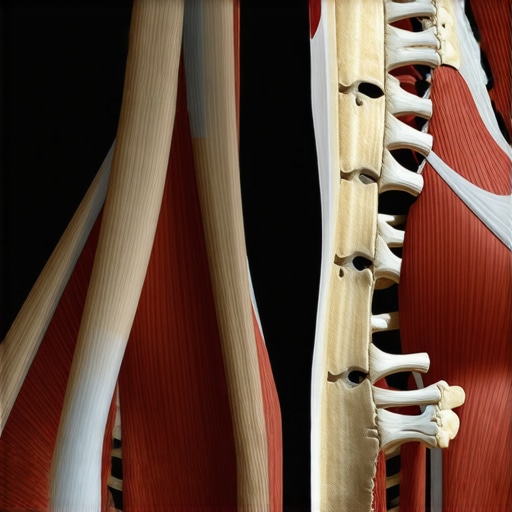
The simple towel roll trick for neck relief at your desk
I remember the exact moment I realized my daily desk routine was slowly turning me into a pain-numbed zombie. My neck and shoulders were constantly stiff, headaches became routine, and even simple tasks felt like battles against my own body. It was a frustrating cycle—hours of work, followed by aching muscles and sleepless nights. Then, one busy afternoon, during a quick break, I stumbled upon a surprisingly simple solution that changed everything—just a towel, a few rolls, and a minute of my time.
The Breakthrough That Gave Me Lasting Relief
The moment I started using a towel roll beneath my neck, everything shifted. It was like giving my spine a gentle, supportive pillow exactly where I needed it. What struck me most was how such a straightforward hack could make such a difference—no expensive gadgets, no invasive procedures, just a common household item used in a new way. And honestly, I wondered why I hadn’t tried this sooner.
Before you dismiss it as too simple, let me tell you—this isn’t just about comfort. Proper neck support during long sitting hours can significantly prevent chronic pain and even reduce tension headaches, as supported by recent studies highlighting the importance of spinal alignment for overall wellness (*source: [Quackers Spinal](https://quackersspinal.com/unlock-neck-pain-relief-essential-chiropractic-tips-for-2025)*).
The best part? Once I integrated this small trick into my daily routine, I noticed a dramatic improvement. No more stiffness in the mornings, fewer headaches, and I felt more mobile and energized throughout the day. If you’re like me, fighting to keep your neck pain in check while glued to a desk, this could be your game-changer.
Today, I want to walk you through how simple it can be to implement this technique effectively, so you can enjoy relief without complicated gadgets or costly treatments. But first, I know skepticism is normal—so let’s address your biggest concerns.
Position Your Neck Correctly Before Sitting
Start by adjusting your screen and chair so your neck stays in a neutral position. Use an ergonomic chair that supports your lower back and keeps your head aligned over your shoulders. Remember, a forward head posture mimics looking down at your phone for hours—think of your neck as a tree trunk supporting a delicate branch; if the trunk tilts, everything above suffers. I once caught myself slouching during a long workday, and I immediately adjusted my monitor height, which instantly reduced my neck strain.
Use a Towel to Support Your Neck During Breaks
Lay a towel along the back of your neck when you take short breaks. Roll the towel into a thick, firm cylinder—like a sturdy doughnut—and place it behind your neck while sitting or resting. It acts as a gentle pillar, aligning your cervical spine. I tried this during a particularly tense afternoon, and it felt like my neck was getting a chiropractic adjustment from a pro. The secret is ensuring the towel fills the gap between your neck and the chair, promoting proper spinal support.
Perfect the Towel Placement
Position the towel so it supports the curve of your neck, not just its base. Adjust the roll until you feel a gentle lacing sensation that relaxes your muscles. It’s not about forcing a perfect shape but letting your muscles settle into a more relaxed posture. That day, I placed the towel slightly higher, which relieved my tension headaches and made me feel more mobile afterwards.
Sit and Stand with a Full Posture Check
Before resuming work, pause to evaluate your posture. Stand tall, pretend there’s a string pulling your head upward, align your ears with your shoulders, and tuck your chin slightly. This natural correction helps avoid creating a “tech-neck” that strains your cervical spine. Once, during a break, I noticed my shoulders creeping forward, so I reset my position, and within minutes, my neck discomfort diminished. Think of this as resetting your spine like a router—regular configuration maintains smooth operation.
Stretch and Mobilize Your Neck Gently
Engage in simple neck rotations and tilts every 30 minutes. Gently turn your head side to side, hold each position briefly, and avoid forcing any movement. Consider a visual cue: picture your neck as a flexible straw—bend and twist it slowly, not like a stiff pipe. I once ignored this advice during a busy day and ended up with a tension headache; once I incorporated deliberate, gentle movements, the pain eased significantly.
Incorporate Micro-Movements into Your Routine
Lift your shoulders up towards your ears, hold, and then relax—this relieves trapped tension. Also, extend your neck by slightly tilting your chin upward, as if signaling “yes,” but do this slowly. Repeating these small motions several times a day keeps muscles supple and prevents stiffness. I found that combining these movements with mindful posture checks transformed my daily comfort, preventing pain before it gets worse.
Many people believe that back pain, neck issues, and mobility problems are simply inevitable parts of aging or the result of a single injury. However, these assumptions often overlook critical nuances that can influence your recovery and long-term health. For instance, a widespread myth is that chiropractic adjustments are a quick fix for chronic pain; in reality, they should be part of a comprehensive approach addressing posture, movement patterns, and lifestyle habits [see our guide on chiropractic care for lasting relief](https://quackersspinal.com/back-pain-recovery-how-chiropractic-care-transforms-lives).Maintaining your spinal wellness over time requires more than quick fixes; it involves consistent use of effective tools and adopting routines that support mobility and pain prevention. One of my favorite devices is the portable immobilization foam roller, which I personally use daily to target tightness in my lumbar and thoracic regions. Unlike bulky traditional rollers, this compact tool easily fits into my bag, allowing me to perform targeted self-mobilizations during breaks. Incorporating regular foam rolling sessions has been shown to improve flexibility and reduce muscle adhesions, vital for preventing chronic issues (*source: [Chiropractic Secrets](https://quackersspinal.com/chiropractic-secrets-to-boost-neck-comfort-and-function)*).
Another essential tool in my regimen is a cervical traction device. I personally use a moderate tension cervical collar for 10-minute daily sessions to decompress my neck discs. It’s straightforward to set up and has reliably alleviated tension headaches and neck stiffness. Proper decompression not only alleviates pain but also promotes nutrient flow to intervertebral discs—crucial for long-term disc health. Experts suggest that targeted traction can have lasting benefits when integrated regularly into a holistic care plan (*source: [Effective Neck Pain Management](https://quackersspinal.com/effective-neck-pain-management-a-step-by-step-guide)*).
Beyond hardware, I rely heavily on specialized software like posture tracking apps. My favorite, PosturePro, alerts me when I slouch or adopt poor alignment during my workday. These digital tools act as real-time reminders, making habitual corrections easier and more automatic. Consistency here is key—over time, this practice helps rewire my ergonomic habits, reducing the risk of chronic neck and back issues. Looking ahead, I predict that wearable technology will become even more integrated with personalized chiropractic insights, giving us real-time feedback and tailored exercises for ongoing prevention.
**If you’re serious about maintaining your mobility and preventing long-term discomfort**, I recommend trying advanced techniques like daily self-myofascial release with a portable foam roller. Commit for just five minutes each morning, and watch how your posture and pain levels improve over weeks. Remember, small, consistent steps yield the biggest results in spinal health.
Lessons no one told me about neck relief
One of the most eye-opening lessons was realizing that consistent small adjustments outperform sporadic intense treatments. I once believed that only massive, costly interventions could truly help, but I learned that daily micro-movements and ergonomic tweaks have a cumulative, powerful effect. Also, I discovered that my posture habits—especially while using devices—had a bigger impact on my neck than I imagined, revealing the importance of mindfulness in every moment. Lastly, understanding that my body’s signals—like minor twinges—are red flags pushing me to act earlier, prevented many issues from escalating.
Tools and insights that changed my approach to neck health
Real progress came from integrating reliable tools like a quality foam roller and a cervical traction device, which I trust because they target pain at its source without needing expensive visits. The book “Neck Pain No More” provided science-backed strategies that transformed how I view everyday habits. I also rely on posture tracking apps like PosturePro to keep my habits in check, making self-awareness effortless. These resources empowered me to take control of my neck health in a sustainable way, avoiding dependency on quick fixes.
Take charge and reshape your journey to mobility
Your neck health isn’t just about relief—it’s about reclaiming your confidence and comfort day after day. Small changes, consistent effort, and trusted tools can dramatically change your experience. Remember, your body is a resilient companion when treated with mindfulness and care. So, why wait until pain takes over? Start today, make simple adjustments, and enjoy the freedom of a mobile, pain-free neck. Your journey to lasting neck wellness begins now—embrace it.
Have you tried any unconventional tips or tools to relieve neck pain? Share your experience below—I’d love to hear your story!