Why We Check Your Pelvis to Solve Mid-Back Tension
I vividly remember the moment I realized I’d been missing a crucial piece of the puzzle in resolving my persistent mid-back tension. Despite endless stretches, adjustments, and even a few failed visits to chiropractors, that nagging ache clung stubbornly on. One day, it hit me—maybe I hadn’t been looking in the right place. That lightbulb moment led me down a path of discovery: the pelvis could very well hold the key to easing my discomfort. Now, I want to share this insight with you because many people suffer in silence, unaware that their pelvis might be the hidden culprit behind their back pain.
Unlocking the Hidden Connection: Pelvis and Mid-Back Tension
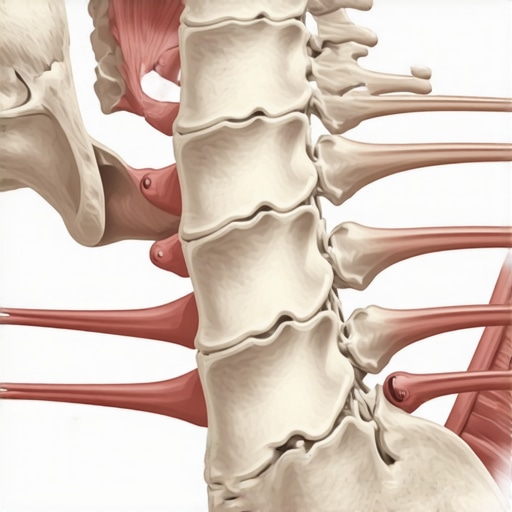
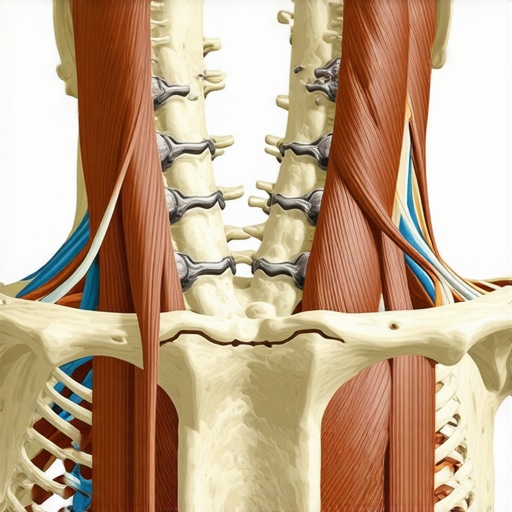
Our bodies are intricate systems where everything is connected. Sometimes, the pain we feel in the mid-back isn’t just about the muscles or vertebrae in that area; it’s a signal that something elsewhere isn’t aligned properly. The pelvis, often overlooked, plays a foundational role in our posture and movement patterns. When the pelvis is tilted, rotated, or misaligned, it can create a domino effect, causing tension to ripple up to the mid-back region. This is why focusing solely on the area of pain might not produce lasting relief.
Early in my career, I made a classic mistake—treating only the mid-back without considering the pelvis. I wasted time, money, and frustration on methods that provided only temporary relief. It wasn’t until I started exploring pelvic assessments and adjustments that I finally noticed consistent, meaningful improvements. That’s when I realized checking your pelvis isn’t just a chiropractor’s fancy step; it’s often the missing link to true, lasting relief.
If you’ve been battling mid-back tension despite various therapies, it might be worth considering whether your pelvic alignment could be contributing. Our team at https://quackersspinal.com/boost-mobility-ease-pain-chiropractic-techniques-unveiled delves deeper into how pelvic adjustments can significantly improve mobility and reduce discomfort. But first, let’s explore what might be holding you back from addressing this root cause—and how you can start taking those crucial first steps toward lasting relief.
Start with a Pelvic Assessment
During my messy trial-and-error phase, I used a simple mirror and my hands to check for obvious pelvic tilts. Stand sideways in front of a mirror, and observe if one hip appears higher or rotated forward. This quick visual check often uncovered imbalances I wasn’t aware of. For a better assessment, lying on your back and feeling for asymmetry can reveal hidden misalignments that may perpetuate your mid-back tension.
Incorporate Targeted Pelvic Exercises
Pelvic Tilts and Bridges
Once aware of your tilt, perform pelvic tilts by gently arching and flattening your lower back while lying on your back. Follow this by bridge exercises—lie on your back with knees bent, lift your hips until your body forms a straight line. These moves activate and stabilize your pelvic muscles. In my case, practicing these a few times daily improved my pelvic posture over two weeks, significantly reducing mid-back soreness.
Core Strengthening Works Wonders
A strong core supports pelvic stability. Planks, side planks, and bird-dogs are excellent. For instance, I struggled with maintaining proper form initially, but focusing on engaging my abs and glutes during bird-dogs helped me control pelvic movement better, alleviating strain in my mid-back.
Align and Mobilize with Chiropractic Techniques
After consistent exercises, I visited a chiropractor trained in assessing pelvic alignment. Gentle, precise adjustments re-centered my pelvis. Think of your pelvis as the foundation of a building; if it’s tilted, the entire structure becomes unstable. Regular chiropractic care, combined with mobility routines, enhances overall posture. To learn more about how these adjustments influence mobility, visit this guide.
Use Foam Rolling and Stretching to Release Tension
Target tight hip flexors and hamstrings with foam rolling. I spent 5 minutes daily rolling under my hips and upper thighs, which helped reduce anterior pelvic tilt. Followed by gentle stretches like the pigeon pose or hip flexor stretches, these practices loosened tight muscles causing misalignment. Remember, consistency matters to see lasting changes.
Maintain Awareness and Adjust Posture Throughout the Day
Throughout the messy process, I kept reminding myself to avoid slouching or crossing my legs during work. Setting a timer every 30 minutes to check my posture prevented regression. Simple cues, like placing a sticky note on your monitor, can serve as constant reminders. These subtle shifts compound over time, helping your pelvis stay aligned and prevent mid-back tension.
Most people believe that stretching is the ultimate solution for all types of pain, especially neck and back discomfort. However, this oversimplification neglects the nuanced interplay between joint mobility, muscle imbalances, and spinal alignment. For instance, many assume that increasing flexibility alone will resolve chronic pain, but in reality, a lack of motor control and poor joint stability often undermine these efforts, leading to fleeting relief.
A prevalent myth is that chiropractic adjustments provide instant and permanent fixes. While adjustments can be highly effective in restoring joint mobility, they should be viewed as part of a comprehensive approach that includes strengthening and stabilization exercises. Relying solely on adjustments without addressing underlying movement dysfunctions is a common mistake that hampers long-term recovery. As this resource explains, integrating mobility techniques with targeted therapy enhances results significantly.
One trap to avoid is the belief that pain is always a sign to rest completely. Sometimes, inactivity can lead to joint stiffening and muscle weakness, which then perpetuate pain cycles. Encouraging controlled movement and functional mobility exercises can prevent these issues, promoting better tissue health and resilience. An advanced perspective emerges when we consider the importance of neuromuscular control — ensuring the nervous system properly recruits muscles for stability, rather than just focusing on flexibility.
What Do Experts Say About Mobility and Pain Management?
Dr. Kelly Starrett, a renowned physical therapist, emphasizes that understanding the difference between mobility and stability is crucial. Overemphasizing passive stretches without strengthening the supporting muscles may lead to instability — making the joints more susceptible to future injury. Research supports this approach; a study published in The Journal of Orthopaedic & Sports Physical Therapy highlights that programs combining mobility, stability, and motor control are superior to stretching-only regimens for managing chronic spinal conditions. This underscores the importance of a balanced, sophisticated approach to movement therapy.
In my practice, I’ve seen many fall into the trap of pursuing aggressive stretching routines that worsen their condition. Instead, focusing on controlled, purposeful movements—like breath-supported core activation and segmental mobility—yields better, lasting results. Check out these advanced tips for integrating mobility work effectively into your routine.
For those experiencing persistent neck or back pain, it’s vital to recognize that irrationally focusing solely on flexibility can delay proper recovery. Instead, aim for a comprehensive strategy that includes mobility, motor control, and strength training, tailored to your body’s unique needs. Have you ever fallen into this trap? Let me know in the comments!
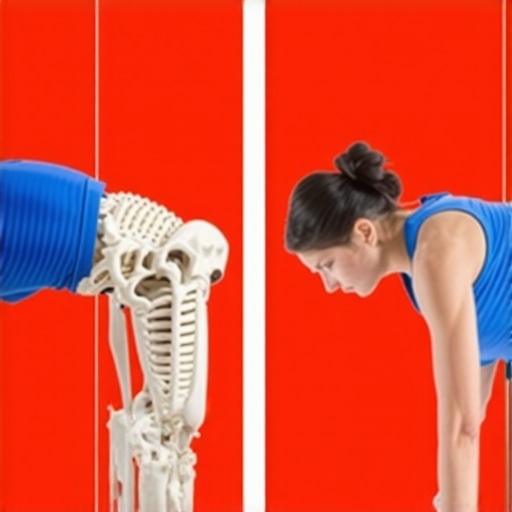 Maintaining your progress in mobility and pain management requires more than just exercises; it involves using the right tools and adopting consistent routines. One of my favorite devices is the **foam roller**. I personally use a dense foam roller to target tight muscles like the hip flexors and back tissues that often cause misalignment. Regular rolling sessions, ideally daily, help keep tissue pliable and prevent re-tightening, which is essential for long-term relief. Additionally, **massage balls** offer precise trigger point release, especially around the neck and shoulders, areas prone to tension that can inhibit mobility. I find that incorporating these tools into my routine reduces chronic knots and restores more natural movement patterns. For tracking progress and staying disciplined, I rely on simple mobility apps like **MobilityWOD** or **Range of Motion**. These apps provide guided routines tailored to specific needs—whether it’s recovering from injury or optimizing everyday function. They help structure my sessions and ensure I don’t skip critical stabilization or stretching components. Consistency is key, and digital tools make it easier to stay accountable. Looking ahead, the future of mobility maintenance may involve **smart wearable devices** that monitor posture and muscle tension in real-time, prompting instant adjustments before problems worsen. Integrating these technologies could revolutionize how we prevent pain before it starts. How do I maintain mobility over time? The answer lies in routine: daily self-assessment, targeted exercises, and regular tool use. For example, I set a reminder to perform a quick pelvic tilt and foam rolling session before bed. Combining manual therapy tools with mindful movement ensures that my tissues stay healthy and my alignment remains stable. If you want a practical starting point, try incorporating a **simple foam rolling routine** for five minutes each morning—it’s a game-changer in preventing recurrence and supporting your chiropractic efforts. These small but consistent habits build resilience, making long-term maintenance manageable and effective. For deeper insights into how to optimize your ongoing care, check out this resource on mobility techniques. Remember, tools are only as good as your commitment to use them regularly. Begin today with one new habit, and watch how your clarity and comfort improve over months. Let this be your next step toward sustained health and pain-free living.
The Hidden Lessons That Changed My Approach to Pain Relief
– I used to believe that persistent mid-back tension was solely about muscles and vertebrae, but a deeper understanding of body mechanics showed me otherwise—our bodies are like interconnected puzzles, and missing one piece can leave the whole picture unresolved. Recognizing the pelvis as a foundational element taught me that aligning this region could dramatically reduce mid-back discomfort.
– The biggest breakthrough came when I realized that visualizing pelvic tilt and employing targeted exercises could balance my entire posture. This shift in perspective transformed not just my approach, but also my results, proving that sometimes, addressing the root cause unlocks the most effective relief.
– Trusting expert resources and integrating chiropractic assessments with daily mobility routines created a sustainable path to health. This holistic approach—combining awareness, movement, and professional guidance—became my recipe for lasting relief and improved quality of life.
My Essential Toolkit for Lasting Back and Neck Wellness
– Chiropractic Techniques for Mobility and Pain Relief: I trust this resource because it combines evidence-based methods with practical tips, helping me incorporate adjustments that truly stick.
– Foam rollers and massage balls: These tools are staples in my daily routine, allowing me to release muscle tension and maintain tissue pliability, which is crucial for long-term alignment.
– Guided mobility apps like MobilityWOD help structure my routines, ensuring I stay consistent and focused on my goals.
– A good ergonomic workspace setup: Preventing pain before it starts is key, and proper desk height, supportive chairs, and mindful posture habits serve as my first line of defense.
Your Next Step Toward Freedom from Pain
Taking action today can redefine your future comfort and mobility. Incorporate pelvic awareness, daily movement, and professional guidance into your routine, and watch how persistent mid-back tension becomes a thing of the past. Remember, small consistent steps lead to transformative results. If you’re ready to explore more effective, personalized strategies, visit this guide on chiropractic techniques for comprehensive insights. Now, I want to hear from you—have you ever considered that your pelvis might be influencing your back pain? Share your experiences below!gte.