Why Your Office Chair Cylinder Height Is Killing Your Hips
Have you ever felt that dull ache in your hips after a long day at your desk, only to realize it’s been building quietly for months? I used to brush off that twinge, thinking it was just part of aging or sitting too much. But one day, I had a lightbulb moment during a chiropractic session that changed everything. Turns out, the hidden culprit was something as simple—and overlooked—as the height of my office chair’s cylinder. That tiny adjustment made a world of difference in my mobility and comfort.
How Office Chair Settings Could Be Stripping Your Hip Mobility
Office furniture isn’t one-size-fits-all, and many of us neglect to fine-tune our chairs properly. When the cylinder isn’t adjusted to the right height, it forces your hips into unnatural positions. Over time, this can lead to tight hip flexors, reduced mobility, and even pain radiating into your lower back and thighs. I didn’t realize that my chair was silently sabotaging my posture until I experienced lingering discomfort and decreased flexibility. Looking back, I made the mistake of assuming that all chairs are the same and that a quick tweak wouldn’t matter. Spoiler alert: it absolutely does. More about how to restore your hip function can be found on this page.
Are We Really Overestimating the Impact of a Small Adjustment?
That skepticism is valid. I remember thinking, “Can something as minor as changing my chair height really make that much of a difference?” Honestly, I used to dismiss it, too. But early in my career, I set my chair just slightly too high, and my hips felt stiff, my hips got tighter, and my flexibility waned. It wasn’t an overnight thing, but over months, it chipped away at my comfort and health. I was making a classic mistake—underestimating how critical proper alignment is for mobility. Once I corrected my chair height, my hips loosened up and pain diminished. It’s astonishing how much power there is in small, considered adjustments. For more tips on avoiding common mistakes, check out this resource.
So, if you’ve been silently suffering from hip discomfort after hours at your desk, you’re not alone. The good news is, it’s often a quick fix, and I’ll walk you through the practical steps to optimize your chair for better mobility and less pain. Ready to reclaim your comfort? Let’s dive into the adjustments you can make today to prevent your office setup from harming your hips.
.
Adjust Your Chair Height for Optimal Hip Alignment
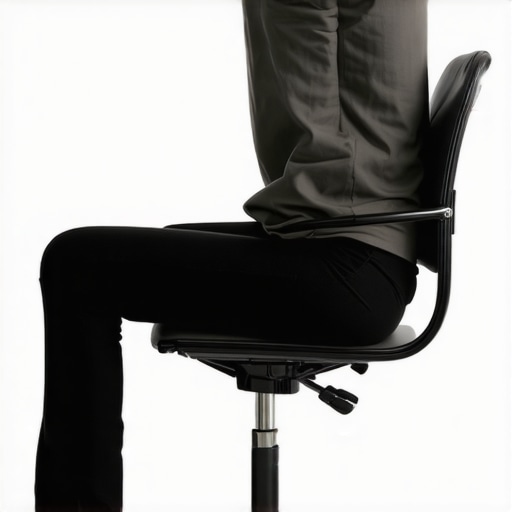
Start by sitting comfortably and setting your chair height so that your feet rest flat on the floor, and your knees form about a 90-degree angle. I recall a time when I struggled with hip stiffness, and upon lowering my chair slightly, I instantly felt relief in my hips and lower back. This simple tweak prevents your hips from being overly flexed or extended, which can cause tightness over time.
Check Your Seat Depth to Avoid Pressure Points
Next, ensure the seat isn’t pressing directly behind your knees. Adjust the depth so that there’s a small gap—about two to three fingers’ width—between the front edge of the seat and the back of your knees. I made the mistake of setting my seat too deep, which caused discomfort and restricted blood flow, worsening my hip tightness. Correct seat depth ensures even weight distribution, promoting better hip mobility and reducing strain.
Set the Backrest for Lumbar Support and Posture
Adjust the backrest to support your lower spine, maintaining the natural curve. When I switched from a flat back to a slightly reclined position with proper lumbar support, I noticed my hips and back felt more relaxed. Proper lumbar support aligns your hips with your spine, preventing compensatory postures that can lead to stiffness. Always sit upright, with your hips in a neutral position, to keep mobility intact.
Fine-Tune the Seat Tilt for Comfort and Movement
Most office chairs offer tilt adjustments. Experiment with a slight forward tilt—around 5 degrees—to open up your hips and encourage movement. I once set my chair to a fully reclined position, which restricted my hips; then I switched to a subtle tilt, and the difference was night and day, allowing smoother movement throughout the day. This adjustment prevents your hips from being held in one fixed position, reducing tightness and improving circulation.
Leverage Armrests to Reduce Unnecessary Strain
Set your armrests so that your shoulders are relaxed, and your elbows rest comfortably at about a 90-degree angle. When I neglected armrest height, I found myself leaning or hunching, which impacted my hips’ positioning over time. Proper armrest height offloads your shoulders and neck, helping maintain hip alignment and preventing compensatory movements that cause stiffness.
Consistently applying these adjustments creates a more ergonomic setup that encourages natural hip movement. Think of it like tuning a musical instrument—small changes lead to a harmonious rhythm, in this case, your body’s mobility. For comprehensive strategies on restoring your back and hip function, I recommend exploring this resource.
Remember, the goal isn’t just about comfort—it’s about maintaining mobility and preventing pain. Regularly revisit and fine-tune these settings as your body’s needs evolve. Over time, these micro-adjustments can dramatically improve your posture and hip health, making long hours at your desk less of a burden and more sustainable for your movement.
Many people believe that stretching is the key to better mobility and pain relief, but in my experience, this is often a misconception. The common myth that stretching alone can fix deep-seated issues overlooks the nuanced mechanics of our bodies. For instance, over-stretching tight muscles without addressing underlying misalignments or joint issues can actually worsen the problem, leading to stubborn pain that resists conventional remedies. Experts like Dr. Stuart McGill emphasize the importance of understanding the body’s stability system before jumping into flexibility routines. If you’re relying solely on stretches, you might be missing the crucial component of muscular balance and joint health.
Another widely held but misguided belief is that pain originates solely from the area where it’s felt. However, pain is often a symptom of compensation elsewhere in the body. For example, neck pain might actually stem from thoracic spine restrictions or dysfunctional shoulder mechanics. In my practice, I’ve seen patients improve dramatically after addressing these hidden contributors, which many overlook. It’s essential to think holistically and consider the entire kinetic chain, rather than just local symptoms. For deeper insights, explore these expert strategies.
Be cautious of the common trap of solely focusing on symptom management with quick fixes like foam rolling or self-massage. While these can provide temporary relief, they often don’t resolve the root cause and may even lead to missed diagnosis of structural issues. For instance, relying only on massage can mask underlying joint dysfunctions that require professional intervention. It’s crucial to recognize when to seek expert help, like chiropractic care, to address the core problem. Regular assessments can prevent small issues from developing into chronic pain. To learn more about effective steps, visit this comprehensive guide.
What advanced signs indicate that pain isn’t just muscular but linked to joint or nerve dysfunction?
Look for symptoms like radiating pain, numbness, tingling, or weakness, which often suggest nerve involvement or joint misalignment rather than muscular strain alone. These signs require a more sophisticated approach, including precise assessments and sometimes imaging. Ignoring these indicators can lead to prolonged discomfort or even nerve damage. For instance, persistent numbness in the fingers combined with neck stiffness might hint at cervical disc issues or nerve impingement, warranting targeted chiropractic interventions or specialized diagnostics. Recognizing these nuanced signs ensures that you don’t overlook the underlying pathology. For guidance on such complex cases, consider consulting professionals through this contact page.
Understanding these nuances can significantly elevate your approach to mobility and pain management. It’s not just about stretching or masking pain but involves an integrated strategy that considers structural health, neuromuscular balance, and functional movement. Do you think you’re addressing the real causes, or just symptoms? Reflect on your routines and seek expert advice when uncertain. Remember, sustainable progress comes from correcting deeper issues, which often requires professional assessment and tailored treatment plans. Every small insight can lead to substantial improvements—so stay curious and proactive. For more advanced strategies, explore this resource and never hesitate to reach out for personalized guidance.
Keeping Your Body in Motion: Essential Tools for Longevity
Maintaining mobility and managing pain over the years requires more than just good posture; it demands consistent support, proper equipment, and effective methods. As someone deeply invested in this journey, I rely on specific tools that deliver proven results. One standout is the use of **percussive therapy devices**, like the Theragun, which I use daily to release muscle tightness and improve circulation. Its targeted vibrations help break up adhesions in deep tissues, accelerating recovery and restoring flexibility. Additionally, I incorporate **osteo arthritis foam rollers**, custom-designed to fit the contours of my back and hips, facilitating self-myofascial release without creating additional strain. Proper selection of these tools ensures I can perform routine maintenance sessions at home, sidestepping the need for frequent costly visits.
Beyond physical tools, I emphasize **software-based tracking systems**. Apps like Garmin Connect or Strava help monitor movement patterns, identify stagnation, and set achievable mobility goals. These digital companions motivate me to stay consistent and alert me to developing issues early. Combining real-time feedback with manual tools creates a comprehensive maintenance routine that addresses both muscular and neural components of pain.
Looking ahead, I anticipate the trend towards **smart wearable technology** will revolutionize long-term pain management and mobility. Sensors that monitor posture or spinal alignment in real-time could become commonplace, enabling proactive adjustments before discomfort escalates. The integration of biofeedback into daily routines promises sustained improvements, making injury prevention a seamless part of life rather than reactive treatment.
How do I maintain progress without slipping into complacency?
Consistency is key. I schedule weekly self-assessment sessions using tools like the 5 proven tactics for your 2026 kinetic desk back pain to ensure my posture and mobility remain optimal. Incorporating **targeted stretching routines** with guidance from professional resources helps address specific tight areas. Moreover, regular chiropractic check-ins, as outlined in this comprehensive guide, reinforce structural alignment, preventing minor misalignments from becoming chronic issues. I also advocate for **periodic re-evaluation** of your tools and routines, adjusting them as your body adapts—much like tuning a musical instrument for harmony and longevity.
Remember, the journey towards sustained mobility involves proactive maintenance and leveraging the right tools. Start by integrating a percussive therapy device into your routine and set monthly check-ins to track progress. Over time, these small but consistent investments will pay off. Don’t hesitate to explore advanced chiropractic techniques to complement your efforts and take your mobility to the next level.
Over the years, I learned that some of the most effective improvements in mobility come from surprisingly simple changes. Tiny adjustments to my office setup, like chair height and lumbar support, yielded profound results I didn’t see coming. Losing the misconception that only big interventions work was a game-changer—sometimes, the key lies in the details, and I want you to discover these secrets too.
Uncovering the Surprising Power of Micro-Actions
It’s amazing how a slight tilt of your seat or a subtle change in your armrest can unlock new levels of comfort and mobility. These small steps often serve as the foundational tweaks that set the stage for long-term health. I’ve realized that perfection is a moving target—regularly fine-tuning my setup keeps my hips and back moving freely, demonstrating how minor tweaks keep your movement smooth and pain-free.
Why Your Office Routine Might Be Sabotaging Your Hip Mobility
In my experience, neglecting ergonomic details is like neglecting the health of your most-used joints. For instance, a poorly adjusted chair cylinder can perpetuate tight hips and limited flexibility. Recognizing these hidden culprits helped me transform my office into a sanctuary for mobility, rather than a trap for stiffness. To take control, start scrutinizing your workspace—small wins here can make a big difference.
Elevate Your Mobility with These Unexpected Tools
Beyond the basics, I discovered that tools like percussive therapy devices and specialized foam rollers are invaluable for maintaining and improving mobility. These aren’t just gadgets—they’re allies in my ongoing journey to stay supple and pain-free. Trust me, when combined with conscious setup adjustments, they can accelerate your progress and reinforce your body’s resilience.
Take Action Before Comfort Becomes a Distant Memory
The truth is, waiting until pain or stiffness take hold is a missed opportunity. Small, intentional changes today can prevent long-term issues tomorrow. I encourage you to experiment with your workspace—adjust, test, and listen to your body. Remember, consistency is your best friend, especially when it comes to mobility. Your journey towards a healthier, more flexible body starts now—embrace the process and watch your mobility flourish.