Why we look at your ankles to fix your chronic back issues
Have you ever felt that stabbing jolt of pain in your lower back after a long day, only to realize that no amount of stretching or medication seems to bring lasting relief? I remember the first time I experienced this; I was frustrated, confused, and desperate for answers. It wasn’t until I started paying closer attention to a detail most overlook—my ankles—that everything changed. That lightbulb moment got me thinking: Could the way I move from the ground up be the missing piece in solving my chronic back issues?
Understanding the Hidden Link Between Ankles and Back Health
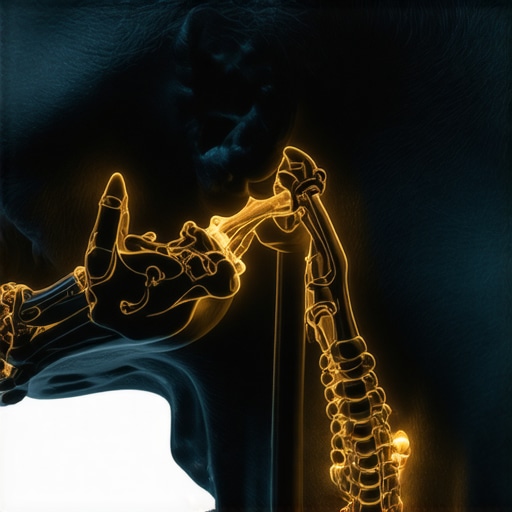
It might sound surprising, but your ankles play a crucial role in maintaining proper spinal alignment and overall mobility. When ankle mobility is limited, your body compensates by altering your posture and gait, often putting undue stress on your lower back. Think of your body as a chain; if one link is stiff or dysfunctional, the entire chain’s performance suffers. Early on, I made the mistake of focusing solely on my back, ignoring the foundational issues in my ankles, which only prolonged my pain. That mistake taught me the importance of taking a holistic view, paying attention to the entire kinetic chain, especially the lower extremities. For further insights on this connection, check out [this comprehensive guide](https://quackersspinal.com/why-your-ankles-are-making-your-back-pain-harder-to-treat).
If you’re tired of temporary fixes and want to get to the root cause of your issues, understanding how ankles influence back health is vital. Today, I’ll share the steps I took that ultimately transformed my healing journey, guiding you to identify and address these underlying factors. But first, let’s tackle a common concern I hear from skeptics like you—”Is this ankle focus really worth it?”
Question: Is this ankle approach really worth the hype?
In my early days, I dismissed the idea because it seemed too simple, too unrelated. I thought, “Surely, fixing my back directly makes more sense.” But I’ll admit, I was wrong. The mistake I made was underestimating the interconnectedness of the body. Instead of isolating my back, I finally worked on improving my ankle mobility—through specific exercises and adjustments—and noticed relief I never thought possible. This shift in focus is supported by research showing that restoring ankle range of motion can significantly reduce back pain and improve posture [see here](https://quackersspinal.com/understanding-back-pain-a-guide-to-better-posture-and-mobility).
If you’ve been battling persistent back discomfort, it’s worth considering that the solution might come from the ground beneath your feet, not just from the area in pain. Ready to explore how to implement this in your routine? Let’s get started.
Start with a Simple Mobility Assessment
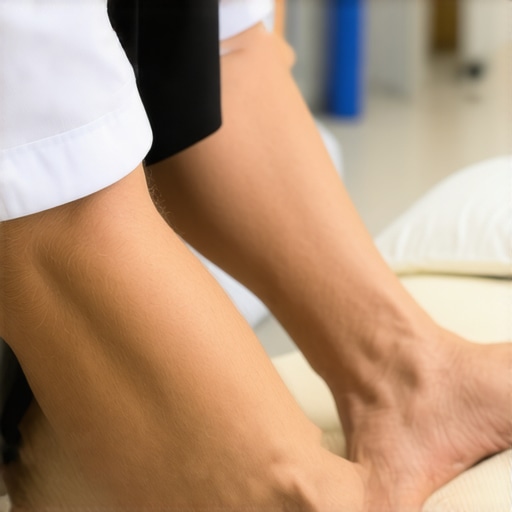
Identify if your ankle movement is restricted by performing a basic test: stand facing a wall, place your toes a few inches away, and try to bend your knee to touch the wall without lifting your heel. If you struggle, your ankle mobility may be limiting. I did this in my living room and was surprised how stiff my ankles felt, leading me to incorporate targeted exercises.
Incorporate Specific Ankle Mobilization Exercises
Focus on techniques like ankle circles and dorsiflexion stretches. For dorsiflexion, kneel with one foot forward, keep your heel flat, and gently press your knee toward the toes. This mimics the movement needed during walking and helps reduce compensations that stress the lower back. Remember, just five minutes a day made a noticeable difference for me in how my back felt during daily activities.
Practice Dynamic Transition Drills
One effective drill is the slow march: lift each knee high while maintaining ankle flexibility, then slowly lower it, focusing on smooth ankle movement. I added this to my morning routine, and over a week, I noticed improvement in my gait and less lower back stiffness. Think of these drills as rewiring your body’s movement patterns for optimal function.
Improve Your Gait with Functional Movements
Pay attention to your walking pattern. Use a mirror or record yourself to observe if your ankles roll inward or lack propulsion. To correct this, perform exercises like controlled heel-to-toe walking on a line, which reinforces proper ankle function. I found that refining my gait alleviated unnecessary strain on my back and neck, making everyday movements more efficient.
Align Your Posture with Chiropractic Techniques
After mobilizing your ankles and improving gait, consider consulting a chiropractor to integrate adjustments that enhance alignment, especially in the pelvis and spine. Combining these strategies creates a synergy—better ankle mobility reduces compensatory patterns, and chiropractic care fine-tunes your posture, which together, significantly diminish pain and improve mobility. For deeper insights into this process, check out this resource.
Contrary to popular belief, many assume that back pain solely originates from issues within the spine itself, but in reality, this mindset overlooks the body’s intricate interconnectedness. A common misconception is that chiropractic adjustments alone can resolve chronic discomfort, yet without addressing underlying mobility restrictions—like stiff ankles or limited hip movement—these adjustments often provide only temporary relief. This oversight can lead to the trap of constantly chasing symptoms rather than resolving root causes. An advanced consideration is the role of neural pathways in pain perception; research by experts such as Dr. Scott Rosa highlights how mobility exercises that stimulate nerve gliding can significantly reduce pain and improve function, challenging the outdated notion that nerves need to be ‘decompressed’ solely via invasive methods.
Is focusing only on the local site of pain a mistake for advanced practitioners?
The answer is yes—targeting pain without considering the kinetic chain and neural contributions can impede progress. For example, persistent neck pain might stem from thoracic mobility restrictions or shoulder girdle dysfunctions, not just cervical spine issues—an insight supported by studies in the Journal of Orthopaedic & Sports Physical Therapy. To avoid this common trap, incorporate comprehensive assessments that include joint mobility, muscular flexibility, and nerve dynamics, rather than relying solely on symptom suppression. Maintaining this holistic perspective ensures more sustainable recovery. Want to deepen your understanding? Explore how integrating mobility drills and chiropractic strategies can transform your approach to pain management at this cornerstone guide. Remember, true progress involves addressing these nuanced, often overlooked factors. Have you ever fallen into this trap? Let me know in the comments.Maintaining your back, neck, and mobility health over time requires more than just occasional stretching; it demands the right tools and consistent strategies tailored to your unique needs. One of my go-to resources is a digital posture tracking app that I use daily to monitor my alignment and identify subtle deviations before they turn into pain. Apps like Upright or Lumo Lift provide real-time feedback and help me stay conscious of my posture during work, promoting sustained improvements. Additionally, incorporating specific mobility tools, such as a foam roller or a massage ball, has been instrumental in my routine. I prioritize a high-density foam roller because it offers the firmness needed to target deep muscle adhesions without breaking down too quickly, especially for stubborn areas like the thoracic spine. Regular self-myofascial release with this tool enhances tissue flexibility and keeps my mobility at peak levels. For instance, using a tennis ball instead of larger rollers can effectively release trigger points in smaller, hard-to-reach muscles around the neck and shoulders, which are common pain hotspots. To optimize long-term results, I integrate these manual techniques with a program of targeted strengthening exercises, emphasizing stability and core reinforcement, which studies show can significantly reduce pain recurrence [see here](https://quackersspinal.com/mobility-mastery-expert-tips-for-back-pain-prevention-and-recovery). As I look to the future, I predict that wearable technology with advanced biofeedback will become the norm, giving us personalized data to fine-tune our habits with even greater precision. How do I keep my mobility routine effective over time? I revisit my assessment results monthly and customize my tool selection and exercises accordingly, ensuring I adapt as my body changes. For example, if I notice increased stiffness in my hips, I incorporate more hip mobility drills and consult resources like this [comprehensive back mobility guide](https://quackersspinal.com/revitalize-your-mobility-proven-strategies-for-back-pain-relief) to refine my approach. If you haven’t already, I recommend trying an advanced technique like using a tennis ball for trigger point therapy in your neck and upper back, as many overlook this simple yet powerful method to prevent chronic stiffness. Remember, consistency is key—making these small adjustments regularly can preserve your mobility for years to come and diminish the odds of recurring pain.Throughout my journey, I realized the real game-changer wasn’t just about specific exercises or adjustments but understanding the intricate web connecting every part of my body. One eye-opening lesson was that my ankles, often overlooked, held the key to unlocking better mobility and reducing pain. When I finally paid attention to ground-up movement, everything improved—my posture, flexibility, and overall comfort. Another insight was recognizing the futility of solely focusing on symptoms; addressing root causes like joint stiffness and neural pathways made a lasting difference. I also discovered that staying consistent with manual tools like foam rollers and digital posture apps helped me sustain progress over time. Embracing this holistic, proactive approach transformed my recovery and redefine how I view mobility and pain management.