Why we check your neck alignment for chronic headaches
I remember the exact moment I realized I had been missing a simple piece of the puzzle with my chronic headaches. After trying countless remedies—from medication to endless stretches—I found myself in a chiropractor’s office, frustrated and desperate. That day, a quick check of my neck alignment revealed what was hiding right in front of me: a misalignment that I had never even considered. Suddenly, everything made sense. My headaches, my relentless tension, my sleep issues—all tied to that tiny shift in my neck.
Recognizing the Root Cause of Frequent Headaches
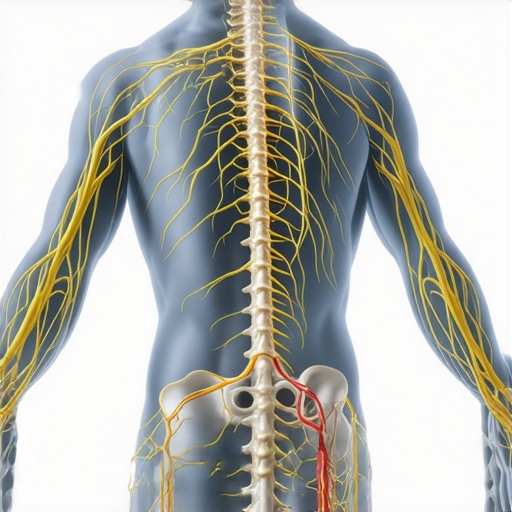
Many of us brush off neck discomfort or dismiss it as mere stiffness after a long day. But what if that stiffness is a red flag? For years, I ignored the subtle signs—occasional tingles down my arms, mild dizziness, and that persistent tension behind my eyes. It wasn’t until I started focusing on my neck posture that I began to connect the dots. Studies show that up to 90% of chronic headaches can be linked to neck issues, specifically misalignments that irritate nerves and disrupt blood flow (source: National Headache Foundation). Understanding this importance is vital because addressing neck alignment might be the simplest solution to what feels like an endless cycle.
Is Neck Alignment the Real Miracle Cure for Chronic Headaches?
Early on, I made the mistake of treating my headaches solely with painkillers, hoping they’d vanish. But soon, I realized that quick fixes only masked the symptoms without tackling the cause. A helpful neighbor once told me, “If your car keeps breaking down, you don’t just keep topping off the oil; you check the engine.” Similarly, I learned to look deeper—checking my neck for misalignments and addressing them head-on. If you’ve ever been skeptical about the role of neck health in headaches, you’re not alone. Many assume it’s just tension or stress, yet the evidence suggests otherwise.
If you’re tired of temporary relief and ready for a more sustainable solution, understanding your neck’s role could be transformative. Curious about how to start? I’ll walk you through the essential steps to evaluate and improve your neck alignment, opening the door to lasting relief. But first, let’s identify if this might be your hidden headache hero.
Assess Your Posture Regularly
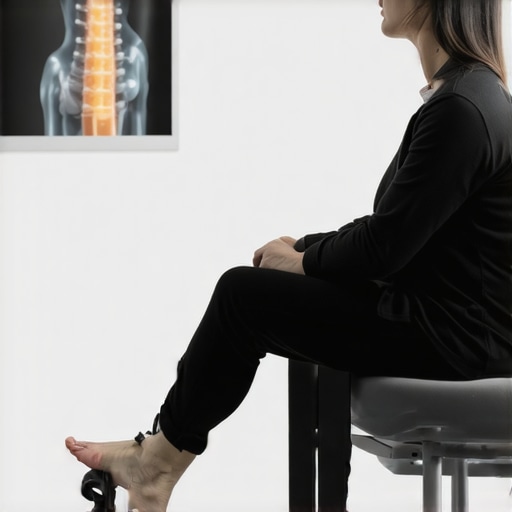
Begin by observing how you sit and stand throughout the day. A quick mirror check can reveal if your head tilts forward or your shoulders slump. I once set a timer to remind myself every hour, and during one session, I noticed my neck protruding forward while working. This casual check alerted me to a habit I could fix.
Identify Common Bad Habits
Look for activities that encourage poor posture—like looking down at your phone or slouching at your desk. I realized that my habit of craning my neck over my computer was contributing to tension. Noticing this was the first step toward correction.
Create a Plan to Improve Alignment
Design a simple action list targeting your daily behaviors. For example, set up your workspace ergonomically to keep your monitor at eye level, preventing forward head posture. I adjusted my monitor height and added a supportive pillow to my chair, which reduced my neck strain considerably.
Implement Neck Exercises
Incorporate gentle stretches and strengthening routines to support proper alignment. I started doing neck retraction exercises—slowly pulling my chin back to align my head over my shoulders—twice daily. Initially, my movements were awkward, and I felt some discomfort, but persistence paid off with improved mobility.
Use Chiropractic Techniques to Re-educate Your Body
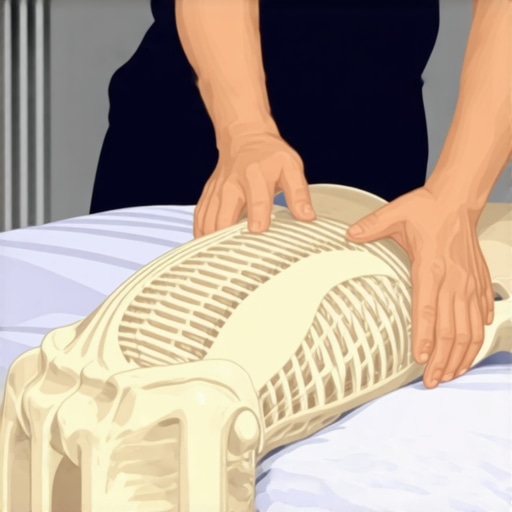
Professional adjustments can reset misalignments that are hard to correct on your own. I booked a session with a chiropractor experienced in neck health. During the appointment, targeted adjustments released tension and helped my body adopt better posture naturally, contributing to headache relief.
Practice Consistent Maintenance
Recognition and correction are ongoing processes. I devised a weekly routine that includes posture checks, exercises, and periodic chiropractic visits. Over time, this consistency reduced my headaches and increased my overall comfort.
Leverage Sleep and Lifestyle Changes
Sleep hygiene also plays a key role. I switched to a pillow designed for cervical support, which prevented my neck from twisting during sleep. Incorporating these habits created a comprehensive approach that supported my alignment goals and sustained long-term relief.
While many believe that chiropractic care is merely about cracking backs and quick fixes, the truth runs much deeper and more nuanced. A common misconception is that all chiropractors perform the same techniques, but in reality, there are diverse approaches tailored to individual needs, such as gentle mobilizations or advanced spinal decompression therapies. Relying solely on outdated methods can not only delay recovery but sometimes worsen symptoms, especially if a proper assessment isn’t conducted beforehand.
What advanced mistakes do even seasoned practitioners sometimes make in spinal correction?
Many practitioners overlook the importance of comprehensive postural correction, focusing only on immediate symptom relief. This oversight can lead to recurrent issues, because addressing only parts of the spine without considering muscular imbalances or neuromuscular coordination fails to produce lasting results. Moreover, some believe that spinal adjustments should be painful to be effective, a dangerous myth that can cause patient aversion and potential injury. Research indicates that gentle, precise adjustments yield better outcomes and promote quicker recovery (source: The Journal of Chiropractic Medicine). An essential nuance is recognizing that mobility isn’t just about loosening joints but fostering proper movement patterns through integrated exercises and lifestyle changes, as detailed in our guide on effective neck pain management.
Warning: Don’t Fall for Treatment Traps
Many fall into the trap of assuming more frequent adjustments lead to faster healing, but over-treatment can destabilize the spine and diminish its natural stability. It’s crucial to follow a personalized plan that combines chiropractic alignments with targeted physiotherapy and ergonomic advice. For comprehensive strategies to restore mobility and relieve pain, consider exploring our insights on how chiropractic care can enhance your body’s natural healing processes. And if you’re unsure about your current treatment plan or want expert guidance, don’t hesitate to reach out through our contact page. Remember, understanding these subtle yet critical nuances can make all the difference in achieving long-term spinal health. Have you ever fallen into this trap? Let me know in the comments.Maintaining long-term spinal health requires more than occasional adjustments; it hinges on the right tools, consistent routines, and informed choices. One of my top recommendations is investing in a quality ergonomic chair like the Steelcase Leap, which offers adjustable lumbar support and a breathable mesh back. I personally use it daily, as it promotes proper posture, reducing muscular strain during long work hours. Additionally, incorporating a foam roller such as the TriggerPoint GRID into your routine can help release muscle tightness and foster better mobility—I’ve found it invaluable for easing tension after a day at the desk. Smartphone apps like the ‘Upright Body Posture Corrector’ can serve as gentle reminders to keep your head aligned properly, preventing the forward head posture that often contributes to chronic neck pain. Looking ahead, trend predictions point toward increased integration of wearable technology—like smart posture sensors—that provide real-time feedback, offering personalized prompts to maintain optimal alignment throughout the day. Regularly reviewing your approach is essential; I recommend checking out our detailed guide on [effective neck pain management](https://quackersspinal.com/effective-neck-pain-management-a-step-by-step-guide) for more insights. How do I maintain my spinal health over time? I prioritize consistent incremental actions—like setting daily posture reminders and performing targeted exercises—I challenge you to try one of these advanced strategies today, such as using a foam roller to target tight muscles after work. Remember, combining these tools with professional care, like periodic chiropractic visits, ensures a sustainable approach to mobility and pain prevention. For personalized advice or to schedule a comprehensive assessment, visit our [contact page](https://quackersspinal.com/contact-us). Staying proactive with the right tools and routines is key to long-term spinal well-being.
Lessons Hidden in My Journey to Relief
- I once believed that headaches were solely brain-related, but discovering the connection to neck misalignment truly changed my perspective. It taught me that sometimes, the quiet signs—like slight tension or posture habits—hold the keys to our health.
- Getting professional assessments was a game-changer. Regular posture checks and recognizing subtle cues helped me catch issues early, preventing more severe problems down the line. Small habits make a big difference in spinal health.
- Patience and consistency proved vital. Quick fixes only provided temporary relief, but committing to exercises, ergonomic adjustments, and periodic chiropractic care built a foundation for sustainable wellness.
Tools and Resources That Made a Difference
- Effective Neck Pain Management Guide: This step-by-step resource offered actionable strategies and personalized tips that transformed my approach to neck health. It’s a practical roadmap for anyone seeking lasting relief.
- Premium Ergonomic Office Chairs: Investing in a quality chair like the Steelcase Leap ensured my posture stayed optimal during long work hours, reducing strain and promoting proper alignment daily.
- Foam Rollers and Mobility Tools: Using a TriggerPoint GRID helped me release tight muscles and improved my mobility, complementing chiropractic adjustments for overall spinal health.
- Posture Reminder Apps: Smartphone tools served as gentle nudges to maintain proper head and neck alignment throughout the day, preventing habits that could undermine progress.
Embrace Your Path to Mobility and Comfort
Taking charge of your neck health is a journey worth starting today. Remember, small, consistent steps and trusted resources can unlock a future free from chronic headaches and discomfort. Don’t wait—your improved mobility and well-being are within reach. How have you incorporated posture awareness into your daily routine? Share your experience below—I’d love to hear your story.