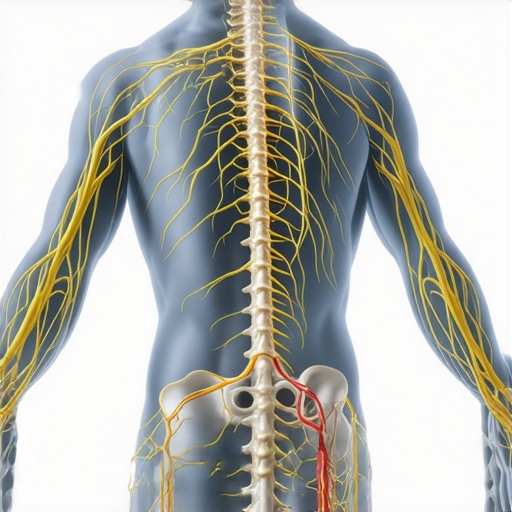
The truth about chiropractic adjustments and your nervous system
I remember the moment vividly—I was desperately reaching for something on a high shelf, suddenly feeling that sharp, shooting pain in my neck. It was one of those frustrating days where mobility felt like a distant memory. That dull ache, the stiffness, and the nagging sensation that something was just off—that’s when I started questioning what I truly knew about the treatments I was relying on. Like many, I had believed that a quick chiropractic adjustment was the magic fix, but I soon realized there’s so much more beneath the surface that shapes our health and mobility.
Why Understanding the Nervous System Changes Everything
Our nervous system, that intricate network of nerves running from our brain through our spine, is like the control center for every movement, sensation, and reflex in our body. When it’s in harmony, life feels smooth. But when there’s interference—like misalignments or tension—it can manifest as pain, stiffness, or even affect how well our body heals itself. I’ve come to learn that many common shoulder and neck issues aren’t just about muscles or bones—their roots often lie deep within our nervous system’s health.
Early in my journey, I made the mistake of solely focusing on symptom relief—thinking that cracking my neck or getting a quick adjustment was enough. Turns out, I was missing the bigger picture. Effective care involves understanding and supporting the nervous system, which can be overlooked if we’re not cautious. In fact, research shows that spinal misalignments can disrupt nerve signals, affecting overall health, not just localized pain (source).
If you’ve ever experienced persistent neck discomfort or limited mobility, you’re not alone. And if you’ve tried only temporary fixes without addressing underlying nervous system health, you’re probably missing out on the full potential of what chiropractic care can offer. But don’t worry—there’s a way to understand how your nervous system influences your pain and movement, which can lead to lasting relief and better overall health. Stay with me because we’ll explore practical tips and crucial insights to help you regain your mobility and vitality.
Is Chiropractic Adjustments Overhyped? Let’s Bust the Myths
When I first started exploring chiropractic treatments, I was skeptical—like many others. The loud cracking sounds, quick visits, and promises of instant relief sometimes felt too good to be true. Honestly, I made the mistake early on of believing that adjustments alone were the magic potion for permanent health. I neglected to see the importance of understanding how those corrections influence the nervous system and overall function. That oversight delayed my progress and left me questioning if chiropractic care was just another quick fix. Here’s what I’ve learned: the real power lies in targeted, informed adjustments that support your nervous system—something I only started appreciating after consulting wellness experts and deepening my knowledge. If you’re wondering whether chiropractic adjustments are worth the hype, you’re not alone. But the truth is, when done correctly, they can be a vital part of a comprehensive care plan for lasting mobility and pain relief. Curious about how to maximize the benefits? Check out this guide for effective strategies.
Assess Your Current Posture
Start by observing how you sit and stand throughout the day. I recall a time I spent hours leaning forward at my desk, which worsened my neck stiffness. Use a mirror or record yourself to identify habits that strain your neck. Correcting poor posture today can significantly improve your mobility and reduce pain.
Incorporate Targeted Mobility Exercises
Engage in simple stretches that focus on your neck and upper back. For example, gently tilt your head side to side, holding each position for 10 seconds, to loosen stiff muscles. I initially tried this while watching TV, and although messy at first, consistent practice gradually eased my neck tension. Regular mobility work keeps your joints flexible and prevents stiffness from settling in.
Learn Proper Alignment Techniques
Ensure your workspace promotes good posture—set your monitor at eye level and avoid craning your neck. I adjusted my chair height and used a lumbar pillow, which instantly alleviated pressure. Proper alignment minimizes nerve impingement and supports your spine’s natural curves. For a detailed guide, visit here.
Practice Gentle Self-Adjustments
Use your hands to gently mobilize your neck, avoiding aggressive movements. For example, slowly rotate your head in circles, watching for any uncomfortable spots. I found that a light percussion using fingertips helped release tension—just be cautious not to overdo it. These small self-care steps can restore movement and reduce discomfort.
Implement Movement Breaks Into Your Day
Take regular breaks from sitting to walk or stretch. I set a timer every 30 minutes, which reminded me to stand and perform neck rolls and shoulder shrugs. This habit prevents stiffness from building up and keeps your nervous system responsive. Consistency is key: small, frequent movements trump long periods of stillness.
Track Your Progress and Adjust
Keep a journal of your mobility, pain levels, and exercises to identify what works best. I noticed that my neck felt more flexible after a week of daily stretching and posture tweaking. If progress stalls, consult a healthcare professional or explore wellness experts’ strategies at this link. Adapting your routine ensures sustained benefits and prevents setbacks.
Use Chiropractic Support as Needed
Consider professional adjustments to restore proper spinal alignment. I visited a chiropractor who targeted my upper cervical spine, which made a noticeable difference in my mobility. When combined with self-care, chiropractic care can unlock deeper improvements. To learn more about maximizing these benefits, check this resource.

Many people believe they fully understand neck pain and how to address it, but beneath the surface lie nuanced misconceptions that can sabotage recovery efforts. One common myth is that all neck pain stems solely from muscle strain or poor posture. While these factors contribute, the reality is that many instances of persistent discomfort are rooted in subtle misalignments within the cervical spine that disrupt nerve signals—a nuance often overlooked by both laypersons and some practitioners. Recognizing this can prevent unnecessary frustration and accelerate healing, especially when combined with targeted chiropractic strategies discussed here.
Another prevalent misconception is that cracking or popping your neck provides permanent relief. In my experience, this transient fix can mask underlying issues, leading to complacency. Over time, relying solely on such quick fixes can cause more harm by reinforcing improper movement patterns, potentially worsening joint health. An advanced mistake many make is neglecting the role of the nervous system’s health in their overall mobility. Chronic issues often persist because of unresolved nerve interference rather than just muscular tightness. As research points out, addressing nerve health through precise chiropractic adjustments can make a significant difference, as highlighted in this post.
Are We Over-Treating with Adjustments Without Addressing Root Causes?
It’s tempting to think that frequent adjustments will indefinitely keep neck pain at bay. However, this approach risks creating dependency and ignoring lifestyle or ergonomic factors contributing to the problem. An overemphasis on adjustments without correcting habits or strengthening supporting muscles can lead to a cycle of short-term relief and long-term recurrence. Professional insight suggests integrating chiropractic care with posture correction, mobility exercises, and lifestyle modifications. For a comprehensive plan, consider the tips found here.
Common pitfalls also include neglecting the interconnectedness of body’s biomechanics. For instance, poor ankle mobility or misaligned hips can influence neck strain through chain reactions in movement patterns. Recognizing these intricate links helps prevent misdiagnoses and ineffective treatments. Refining your understanding with expert guidance can be eye-opening, as you can see in this article. Ultimately, the key is to view neck pain not as an isolated issue but as part of a complex system that requires a nuanced, personalized approach. Haven’t you ever fallen into the trap of thinking a quick fix was enough? Let me know in the comments. Ready to dig deeper? Check out this resource for advanced strategies that truly target root causes.
How do I keep my neck healthy and mobile over the long haul?
Maintaining neck mobility and alleviating pain isn’t a one-time effort; it requires the right tools, consistent habits, and a proactive approach. Over the years, I’ve found that integrating specific equipment and practices can make a significant difference in long-term results. For instance, maintaining proper posture is foundational, but supplementing it with ergonomic tools elevates the standard of care.
One of my go-to investments is an adjustable desk setup paired with a high-quality ergonomic chair. Adjustments that keep your monitor at eye level and your feet flat on the floor reduce strain. I personally use a monitor riser, which not only encourages proper neck alignment but also prevents the gradual stiffening that comes from craning forward. Proper workspace setup directly supports your chiropractic efforts and minimizes the recurrence of pain (learn more here).
In addition to ergonomic equipment, I leverage the power of wearable tools like a cervical traction device. I use a portable, adjustable neck hammock during breaks at work. It gently stretches the cervical spine, decompresses the discs, and restores some natural spacing. This practice aligns with recent biomechanical research emphasizing nerve decompression to maintain mobility (see how here). Regular use at home or during long periods of sitting has helped me prevent stiffness and irritation, especially after intensive chiropractic sessions.
Another favorite is mobility foam rollers designed specifically for the neck and upper back. Unlike structures meant for larger muscles, these are softer and contoured to gently massage tense fascia and improve circulation. I incorporate a 2-minute routine daily, focusing on slow, controlled movements. The key is consistency—like any physical benefit, this prevents the pain cycle from re-establishing itself (more tips here).
Predicting future trends, I believe wearable neurofeedback devices and smart posture monitors will become integral in sustained neck health. These gadgets provide real-time feedback and motivate daily habits, empowering us to take control of our mobility and pain management beyond clinical sessions.
Still, tools alone aren’t enough. How can you ensure your care lasts? The answer lies in integrating these tools with mindful habits and regular check-ins with your chiropractor or healthcare provider. For example, periodically reassessing your workstation setup or your mobility routines ensures you’re adapting to changing needs and preventing long-term setbacks.
Where should you focus your efforts to maintain long-term mobility?
Consider whether your current routine includes targeted exercises, ergonomic adjustments, and supportive tools. If you’re unsure where to start or want a comprehensive plan, I recommend exploring this resource which offers expert strategies tailored for sustained neck health. Incorporate at least one new tool or habit every month, and you’ll be surprised how your mobility and comfort improve over time.
Don’t forget—the journey to lasting relief is ongoing. Try using a cervical traction device during your next break or setting up an ergonomic workspace, and witness how these small but impactful changes enhance your mobility. Remember, the more proactive you are, the less you’ll have to rely solely on reactive treatments later. Keep experimenting, stay consistent, and your neck will thank you for it.
And for an extra edge, consider integrating a daily 2-minute neck mobility routine using a foam roller, which can significantly reduce stiffness over time. Want a step-by-step guide? Check out this expert-backed plan to reinforce your efforts.

What I Didn’t Expect About Neck Pain and Lasting Change
One of the most valuable lessons I learned is that persistent neck issues often hide beneath surface symptoms. Relying solely on quick fixes like self-manipulation or over-the-counter remedies can delay genuine recovery. The true breakthrough came when I prioritized understanding how my nervous system influence my mobility, which transformed my approach and results.
Tools and Insights That Made a Difference for Me
Integrating ergonomic tools like adjustable desks and cervical traction devices significantly supported my progress. I also found that expert-guided resources—such as wellness insights—became invaluable in refining my routines. Trusting these curated sources helped me stay motivated and informed on my journey to lasting neck health.
Embracing Ongoing Care with Confidence
My biggest takeaway is that maintaining mobility is an evolving process. Small daily habits—like regular movement, mindful posture, and targeted exercises—compound over time. It’s now clear that proactive, consistent care, supported by expert guidance, is essential for longevity. Remember, your neck’s health depends on continual attention, not just occasional treatments.
Let Your Experience Inspire Others
Applying mindful adjustments and embracing a comprehensive care plan transformed my life. If you’re striving to improve your neck mobility, start with small, manageable steps—like setting ergonomic reminders or exploring proven routines. This approach can make a profound difference in your daily comfort. What’s one habit you’re ready to change today to support your neck health? Share below and let’s grow together in this journey to wellness.