Why Your Hamstring Tightness is Actually a Nerve Issue
Have you ever felt that annoying, stubborn tightness in your hamstrings after a workout or even during a day at the office? I used to chalk it up to overexertion or being stiff from sitting too long. But one day, I had a lightbulb moment: what if that tightness wasn’t just about my muscles, but a nerve playing tricks on me? That realization transformed how I approached my mobility struggles—and it might do the same for you.
The Hidden Culprit Behind Hamstring Tightness
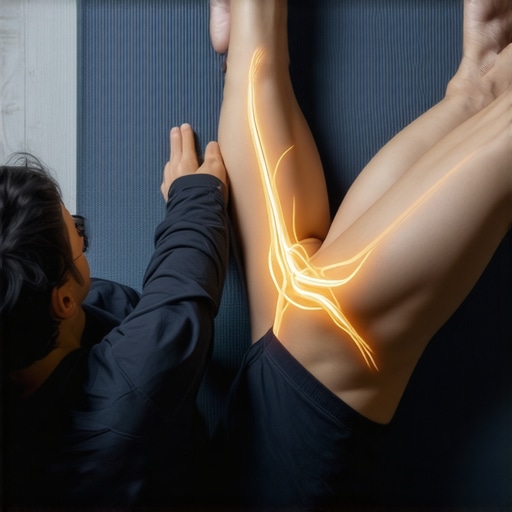
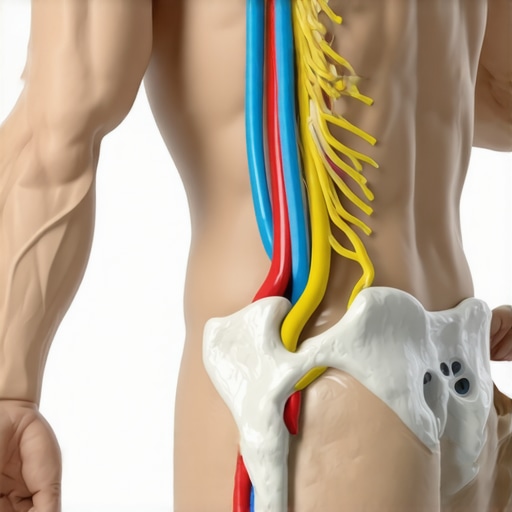
Most of us instinctively think tight hamstrings are just about muscle shortening or poor flexibility. We stretch furiously, foam roll, or even book massage sessions. But what if these efforts aren’t solving the real issue? Sometimes, the root cause is less about the hamstring itself and more about nerve irritation—specifically, the sciatic nerve that runs down your leg. When nerves become compressed or irritated, they can send signals that mimic muscle tightness, leading you to address the wrong problem entirely.
Could Nerve Issues Be Sneaking Past Your Awareness?
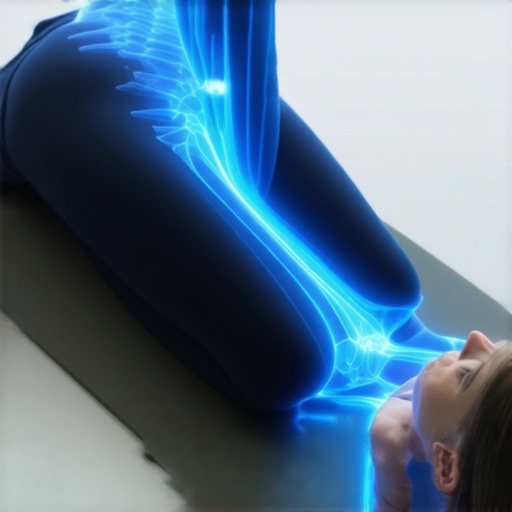
Early in my journey, I made a glaring mistake: I ignored nerve symptoms and focused solely on muscle stretches. That was a mistake. It took time and a bit of guidance from my chiropractor to realize that my hamstring tightness was aggravated by nerve tension caused by pelvic misalignments and spinal issues. It’s a common slip—assuming that all tightness is purely muscular. But understanding that nerves can mimic muscle tightness helped me find lasting relief and restored my mobility faster than ever. Studies have shown that nerve-related causes of muscle tightness are often overlooked, leading to prolonged discomfort if not properly diagnosed (source).
What You’ll Discover Today
In this post, I’m going to show you how to tell whether your hamstring tightness stems from a nerve issue, and more importantly, what practical steps you can take—to relieve that tension and get back to moving freely. From targeted chiropractic strategies to simple lifestyle tweaks, you’ll learn how to tackle the root cause instead of just managing symptoms. If you’ve been frustrated by persistent hamstring tightness that just won’t go away, stick with me. We’re about to uncover some game-changing insights that could finally give you the relief you deserve.
Assess Your Symptoms Carefully
Begin by recognizing whether your hamstring tightness feels muscular or nerve-related. A good test is to gently press along your hamstring while standing; if tenderness points to nerve pathways or if the tightness worsens with certain movements, you may be dealing with nerve irritation. Remember, nerve issues often mimic muscle tightness, so don’t dismiss unusual sensations.
Implement Gentle Nerve Mobility Exercises
Start with simple movements that promote nerve sliding—known as neural gliding exercises. For example, lie on your back, bend one knee, and slowly extend your leg while gently flexing and extending your ankle. These motions help create space around irritated nerves, reducing tension. I personally found that performing these exercises daily helped decrease my hamstring tightness significantly, even during busy workdays.
Adjust Your Posture and Movement Habits
Poor posture, especially prolonged sitting with a slouched back, can compress nerves in your pelvis and lower back. Set reminders to stand and stretch every 30 minutes. When sitting, keep your feet flat, hips slightly higher than your knees, and avoid crossing your legs. These adjustments minimize nerve compression and improve overall mobility.
Target Pelvic and Spinal Alignment
Pelvic misalignments are common culprits in nerve irritation. Incorporate specific chiropractic strategies like gentle adjustments or targeted stretches—such as pelvic tilts—to restore proper alignment. This step was crucial in my journey; after a professional session, I noticed immediate relief from nerve-driven hamstring tightness. For personalized guidance, consider booking a consultation through our contact page.
Incorporate Core Stability and Strengthening
Weak core muscles can allow excessive spinal movement, aggravating nerve tension. Exercises like planks or dead bugs—performed carefully—stabilize your lower back and pelvis. Doing these regularly creates a solid foundation that prevents nerve aggravation and maintains mobility. Check out these expert tips for more tips on core strengthening.
Manage Irritation with Lifestyle Tweaks
Avoid prolonged sitting and positions that compress your lower back. Use ergonomic chairs, consider standing desks, or take brief walks after sitting for extended periods. I found that changing positions every 20 minutes drastically reduced my nerve-related hamstring issues. Remember, small adjustments in daily habits can have substantial effects on nerve health.
Seek Professional Evaluation When Needed
If your symptoms persist despite these steps, consult a chiropractor experienced in nerve and mobility issues. They can perform precise assessments, including checks on your spinal and pelvic alignment, and formulate a tailored treatment plan. Learning that my nerve irritation was linked to a pelvic tilt was an eye-opener, leading me to targeted adjustments that provided lasting relief. For comprehensive care, you might explore how chiropractic can restore your range of motion.
Many people believe that back and neck pain are primarily caused by muscle strain or injury, leading to a focus solely on strengthening or stretching. However, this oversimplifies the root causes, which often involve nerve issues, spinal misalignments, or dysfunctional movement patterns. Relying only on conventional self-care can sometimes worsen the problem, especially if nerve irritation is ignored. For instance, aggressive stretching might aggravate nerve compression, delaying recovery.
A critical nuance that many overlook is the interplay between spinal alignment and neurological health. Correcting misalignments through targeted chiropractic adjustments can significantly enhance mobility and reduce pain, but only when combined with proper movement education. Don’t fall into the trap of treating symptoms superficially; instead, seek comprehensive approaches that address the underlying mechanics.
Why do so many treatments fail in the long run despite initial relief? The answer often lies in addressing only the surface-level issues. Chiropractic experts emphasize the importance of restoring proper spinal function to enable the nervous system to communicate effectively, which is essential for durable recovery. For example, a study published in the *Journal of Manipulative and Physiological Therapeutics* highlights that spinal adjustments improve not only pain but also functional mobility when integrated with exercise and posture correction (source).
What advanced mistakes should you avoid when dealing with persistent pain? One common error is neglecting the role of movement patterns and habits that perpetuate misalignments or nerve compression. Over time, compensatory habits form, which can obscure the true source of pain. Instead of masking symptoms, focus on addressing these maladaptive patterns through professional assessment and personalized rehabilitation strategies.
In conclusion, understanding that nerves, spinal alignment, and movement mechanics are integral to pain management transforms your approach from reactive to proactive. Incorporating evidence-based chiropractic care can significantly accelerate recovery, especially when combined with lifestyle adjustments and posture awareness. Want to learn more about boosting your mobility naturally? Check out this comprehensive guide for practical steps.
Remember, the goal is not just to eliminate pain temporarily but to rebuild a resilient, aligned spine that supports lifelong mobility. Avoid superficial fixes and seek expert guidance for the best outcomes. Have you ever fallen into this trap? Let me know in the comments.Maintaining your spinal health over the long term requires more than just occasional stretches or visits to the chiropractor. It involves the right combination of tools, equipment, and habits that empower you to take control of your mobility and pain management daily. One of my go-to tools is a lumbar support cushion designed with proper ergonomic principles; I use it daily at my workspace to ensure my lower back remains supported, especially during long hours of sitting. These cushions help maintain the natural curve of your lumbar spine, reducing undue strain and preventing chronic pain. Additionally, I swear by foam rollers with a firm density—personally, I prefer one with a textured surface, which helps me target my thoracic spine and release tissue adhesions that contribute to stiffness. Regular self-myofascial release using these rollers has significantly improved my mobility and decreased my reliance on external therapies. For tracking progress and staying consistent, I rely on posture correction apps that monitor my sitting habits and remind me to stretch. Apps like “Upright” or “PostureLean” provide real-time feedback, helping me rebuild healthier movement patterns and avoid bad habits that lead to nerve irritation or joint strain over time. I believe in integrating tools that promote proactive care, and as technology advances, smart devices like wearable posture trainers are becoming increasingly effective in maintaining spinal alignment throughout the day. Going forward, I anticipate these technologies will become even more intuitive, offering personalized feedback that adapts to your activity patterns in real-time. So, how do I maintain long-term mobility and avoid setbacks? Consistency is key. Incorporate daily routines using these tools—like employing a foam roller post-workout or setting alerts on your posture app—to build sustainable habits. For example, I highly recommend trying my favorite deep tissue foam rolling technique on the thoracic region; it’s a game-changer for preventing neck tension and improving overall spinal flexibility. Curious about more practical tools tailored to your specific needs? Reach out through our contact page for personalized guidance, or explore more strategies at this resource to enhance your mobility naturally with chiropractic care.
Better Awareness Saved My Back—And Could Transform Yours Too
One of the most profound lessons I learned is that persistent pain often whispers secrets about hidden issues, and ignoring those whispers only prolongs the struggle. Recognizing nerve involvement early on helped me avoid years of frustration. Trust your instincts: if a sensation feels different from typical muscle tightness, explore it—sometimes, the real fix lies beneath the surface.
Avoid Common Pitfalls in Treating Mobility Challenges
Many of us fall into the trap of treating symptoms without addressing root causes. I used to stretch endlessly, only to find relief temporary. It wasn’t until I embraced a holistic approach—including spinal alignment, movement habits, and nerve considerations—that I saw sustainable progress. Remember, quick fixes rarely provide lasting change in mobility or pain.
Embrace the Power of Small, Consistent Changes
Living with mobility issues taught me that tiny daily habits—like mindful posture, targeted exercises, or brief ergonomic adjustments—compound over time into significant breakthroughs. Don’t underestimate the cumulative effect of small, intentional actions; they are your best allies in reclaiming movement and comfort.
Discover What Truly Works for You
Everyone’s body responds differently. My personal journey unveiled the importance of personalized care—consulting professionals who understand individual nuances made all the difference. Whether it’s chiropractic adjustments, neural gliding, or lifestyle tweaks, finding your unique combination is key. Explore different approaches, and tune in to what your body tells you.
Action Begins Now—Your Next Step Awaits
Understanding the unseen factors behind hamstring tightness and mobility challenges is empowering. By listening to your body, embracing tailored strategies, and seeking expert guidance, you can break free from persistent discomfort. Remember, consistent effort and curiosity are your best tools to restore lasting mobility. Want to learn more? Dive into resources like how chiropractic care can enhance your movement and start rewriting your mobility story today.