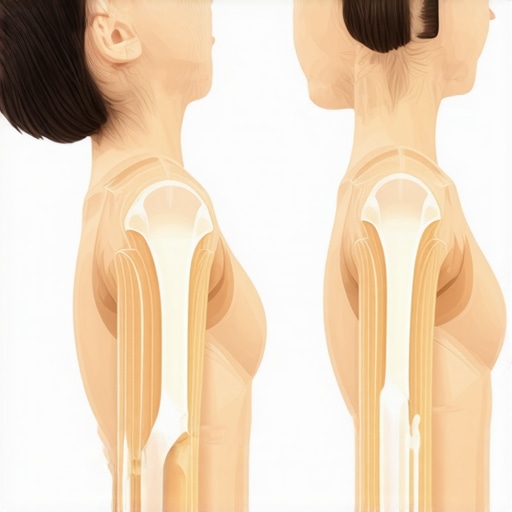
Why your heavy winter coat is hurting your shoulders
I remember the exact moment I realized my heavy winter coat was more of a burden than a safeguard. It was after a brisk morning walk, when I tried to shrug off the weight and noticed a sharp ache creeping into my shoulders. That discomfort lingered for days, making me wonder—could my warmest layer be secretly harming me?
The Hidden Cost of Heavy Coats: Shoulder Strain
Many of us reach for that bulky winter coat, thinking it’s the best protection against the cold. But if your coat feels like it’s pulling your shoulders forward or causing ache after hours of wear, you might be falling into a common trap. Heavy coats, especially those with thick padding or loaded with extra weight, can strain your shoulder muscles and alter your natural posture. Over time, this misalignment can lead to chronic discomfort or even more serious musculoskeletal issues.
Are we really sacrificing shoulder health for warmth?
Early on, I made a mistake I see many others repeating—ignoring the importance of proper layering and fit. I kept squeezing into coats that were a size too small, thinking that tighter was better for insulation. In reality, this only added to the shoulder tension, compressing muscles and restricting movement. Learning to choose the right coat, one that balances insulation with ergonomic support, made a huge difference. If you’re puzzled about how to select winter gear that keeps you warm without hurting your shoulders, I suggest exploring simple yet effective chiropractic hacks for better posture and comfort.
Understanding the biomechanics of shoulder support can be eye-opening. Did you know that prolonged compression or improper weight distribution can lead to shoulder impingement and neck tension? It’s a surprisingly common issue, especially during winter months when layers add bulk and weight. Recognizing the signs early can prevent long-term damage, and I’ll guide you through how to do just that.
Before diving into solutions, reflect—have you faced similar discomfort with your winter gear? If so, you’re not alone, and there’s definitely a way to love your coat without paying the price in pain.
Assess Your Carrying Technique for Better Support
Start by examining how you carry your heavy coat or bag. Imagine your spine as a garden hose; if you kink it in one spot, water flow (or nerve signals) gets obstructed. When you repeatedly tug or hold a heavy coat with one shoulder, you’re creating a similar kink, leading to shoulder tension and misalignment. To prevent this, switch shoulders frequently or distribute weight evenly using both hands or a backpack. I once misjudged my load during a winter hike, carrying a bulky backpack on one shoulder. The next day, I experienced neck stiffness. Adjusting my load distribution immediately improved my posture and reduced discomfort.
Choose the Right Outerwear to Support Posture
Select coats with ergonomic design features like adjustable straps, lightweight insulation, and minimal bulk in the shoulder area. Think of your coat as a chiropractic brace—supportive but not restrictive. When I replaced my overly padded coat with a fitted, supportive one, I noticed less shoulder fatigue and improved breathing. Look for coats that allow free shoulder movement and don’t constrict the upper back. Proper fit isn’t just about size; it’s about how the garment supports your anatomy during movement.
Engage in Posture-Friendly Habits During Wear
Develop habits that promote neutral spine positioning. For example, when adjusting your coat or retrieving items from your bag, keep your back straight and avoid twisting or hunching forward. Visualize your spine as a sturdy column—any bending or twisting should be deliberate and controlled. I set reminders on my phone to check my posture if I start feeling shoulder tension. These small adjustments can prevent the development of chronic shoulder and back issues.
Incorporate Supportive Movements into Daily Routine
Regularly perform gentle stretches and strengthening exercises focused on the upper back and shoulders. Movements like the “Bird Dog” or “Wall Angels” are excellent for reinforcing proper biomechanics. For instance, I dedicate five minutes daily to wall angels, which helped realign my shoulders and reduce strain. Integrating these into your day ensures muscles remain balanced, preventing the long-term effects of poor support during cold weather wear.
Seek Professional Guidance When Discomfort Persists
If shoulder or back discomfort continues despite these adjustments, consult a chiropractor or physical therapist. They can perform detailed assessments and tailor strategies specific to your posture and daily habits. Consider it an investment in your musculoskeletal health—like tuning a musical instrument for optimal sound. I booked a session after weeks of persistent tension, and the personalized advice significantly improved my posture and mobility. To find expert help, visit this contact page.
While many believe that weekly adjustments are the key to long-term relief, the reality is far more nuanced. Most people get it wrong by thinking that chiropractic care alone can solve complex issues like chronic neck and back pain without addressing underlying habits. In fact, relying solely on adjustments can sometimes lead to temporary relief, but overlook the importance of targeted exercises, posture awareness, and lifestyle factors that sustain improvements over time.
A common myth is that pain is always due to misaligned vertebrae needing correction. However, recent studies, such as one published in *The Journal of Orthopaedic & Sports Physical Therapy*, highlight that soft tissue dysfunction, neural tension, and movement patterns often play a more significant role than spinal misalignments alone. Chiropractors who understand this layered complexity can tailor treatments that incorporate movement education and muscle balance, not just spinal adjustments, leading to better long-term outcomes.
Beware the trap of over-reliance on passive therapies. Think of your spine and muscles as a neural network—if you only focus on the signals (pain), you may miss the source (movement patterns and muscle imbalances). For example, persistent neck pain might be mistakenly treated as solely a joint problem when, in reality, it often involves myofascial restrictions or poor ergonomics that maintain the pain cycle. Engaging in proper strengthening exercises and ergonomic modifications alongside chiropractic work magnifies healing effects.
What advanced techniques can give you the edge in pain relief and mobility?
Incorporating neuromuscular re-education and functional movement assessments is the frontier many top chiropractors utilize. Techniques like Functional Range Release (FRR) or nerve gliding exercises can address neural tension that conventional adjustments might miss. These methods help improve nerve mobility, reduce inflammation, and restore normal movement patterns. For deep insights into these approaches, exploring mastering pain relief tips from experts can be enlightening.
Another often overlooked aspect is the importance of engaging your core correctly. Proper activation of deep core muscles can offload stress from your spine, prevent future injuries, and support postural stability. This is particularly vital for individuals who spend long hours at desks or perform repetitive movements. A comprehensive program that combines chiropractic care, core strengthening, and mobility work delivers sustainable results.
Remember, avoid the mistake of thinking quick fixes exist. Your body benefits from a collaborative approach that integrates adjustments, targeted exercises, and lifestyle changes. Do you see yourself relying solely on adjustments? Let me know in the comments!
To better understand how to implement these strategies for yourself, consider visiting simple yet effective chiropractic hacks for backbone health or expert methods to relieve discomfort. A proactive stance that includes movement, mindful habits, and professional guidance will empower you to regain and maintain your mobility with confidence.Maintaining long-term spinal health requires not just good habits but also reliable tools and techniques. One of my top recommendations is using a foam roller in the right way. I personally use a dense, high-quality foam roller to release tense muscles in my back and hips—it’s like giving yourself a massage anytime you need it, helping prevent stiffness before it starts. For targeted trigger point relief, I swear by a tennis ball, which I’ve placed against walls or floors to reach those stubborn knots in my upper and lower back. Consistent use of these tools, combined with mindful stretches, keeps my mobility intact and minimizes pain.
Another essential asset is a posture correction app. I rely on applications like “Upright” to remind me to sit correctly during long work hours. These apps use gentle vibrations to nudge you when you slouch, reinforcing good habits and avoiding the pitfalls of poor ergonomics. Personally, I set reminders every 30 minutes to gauge my posture, which has made a significant difference in maintaining alignment over months.
For those who commute or spend a lot of time seated, an ergonomic lumbar support pillow can be a game-changer. I use one that molds to my lower back, providing dynamic support and discouraging slouching. This small addition makes sitting for extended periods feel more natural, reducing strain on my lumbar discs.
Looking toward the future, I predict the integration of smart wearable technology is going to revolutionize how we care for our spines. Devices that track posture and movement patterns in real time, combined with AI-driven feedback, will empower us to make smarter choices daily. Companies are already developing smart posture sensors that provide instant correction cues, making proactive spinal care more accessible.
**How do I maintain my back and neck health over time?** It’s all about a proactive approach. Incorporate regular mobility exercises, utilize supportive tools, and stay informed with the latest research. For example, I incorporate core activation routines like the “Bird Dog” to stabilize my spine, which you can learn more about in detailed guides like this article. Additionally, I challenge myself to try a new posture correction app or upgrade my foam roller every year to keep my toolkit fresh and effective.
If you’re serious about keeping your spine in top shape, I recommend trying the simple but effective method of combining foam rolling with neural tension release exercises. For instance, using a tennis ball along your upper back can unlock neural pathways and improve mobility. Remember, consistency is key—allocate 5 minutes daily for these practices to see long-term benefits.
By integrating these specialized tools and techniques into your routine, you’ll build resilience against pain and maintain your mobility for years to come. Curious about integrating smart tech into your spinal health strategy? Explore options that suit your lifestyle and start making proactive adjustments today.Throughout my journey into chiropractic care and body awareness, I uncovered vital lessons that transformed my understanding of pain prevention and mobility enhancement. One crucial realization was that quick fixes often mask symptoms rather than address root causes—that persistent neck tension I once considered inevitable was, in fact, linked to habits I could change daily. I learned that consistent, mindful movement and ergonomic support are more powerful than any temporary adjustment, emphasizing the importance of integrating simple routines into everyday life. Additionally, trusting reputable resources like these chiropractic hacks provided me with tools that truly make a difference, proving that education and proactive effort foster long-term health. Ultimately, embracing a holistic view that combines professional guidance with daily habits led me to a pain-free, more mobile life—something I now passionately share with others seeking similar freedom.