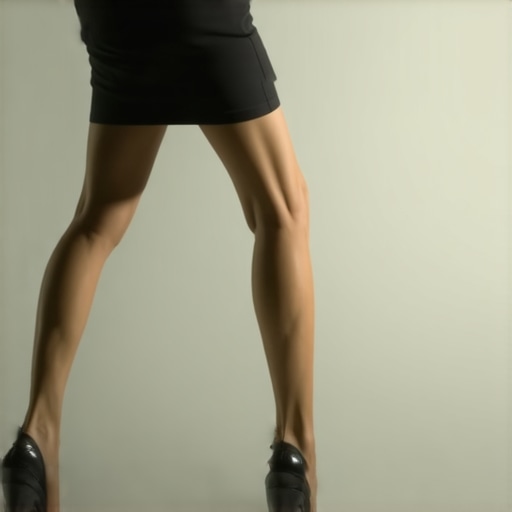
Why Your High Heels Are Causing a Hyper-Lordosis in Your Lower Back
Ever wobbled out of a fancy dinner, feeling that sharp, nagging ache in your lower back that just won’t quit? I remember the moment I finally put two and two together—standing in my closet, staring at a pair of sleek high heels, realizing they might be the culprit behind my relentless back pain. It hit me like a lightbulb: those stylish shoes were doing more than just making me look fabulous—they were secretly transforming my spine into a curve I didn’t ask for.
Why Your Favorite High Heels Might Be Causing a Hyper-Lordosis in Your Back
Here’s the thing. The spine isn’t meant to be a perfect straight line when you’re standing, but excessive curvature, known as hyper-lordosis, can lead to chronic pain and mobility issues. High heels elevate your heel, shifting your pelvis forward, which often causes your lower back to hyperextend—a condition I like to call the “sway-back effect.” This exaggerated curve can stretch and weaken your lumbar muscles over time, leading to discomfort and even nerve impingement.
And get this: studies suggest that wearing high heels regularly can contribute to postural changes that persist long after you’ve kicked them off. It’s not just about aesthetics—it’s about how your footwear influences your entire spinal alignment.
Early in my journey, I made the mistake of dismissing my pain as just part of aging or the result of bad luck. But the real breakthrough came when I started paying attention to how my lifestyle, especially my shoe choices, was affecting my posture. I learned that addressing the root cause—what’s happening in my hips and pelvis—was essential. For additional insights on restoring your back mobility naturally, I recommend exploring proven chiropractic strategies documented at this resource.
So, if you’re tired of the cycle of pain and want to reclaim your posture without endless medications or invasive procedures, you’re in the right place. We’re about to uncover simple, effective actions that can reverse these harmful postural adaptations and help you stand tall again.
Have you ever experienced that nagging lower back ache after a night out in heels? You’re not alone. Let’s dive into how your footwear may be silently sabotaging your spine and what you can do about it.
Identify the Root of Your Postural Issues
Start by assessing how often you wear high heels. Recall a recent occasion where your back felt sore afterward. For me, I noticed after a weekend of parties in heels, my lower back was stiff and tender. Recognizing this pattern helps you understand the specific movements and positions aggravating your spine. Take note of your daily shoe choices and how they influence your posture to target the right corrective steps.
Practice Proper Hip and Pelvic Alignment
Engage Your Glutes and Core
Lie on your back and perform bridges by squeezing your glutes and lifting your hips off the ground. This activates the muscles counteracting the sway caused by high heels, much like tightening the braces on a tent to keep it upright. I did this before bed one night, and over a week, I felt my pelvis settle into a more neutral position, reducing lower back strain.
Stretch Tight Hip Flexors
Use the kneeling lunges to stretch your hip flexors—these muscles often become tight from elevated heels, pulling your pelvis forward. Hold each stretch for at least 30 seconds. I incorporated these during my lunch break, noticing immediately my hips felt freer, and the tension in my lower back eased.
Restore Natural Movement Patterns
Incorporate the Cat-Cow Exercise
This movement awakens spinal flexibility, akin to warming up a rusty lock. On all fours, alternate between arching your back and dipping it down gently. Doing this daily—like I did after sitting at my desk all day—helped maintain spinal mobility and eased stiffness that high heels had worsened.
Roll Out Tight Muscles
Use a foam roller on your lumbar area and hips to release tension. Think of it as loosening a stubborn knot in a rope. I spent five minutes each evening, which significantly decreased my back discomfort and improved posture during daily activities.
Train for Better Posture and Stability
Perform Balance Exercises
Single-leg stands or gentle tree poses strengthen stabilizers. Picture standing on a narrow ledge; maintaining balance trains your muscles to keep your spine aligned. I practiced these exercises during coffee breaks and found my overall posture improved, making me less susceptible to back pain from footwear choices.
Use Ergonomic Strategies Daily
Adjust your workspace—like raising your monitor and using supportive seating—to support spinal health, similar to tuning a musical instrument for optimal sound. Implementing these changes helped me maintain proper alignment throughout my workday, reducing the strain from previous habits.
Remember, correcting postural adaptations caused by high heels involves consistent practice of strengthening, stretching, and mindful movement. For deeper strategies tailored to your specific needs, explore documented methods at this resource.
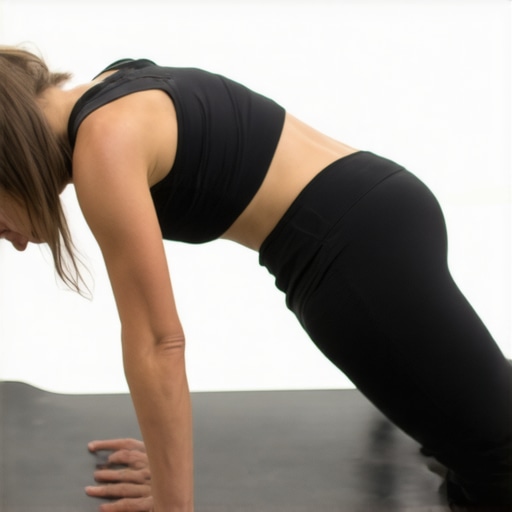
Many people believe that increasing flexibility through relentless stretching is the key to resolving chronic neck or back pain, but the reality is far more nuanced. Overstretched muscles can sometimes weaken your spinal stability, leading to even more pain and instability over time. This misconception often results in futile exercises that exacerbate existing issues rather than solve them. As an expert, I’ve seen countless patients fall into this trap, wasting time on stretches that do more harm than good. For example, aggressive hamstring stretching without addressing root causes like hip mobility or pelvis alignment can tighten the hamstrings further and pull the pelvis downward, worsening back issues. To truly enhance your mobility and resolve lingering pain, you need a tailored approach that targets underlying dysfunctions. I recommend exploring proven chiropractic strategies that focus on restoring your spine’s natural movement patterns.
Why Do Most People Misunderstand Chiropractic and Mobility
One common myth is that chiropractic adjustments are solely for acute pain relief, but in my experience, they are a vital component of a comprehensive mobility improvement plan. Many individuals dismiss chiropractic care as merely cracking joints, yet what’s often overlooked is the nuanced assessment of joint biomechanics and neuromuscular control. Proper adjustments can unlock restricted movement and retrain your nervous system to stabilize the spine more effectively. Overlooking this complex interplay can result in partial or temporary relief, leading many to think chiropractors don’t work. But the truth is, when integrated properly with movement therapy, chiropractic care can significantly enhance your ability to move freely again. For insights on optimizing your back recovery, see how chiropractic transforms lives.
Advanced Mistakes That Keep You Stuck
One subtle trap is neglecting the importance of integrated movement patterns. For example, focusing only on spinal flexibility without addressing hip and ankle mobility overlooks the interconnected nature of your kinetic chain. This can cause compensations, like overusing the lumbar spine, thereby perpetuating pain cycles. Experts highlight that a comprehensive assessment involving multiple joints and movement patterns results in better outcomes. In fact, a 2020 study emphasizes that a multi-joint approach is more effective than isolated stretching for long-term pain reduction (see here). I urge you to scrutinize your routines and avoid the common mistake of treating symptoms in isolation—your body acts as a whole, not a collection of separate parts.
Have you ever fallen into this trap? Let me know in the comments. Remember, knowledge is power when it comes to healing your spine and restoring natural mobility!
Maintaining spinal health requires more than just occasional stretches or visits to your chiropractor; it involves consistent use of effective tools and proven strategies that support your mobility and long-term wellness. One essential tool I personally recommend is a high-density foam roller. Unlike softer rollers, a dense foam roller allows for targeted myofascial release, helping to reduce muscle tightness and restore proper tissue function. I use mine daily after workouts or long hours at the desk, focusing on my lower back, hips, and thoracic spine to prevent stiffness and pain. Another valuable addition is a posture-correcting brace, particularly for those transitioning from aggressive stretches to functional movement. I prefer adjustable braces that provide gentle support while allowing freedom of movement, reinforcing correct alignment during daily activities. When combined with desk ergonomics adjustments—like a stand-up desk setup and monitor alignment—these tools form a comprehensive maintenance regimen that sustains mobility gains. Looking forward, the trend points toward integrating technology with manual therapies; smart sensors that monitor posture or muscle activity could soon provide real-time feedback and personalized corrective cues. How do I keep my spine healthy over time? By establishing a routine where tools like foam rollers and ergonomic accessories become part of my daily practice. Remember, consistency is key for lasting results. For advanced mobility strategies that I swear by, explore the proven chiropractic methods detailed at this resource. Start by incorporating a daily 2-minute foam rolling session—it’s a small step that can lead to significant long-term benefits for your spine’s health.
What I Wish I Knew About Heel-Induced Spinal Changes
- Listening to Your Body Is Crucial: Early signs of back pain from high heels often go unnoticed; tuning into these signals can prevent long-term issues.
- Weakness in Stabilizers Matters: Focusing solely on flexibility without strengthening core and glutes can perpetuate postural problems caused by footwear.
- Small Adjustments Lead to Big Changes: Simple daily habits, like proper movement and ergonomic awareness, can significantly improve spinal health over time.
- Holistic Approach Wins: Combining chiropractic strategies with targeted exercises accelerates recovery and restores natural mobility faster than isolated efforts.
- Understanding Root Causes Prevents Reinjury: Addressing pelvis tilt, hip tightness, and muscular imbalances ensures lasting relief, rather than temporary fixes.
My Go-To Resources for Back and Neck Wellness
- Proven Chiropractic Strategies: I recommend exploring this resource for a comprehensive guide on natural mobility restoration.
- Back Pain Recovery Insights: Learning from this article helped me understand the importance of integrating manual therapy with movement techniques.
- Mobility Enhancement Tips: The chiropractic techniques discussed here transformed my approach to everyday movement.
- Personal Wellness Tools: Using a dense foam roller and ergonomic accessories has become essential in my routine; check out recommendations at this site for more ideas.
Take the Next Step Toward a Pain-Free Life
Remember, the journey to optimal spinal health is personal and ongoing. Every effort counts, from mindful footwear choices to consistent movement routines. Your spine deserves attention and care—start today, and watch your posture and confidence improve naturally. Do you think your shoe habits might be affecting your back? Share your experience below and let’s discuss how small changes can make a big difference in your mobility and overall wellness.