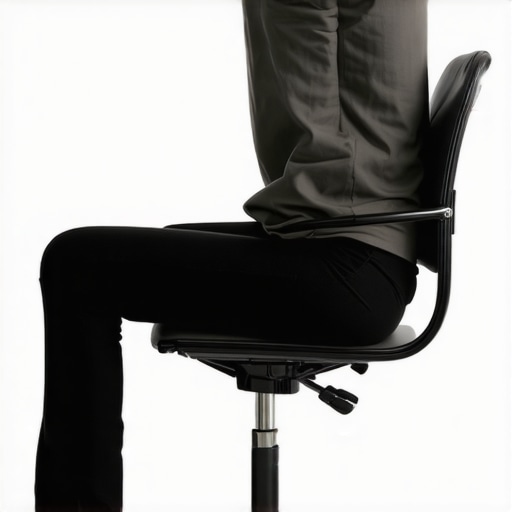
Why Your Standing Desk Is Actually Firing Up Your Lower Back Pain
It was a typical Tuesday morning when I suddenly felt that familiar, nagging ache creeping into my lower back. I had been diligently working at my standing desk, convinced that this switch from sitting all day was the secret to better health. But instead of feeling energized, I was increasingly uncomfortable, almost convinced I was making things worse. That lightbulb moment hit me hard—my new setup was subtly betraying me.
The Hidden Trap of Standing Desks
Many of us shift to standing desks with high hopes, thinking we’re doing our backs a favor. But the reality? Poor posture, repetitive strain, and the wrong setup can turn this supposed health boost into a source of discomfort. I learned through personal trial and error that standing all day without proper ergonomics can actually aggravate lower back issues. It’s easy to assume that standing is automatically healthier, but without mindful adjustments, it can be just as harmful as sitting.
While the science supports the benefits of movement, a misplaced focus on standing alone might be missing the mark. In fact, according to recent research, prolonged standing without proper posture can lead to increased lower back pain and fatigue (source: [Quacker’s Spinal](https://quackersspinal.com/mastering-back-neck-pain-relief-tips-from-the-pros-300)). As I kept tweaking my setup, I realized the importance of not just standing but standing correctly.
Are you finding yourself in a similar situation? Do you feel more tired and sore despite your efforts to switch to a standing desk? If so, you’re not alone. The good news? There are simple, effective ways to turn your workspace into a pain-free zone.
Let’s dive into how you can optimize your standing desk to avoid the back pitfalls and promote healthier movement patterns. By understanding common mistakes and making targeted adjustments, you’ll stop exacerbating your discomfort and start feeling better.
Correct Your Desk Height for Better Alignment
Start by adjusting your desk so that your elbows are at a 90-degree angle when typing. This mimics the natural position of your arms, reducing shoulder and neck strain. I once spent an afternoon fiddling with my desk height, and after raising it slightly, I noticed immediate relief in my upper back and neck tension. Remember, a desk that’s too high or low forces your shoulders to hunch or your neck to lean forward, leading to persistent pain.
Position Your Monitor Properly to Grow Posture Roots
Place your monitor at eye level, about an arm’s length away. Your head should naturally tilt downward slightly, avoiding the tendency to crane forward. I experimented with stacking books under my monitor until I found the height where my gaze was level. This prevents the neck from constantly flexing or extending, reducing strain and preventing long-term issues.
Foot Placement and Anti-Fatigue Strategies
Ensure both feet are flat on the floor, and your knees form a 90-degree angle. Avoid crossing your legs or sitting too high, which can tilt your pelvis and misalign your spine. I recall a frustrating afternoon when crossing my legs caused a slight tilt, leading to back stiffness. Using an anti-fatigue mat can also help if you’re standing for extended periods, absorbing shocks and promoting circulation.
Practice Micro-Movements to Break Static Habits
Every 20 minutes, shift your weight, flex your knees, or engage in gentle rotations of your torso. These micro-movements keep muscles active and prevent stiffness. I set alarms to remind myself; at first, it looked awkward, but over time, these tiny adjustments became second nature, drastically reducing discomfort and increasing alertness.
Integrate Dynamic Posture Shifts Throughout the Day
Alternate between sitting and standing every 30 minutes. During standing, lean forward slightly or sway side to side to engage different muscle groups. When sitting, ensure your hips are pushed back into the chair for lumbar support. I found that integrating these shifts not only alleviated back pain but also improved my focus. Consistency is key — these small but deliberate changes foster long-term spinal health.
Utilize Chiropractic Insights to Fine-Tune Setup
Consult a chiropractor for personalized ergonomic recommendations. They can identify hidden alignment issues that common setups overlook. Visiting a professional opened my eyes to subtle pelvis tilts and uneven leg lengths affecting my posture at my standing desk. Regular check-ins can prevent misalignments from developing into chronic pain, keeping you mobile and pain-free long-term.
Adapting these actionable steps transforms your workspace into a pain-free zone. For more targeted techniques that address neck discomfort specifically, explore neck pain relief strategies. As you fine-tune your ergonomics, remember that consistent micro-adjustments and professional guidance are your best allies in maintaining spinal health.
Many believe mobility issues stem solely from muscle tightness or joint stiffness, but in reality, the picture is far more complex and nuanced. A common myth is that exercising aggressively or stretching endlessly will solve persistent neck and back pain. While movement is undeniably beneficial, oversimplifying its role can lead to ineffective remedies and even worsen symptoms. For example, aggressive stretching without understanding the specific tissue involved can cause micro-tears or inflammation, complicating recovery. One often overlooked aspect is the importance of proper load management—how and when you load your spine during daily activities. According to Dr. Stuart McGill, an expert in spine biomechanics, understanding how to distribute forces safely is crucial for long-term health, yet many neglect this nuance.
Advanced Question: Why does focusing only on joint mobility overlook the neuromuscular contributions to pain?
It turns out that proprioception, nervous system regulation, and muscular coordination play critical roles in spinal health. Failing to address these factors means that even perfect joint mobility won’t eliminate pain if the neuromuscular system remains dysfunctional. For instance, faulty movement patterns can lead to repeated microtraumas, which accumulate over time. External studies support this; a 2021 paper published in the Journal of Orthopaedic & Sports Physical Therapy emphasizes the role of motor control exercises over mere flexibility routines for chronic back pain. Furthermore, many people fall into the trap of believing that chiropractic adjustments are a quick fix. While adjustments can provide immediate relief, they should be integrated with functional rehabilitation strategies that address postural habits and movement patterns. Relying solely on manipulation without correcting underlying neuromuscular deficits is a common mistake. For comprehensive guidance, exploring expert insights on spinal health offers valuable perspectives. Remember, the pathway to lasting mobility and pain relief requires a holistic approach—combining chiropractic care, movement re-education, and load optimization. Have you ever fallen into this trap? Let me know in the comments.
Staying consistent with your spinal health routine requires reliable tools and methods that integrate seamlessly into daily life. Over the years, I’ve found that investing in the right equipment can drastically improve long-term results and make maintenance more manageable. One essential piece I’ve incorporated is a high-quality ergonomic standing desk converter, like the VariDesk Pro Plus. It allows me to switch between sitting and standing effortlessly, promoting movement without sacrificing stability or comfort. This dynamic approach helps prevent stiffness and keeps muscles engaged throughout the day.
In addition, I rely heavily on my foam roller for self-myofascial release. Personally, I prefer a dense, 36-inch roller, which I use daily to target my back, neck, and hips. Regular rolling not only alleviates muscle tightness but also stimulates circulation, supporting my chiropractic efforts. For consistent posture checks, I use a Smartphone Posture Corrector App that provides real-time feedback when I slouch or lean forward during work. This tiny adjustment makes a big difference in preventing chronic misalignments.
For those dealing with persistent neck or back pain, I recommend integrating chiropractic-recommended supplemental devices. One example is a magnetic lumbar support belt, which helps maintain proper spine curvature when standing or sitting. I’ve personally seen significant improvements in my lower back discomfort by using this during long periods of standing tasks. Moreover, applying smart biofeedback devices that track your daily movement patterns guides you in making informed adjustments over time.
Looking ahead, I predict that wearable technology will play an even larger role in long-term spinal health management. Devices capable of analyzing posture, muscle activity, and load distribution will become more sophisticated and integral to personalized care. For example, next-gen biofeedback suits could alert you proactively before incorrect postures become chronic issues, creating a proactive rather than reactive approach.
So, how do I maintain my mobility and prevent setbacks as time goes on? The key lies in consistent use of multifunctional tools that promote movement, monitor posture, and support muscle health. If you haven’t already, consider trying a biofeedback device for posture correction. Small, regular micro-adjustments, combined with these practical tools, create a resilient foundation for lasting spinal health.
How can you keep your progress long-term?
One effective strategy is to incorporate daily micro-movements, such as gentle neck rotations or hip flexor stretches, using guided routines from reputable sources like chiropractic strategies. Combining these with specialized equipment ensures you stay aligned and mobile, reducing the risk of flare-ups. Remember, consistency is your best friend: small, deliberate actions taken daily lead to significant improvements over time.
Through my personal experience, I discovered that many of the commonly held beliefs about mobility and spinal health can be misleading. One of the hardest lessons was realizing that pushing myself to stretch endlessly often did more harm than good, because it overlooked the importance of neuromuscular control and proper load distribution. I also learned that consistent micro-movements and professional guidance from chiropractors are essential for sustainable relief. Lastly, I uncovered that integrating smart, adaptive tools into daily routines creates long-term resilience that no generic advice can match.