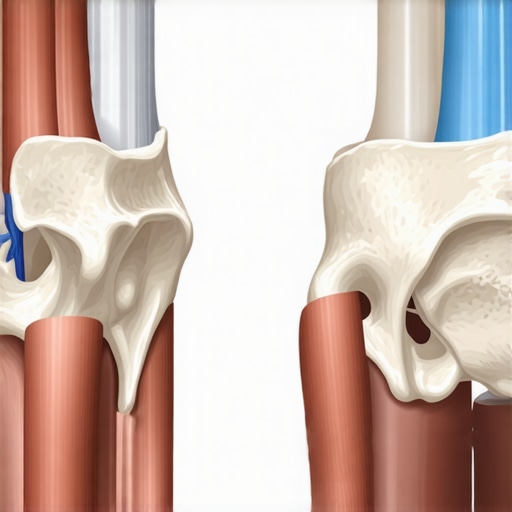
How Your Tight Hip Flexors Are Secretly Mimicking Lower Back Pain
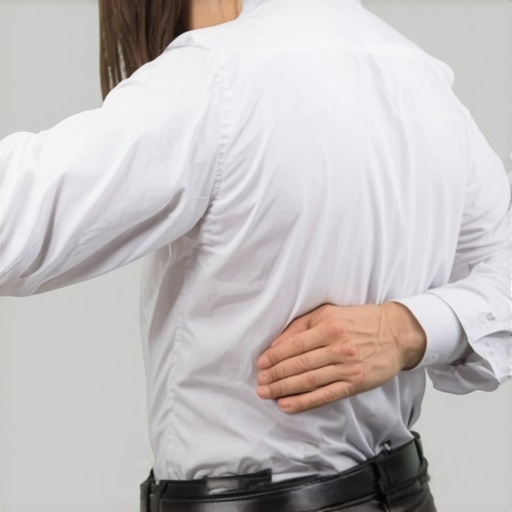
I remember the moment clearly — I was limping into my chiropractor’s office, feeling more frustrated than ever. My lower back was aching, stiff, and nothing seemed to help. But what struck me was how my usual stretches and painkillers didn’t provide lasting relief. It was only after a lightbulb moment that I realized the real culprit wasn’t my back at all but rather my hips.
The Hidden Link Between Your Hip Flexors and Back Pain
Many of us endure persistent lower back discomfort without suspecting that tight hip flexors might be mimicking or contributing to the problem. I used to think that my lower back pain was localized — telltale sign I needed to strengthen my core or visit a chiropractor regularly. Little did I know, my hip tightness was acting like a puppet master, pulling my spine out of alignment and giving me the illusion of lower back woes.
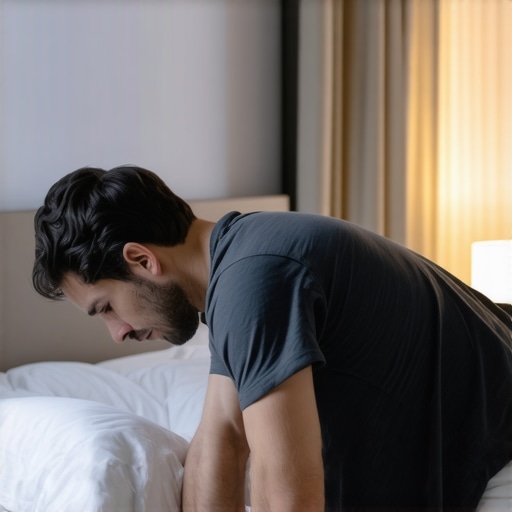
Numerous studies show that1 tight hip flexors can alter your posture and increase stress on your lumbar spine, leading to pain that feels like it’s originating lower down. If you’ve ever felt that nagging ache after sitting for hours or during your morning wake-up, chances are, your hip mobility is more involved than you think. But here’s the good news: identifying and addressing this can drastically improve your situation.
Have You Faced This Specific Problem?
If you’ve ever experienced persistent lower back aches that seem resistant to typical treatments, you’re not alone. I found myself in the same boat, only to discover that my hips were secretly sabotaging my comfort. Now, I want to share what I’ve learned so you won’t waste time chasing after the wrong solutions. In the next sections, we’ll explore actionable steps to release your hip flexors and get your back back in alignment.
Stick around. Because understanding this connection could be the breakthrough you need to finally find relief. Ready to uncover the truth behind your pain and take control? Let’s dive into what might be causing these mysterious sensations.
Targeted Hip Flexor Stretches for Relief
Start with simple stretches like the kneeling hip flexor stretch. Assume a lunge position with one foot forward and the knee directly above the ankle. Gently push your hips downward while keeping your back straight. This action effectively loosens tight hips, similar to releasing a knot in a tangled rope. I once spent five minutes holding this stretch after a long sitting session, and surprisingly, my lower back soreness diminished noticeably by the end of the day.
Incorporate Dynamic Movement for Mobility
Next, move into dynamic exercises such as leg swings. Stand near a wall or support and swing one leg forward and backward, gradually increasing range of motion. This mimics warming up a machine before work, ensuring all parts move smoothly. During my first attempt, I noticed a brief feeling of tightness that gradually loosened, making daily movements feel more natural and less strained.
Strengthen Supporting Muscles
Strengthening the glutes and core helps stabilize your pelvis, reducing strain on your hips and back. Exercises like bridges—lying on your back with knees bent and lifting your hips—are effective. I added this after noticing that weak glutes contributed to my hip tightness. Consistent practice over two weeks showed better posture and fewer aches, demonstrating the importance of supporting muscles in maintaining mobility.
Mindful Posture During Daily Activities
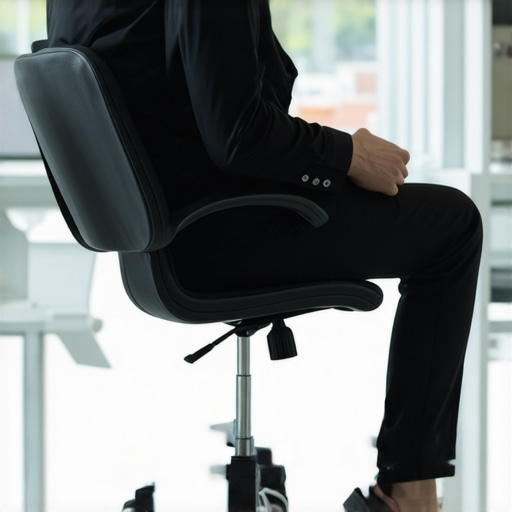
Pay attention to your sitting and standing habits. Use ergonomic chairs that support natural spine curves, and avoid crossing your legs excessively. Think of your posture as the scaffolding supporting a building—if the scaffolding is weak or misaligned, the entire structure suffers. I set reminders to adjust my sitting position regularly, which prevented my hips from tightening further and reduced my back pain episodes.
Regular Movement Breaks
Take short breaks every 30 minutes to stand, stretch, or walk around. This breaks the cycle of stiffness, much like rebooting a sluggish computer. During a particularly busy workday, I set a timer and performed a quick stretch, which prevented my hips from becoming painfully stiff, directly impacting my back comfort.
Utilize Self-Myofascial Release Techniques
Use a foam roller or massage ball on your hip area to release fascia tension. Roll gently over the hip flexors and surrounding muscles to break up knots and adhesions. This technique acted like a tune-up for my muscles, leading to immediate relief and improved flexibility. Incorporating this into my routine made a noticeable difference within days.
Progressively Increase Exercise Intensity
Gradually add more challenging movements like lunges or side-lying leg lifts, ensuring your hips adapt safely. Avoid rushing, as pushing too hard can cause setbacks. I once tried a vigorous lunge without proper warm-up, which caused temporary soreness—reminding me to pace myself and respect my body’s signals.
Leverage Expert Resources for Guidance
Consult reputable sources like chiropractic strategies or mobility techniques to refine your approach. Watching instructional videos or reading detailed guides can prevent common mistakes. I follow step-by-step tutorials to ensure proper form, which maximized my progress and avoided injury.
Remember, consistency is key. Incorporate these actions daily, and over time, you’ll notice significant improvements in hip mobility and a reduction in back discomfort. Every small step counts toward reclaiming pain-free movement and a healthier spine.
Many individuals assume that persistent neck and back pain are simply the result of muscle strain or poor posture, but this is a common misconception that can impede effective treatment. The popular belief that instant relief comes solely from quick fixes, like over-the-counter medications or temporary stretches, often leads to neglecting deeper issues such as fascial restrictions or neural tensions that significantly influence pain levels. Advanced practitioners understand that addressing only the surface symptoms may provide short-term comfort, but without targeting the root causes—like fascial adhesions or neural pathway dysfunctions—recurrence is almost guaranteed.
A prevalent myth is that chiropractors rely solely on spinal adjustments to resolve all mobility issues. While spinal manipulation is valuable, focusing exclusively on this can overlook the importance of comprehensive mobility training and neuromuscular re-education. Certain advanced techniques involve assessing and releasing fascial restrictions and neural tensions that compromise mobility and perpetuate pain cycles. For example, studies indicate that fascia plays a crucial role in pain transmission and movement limitations1. Ignoring these factors may lead to temporary relief but not sustainable improvements.
It’s a trap to think that pain originates exclusively from joints or bones. The nervous system’s role is often underestimated. Neural sensitivities or misfiring can cause referred pain or muscle tightness that mimic joint issues. Techniques such as neural mobilizations, which address nerve gliding and neural tension, are essential advanced strategies that can unlock persistent stiffness and discomfort.
How Can Neural Tension Influence Chronic Neck and Back Pain?
Many seasoned clinicians emphasize that unresolved neural tension can compromise blood flow and mechanism of nerve signaling, leading to chronic discomfort. For instance, research demonstrates that neural restrictions can cause referred pain patterns and functional limitations that are mistaken for skeletal problems2. Integrating neural mobilization exercises into your routine can drastically improve outcomes, especially when traditional approaches fail.
Recognizing these nuances enables a more tailored and effective treatment plan. It’s not enough to target muscles or joints alone; understanding fascia and neural pathways allows for a comprehensive approach that addresses all possible sources of pain and mobility restrictions. If you’re interested in deeper insights, exploring resources such as advanced chiropractic techniques can shed light on effective strategies for unlocking your full mobility.
Have you ever fallen into this trap? Let me know in the comments. Remember, understanding these hidden nuances makes all the difference in achieving long-lasting relief and optimal movement.
How Do I Maintain Mobility Over Time?
Keeping your neck and back in top shape requires the right tools and consistent effort. One of my go-to methods is using a high-quality foam roller, specifically designed for myofascial release. I prefer the TriggerPoint GRID foam roller because its textured surface allows me to target tight fascia and muscle knots effectively. I spend about five minutes rolling my upper back and hips daily, which not only prevents stiffness but also promotes circulation and tissue repair.
Additionally, I rely heavily on professional-grade massage balls, like the Lacrosse ball, to pinpoint and break down specific tension areas. I keep it in my desk drawer for quick relief during work hours.
For tracking my progress and maintaining disciplined routines, I use the Chiropractic Strategies app. It helps me log my stretches, remind me of routine exercises, and monitor how my mobility improves weekly.
Technology isn’t just for recovery—it can also be a preventative measure. I utilize posture correction devices like the Upright GO 2, which discreetly vibrates to alert me when I slouch. Over time, this trains me to maintain better posture, reducing strain.
Predicting future trends, I believe smart wearables and AI-driven feedback systems will become more integral in personalized mobility maintenance, giving immediate cues to prevent injury before it happens.
To keep your neck and back healthy long-term, I recommend integrating these tools into your daily routine and adjusting as your body adapts. Consistency is key, and leveraging technology alongside traditional methods ensures sustainable results. For more expert insights, check out this comprehensive guide.
What’s the Best Way to Manage Tools for Mobility?
Start simple. Use your foam roller and massage ball regularly, targeting areas of tightness. Incorporate these into your morning or evening routines for best results. Over time, as you become more comfortable, experiment with sensors or apps that provide real-time feedback to correct posture and movement patterns. Remember, the goal isn’t just immediate relief but building resilience and long-term mobility. Don’t forget to consult with your chiropractor about the best tools tailored for your specific needs—an expert can suggest modifications or advanced techniques to accelerate your progress. Implementing these tools diligently will help you maintain mobility, prevent future pain, and enhance your overall quality of life.
Try integrating a targeted self-myofascial release session using your trigger point roller or massage ball today, and experience how small, consistent actions can lead to lasting improvements. For further guidance on optimizing your routine, visit this resource.
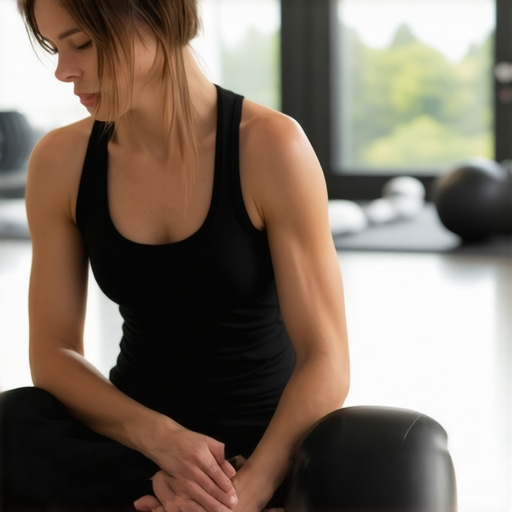
The Hardest Lesson I Learned About Neck Pain and Mobility
One of the most impactful realizations I’ve had is that persistent neck pain often isn’t just about muscles—fascial restrictions and neural tensions can play a silent yet powerful role. My initial belief was that targeted stretches and exercises would always solve the problem, but I learned that without addressing fascial adhesions and neural pathways, relief can be short-lived. A lightbulb moment came when I saw how integrating neural mobilizations and fascia releases dramatically improved my mobility, dispelling the myth that pain is purely structural.
My Go-To Resources for Deepening Understanding
For anyone serious about long-term neck and back health, I recommend checking out these advanced chiropractic techniques. They offer insights into neural mobilization and fascia work that I found invaluable. The book Fascial Release for Structural Balance became my personal bible for understanding how fascia impacts movement. Lastly, the chiropractic strategies guide provided step-by-step routines I could follow confidently, tailored to addressing root causes rather than just symptoms.
Keep Moving Forward: Your Next Step
Remember, real progress in neck pain and mobility comes from persistence and embracing a holistic approach. Don’t just settle for temporary fixes—invest in understanding your body’s interconnected systems and use the right tools consistently. Your neck and back are resilient, and with mindful effort, you can regain freedom of movement and enjoy a pain-free life. Ready to take the next step? Explore the resources above and start incorporating neural and fascial releases into your routine today.
What’s one small change you’re willing to make today to improve your neck mobility? Share your thoughts below, and let’s support each other on this journey!
}#}#}#}#}#}#}#}#}#}#}#}#}#}#}#}#}#}#}#}#}#}#}#}#}#}#}#}#}#}#}#}#}#}#}#}#}#}#}#}#}#}#}#}#}#}#}#}#}#}#}#}#}#}#}#}#}#}#}#}#}#}#}#}#}#}#}#}#}#}#}#}#}#}#}#}#}#}#}#}#}#}#}#}#}#}#}#}#}#}#}#}#}#}#}#}#}#}#}#}#}#}#}#}#}#}#}#}#}#}#}#}#}#}#}#}#}#}#}#}#}#}#}#}#}#}#}#}#}#}#}#}#}#}#}#}#}#}#}#}#}#}#}#}#}#}#}#}#}#}#}#}#}#}#}#}#}#}#}#}#}#}#}#}#}#}#}#}#}#}#}#}#}#}#}#}#}#}#}#}#}#}#}#}#}#}#}#}#}#}#}#}#}#}#}#}#}#}#}#}#}#}#}#}#}#}#}#}#}#}#}#}#}#}#}#}#}#}#}#}#}#}#}#}#}#}#}#}#}#}#}#}#}#}#}#}#}#}#}#}#}#}#}#}#}#}#}#}#}#}#}#}#}#}#}#}#}#}#}#}#}#}#}#}#}#}#}#}#}#}#}#}#}#}#}#}#}#}#}#}#}#}#}#}#}#}#}#}#}#}#}#}#}#}#}#}#}#}#}#}#}#}#}#}#}#}#}#}#}#}#}#}#}#}#}#}#}#}#}#}#}#}#}#}#}#}#}#}#}#}#}#}#}#}#}#}#}#}#}#}#}#}#}#}#}#}#}#}#}#}#}#}#}#}#}#}#}#}#}#}#}#}#}#}#}#}#}#}#}#}#}#}#}#}#}#}#}#}#}#}#}#}#}#}#}#}#}#}#}#}#}#}#}#}#}#}#}#}#}#}#}#}#}#}#}#}#}#}#}#}#}#}#}#}#}#}#}#}#}#}#}#}#}#}#}#}#}#}#}#}#}#}#}#}#}#}#}#}#}#}#}#}#}#}#}#}#}#}#}#}#}#}#}#}#}#}#}#}#}#}#}#}#}#}#}#}#}#}#}#}#}#}#}#}#}#}#}#}#}#}#}#}#}#}#}#}#}#}#}#}#}#}#}#}#}#}#}#}#}#}#}#}#}#}#}#}#}#}#}#}#}#}#}#}#}#}#}#}#}#}#}#}#}#}#}#}#}#}#}#}#}#}#}#}#}#}#}#}#}#}#}#}#}#}#}#}#}#}#}#}#}#}#}#}#}#}#}#}#}#}#}#}#}#}#}#}#}#}#}#}#}#}#}#}#}#}#}#}#}#}#}#}#}#}#}#}#}#}#}#}#}#}#}#}#}#}#}#}#}#}#}#}#}#}#}#}#}#}#}#}#}#}#}#}#}#}#}#}#}#}#}#}#}#}#}#}#}#}#}#}#}#}#}#}#}#}#}#}#}#}#}#}#}#}#}#}#}#}#}#}#}#}#}#}#}#}#}#}#}#}#}#}#}#}#}#}#}#}#}#}#}#}#}#}#}#}#}#}#}#}#}#}#}#}#}#}#}#}#}#}#}#}#}#}#}#}#}#}#}#}#}#}#}#}#}#}#}#}#}#}#}#}#}#}#}#}#}#}#}#}#}#}#}#}#}#}#}#}#}#}#}#}#}#}#}#}#}#}#}#}#}#}#}#}#}#}#}#}#}#}#}#}#}#}#}#}#}#}#}#}#}#}#}#}#}#}#}#}#}#}#}#}#}#}#}#}#}#}#}#}#}#}#}#}#}#}#}#}#}#}#}#}#}#}#}#}#}#}#}#}#}#}#}#}#}#}#}#}#}#}#}#}#}#}#}#}#}#}#}#}#}#}#}#}#}#}#}#}#}#}#}#}#}#}#}#}#}#}#}#}#}#}#}#}#}#}#}#}#}#}#}#}#}#}#}#}#}#}#}#}#}#}#}#}#}#}#}#}#}#}#}#}#}#}#}#}#}#}#}#}#}#}#}#}#}#}#}#}#}#}#}#}#}#}#}#}#}#}#}#}#}#}#}#}#}#}#}#}#}#}#}#}#}#}#}#}#}#}#}#}#}#}#}#}#}#}#}#}#}#}#}#}#}#}#}#}#}#}#}#}#}#}#}#}#}#}#}#}#}#}#}#}#}#}#}#}#}#}#}#}#}#}#}#}#}#}#}#}#}#}#}#}#}#}#}#}#}#}#}#}#}#}#}#}#}#}#}#}#}#}#}#}#}#}#}#}#}#}#}#}#}#}#}#}#}#}#}#}#}#}#}#}#}#}#}#}#}#}#}#}#}#}#}#}#}#}#}#}#}#}#}#}#}#}#}#}#}#}#}#}#}#}#}#}#}#}#}#}#}#}#}#}#}#}#}#}#}#}#}#}#}#}#}#}#}#}#}#}#}#}#}#}#}#}#}#}#}#}#}#}#}#}#}#}#}#}#}#}#}#}#}#}#}#}#}#}#}#}#}#}#}#}#}#}#}#}#}#}#}#}#}#}#}#}#}#}#}#}#}#}#}#}#}#}#}#}#}#}#}#}#}#}#}#}#}#}#}#}#}#}#}#}#}#}#}#}#}#}#}#}#}#}#}#}#}#}#}#}#}#}#}#}#}#}#}#}#}#}#}#}#}#}#}#}#}#}#}#}#}#}#}#}#}#}#}#}#}#}#}#}#}#}#}#}#}#}#}#}#}#}#}#}#}#}#}#}#}#}#}#}#}#}#}#}#}#}#}#}#}#}#}#}#}#}#}#}#}#}#}#}#}#}#}#}#}#}#}#}#}#}#}#}#}#}#}#}#}#}#}#}#}#}#}#}#}#}#}#}#}#}#}#}#}#}#}#}#}#}#}#}#}#}#}#}#}#}#}#}#}#}#}#}#}#}#}#}#}#}#}#}#}#}#}#}#}#}#}#}#}#}#}#}#}#}#}#}#}#}#}#}#}#}#}#}#}#}#}#}#}#}#}#}#}#}#}#}#}#}#}#}#}#}#}#}#}#}#}#}#}#}#}#}#}#}#}#}#}#}#}#}#}#}#}#}#}#}#}#}#}#}#}#}#}#}#}#}#}#}#}#}#}#}#}#}#}#}#}#}#}#}#}#}#}#}#}#}#}#}#}#}#}#}#}#}#}#}#}#}#}#}#}#}#}#}#}#}#}#}#}#}#}#}#}#}#}#}#}#}#}#}#}#}#}#}#}#}#}#}#}#}#}#}#}#}#}#}#}#}#}#}#}#}#}#}#}#}#}#}#}#}#}#}#}#}#}#}#}#}#}#}#}#}#}#}#}#}#}#}#}#}#}#}#}#}#}#}#}#}#}#}#}#}#}#}#}#}#}#}#}#}#}#}#}#}#}#}#}#}#}#}#}#}#}#}#}#}#}#}#}#}#}#}#}#}#}#}#}#}#}#}#}#}#}#}#}#}#}#}#}#}#}#}#}#}#}#}#}#}#}#}#}#}#}#}#}#}#}#}#}#}#}#}#}#}#}#}#}#}#}#}#}#}#}#}#}#}#}#}#}#}#}#}#}#}#}#}#}#}#}#}#}#}#}#}#}#}#}#}#}#}#}#}#}#}#}#}#}#}#}#}#}#}#}#}#}#}#}#}#}#}#}#}#}#}#}#}#}#}#}#}#}#}#}#}#}#}#}#}#}#}#}#}#}#}#}#}#}#}#}#}#}#}#}#}#}#}#}#}#}#}#}#}#}#}#}#}#}#}#}#}#}#}#}#}#}#}#}#}#}#}#}#}#}#}#}#}#}#}#}#}#}#}#}#}#}#}#}#}#}#}#}#}#}#}#}#}#}#}#}#}#}#}#}#}#}#}#}#}#}#}#}#}#}#}#}#}#}#}#}#}#}#}#}#}#}#}#}#}#}#}#}#}#}#}#}#}#}#}#}#}#}#}#}#}#}#}#}#}#}#}#}#}#}#}#}#}#}#}#}#}#}#}#}#}#}#}#}#}#}#}#}#}#}#}#}#}#}#}#}#}#}#}#}#}#}#}#}#}#}#}#}#}#}#}#}#}#}#}#}#}#}#}#}#}#}#}#}#}#}#}#}#}#}#}#}#}#}#}#}#}#}#}#}#}#}#}#}#}#}#}#}#}#}#}#}#}#}#}#}#}#}#}#}#}#}#}#}#}#}#}#}#}#}#}#}#}#}#}#}#}#}#}#}#}#}#}#}#}#}#}#}#}#}#}#}#}#}#}#}#}#}#}#}#}#}#}#}#}#}#}#}#}#}#}#}#}#}#}#}#}#}#}#}#}#}#}#}#}#}#}#}#}#}#}#}#}#}#}#}#}#}#}#}#}#}#}#}#}#}#}#}#}#}#}#}#}#}#}#}#}#}#}#}#}#}#}#}#}#}#}#}#}#}#}#}#}#}#}#}#}#}#}#}#}#}#}#}#}#}#}#}#}#}#}#}#}#}#}#}#}#}#}#}#}#}#}#}#}#}#}#}#}#}#}#}#}#}#}#}#}#}#}#}#}#}#}#}#}#}#}#}#}#}#}#}#}#}#}#}#}#}#}#}#}#}#}#}#}#}#}#}#}#}#}#}#}#}#}#}#}#}#}#}#}#}#}#}#}#}#}#}#}#}#}#}#}#}#}#}#}#}#}#}#}#}#}#}#}#}#}#}#}#}#}#}#}#}#}#}#}#}#}#}#}#}#}#}#}#}#}#}#}#}#}#}#}#}#}#}#}#}#}#}#}#}#}#}#}#}#}#}#}#}#}#}#}#}#}#}#}#}#}#}#}#}#}#}#}#}#}#}#}#}#}#}#}#}#}#}#}#}#}#}#}#}#}#}#}#}#}#}#}#}#}#}#}#}#}#}#}#}#}#}#}#}#}#}#}#}#}#}#}#}#}#}#}#}#}#}#}#}#}#}#}#}#}#}#}#}#}#}#}#}#}#}#}#}#}#}#}#}#}#}#}#}#}#}#}#}#}#}#}#}#}#}#}#}#}#}#}#}#}#}#}#}#}#}#}#}#}#}#}#}#}#}#}#}#}#}#}#}#}#}#}#}#}#}#}#}#}#}#}#}#}#}#}#}#}#}#}#}#}#}#}#}#}#}#}#}#}#}#}#}#}#}#}#}#}#}#}#}#}#}#}#}#}#}#}#}#}#}#}#}#}#}#}#}#}#}#}#}#}#}#}#}#}#}#}#}#}#}#}#}#}#}#}#}#}#}#}#}#}#}#}#}#}#}#}#}#}#}#}#}#}#}#}#}#}#}#}#}#}#}#}#}#}#}#}#}#}#}#}#}#}#}#}#}#}#}#}#}#}#}#}#}#}#}#}#}#}#}#}#}#}#}#}#}#}#}#}#}#}#}#}#}#}#}#}#}#}#}#}#}#}#}#}#}#}#}#}#}#}#}#}#}#}#}#}#}#}#}#}#}#}#}#}#}#}#}#}#}#}#}#}#}#}#}#}#}#}#}#}#}#}#}#}#}#}#}#}#}#}#}#}#}#}#}#}#}#}#}#}#}#}#}#}#}#}#}#}#}#}#}#}#}#}#}#}#}#}#}#}#}#}#}#}#}#}#}#}#}#}#}#}#}#}#}#}#}#}#}#}#}#}#}#}#}#}#}#}#}#}#}#}#}#}#}#}#}#}#}#}#}#}#}#}#}#}#}#}#}#}#}#}#}#}#}#}#}#}#}#}#}#}#}#}#}#}#}#}#}#}#}#}#}#}#}#}#}#}#}#}#}#}#}#}#}#}#}#}#}#}#}#}#}#}#}#}#}#}#}#}#}#}#}#}#}#}#}#}#}#}#}#}#}#}#}#}#}#}#}#}#}#}#}#}#}#}#}#}#}#}#}#}#}#}#}#}#}#}#}#}#}#}#}#}#}#}#}#}#}#}#}#}#}#}#}#}#}#}#}#}#}#}#}#}#}#}#}#}#}#}#}#}#}#}#}#}#}#}#}#}#}#}#}#}#}#}#}#}#}#}#}#}#}#}#}#}#}#}#}#}#}#}#}#}#}#}#}#}#}#}#}#}#}#}#}#}#}#}#}#}#}#}#}#}#}#}#}#}#}#}#}#}#}#}#}#}#}#}#}#}#}#}#}#}#}#}#}#}#}#}#}#}#}#}#}#}#}#}#}#}#}#}#}#}#}#}#}#}#}#}#}#}#}#}#}#}#}#}#}#}#}#}#}#}#}#}#}#}#}#}#}#}#}#}#}#}#}#}#}#}#}#}#}#}#}#}#}#}#}#}#}#}#}#}#}#}#}#}#}#}#}#}#}#}#}#}#}#}#}#}#}#}#}#}#}#}#}#}#}#}#}#}#}#}#}#}#}#}#}#}#}#}#}#}#}#}#}#}#}#}#}#}#}#}#}#}#}#}#}#}#}#}#}#}#}#}#}#}#}#}#}#}#}#}#}#}#}#}#}#}#}#}#}#}#}#}#}#}#}#}#}#}#}#}#}#}#}#}#}#}#}#}#}#}#}#}#}#}#}#}#}#}#}#}#}#}#}#}#}#}#}#}#}#}#}#}#}#}#}#}#}#}#}#}#}#}#}#}#}#}#}#}#}#}#}#}#}#}#}#}#}#}#}#}#}#}#}#}#}#}#}#}#}#}#}#}#}#}#}#}#}#}#}#}#}#}#}#}#}#}#}#}#}#}#}#}#}#}#}#}#}#}#}#}#}#}#}#}#}#}#}#}#}#}#}#}#}#}#}#}#}#}#}#}#}#}#}#}#}#}#}#}#}#}#}#}#}#}#}#}#}#}#}#}#}#}#}#}#}#}#}#}#}#}#}#}#}#}#}#}#}#}#}#}#}#}#}#}#}#}#}#}#}#}#}#}#}#}#}#}#}#}#}#}#}#}#}#}#}#}#}#}#}#}#}#}#}#}#}#}#}#}#}#}#}#}#}#}#}#}#}#}#}#}#}#}#}#}#}#}#}#}#}#}#}#}#}#}#}#}#}#}#}#}#}#}#}#}#}#}#}#}#}#}#}#}#}#}#}#}#}#}#}#}#}#}#}#}#}#}#}#}#}#}#}#}#}#}#}#}#}#}#}#}#}#}#}#}#}#}#}#}#}#}#}#}#}#}#}#}#}#}#}#}#}#}#}#}#}#}#}#}#}#}#}#}#}#}#}#}#}#}#}#}#}#}#}#}#}#}#}#}#}#}#}#}#}#}#}#}#}#}#}#}#}#}#}#}#}#}#}#}#}#}#}#}#}#}#}#}#}#}#}#}#}#}#}#}#}#}#}#}#}#}#}#}#}#}#}#}#}#}#}#}#}#}#}#}#}#}#}#}#}#}#}#}#}#}#}#}#}#}#}#}#}#}#}#}#}#}#}#}#}#}#}#}#}#}#}#}#}#}#}#}#}#}#}#}#}#}#}#}#}#}#}#}#}#}#}#}#}#}#}#}#}#}#}#}#}#}#}#}#}#}#}#}#}#}#}#}#}#}#}#}#}#}#}#}#}#}#}#}#}#}#}#}#}#}#}#}#}#}#}#}#}#}#}#}#}#}#}#}#}#}#}#}#}#}#}#}#}#}#}#}#}#}#}#}#}#}#}#}#}#}#}#}#}#}#}#}#}#}#}#}#}#}#}#}#}#}#}#}#}#}#}#}#}#}#}#}#}#}#}#}#}#}#}#}#}#}#}#}#}#}#}#}#}#}#}#}#}#}#}#}#}#}#}#}#}#}#}#}#}#}#}#}#}#}#}#}#}#}#}#}#}#}#}#}#}#}#}#}#}#}#}#}#}#}#}#}#}#}#}#}#}#}#}#}#}#}#}#}#}#}#}#}#}#}#}#}#}#}#}#}#}#}#}#}#}#}#}#}#}#}#}#}#}#}#}#}#}#}#}#}#}#}#}#}#}#}#}#}#}#}#}#}#}#}#}#}#}#}#}#}#}#}#}#}#}#}#}#}#}#}#}#}#}#}#}#}#}#}#}#}#}#}#}#}#}#}#}#}#}#}#}#}#}#}#}#}#}#}#}#}#}#}#}#}#}#}#}#}#}#}#}#}#}#}#}#}#}#}#}#}#}#}#}#}#}#}#}#}#}#}#}#}#}#}#}#}#}#}#}#}#}#}#}#}#}#}#}#}#}#}#}#}#}#}#}#}#}#}#}#}#}#}#}#}#}#}#}#}#}#}#}#}#}#}#}#}#}#}#}#}#}#}#}#}#}#}#}#}#}#}#}#}#}#}#}#}#}#}#}#}#}#}#}#}#}#}#}#}#}#}#}#}#}#}#}#}#}#}#}#}#}#}#}#}#}#}#}#}#}#}#}#}#}#}#}#}#}#}#}#}#}#}#}#}#}#}#}#}#}#}#}#}#}#}#}#}#}#}#}#}#}#}#}#}#}#}#}#}#}#}#}#}#}#}#}#}#}#}#}#}#}#}#}#}#}#}#}#}#}#}#}#}#}#}#}#}#}#}#}#}#}#}#}#}#}#}#}#}#}