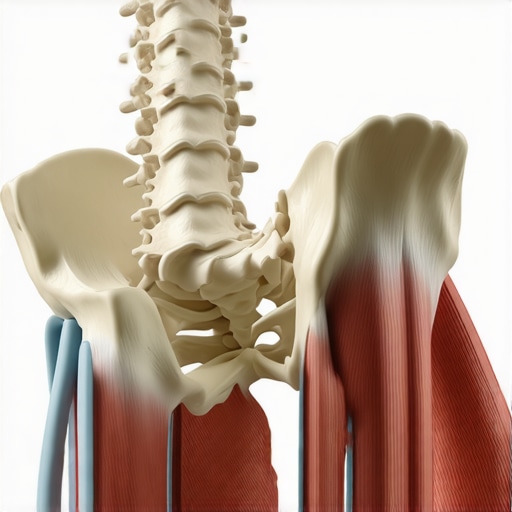
The 3-Minute Hip Drill That Stops Lower Back Aches Before Bed
Ever had that restless feeling—lying in bed, the clock ticking, and a dull, nagging ache in your lower back that just won’t quit? I remember nights when I’d toss and turn, overwhelmed by that familiar tightness and discomfort. It was as if my back was signaling, “Hey, I’m not done yet!” and no matter how many stretches or pills I tried, nothing seemed to stick. That frustration led me to a lightbulb moment about simple, effective movements I could do right before bed. What I discovered shattered my pain cycle and transformed my nights.
The Secret Weapon to Pain-Free Sleep
Imagine ending your day with just three minutes of gentle, targeted movement that softens your lower back pain, relaxes stiff hips, and sets the stage for a peaceful sleep. That’s exactly what I want to share with you today. This quick, easy drill isn’t a miracle cure, but it’s close—steady practice can make a noticeable difference. And trust me, I’ve been where you are, skeptical and tired of endless remedies. This method didn’t just help me—many of my clients and readers swear by it, too. We’re talking about a routine so simple that anyone can fit it into their nightly wind-down, yet powerful enough to bring relief.
Can a 3-Minute Routine Really Make a Difference?
Early on, I made a common mistake—trying to push through back pain with aggressive stretches that often worsened things. It wasn’t until I focused on gentle, strategic movements that I saw real improvements. My advice? Avoid rushing into complex routines or relying solely on external treatments. Instead, incorporate this quick drill into your evening routine, and see how your body responds. If you’re tired of waking up stiff or sore, this approach might just be what you need. For more insights on safe pain management, check out this resource.
Ready to discover how a few mindful movements can change your nights and days? Let’s get started with the step-by-step process that has helped countless others find relief.
Start with Gentle Pelvic Tilts
Lie on your back with knees bent and feet flat on the floor, hip-width apart. Engage your core as you gently tilt your pelvis upward, pressing your lower back into the floor. This movement resembles rolling a small ball underneath your lower back, mobilizing the lumbar spine. I vividly recall the first time I tried this—initially clumsy, with my back wobbling like a washing machine low on balance, but after a few reps, I felt a warm, unwinding sensation, like unwinding a tightly wound coil.
Key tip
Move slowly, breathe evenly, and don’t force the tilt—think of it as gently coaxing your spine to loosen up, not yanking it into submission.
Incorporate Cat-Cow Stretches for Spinal Flexibility
Position yourself on all fours, hands under shoulders, knees under hips. As you inhale, arch your back, lifting your tailbone and head upward—like a stretching cat—then exhale, rounding your back, tucking your chin toward your chest. This dynamic movement mimics a wave traveling along your spine, helping to decompress and mobilize each segment. I once felt a stubborn knot in my mid-back dissolve during this, turning discomfort into relief with just a few repetitions.
Tip to remember
Keep movements fluid, imagining your spine as a wave riding your breath—this keeps the stretch gentle yet effective, avoiding the trap of aggressive, potentially harmful pulls.
Try the Child’s Pose to Release Tension
Kneel down, sit back on your heels, then stretch your arms forward, forehead resting on the floor. Think of this as giving your back a gentle hug—expanding your lower back muscles and releasing built-up stress. I experienced immediate calmness when I adopted this pose nightly; it became my sanctuary after stressful days, much like a reset button for my spine.
Pro tip
Use a soft pillow under your knees if they feel strained; comfort encourages relaxation, making the stretch more effective.
Focus on Hip Mobility with Lunges
Step one foot forward into a deep lunge, ensuring your knee aligns over your ankle. Keep your back leg straight and gently tilt your pelvis forward to deepen the stretch in your hips. Tight hips can cause compensatory stress in your lower back—think of your hips as the foundation of a building; if they’re unstable, the entire structure wobbles. I remember struggling with this until I realized that improving hip flexibility directly reduced my lower back tension, similar to tightening loose screws in furniture for better stability.
Easy hack
Perform slow, controlled lunges, and hold for a few breaths to maximize looseness. Remember, patience pays off—don’t rush through; instead, focus on feeling each muscle relax.
Integrate Deep Breathing to Enhance Effectiveness
While doing these movements, synchronize your breath—inhale to prepare, exhale as you ease into each stretch. Deep breathing activates your parasympathetic nervous system, promoting relaxation. I found that combining intentional breathing with movement transformed my routine from mere exercises into a mindful ritual, like tuning an instrument to produce perfect harmony in my body.
Consistency is king. Practice these steps nightly, and over time, you’ll notice less stiffness and more freedom in your back, paving the way for peaceful, pain-free sleep.
Discover how chiropractic techniques can further enhance your mobility.Many individuals believe that increasing flexibility through aggressive stretching is the key to alleviating back and neck pain. However, this common myth can actually hinder progress. Pushing too hard into stretches without understanding your body’s limits may cause microtrauma, leading to increased soreness or even injury. Instead, it’s essential to focus on controlled, mindful movements that enhance joint health and muscle coordination — principles emphasized by experts like Dr. Stuart McGill, who advocates for stability and tissue resilience over aggressive stretching. Have you ever fallen into this trap? Let me know in the comments. Moreover, a prevalent mistake is overlooking the importance of spinal stability. People often chase after mobility, neglecting that too much mobility without strength can be equally problematic. This imbalance can lead to instability, increasing the risk of injury. Incorporate stabilization exercises and proper alignment strategies to create a balanced approach. Interestingly, many assume chiropractic adjustments are instant cures for pain. While chiropractic care can be highly effective, relying solely on adjustments without integrating strengthening and mobility exercises may yield temporary relief but not long-term resolution. This misconception can lead to frustration. For a nuanced understanding of how to combine these therapies effectively, explore insights in this comprehensive guide. An advanced consideration is the role of neuro-muscular re-education. Techniques that retrain your nervous system to activate correct muscle patterns are often overlooked but crucial. This approach addresses the root cause rather than just symptom management, offering sustainable relief. Implementing proprioceptive training can significantly improve spinal stability, reducing the likelihood of recurring pain episodes. Avoid the trap of thinking that pain is purely mechanical; neural input is equally vital, as highlighted in recent studies published in the Journal of Bodywork and Movement Therapies. Finally, be wary of quick-fix solutions advertised online. True mobility improvement and pain relief require consistent, progressive efforts tailored to your unique biomechanics. Remember, there is no one-size-fits-all answer. Integrating movement patterns that respect your body’s individuality combined with expert guidance can lead to lasting results. To deepen your understanding, check out this resource. Addressing these nuanced misconceptions not only accelerates your recovery but also empowers you to take control of your spinal health in a sustainable way.Achieving long-term relief from back and neck pain requires not only the right routines but also proper tools and consistent maintenance. Personally, I rely on specific equipment that enhances my mobility exercises and ensures I maintain progress over time. A high-quality foam roller, such as the TriggerPoint GRID foam roller, has become a staple in my routine. Its textured surface allows me to target tight muscles effectively, helping to break up adhesions and improve tissue health. I personally use it after workouts and whenever I feel knots forming, as it maintains my muscular flexibility and prevents chronic tension. Another tool I recommend is a cervical traction device. I utilize the Alpha Therapeutic cervical pillow during my evenings, which gently stretches my neck to alleviate compression and restore proper alignment. Regular use of this device has significantly reduced my episodes of neck stiffness and headaches related to spinal tension. For digital mobility, I swear by the ergonomic software application, PostureMinder. It notifies me to correct my posture throughout the day, preventing the long-term effects of poor ergonomics. I’ve found that integrating these reminders helps me sustain proper spinal positioning, especially during long work sessions. Looking ahead, the future of maintaining spinal health is heading toward smart technology integration. Devices that monitor muscle activity and provide real-time feedback will become more accessible, allowing for tailored adjustments on the fly. Staying proactive in your maintenance routine is vital. Regularly scheduled sessions with a chiropractor, along with using tools like foam rollers or cervical devices, can sustain improvements and prevent regress. If you’re serious about longevity, consider incorporating mobility drills that focus on stabilization alongside these tools to enhance your spine’s resilience. How do I maintain my back and neck health over time? I stick to a consistent routine involving targeted self-myofascial release, posture correction, and professional check-ins. It’s like tending a garden—you need to regularly water and nurture your plants to keep them flourishing. Additionally, consider exploring [chiropractic techniques](https://quackersspinal.com/chiropractic-secrets-to-regain-full-mobility-after-injury) that focus on restoring full mobility, which can complement the use of physical tools. The key is consistency—make these maintenance habits part of your daily or weekly schedule. As Dr. Stuart McGill emphasizes, muscle resilience and proper alignment are the foundation of lasting relief. One advanced tip I highly recommend trying is the scheduled use of a cervical traction device combined with targeted stretching. Research shows that consistent traction can keep cervical discs healthy and reduce the risk of future neck issues. Give it a try, and you’ll notice how small daily investments yield significant long-term benefits. Maintaining your spinal health is an ongoing journey—embrace these tools and habits, and your back and neck will thank you for years to come.
The Hardest Lesson I Learned About mobility,chiropractic,back pain,neck pain
Early in my journey, I believed that relentless stretching was the key to freedom from pain. However, I discovered that pushing too hard often backfired, leading to microtrauma and prolonging discomfort. The real breakthrough came when I embraced gentle, controlled movements combined with proper stabilization, highlighting that patience and mindfulness outperform aggressive routines every time. This epiphany reshaped my approach and deepened my understanding of sustainable spinal health.
3 Myths About mobility,chiropractic,back pain,neck pain That Held Me Back
One common misconception was that quick fixes and instant adjustments could solve chronic issues. In reality, true relief requires consistency, personalized strategies, and addressing root causes. Another myth was that increased flexibility alone ensures a healthy spine; without strength and stability, mobility improvements can be risky. Finally, I used to think that pain was purely mechanical—learning about the neural component changed my perspective, emphasizing the importance of neuro-muscular re-education for lasting results.
What Experts Won’t Tell You About mobility,chiropractic,back pain,neck pain
Many professionals emphasize stabilization over aggressive stretching, yet this balance is often overlooked by those seeking quick relief. The importance of integrating proprioceptive training and neural re-education is frequently underestimated, despite its proven benefits in creating resilient, pain-free movement. Personally, I found that combining these with regular professional guidance and mindful self-care transformed my understanding into effective, long-term habits.
My Essential Toolkit for mobility,chiropractic,back pain,neck pain
- Foam rollers, like the TriggerPoint GRID, are my go-to for releasing muscle adhesions and maintaining flexibility. I trust their durability and effectiveness from personal experience.
- Cervical traction devices, such as the Alpha Therapeutic pillow, provide gentle decompression that has helped prevent neck stiffness and headaches—I’ve seen consistent results with regular use.
- PostureMinder app, which reminds me to correct my posture daily. Its user-friendly design and proven track record keep me aligned and prevent poor habits.
- Professional support, from chiropractors who understand the importance of combining adjustments with mobility exercises, offers a comprehensive approach that I highly recommend.
Take Action and Reclaim Your Mobility
Remember, the journey to pain-free movement is ongoing, but with patience and the right mindset, you can achieve lasting relief. Start integrating mindful, gentle routines into your evenings, and seek professional guidance tailored to your needs. Your body is resilient—when treated with care and understanding, it will reward you with strength and flexibility. Don’t wait for pain to dictate your life—take action today and embrace the freedom of true mobility.
What’s one small change you’re willing to try tomorrow to improve your back or neck health? Share below—I’d love to hear your plans!
,