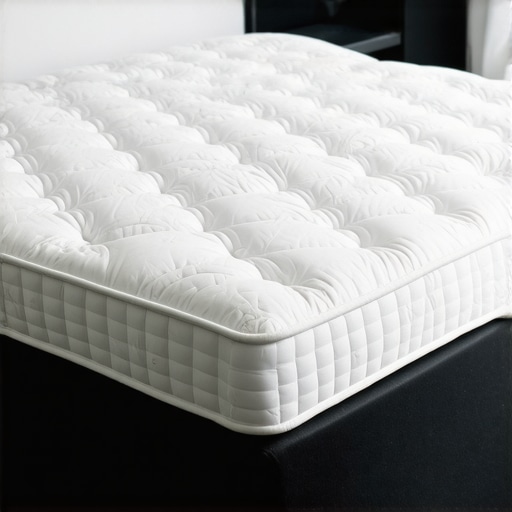
Why Your Firm Mattress Is Secretly Keeping Your Sciatica Flare-Ups Alive
I remember tossing and turning last week, frustration bubbling up as yet another sleepless night left my lower back throbbing and my sciatica flaring up fiercely. It felt like my bed was conspiring against me, keeping that stubborn pain alive instead of helping me heal. Maybe you’ve been there too—the dreaded wake-up and the persistent ache that refuses to subside, no matter how many stretches or painkillers you’ve tried. It’s a frustrating cycle, isn’t it? I realized that my firm mattress, which I thought was supposed to support my back, might actually be the secret culprit behind my ongoing flare-ups.
The Wake-Up Call: Why Our Sleeping Surfaces Matter More Than We Think
For years, I believed that a firm mattress was the safest choice—something that would provide necessary support and prevent my back from sagging. But early on, I made the mistake of dismissing how a mattress’s firmness might actually aggravate sciatica symptoms. Over time, I learned that the wrong support can cause misalignment, pressure points, and even impede recovery. Recent studies support this—research indicates that sleep positions and mattress types profoundly influence back health and pain management (source). This was my lightbulb moment: I was not getting better because my sleep environment was working against my body’s healing process.
Think about how many hours we spend lying on our mattresses—do you really want to wake up feeling worse than when you went to bed? If your mattress is too firm, it might be pushing against your natural curves, causing unnecessary tension in your lower back and hips. Conversely, a mattress that’s too soft can leave your spine unsupported, leading to misalignments that aggravate sciatica. Finding that sweet spot isn’t about soft versus hard; it’s about the right support that promotes proper alignment.
So, how do you know if your mattress is sabotaging your recovery? And what can you do about it? That’s exactly what I’m going to help you with. In the upcoming sections, I’ll share practical, effective strategies to evaluate and optimize your sleep setup—so you can finally break free from that nagging pain and wake up refreshed. Ready to start transforming your nights? First, let’s explore some common mistakes many of us make when choosing or evaluating our beds.
Evaluate Your Mattress Support System
Begin by examining your mattress’s firmness and how it aligns with your body’s curves. Lie down in your typical sleep position and observe if your spine feels supported and aligned. If you notice sagging, pressure points, or misalignment, it’s time to consider an upgrade. Remember, support isn’t about the firmness level labeled on the mattress but about how well it maintains your natural spinal curve during rest.
Assess Mattress Firmness
Place a firmness testing tool or your hand to gauge if your mattress provides consistent support across its surface. If your back tends to arch unnaturally or you experience sinking, your mattress may be too soft or uneven. Switch to a medium-firm mattress with pressure-relieving top layers or add a supportive topper to enhance comfort. This adjustment can significantly reduce undue pressure on your lower back and sciatica nerves.
Adjust Sleep Positions for Better Alignment
Your sleeping posture impacts spinal health profoundly. For sciatic relief, avoid sleeping on your stomach, which often causes unnatural arching of the spine. Instead, opt for sleeping on your side with a pillow between your knees or on your back with a pillow under your knees. This helps maintain the natural lumbar curve and reduces nerve compression. Think of your spine as a flexible tube; supporting its curves prevents kinks and tangles that lead to pain.
Micro-Story: My Shift to Side Sleeping
Once I adjusted from stomach to side sleeping, with a pillow between my knees, I immediately noticed less pressure in my lower back and diminished sciatic flare-ups. Initially, I was restless, but persistence paid off. This simple change rounded out my support strategy and made nights more restful.
Incorporate Supportive Accessories
Use ergonomic pillows designed to support the neck and spine’s natural alignment. If you experience tension in your neck and shoulders, it may be linked to your sleep setup. For extra lumbar support, consider placing a rolled towel or a specialized cushion beneath the small of your back, especially if your mattress is slightly softer or uneven. These small modifications act like the shock absorbers in a vehicle, smoothing out bumps in your support system.
Test and Adjust
Spend a few nights experimenting with different pillow heights and support placements. Keep a sleep journal to note how your back and sciatica respond. Change one element at a time to identify what works best for your unique body. Adaptability is key—what relieved pain last month might need re-calibration as your condition evolves.
Optimize Your Sleep Environment
Control ambient factors like room temperature, lighting, and noise. A cooler room (around 65°F or 18°C) aids in restorative sleep, while darkness and silence promote deeper rest. Use blackout curtains and white noise machines if needed. Restorative sleep allows your body’s natural healing processes to operate efficiently, essential for recovery from back flare-ups. Think of your sleep environment as an active participant in your healing plan.
Create a Routine for Consistency
Maintain a regular sleep schedule, going to bed and waking up at the same time daily. Consistency helps regulate your circadian rhythm, leading to better sleep quality and faster recovery. Combine this with gentle evening routines—stretching, calming breaths, or a warm bath—to prepare your mind and body for restful sleep, minimizing nighttime pain disruptions.
Many individuals assume that back pain, neck discomfort, and mobility issues stem solely from muscle strain or structural misalignments, but the truth runs deeper than common narratives. A widespread misconception is that pain relief can be achieved by targeting symptoms directly—like popping a pill or undergoing quick chiropractic adjustments—without addressing underlying biomechanical nuances. The reality is that chronic pain often persists because we overlook subtle yet critical factors that influence spinal health and nervous system function.
For example, the myth that all chiropractors focus only on cracking bones and quick fixes is misleading. In my experience, what truly makes a difference is a nuanced approach that considers the body’s complex movement patterns, nervous system regulation, and even subconscious habits. Properly addressing these nuances can prevent the recurring cycle of pain and restore lasting mobility. Studies highlight that individualized, precision-based chiropractic strategies are significantly more effective for long-term recovery (source), emphasizing that one-size-fits-all solutions often fall short.
Why Do We Keep Falling for the Same Myths?
A common trap is believing pain equals structural damage, leading many to seek invasive interventions prematurely. This misconception can cause patients to ignore the vital role of nervous system health, posture, and even emotional factors that influence muscle tightness and joint restrictions. Ignoring these aspects may result in temporary relief but not sustainable recovery, which explains why pain often returns once the initial treatment ends. Recognizing the importance of addressing neuro-musculoskeletal integration is crucial. For more on this, explore expert-backed methods for relief.
Another advanced nuance is understanding how subconscious movement habits ingrained over years can sabotage efforts to improve mobility. For instance, habits like slouching at work or improper sleeping positions can cause subtle but persistent misalignments that traditional adjustments alone may not resolve. This is where functional movement assessments and neuromuscular retraining come into play, helping to reprogram these ingrained patterns and prevent pain recurrence.
It’s also worth noting that superficial stretching, often recommended as a quick fix, can sometimes do more harm than good if done without understanding the specific muscle imbalances or joint restrictions involved. Expert advice suggests that targeted, evidence-based interventions tailored to your unique biomechanics outperform generic stretching routines. This aligns with findings from wellness professionals who advocate for a comprehensive approach combining soft tissue work, mobility exercises, and neuro-muscular re-education (see chiropractic techniques for mobility).
Stay vigilant about these subtle aspects, and you’ll be better equipped to avoid the common pitfalls many fall into when tackling chronic pain. Remember, real progress demands a nuanced understanding of the complex human spine and nervous system. Have you ever fallen into this trap? Let me know in the comments!
Maintaining the progress you’ve made in alleviating back and neck pain requires the right tools and consistent routines. Personally, I rely heavily on specific ergonomic accessories and software to stay aligned and monitor my mobility. One device I swear by is the Therawand, a handheld myofascial release tool that helps me target trigger points without the need for a therapist. It’s compact, easy to use at home, and allows for precise pressure on stubborn knots that often cause lingering discomfort. Regular self-myofascial release with the Therawand keeps my muscles relaxed and prevents chronic tightness, especially in the upper back and neck areas.
On the software side, I use a dedicated mobility tracking app that prompts me through daily movement routines designed to reinforce proper posture and spinal alignment. These routines incorporate gentle stretches, neuromuscular activation exercises, and posture reminders. Tracking progress helps me stay accountable, and integrating these tools into my daily routine has contributed to sustained improvements over time.
Looking ahead, I believe the future of back and neck pain management is headed towards personalized biomechanical diagnostics. Advances in AI and wearable tech will enable real-time assessment of our movement patterns, alerting us to developing issues before pain manifests. Companies are already experimenting with smart garments embedded with sensors that monitor muscular imbalances and postural deviations, providing instant feedback and tailored recommendations. This trend promises a proactive approach—shifting from reactive treatments to maintenance and prevention.
How do I keep my back and neck healthy long-term?
The key is integrating these tools into a sustainable routine. Incorporate daily self-care practices like foam rolling, targeted stretches, and posture checks. Use technology to stay aware of your habits and make adjustments proactively. For example, setting reminders to correct your sitting posture during work hours or using short neuro-movement drills can significantly reduce strain. Remember, consistency is everything. As I tell my clients, adopting a habitual routine that supports spinal health is the most effective way to prevent setbacks and ensure lasting relief.
If you’re ready to deepen your approach, I highly recommend trying some of the advanced mobility drills I incorporate daily. One example is the 3-minute spinal reset, which I regularly use to realign my pelvis after long periods of sitting. You can find detailed steps for this and other effective techniques in this comprehensive guide. Experimenting with these targeted methods has made a noticeable difference in my mobility and pain levels.
Remember, maintaining your back and neck health isn’t about quick fixes but rather incorporating reliable tools and routines that support your body’s natural healing and strength. Do you already use any of these tools, or are there others that have helped you stay pain-free? Share in the comments or visit our contact page to ask for personalized recommendations. The more proactive you are, the better your chances of keeping pain at bay for good!”} }‹|end|›}#{
What I Wish I Knew About My Bed and Back Recovery
One of the most profound lessons I learned was that simple solutions like choosing the right mattress are only part of the story. The true secret was understanding how support and alignment work together, and that often, small tweaks in sleep posture or accessories can lead to significant improvements. I realized that persistent pain isn’t just about the physical structure but also how our subconscious habits and daily routines reinforce or undermine healing. This insight transformed my approach from reactive to proactive, emphasizing ongoing awareness and small adjustments that compound over time.
Tools and Insights That Changed My Movement Game
Over the years, I cultivated a toolkit that supports my back and neck health. I trust the chiropractic techniques for mobility I incorporate regularly, which target specific joint restrictions. Additionally, the step-by-step guide for neck pain management helped me understand how targeted exercises can reprogram ingrained habits. Lastly, staying educated through reputable sources like the wellness insights from experts keeps me motivated and informed about emerging strategies to optimize spine health.
Keep Moving Forward with Confidence
The journey to lasting relief is ongoing, and I encourage you to view your back health as a dynamic process. Incorporate the tools and routines that resonate with you, stay curious, and remember that every small effort counts. Whether it’s experimenting with different sleep positions, using supportive accessories, or adopting new movement habits, you’re building resilience against setbacks. Your commitment today lays the foundation for a future free from the pain cycle. Are you ready to take that next step towards freedom from back and neck discomfort? Share your experiences or questions below—your story might inspire someone else to start their own healing journey.