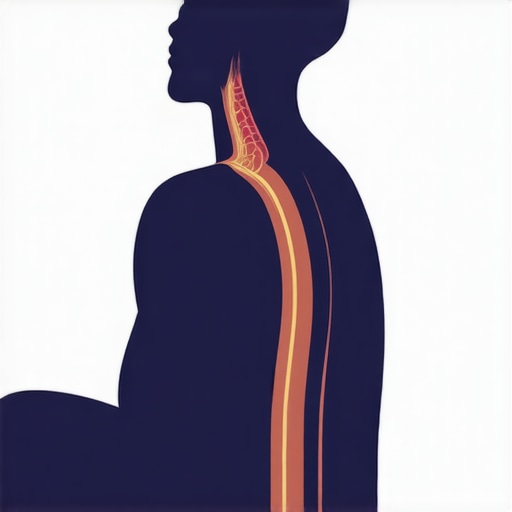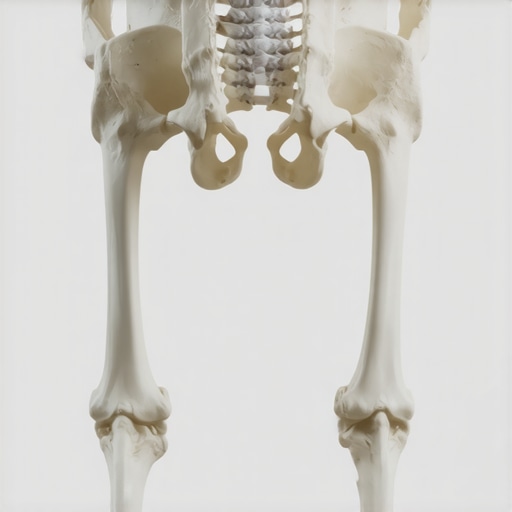
Why Walking in Flats Might Be Worsening Your Spinal Alignment
I remember the undeniable sting of waking up after a long day—neck tense, shoulders sore, and that familiar tightness creeping in right between my shoulder blades. I blamed my desk setup, my sleeping position, even the climate. But what truly shifted my perspective was the lightbulb moment that my footwear might be secretly sabotaging my efforts.
How My Favorite Flats Became My Back’s Worst Enemy
It all started when I noticed that as I ditched my heels for flats, my back pain didn’t get better—in fact, it seemed to worsen. I was under the impression that flats are the safer choice, kinder to joints and easier on your spine. Turns out, this isn’t always the case. The problem lies in the subtle misalignments caused by footwear that’s too flat or unstructured, disrupting our natural gait and putting undue stress on our spinal posture.
Early in my journey, I made the mistake of dismissing my footwear as harmless. I thought, “Hey, at least I’m giving my feet some breathing room.” But as I dug deeper, I found research indicating that certain flat shoes lacking proper arch support can indeed contribute to lower back discomfort (source: https://quackersspinal.com/back-pain-recovery-how-chiropractic-care-transforms-lives). And honestly, that realization was a game changer.
So, why does this happen? Our feet are the foundation of our entire body. When they aren’t properly supported, it throws off our alignment from the ground up. Over time, this misalignment ripples upward, affecting our hips, spine, and even our neck. Walking in shoes that don’t promote healthy posture can silently be pulling us out of sync, causing pain, stiffness, and long-term problems.
Now, I’ve committed to understanding how to correct these issues, and I want to share what I’ve learned so you don’t have to go through the same trial and error. Today, we’re going to dissect the reasons behind this common mistake and explore practical solutions to keep your spine happy and pain-free.
Could Your Shoes Be Secretly Sabotaging Your Spine?
Have you ever finished a long day and wondered if your feet might be the culprit? Many don’t realize that the shoes we wear daily—even those seemingly harmless flats—can subtly misalign our entire body. This misalignment often sneaks up, manifesting as back stiffness or pain that feels unrelated to footwear. If you’ve been battling discomfort despite regular stretching or chiropractic visits, your shoes might be playing a bigger role than you think.
Understanding how footwear influences spinal health is key to addressing chronic pain. Later in this post, I’ll guide you through simple steps to evaluate your shoes and make smarter choices that support your body’s natural alignment. Because sometimes, the answer to long-term relief is just a matter of changing what’s beneath your feet.
Ready to explore how to walk your way to a healthier spine? Let’s dive into some actionable tips and expert advice to help you take control of your back pain today.
Evaluate Your Footwear Regularly
Start by examining your shoes every few months. Look for signs of wear, especially in the arch support and sole. Shoes with worn-out support can misalign your posture over time. A quick trick is to stand on a mirror and observe how your feet sit. If they tilt inward or outward consistently, your footwear isn’t supporting your natural stance properly. I experienced this firsthand when I noticed my flats causing my knees to turn inward, signaling inadequate support. Replacing or supplementing shoes with ones that provide stable arch support can make a significant difference.
Incorporate Targeted Exercises for Foot and Hip Stability
Strengthening exercises help your feet and hips maintain proper alignment. Simple routines like toe curls, heel raises, and hip bridges boost stability. For example, I dedicated five minutes daily to hip bridges, which significantly improved my pelvic alignment. When executed correctly, these exercises act like scientific scaffolding, reinforcing the foundation of your posture. Improving stability reduces strain on your lower back, alleviating pain caused by misaligned gait and posture.
Practice Micro-Movements for Posture Awareness
Micro-movements involve small adjustments throughout the day. Regularly checking in with your body helps prevent misalignments. One effective method is the 10-second shoulder blade squeeze: sit upright, gently pull your shoulder blades together, hold, then release. I used this during long work sessions, which helped keep my shoulders relaxed and reduced tension. Think of these micro-movements as tune-ups—small tweaks that keep your entire spinal chain in harmony and prevent pain from creeping in.
Adjust Your Workspace for Optimal Alignment
Your workspace plays a crucial role. Sit with your feet flat on the floor, knees at a 90-degree angle. Use ergonomic chairs that support the natural curve of your spine. I personally added lumbar support to my chair, which immediately reduced my lower back strain. Remember, sitting for extended periods without proper support is like building a house on unstable ground—it eventually leads to cracks in your structure. Regularly changing positions and taking short standing breaks restore alignment.
Seek Professional Guidance When Necessary
Sometimes, smart adjustments aren’t enough. Consulting a chiropractor or a mobility expert can identify imbalances you might miss. They can recommend specific techniques—like the best stretches or manual adjustments—that directly target your pain points. I found that a single session focusing on my pelvis realignment remedied persistent discomfort. Think of professionals as the mechanics who fine-tune the intricate parts of your body’s machine, ensuring everything runs smoothly and pain-free. Learn more about effective techniques at this resource.
Maintain Consistency to Sustain Results
Implement these steps consistently. Keep a journal of your footwear, exercises, and posture habits. Over time, you’ll notice improvement—less stiffness, reduced pain, greater mobility. Once I committed to daily micro-movements and support checks, my back pain diminished dramatically. This continuous process acts like a preventive insurance policy, ensuring your spine remains healthy and resilient against daily stressors.
 Many people believe that the primary cause of persistent back and neck pain is simply muscle strain or poor posture, but the reality is often more nuanced. A prevalent myth is that stretching alone can solve ongoing discomfort; however, research indicates that, without addressing underlying joint mobility and nervous system function, stretching can sometimes exacerbate issues. For instance, aggressive or poorly targeted stretching may increase tension in surrounding tissues, leading to more pain instead of relief. Advanced practitioners recognize that a comprehensive approach—including chiropractic adjustments, mobility drills, and neural releases—is essential for lasting results. This is why understanding the difference between temporary relief and long-term correction is crucial. Relying solely on passive remedies neglects the dynamic nature of spinal health, which integrates soft tissue, joint function, and neurological feedback loops. To dig deeper into effective strategies, consider exploring techniques detailed at this resource. Remember, pushing beyond common fixes without expert guidance can lead to setbacks. The key lies in mastering the subtle nuances of movement and nervous system regulation—an area many overlook. Have you ever fallen into this trap? Let me know in the comments.
Maintaining mobility and managing back and neck pain is an ongoing journey that benefits immensely from the right equipment, routines, and mindset shifts. Over years of personal experience and professional research, I’ve identified specific tools that not only support immediate relief but also promote sustained long-term results. Investing in these can transform your approach, making mobility and pain management a seamless part of daily life.
Invest in a Quality Foam Roller and Massage Tools
One of my most trusted tools is a high-density foam roller. It’s indispensable for releasing myofascial tightness and maintaining soft tissue flexibility. I prefer the robust foam roller with textured surface because it allows me to target specific muscle knots without excessive pressure. Additionally, handheld massage balls and trigger point tools help me address stubborn tension in the neck and shoulders, often reducing the need for frequent chiropractic adjustments. Regular self-myofascial release ensures my tissues stay pliable and resilient, which is vital given that muscle stiffness often contributes to nerve impingements and pain cycles.
Utilize Ultra-Comfortable Ergonomic Equipment
An ergonomic workstation setup is fundamental for consistent spinal health. I personally rely on an adjustable standing desk with a balance between sitting and standing. The desk’s stability and customizable height enable me to maintain posture alignment with minimal strain. Complement this with an ergonomic chair that supports lumbar curvature, reducing stress on the lower back during prolonged periods. I’ve also incorporated supportive accessories like foot cushions and monitor stands, which keep my body in a neutral position and prevent the misalignments that often cause chronic pain.
Smart Tech and Apps Keep You On Track
Technology plays an increasingly pivotal role. I use posture reminder apps that prompt me to change position every 20 minutes, preventing stiffness buildup. Wearable posture sensors, like smart bands, give real-time feedback on spinal alignment, gently alerting me if I start to slouch. These tools are especially useful when working in immersive digital environments—like virtual meetings or gaming—where awareness slips. Connecting with professional resources, such as those detailed at chiropractic care and reputable online programs, emphasizes consistent routine and fosters long-term improvements.
Don’t Overlook the Power of Mobility Devices
Mobility devices like inversion tables, spinal decompression chairs, or specialized slant boards are game-changers. While I recommend consulting with a professional before investing, these tools help decompress discs and restore joint space, which is crucial for sustained relief. For example, a quick session on an inversion table, used correctly and moderately, can alleviate nerve compression and promote circulation. In the future, I predict a rise in smart, AI-integrated mobility solutions, providing personalized adjustments to optimize spinal health dynamically.
How do I maintain these tools and routines over time?
The key is consistency. Establishing a daily regimen—integrating foam rolling, posture checks, and mobility exercises—ensures lasting results. I schedule specific times in my day dedicated to these activities, transforming them from chores into self-care rituals. Additionally, revisiting your tools regularly and replacing worn-out equipment keeps the support effective. It’s also vital to stay informed through credible sources and adjust your routines as your body evolves. For instance, I recently upgraded my ergonomic equipment based on insights from professional tips that emphasized the importance of dynamic support systems. Remember, long-term results are rooted in proactive maintenance and continuous education—making your tools work for you every day.
Try incorporating a foam roller into your daily warm-up or cool-down routine. It’s a simple yet powerful step towards sustained mobility and relief from chronic pain. Small, consistent efforts compound over time, turning pain management into an empowering part of your lifestyle.
Over my years of exploring mobility and chiropractic strategies, I encountered a surprising obstacle that many overlook: the subtle sabotage of footwear choices. My lightbulb moment came when I realized that comfort isn’t always synonymous with support or alignment, especially in shoes I used daily. Recognizing this shifted my entire approach to pain management and long-term health.
Secrets Shoes Don’t Tell You About Spinal Health
One of the most profound lessons I learned was that flat shoes lacking proper arch support can silently misalign your body, leading to persistent back and neck pain despite other efforts. This understanding made me rethink everyday routines and prioritize supportive footwear—a small change with a giant impact on my spine’s wellbeing.
Another insight was the importance of consistency. Incorporating targeted foot and hip exercises, along with regular posture micro-movements, created a resilient foundation that kept misalignments at bay. Sometimes, the simplest habits, like a quick shoulder blade squeeze during work, can prevent discomfort from taking hold.
Lastly, I discovered that professional guidance isn’t just for emergencies. Regular consultations with chiropractors or mobility experts can identify deep-seated issues and tailor effective solutions. They are the mechanics of our body’s complex machine, fine-tuning our alignment for sustained health.
Behind the Curtain: What I Wish I Knew Sooner
- The role of footwear was underestimated: Choosing shoes isn’t just about style—support and structure are vital for long-term spinal health.
- Micro-movements matter more than I thought: Small adjustments throughout the day can save you from future pain and stiffness.
- Professional intervention complements personal routines: Self-care is essential, but expert insights amplify your progress and prevent setbacks.
- Long-term success requires proactive maintenance: Building routines around mobility tools and ergonomics creates sustainable relief.
My Trusted Arsenal for Pain-Free Living
I’ve come to rely on specific tools that support my mobility journey. A high-quality foam roller, like the robust textured foam roller, helps release fascia and keeps tissues pliable. Ergonomic equipment such as adjustable standing desks and lumbar-support chairs, which I found at these resources, ensure proper alignment during work hours. Tech gadgets like posture reminder apps and smart sensors keep me mindful of my stance, preventing bad habits from creeping in. For deep tissue relief, handheld massage tools from trusted sources are lifesavers after long days.
Your Next Step Toward Better Alignment
Every journey to mobility and pain relief is personal and continuous. Remember, small but consistent changes—like checking your footwear, integrating quick exercises, and seeking professional support—can lead to dramatic improvements. Embrace this proactive mindset, and your back and neck will thank you for it. Are you ready to evaluate your shoes or adopt a new micro-movement routine today? Share your thoughts below—I love hearing about your progress!