The Real Reason Your Neck Pops When You Turn Your Head
It happened again today. I was turning my head to glance at something across the room, and suddenly, that unmistakable pop echoed through my neck. It’s almost as if my spine was gasping for a breath of relief every single time. I used to think that popping was just a quirky quirk—something harmless, maybe even satisfying. But over time, I realized it was a warning sign that my body wasn’t moving as smoothly as it should be. Do you ever experience that quick, cracking sound when you turn your neck, accompanied by a flicker of discomfort or just plain curiosity? If so, you’re not alone, and the good news is that there’s a real reason behind those pops—and solutions that don’t involve popping pills or suffering in silence.
Let’s Dive Into What Your Neck Is Trying to Tell You
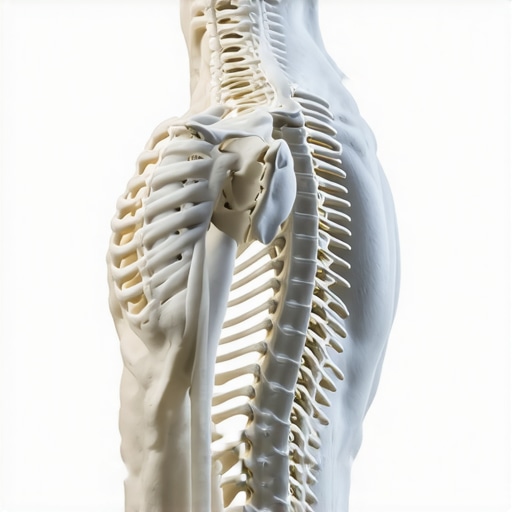
Understanding why your neck pops when you turn your head is the first step toward taking control of your mobility and comfort. Often, those sounds are linked to tiny gas bubbles forming and collapsing in the synovial fluid of your joint capsules—think of it as the bubble-making process of a very stubborn soda bottle. But if pops turn into pain or sensation of stiffness, it’s time to dig deeper. Many times, this cracking arises from joint stiffness, muscular imbalances, or misalignments in the cervical spine. Early mistakes like neglecting proper posture, using the wrong pillow, or ignoring minor aches can compound into more persistent issues. I was guilty of ignoring these signs early on, which only worsened my neck’s resilience. I learned that addressing the root causes—like improving mobility and correcting misalignments—can make a world of difference. Curious to know the exact reasons behind your neck cracking? Dive into my top strategies here: https://quackersspinal.com/relieve-neck-back-discomfort-using-these-expert-methods—because understanding the
Start With Gentle Mobilization Exercises
My first breakthrough came when I incorporated gentle neck movements into my daily routine. I remember doing slow, controlled rotations and tilts—much like turning a faucet handle gradually—thinking, ‘This can’t hurt.’ Initially, I felt a slight stretch, but over a week, my neck felt freer and less prone to popping. To do this effectively, sit upright, keep your shoulders relaxed, and slowly turn your head side to side, then tilt forward and backward. Repeat for 10 repetitions each way. These micro-movements help lubricate your joints, reducing gas bubble formation that causes cracking sounds. For a comprehensive plan, explore chiropractic strategies to enhance your mobility naturally.
Target Muscular Imbalances
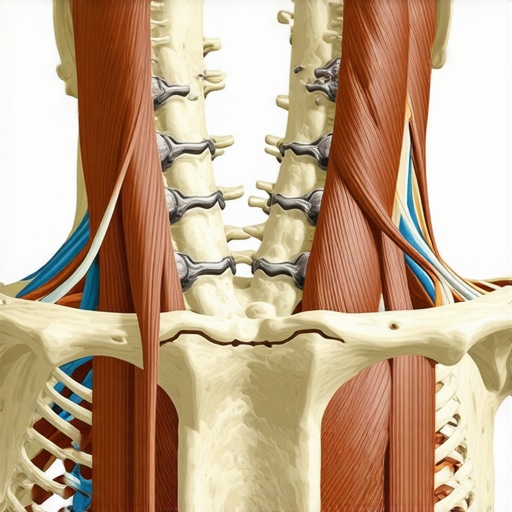
Next, I identified which muscles were tight or weak. I discovered that my sternocleidomastoid and upper trapezius muscles were pulling my neck into misalignment. To correct this, I started specific stretching routines focusing on these areas, which I found in drills for neck stiffness. For instance, gently side-bending your neck away from tight muscles can loosen tension. During one session, I used a simple towel stretch, holding for 20 seconds on each side. This alleviated muscle imbalances that often cause joint misalignments leading to popping. Remember, balanced muscles support joints better, decreasing the likelihood of cracking sounds and discomfort.
Synchronize Your Posture
Then, I paid close attention to my posture during daily activities. Think of your neck as the steering wheel of a car—if misaligned, every turn causes strain. I adjusted my workspace using chiropractic care tips, ensuring screens were at eye level and my chair supported my lumbar curve. I also took micro-breaks every 30 minutes, standing up and stretching. This prevented gradual accumulation of stress and helped my joints stay in proper alignment. Consistently maintaining good posture creates a dynamic support system for your neck, reducing joint stress and limiting the need for cracks as your body’s way of self-adjusting.
Practice Proper Breathing and Relaxation
Stress tends to tighten neck muscles, which can contribute to joint stiffness. While practicing diaphragmatic breathing, I focused on deep inhales through my nose, filling my lungs fully—much like inflating a balloon slowly—and exhaling completely. This calming technique not only relaxed my muscles but also improved blood flow, aiding joint health. During one particularly tense day, I noticed my neck cracking more frequently; after just five minutes of deep breathing, the pops subsided. Incorporate regular relaxation techniques to keep your muscles loose and joints happy. This step complements physical mobility work and fosters overall well-being.
Implement Targeted Strengthening
Finally, strengthening key neck stabilizer muscles prevented future misalignments. I began with simple isometric movements—pressing the forehead into my palms, then the sides of my head, holding each for 10 seconds without moving the neck—like pushing against an immovable wall. Doing this daily built resilience in my cervical muscles, similar to reinforcing a fence to withstand strong winds. Consistent strengthening ensures your neck can support everyday movements without strain, reducing the tendency for joint popping or pain. To deepen your regimen, explore expert-backed solutions designed for long-term stability.
Many people believe that feeling occasional neck pops or back discomfort is simply part of aging or a minor inconvenience that will resolve itself. While it’s true that some individuals experience benign joint sounds, the misconception lies in how superficial this understanding is. A widespread myth is that chiropractors only realign your spine with quick adjustments, and that’s all there is to it. In reality, effective chiropractic care involves a nuanced approach that considers muscular imbalances, joint mobility, and postural habits. Neglecting these factors often leads to repeated reliance on temporary fixes instead of addressing the root causes, which can cause more advanced problems over time.
Can push-and-pop adjustments truly resolve chronic issues or do they mask underlying problems?
Research by Dr. Stuart McGill emphasizes that joint stability depends heavily on muscular support and neuro-muscular coordination, not just joint alignment alone. Simply cracking your neck or back may provide short-term relief, but if underlying muscular weaknesses or poor movement patterns aren’t corrected, those issues will persist or worsen. The trap here is to think that more frequent adjustments compensate for poor movement habits, which is misleading and can even lead to increased joint laxity if performed improperly. Therefore, integrating targeted strengthening, mobility exercises, and posture correction is crucial, as detailed in these expert methods. Moreover, many overlook the importance of educating the patient on daily habits that silently contribute to pain. For example, prolonged screen time with poor ergonomics habitually contributes to cervical misalignment and stiffness. Addressing this with proper ergonomic setups, as discussed in chiropractic strategies, can make a significant difference. Avoid falling into the trap of viewing chiropractic care as a quick fix. Instead, recognize it as part of a comprehensive plan that empowers you to regain and maintain mobility. By understanding these nuanced elements, you can make more informed decisions about your posture, exercises, and when to seek professional help. Want to know more about avoiding common pitfalls? Check out mastering back and neck pain relief tips to stay ahead in your health journey. Remember, awareness of these hidden nuances is the first step towards long-term comfort and mobility. Have you ever fallen into this trap? Let me know in the comments.Maintaining mobility and preventing pain long-term requires the right tools and consistent practices. Personally, I rely on a combination of ergonomic equipment and targeted exercises to keep my spine functioning optimally. One essential tool is a quality foam roller, specifically designed with a firm, dense surface. I use it daily to release muscular tension in my upper back and neck, which significantly reduces stiffness and the likelihood of popping sounds. The key is to roll slowly and gently over areas prone to tension, focusing on mytraps and rhomboids. Complementing this, I employ a cervical traction device a few times a week to gently stretch my neck, promoting joint hydration and reducing compression. These devices, like cervical pillows or traction units, help restore natural curvature and encourage better rotational mobility. For software, I utilize posture-tracking apps that remind me to sit properly and maintain alignment during work hours. These tools provide real-time feedback, helping me cultivate good habits and avoid developing misalignments that cause joint popping and discomfort.
Looking ahead, I predict that wearable technology equipped with advanced sensors, such as smart posture braces, will become more sophisticated. They’ll proactively alert you to poor ergonomics and muscle imbalances before pain manifests, transforming long-term care from reactive to preventative.
When it comes to sustaining your mobility over time, consistency is crucial. Establish a daily routine that incorporates these tools: use the foam roller in the morning to prepare your muscles, wear posture reminders during the day, and perform gentle neck stretches in the evening. Regularly consulting with a chiropractor, such as through online programs or periodic visits, ensures personalized adjustments and guidance. Incorporating targeted exercises like the ones detailed in these expert tips can further solidify your progress.
Have you tried advanced mobility tools like cervical traction or posture apps? Start by integrating one of these techniques today—perhaps the foam rolling routine I swear by—and observe how your neck and back respond over the coming weeks. Remember, the right tools combined with mindful habits are your best defense against chronic stiffness and unexpected pops. For a detailed guide on how to get started, explore these expert methods designed for durable results.Throughout my journey, I learned that real progress often comes from the less obvious lessons—those aha moments that reshape our entire approach to health. One of the most pivotal was realizing that restoring mobility isn’t just about quick fixes but about establishing sustainable habits that support your body’s natural resilience. I discovered that patience with gentle exercises, combined with a deep understanding of my body’s signals, paved the way for genuine healing. Also, embracing a proactive mindset—educating myself about proper ergonomics and muscle balance—made every effort feel purposeful, rather than futile. These insights transformed my perspective, empowering me to take control and make informed choices in my mobility journey.