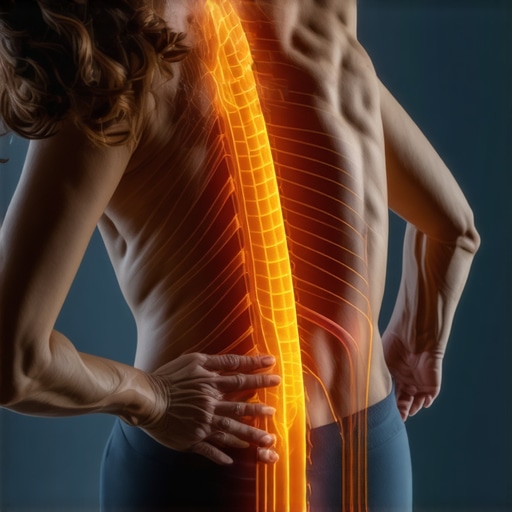
The 30-second glute squeeze that stops lower back pressure
I remember the exact moment I realized I’d been doing it all wrong during my own back pain battle. Sitting at my desk, feeling that familiar creeping ache in my lower back, I tried every trick in the book—stretching, adjusting my chair, even quick walks—yet nothing offered lasting relief. Then, a lightbulb flickered: what if a simple, 30-second squeeze of my glutes could dramatically change things? That tiny move, so easy and underwhelming, turned out to be my game-changer.
Why This Small Trick Could Be the Key to Lasting Back Relief
Most of us don’t give our glutes much thought when it comes to back health. We focus on stretches, core exercises, or even medication—but often overlook the power of a quick glute squeeze. I’ve learned from personal experience that strengthening and activating these muscles can instantly relieve pressure on your lower back, helping you stand taller and move with ease.
This isn’t just some quirky tip; scientific studies back it up. For instance, engaging your glutes properly can improve spinal stability—an essential factor in reducing back pain, especially for those who spend hours sitting or standing. The beauty of this technique? It takes just half a minute, can be done anytime, and doesn’t require special equipment.
If you’ve ever experienced that dull, persistent ache after a long day or noticed your back feeling worse after sitting, you’re not alone. Many folks, **including myself early on**, mistake poor posture or weak core muscles as the root cause when often, the real issue is a lack of glute engagement. My early mistake was dismissing these muscles as unimportant, which only prolonged my discomfort. For a deeper dive into how chiropractic care can support such mobility improvements, check out [this insightful article](https://quackersspinal.com/back-pain-recovery-how-chiropractic-care-transforms-lives).
Next, I’ll share the simplest way to activate your glutes in just 30 seconds, helping you reclaim movement and banish that nagging lower back pressure once and for all. Are you ready to discover how a tiny squeeze can make a huge difference? Let’s get started.
How to Activate Your Glutes Effectively
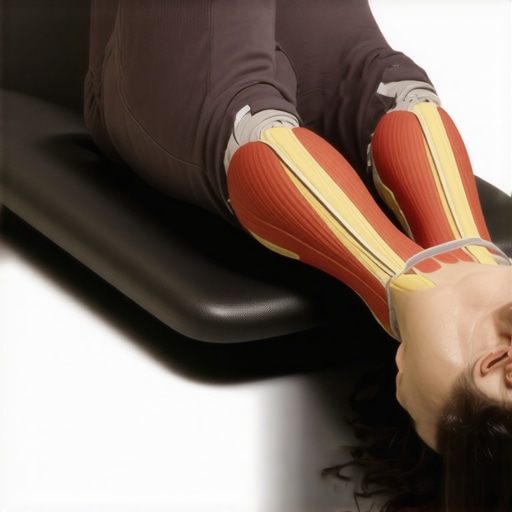
Start by identifying your butt muscles—the same ones you use when climbing stairs or standing up from a seat. To engage them, lie on your back with knees bent, feet flat on the floor, and tighten your butt muscles as if trying to hold in a pebble between your cheeks. Hold for 3 seconds, then relax. Repeat this 10 times. I once tried this during a lunch break, and honestly, my lower back felt a noticeable difference after just a few sets.Consistency is key; incorporate this squeeze into your daily routine to build muscle memory and maintain spinal stability.
Integrate the Technique into Daily Activities
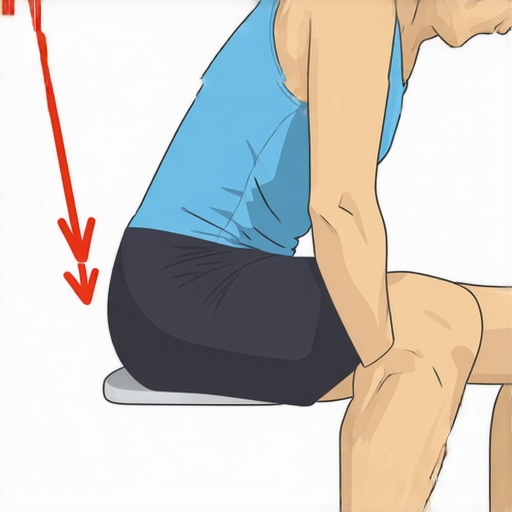
Once familiar with the basic squeeze, apply it while standing or sitting. For example, during a long work session, set a timer to remind you every 30 minutes. When the alert goes off, perform a quick glute contraction, holding for 5 seconds. Think of it like tightening a band around your hips; this stabilizes the pelvis and reduces pressure on your lumbar spine. This habit helps prevent slouching and weak glute activation that often contribute to chronic back issues.
Use Micro-Adjustments for Better Engagement
Sometimes, simply thinking about squeezing your glutes isn’t enough; you need to target deeper muscles. Lie on your stomach, place your hands on your lower back, and gently press your pelvis downward while squeezing your glutes. Feel the contraction and release. Doing this in short bursts trains your brain to activate these muscles consciously, creating a more profound effect over time. Remember, initially, your muscles might feel weak or unresponsive, but persistence will strengthen the connection.
Complement with Proper Breathing and Posture
Efficient breathing enhances muscle activation. Inhale deeply through your nose, expanding your diaphragm, then perform the glute squeeze on the exhale. This synchronized effort maximizes engagement and stabilizes your core. As a personal tip, I found that maintaining a tall, upright posture during the squeeze prevents compensation from other muscle groups, ensuring the movement targets the right area. For deeper insights into maintaining spinal health through chiropractic techniques, check out this resource.
 Many people believe that stretching or strengthening exercises alone can effectively resolve persistent back or neck pain, but the reality is far more nuanced. One common misconception is that pain is always due to a lack of flexibility, leading many to aggressively stretch or perform generic mobility drills, which can sometimes exacerbate the problem. Instead, understanding the specific nuances of your body, such as muscle activation patterns and spinal stability, is crucial for effective recovery. For instance, improper activation of deep stabilizer muscles, like the transverse abdominis or multifidus, can create a cycle of instability and pain, a trap that many fall into without realizing. A study published in the Journal of Orthopaedic & Sports Physical Therapy highlights that targeted neuromuscular exercises focusing on these deep muscles improve long-term outcomes better than generic stretches.Maintaining mobility and managing pain over the long haul requires more than temporary fixes; it demands effective tools and consistent routines. One of my go-to equipment pieces is a high-density lumbar support cushion, which I personally use during long work sessions to maintain proper spinal alignment and prevent fatigue. Unlike generic cushions, I prefer models with adjustable firmness and a contoured shape, as they adapt to different chairs and provide targeted support for my lumbar curve, significantly reducing pressure on my lower back. Incorporating a firm, ergonomic chair equipped with adjustable height and lumbar support can make all the difference in your daily posture. I recommend the Herman Miller Aeron or Steelcase Leap, both of which have helped me sustain correct ergonomics throughout extended periods of sitting.
For mobility and muscle activation, I rely heavily on resistance bands, particularly for glute strengthening routines. I opt for heavy-duty, loop-style bands because they allow for controlled, dynamic exercises that reinforce the muscles supporting your spine. Personally, I perform resistance band hip abductions and bridges while watching videos or during breaks, because these exercises activate dormant muscles that are often neglected in traditional workouts.
When it comes to tracking progress and staying consistent, I find digital apps invaluable. My preferred app is the SimplyPhysio or PainFree movement tracker, which logs your daily routines, reminds you to perform quick activation drills, and provides feedback based on your input. These tools help me build habits and monitor my improvement over time, ensuring that my efforts translate into sustained mobility.
Looking ahead, I predict the trend toward smarter, AI-integrated mobility tools will grow. Imagine wearable devices that provide real-time feedback on your posture and automatically suggest micro-corrections. Advances in biofeedback technology could mean less guesswork and more precise muscle activation, making long-term maintenance even more achievable.
**How do I maintain mobility and pain relief over time?** Consistency and the right tools are key. I challenge you to integrate a targeted glute activation routine using resistance bands into your daily schedule, supported by a quality ergonomic chair. This combo not only reinforces proper movement patterns but also sustains spinal health for the future. For further guidance on how chiropractic care complements these tools in achieving lasting relief, check out [this insightful article](https://quackersspinal.com/back-pain-recovery-how-chiropractic-care-transforms-lives). Investing in these tools and habits now will pay dividends in the form of long-term mobility and pain-free living. Ready to upgrade your toolkit? Begin with a quality lumbar support cushion and see the difference it makes.
Lessons That Changed My Approach to Spinal Health
– I once believed that intense workouts and frequent stretching were the only paths to a pain-free back, but I learned the hard way that overlooked muscle activation patterns can sabotage progress.
– The biggest breakthrough came when I realized that activating my glutes—the muscles I rarely paid attention to—could instantly relieve pressure and stabilize my spine, transforming my daily comfort.
– I wish I had known earlier that a simple 30-second glute squeeze could be a powerful daily habit, drastically reducing my reliance on medications or complex routines.
– Catching myself in moments of poor posture, then replacing it with intentional muscle engagement, made me realize that empowering my body’s natural stabilizers is the most sustainable way to manage back pain.
Tools That Keep Mobility Real and Lasting
– My favorite lumbar support cushion from this resource has been a game-changer; it supports proper alignment during long work hours, preventing fatigue and discomfort.
– Resistance bands have been invaluable for activating glutes and supporting my spinal health—especially the heavy-duty loop ones that add control and challenge during home routines.
– For tracking progress and building consistency, I rely on apps like PainFree Tracker, which remind me to perform micro-movements and motivate me to stay committed to my mobility goals.
– Invest in a quality ergonomic chair, like those recommended in this article, to support your back throughout your day and reinforce the habits you build.
Your Next Step Toward Pain-Free Living
Remember, small but deliberate glute activations can make a profound difference in your spinal health. It’s about creating sustainable habits that support your body’s natural stability and mobility. Don’t wait for pain to become a chronic issue—start today. What’s one quick move you can incorporate into your routine to support your back? Share your thoughts below and take that first step toward lasting relief.