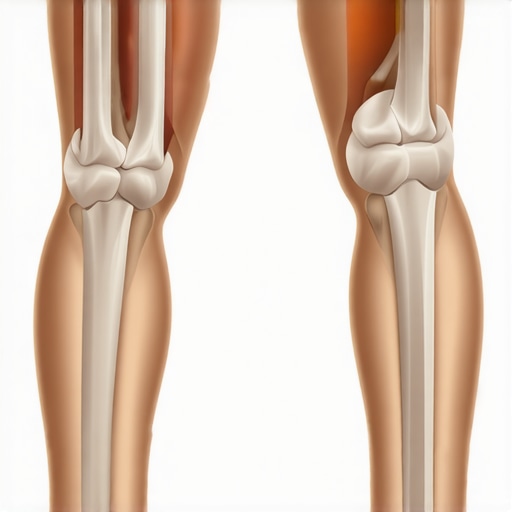
Why stretching your hamstrings might be making your back pain worse
It was a morning like any other, but as I reached down to touch my toes, a sharp twinge shot through my lower back. I had been diligently stretching my hamstrings daily, convinced it would keep my back healthy and flexible. Instead, I found myself limping to the coffee pot, wondering if I’d just made things worse.
When Stretching Becomes the Enemy
That lightbulb moment hit hard. I realized that my well-intentioned hamstring routine might have been contributing to my back pain, not alleviating it. The more I stretched aggressively, the more my spine felt out of sync, and my discomfort only grew. Turns out, overdoing certain stretches can backfire—quite literally. As it turns out, many folks unknowingly aggravate their backs because of how they approach flexibility work.
Could Your Hamstring Routine Be Holding You Back?
In this post, I’ll show you how improper stretching techniques might be making your back worse and share practical strategies to correct course. If you’re tired of feeling stuck in pain despite spending time on stretches that promise relief, this is your wake-up call. The good news? There’s a way to make your stretching work for you instead of against you.
But before we dive into solutions, I want to address the biggest concern I hear: “Is all stretching bad?” The truth is, not all stretching is created equal. Done correctly, it can improve mobility and reduce discomfort. Done improperly? It can cause tears, trigger nerve irritation, or destabilize your spine. I made this mistake early on—pushing too hard, too often, without understanding my own body’s limits—and I paid the price. Trust me, I get it. That’s why I’ve dedicated myself to sharing what works and what doesn’t.
Focus on Gentle, Targeted Movement
Last week, I attempted a simple hamstring stretch that I’ve done countless times, but this time, it felt different—like I was pulling my lower back instead of easing it. That messily led me to realize the importance of controlled, gentle movements instead of forceful stretches. Start with micro-movements—think of your spine like a flexible hinge, not a rusty door—that gradually increases mobility without risking injury.
Adopt Proper Posture Habits
One day, I caught myself slouching at my desk, which added strain to my lumbar region. I replaced my slumping posture with a neutral spine position—shoulders back, chest open, feet flat. Think of your spine like a stack of building blocks—if one shifts, it affects the whole structure. Regularly check your alignment, especially during prolonged sitting, to prevent uneven stress that can cause or exacerbate back pain. Learn more about maintaining spinal health with tips from chiropractic care.
Utilize Breath and Core Engagement
During a particularly tense day, I noticed my breath was shallow, and my core muscles were slackening. I started incorporating deep, diaphragmatic breaths coupled with gentle core activation—imagine inflating a balloon in your belly with each inhale. This technique stabilizes your spine from within, much like a scaffold reinforcing a building. Regular practice can significantly reduce back vulnerabilities and improve your overall mobility.
Implement Smart Strengthening
Focusing solely on stretches can leave critical muscles weak and unbalanced. I integrated targeted strengthening exercises for my glutes and abs, which act as the backbone’s support system. For example, glute bridges—performed with proper form—are like installing sturdy pillars under a bridge, preventing sagging and strain. Remember, strengthening should be done progressively, emphasizing control over intensity. For detailed guidance on back-specific strengthening, consider reviewing chiropractic strategies for mobility.
Address Discomfort Before It Becomes Pain
If your back begins to feel tense during daily activities, don’t ignore it. Pause and perform light mobility drills—think of them as oiling a squeaky hinge rather than forcing it open. Simple neck retractions, pelvic tilts, and thoracic rotations can keep the joints limber. Incorporating these small but frequent adjustments can prevent long-term issues and keep your spine healthy.
Seek Professional Guidance for Lasting Relief
While these steps are effective, persistent or worsening discomfort warrants expert evaluation. A qualified chiropractor can identify hidden misalignments and develop a personalized plan. I once tried to self-correct a lingering lower back issue, only to realize I lacked the full picture. For a comprehensive approach, explore how professional chiropractic techniques can help restore your mobility safely.
Many people enter the world of pain management with common beliefs that, while seemingly logical, often lead them astray. The most pervasive myth? That pain always signals the need for complete rest or that if you push through it, you’ll resolve the problem. In reality, misconceptions like these can delay healing and sometimes cause additional harm. For example, resting excessively or avoiding movement out of fear of aggravating pain can weaken muscles and reduce mobility over time. Instead, progressive, targeted exercises—guided by an expert—are proven to enhance recovery, as highlighted in chiropractic success stories.
What is the danger of believing that all neck and back pain stems solely from muscle strain?
This oversimplification ignores the nuanced factors contributing to persistent pain, such as joint misalignment, nerve impingement, or even psychological stress. Relying purely on stretching or massage may temporarily relieve discomfort but often fails to address the root cause. Advanced practitioners understand that a comprehensive evaluation is crucial for accurate diagnosis, enabling targeted interventions like spinal adjustments. As discussed in proven chiropractic strategies, addressing biomechanical issues is essential for long-term relief.
Another common trap involves the misconception that chiropractic care is only about cracking joints. In fact, modern techniques integrate soft tissue therapies, mobility drills, and neuro-muscular retraining, focusing on restoring harmony to the entire musculoskeletal system. This holistic approach can correct subtle imbalances often overlooked by traditional methods, reinforcing the importance of seeking care from qualified professionals. To dive deeper, check out how chiropractic enhances mobility naturally.
Are you falling for the idea that severity equals the need for aggressive treatment?
It’s a common mistake to assume that intense pain necessitates invasive procedures or prolonged bed rest. In reality, some severe-sounding issues like herniated discs or nerve compression can respond well to conservative management if diagnosed correctly. Over-aggressive treatment or premature surgeries without thorough evaluation might prolong recovery or cause new issues. Recent research emphasizes the value of early, personalized interventions—such as gentle adjustments coupled with exercises—to improve outcomes, as detailed in effective conservative approaches. Recognizing the importance of nuanced assessment helps prevent costly, unnecessary procedures.
Remember, pain is a symptom, not the full story. Addressing it requires understanding the complex interplay between biomechanics, neurology, and lifestyle factors. Avoid simple cures and instead embrace expert guidance that considers these nuances for lasting relief. Have you ever fallen into this trap? Let me know in the comments, and share your experiences!
Tools I Recommend for Long-Term Mobility
Maintaining mobility and keeping pain at bay requires the right equipment and habits. I personally rely on a few key tools that have transformed my approach to spine health. For example, a quality foam roller helps release tight muscles around the thoracic and lumbar regions, preventing stiffness that can lead to pain. I use a soft, pliable roller to gently massage my back, which improves circulation and prevents chronic tension from settling in.
Another invaluable device is the ergonomic lumbar support cushion. I always keep mine in my office chair, ensuring proper lumbar curvature and reducing strain during long working hours. Its adjustable firmness allows me to customize support based on my day’s activities, promoting sustained spinal health. For mobility drills, resistance bands are excellent for activating stabilizer muscles that underpin your spine. I incorporate simple band-assisted rotations to build functional strength, especially if I notice my flexibility slipping.
Embracing Technology to Track Your Progress
Tracking your mobility and pain levels over time can reveal patterns and help tailor your routines. I recommend using apps designed for posture and movement monitoring, like the Upright GO, which provides real-time feedback on your spinal alignment during daily activities. It has been a game-changer in highlighting habits that cause misalignment, allowing me to correct them promptly. Combining this with periodic self-assessment tests—such as the wall distance or lumbar flexibility tests—can give you measurable insights into your progress.
Predicted Trends in Spinal Maintenance
Looking ahead, I believe personalized wearable tech will become even more sophisticated, offering biometric feedback for posture correction and movement optimization. Artificial intelligence may soon provide tailored exercises based on real-time data, making maintenance routines more effective and accessible. This evolution will empower individuals to take proactive control over their spine health, potentially reducing dependency on frequent chiropractic visits.
How do I maintain my neck and back health over time?
Consistency is key. Regularly incorporating targeted exercises, maintaining proper ergonomic habits, and utilizing supportive tools can significantly prolong the benefits of chiropractic care. Make a habit of small daily mobility drills, like gentle neck rotations or pelvic tilts, which keep joints lubricated and muscles engaged. Investing in quality support devices—such as lumbar cushions or foam rollers—ensures your efforts translate into sustained relief. Moreover, using technology to monitor your posture can reveal unnoticed flaws, allowing you to make timely adjustments. To deepen your understanding of effective long-term strategies, explore resources like how chiropractic care can transform your mobility. Remember, maintaining your spine’s health is a marathon, not a sprint. Make these tools and habits part of your daily routine, and you’ll foster resilience and flexibility for years to come.

What I Didn’t Know About Spinal Health Until It Hit Me
One of the most profound lessons I learned was that not all pain is the enemy—and sometimes, pushing harder or stretching aggressively can deepen the problem. The importance of listening to subtle body cues, rather than forcing routines, became clear when I realized that gentle, targeted movements outperform brute force every time.
Why My Biggest Myths About Chiropractic Were Lies I Told Myself
I used to believe that cracking joints was the key to lasting relief. Now, I understand that true mobility comes from a holistic approach—addressing muscle imbalances, posture, and lifestyle habits. This shift in perspective opened doors to safer, more effective solutions that go beyond quick fixes.
The Power of Small Changes and Consistency
It’s not about intense workouts or lofty goals but consistent, mindful habits—like daily pelvic tilts or mindful posture checks—that create lasting improvements. These micro-adjustments, repeated over time, build resilience and reduce reliance on temporary relief measures.
Tools That Became My Allies in Maintaining Spinal Flexibility
Investing in a quality foam roller, ergonomic support cushions, and posture-tracking apps revolutionized how I care for my spine daily. These tools offer real-time feedback and targeted relief, making self-care more accessible and effective than ever before. Check out some of my favorites and why I trust them on this page.
Encouragement: Your Journey Toward a Pain-Free Neck and Back Starts Now
Remember, understanding your body is a journey filled with learning, patience, and small victories. Every mindful movement and smart habit you adopt now contributes to a future with less pain and more freedom of movement. Embrace the process, and let your resilience grow.
What’s one small change you’re willing to start today to improve your neck or back health? Share your thoughts below—I’m excited to hear your story!