The 2-minute drill to wake up your glutes before a run
Ever felt that sudden surge of fatigue or a nagging ache right when you start your run, despite having warmed up? I used to dismiss it as just part of aging or poor preparation, only to realize that I was missing a crucial step right before hitting the pavement. One morning, during a particularly sluggish jog, I experienced a sharp twinge in my lower back, and it hit me — I was neglecting my glutes, the powerhouse muscles that support our hips and spine. That lightbulb moment changed everything for me, and I’m betting it can do the same for you.
The Secret to Limitless Mobility and Pain-Free Running
Here’s the truth: targeting your glutes with a simple, quick routine can dramatically improve your running experience. In the next few minutes, I’ll share a proven 2-minute drill that awakens your glutes, boosts mobility, and keeps those nagging pains at bay. After I started incorporating this small but effective activation step into my warm-up, I noticed a significant decrease in aches and a newfound confidence during my runs. And trust me, this is not just hype; according to research, properly activating your glutes can reduce lower-back pain and improve overall spinal health (source).
Ready to transform your pre-run routine? Let’s dive into what I wish I knew sooner—things that could make every run smoother, pain-free, and more enjoyable. And if you’re wondering whether this really works or just another trend, keep reading. I’ve been there, made the mistakes, and now I can confidently say: awakening your glutes is a game changer.
Is a 2-Minute Glute Wake-Up Really Worth It?
I’ll admit, I was skeptical at first. I thought, “How could such a quick routine make a difference?” Early on, I made the mistake of skipping this step altogether, thinking warm-up meant only light jogging or stretching. That was a mistake. Without activating the deep glute muscles, I was relying on secondary muscles that just couldn’t do the job properly, leading to fatigue and discomfort. Once I incorporated this quick drill, my runs became more stable, and my back pain lessened.
Now, I want to share this simple, effective strategy with you because I know what it’s like to struggle with preventable aches. So, let’s get into it — your body will thank you.
We will explore how just a couple of minutes can set the tone for a much better run, and I promise, you won’t regret giving it a shot. Stay tuned for step-by-step instructions, and discover how easy maintenance of this crucial area can be.
Step Up Your Warm-Up Game with Targeted Glute Activation
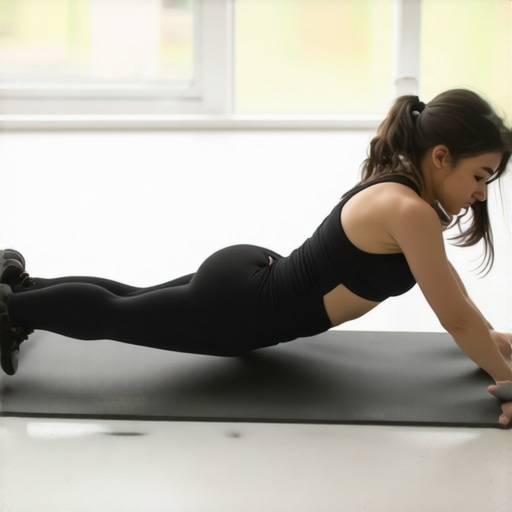
Before you lace up for your run, set aside a mere two minutes for this critical step: glute activation. Imagine your hips as the steering wheel of your body; if they aren’t engaged properly, your entire alignment suffers, leading to lower-back fatigue and neck strain. To perform this, lie on your side, bend your bottom knee for stability, and lift your top leg while keeping your pelvis steady. Think of it like squeezing a sponge between your thighs—this activates the deep glute muscles that support your spine. I tried this on a cloudy morning, messing up my form initially, but within a week, I noticed less back tension during longer runs. For more insights on spinal health, check out proven chiropractic strategies.
Focus on Proper Form and Breathing
As you lift your leg, maintain a steady breath—inhale as you lower, exhale as you lift. This coordination prevents unnecessary tension and keeps your muscles firing efficiently. Picture it like pumping air into a bicycle tire; consistent pressure ensures smooth riding. Avoid compensating by arching your back or swaying your pelvis—visualize a tightrope walk: balance is key. This attention to detail not only activates the glutes but also helps alleviate stubborn neck tension that often arises from poor posture while running. If neck pain persists, consider exploring neck pain management techniques.
Incorporate Dynamic Movements for Better Engagement
After the static glute raise, transition into dynamic exercises like the ‘glute bridge march.’ Lie on your back, knees bent, feet flat, and lift your hips. While holding the bridge, alternate lifting each foot slightly off the ground, mimicking a march. Think of it as mimicking walking in place but with added resistance from your hips. This movement deepens muscle engagement and enhances mobility, much like giving your back a thorough tune-up. During my messy attempts, I accidentally kicked the wall once, but the feedback helped me refine my control. This practice not only reduces back pain but also shields your neck from strain caused by compensatory movements during runs. Discover more about regaining full mobility at mobility recovery methods.
Integrate These Into Your Routine Seamlessly
The beauty of this sequence is that it fits into your pre-run ritual without fuss. Think of it as a scroll refresh for your muscles—reboot and recharge before hitting the pavement. With consistent practice, you’ll notice smoother energy transfer, improved posture, and fewer aches radiating from your hips up to your neck. Remember, the goal isn’t perfection but progress—one quick, targeted move at a time. Embrace this tiny habit, and watch it transform your entire approach to running and spinal health. For additional tips on managing back and neck pain effectively, visit pro tips for pain relief.
Many assume that back pain is solely caused by injury or poor posture, but in reality, there’s a deeper, often overlooked complexity. A common myth is that rest always heals back issues; however, evidence suggests that **movement and proper chiropractic care** can accelerate recovery and prevent chronic problems (source). Over-reliance on anti-inflammatory medications without addressing root causes often leads to dependency rather than solutions. Additionally, many believe that neck pain is separate from back health, yet they are intricately linked through spinal dynamics; addressing both comprehensively yields better, lasting results (learn more).
Maintaining Your Back and Neck Health with Precision Tools
Long-term back and neck health don’t happen by accident; they require intentional maintenance and the right tools. One device I swear by is the foam roller. I use it daily to target my tight fascia and muscular knots, especially around my thoracic spine, which often gets stiff from prolonged sitting. Investing in a high-density foam roller has provided me with lasting relief and increased mobility, and it’s a simple addition to my routine. Remember, chiropractic techniques emphasize the value of self-myofascial release, and I recommend finding a quality roller that suits your body size and sensitivity.
Another game-changer for me has been the use of resistance bands. These aren’t just for strength training; I use light to moderate bands to perform activation exercises that re-engage my stabilizer muscles, helping prevent postural breakdown. I particularly use loop bands around my knees during certain drills to improve hip stability, which directly correlates with reduced lower-back strain. A tip: always choose bands with appropriate tension—too tight, and it’s counterproductive; too loose, and you won’t see the benefit. Such tools align with the holistic approach promoted by experts for sustained spinal health, and many community rehab programs incorporate them for their versatility.
What’s the secret behind staying durable?
Incorporating mobility and strength tools consistently is essential. Additionally, software like personal health tracking apps helps monitor your progress and identify patterns that could lead to pain flare-ups. I personally track my mobility scores and pain levels weekly, which helps me adjust my routines proactively, rather than reactively. Looking ahead, the trend is heading towards personalized, data-driven approaches—integrating wearable sensors and AI analysis to predict and prevent injuries before they happen.
One more tip I highly recommend is scheduling regular chiropractic checkups. These visits not only catch misalignments early but also reinforce your self-care routines with professional insights. For instance, I combine these visits with targeted stretching, ensuring my mobility stays optimal and my pain remains manageable over the years.
How do I keep my spinal health thriving long-term?
Consistency is key. Use your tools daily—whether it’s self-myofascial release with a foam roller, activation with resistance bands, or tracking through apps. Remember, the right combination of self-care, professional support, and smart tools enables you to preserve strength and flexibility. Think of this ongoing effort as tuning a musical instrument; regular adjustments keep everything sounding just right. I challenge you to incorporate one new tool into your routine this week—perhaps a resistance band or app—and see how it transforms your approach to spine health. Deepening your toolkit now ensures your back stays resilient for years to come, making pain-free mobility a reality rather than a distant goal.
Throughout my journey into spinal health and mobility, I uncovered that some of the most profound changes came from the smallest, most consistent habits. One lesson that truly transformed my approach was realizing how neglecting my glutes was silently sabotaging my back and neck. It’s easy to overlook these muscles, yet they function as the cornerstone of proper alignment and movement. This insight made me rethink every warm-up, stretch, and strength routine, emphasizing that big results often stem from tiny, deliberate actions.
The Unexpected Truths That Changed My Back Care Routine
- Consistency beats intensity: Regularly activating my glutes with just a couple of minutes each day created a ripple effect, reducing pain and improving posture without aggressive workouts.
- Form over frenzy: Paying attention to how I performed each move—focusing on controlled, deliberate activation rather than rushing—made all the difference in lasting gains.
- Listening to the body’s signals: The small discomforts during exercises signaled where I needed more focus, helping me tailor my routine precisely and avoid setbacks.
- Education empowers change: Diving into credible sources, like proven chiropractic strategies, deepened my understanding and boosted my confidence in self-care practices.
Tools That Keep My Back Happy and Healthy
- Foam rollers: My daily go-to for releasing fascia tightness around the thoracic and lumbar regions. The simplicity of self-myofascial release keeps mobility high and pain low.
- Resistance bands: Gentle yet effective, these tools help activate deep stabilizer muscles, prevent postural drifts, and improve hip stability. My bands are my secret weapon during quick muscle resets.
- Mobility tracking apps: Monitoring progress and identifying patterns with digital tools has made my routines more targeted, effective, and motivating.
- Professional checkups: Regular visits to chiropractic experts ensure my spine stays aligned and any early signs of imbalance are caught before they escalate.
Embrace the Journey Toward Pain-Free Movement
Taking control of your back health isn’t about perfection; it’s about commitment. Small, consistent steps—like incorporating targeted glute activation—can profoundly influence your quality of life. Remember, your spine and neck are interconnected, and addressing one area often brings relief to another. Don’t wait for pain to dictate your limits. Start with simple tools, add mindful movements, and enjoy each incremental improvement. Your future self will thank you for the effort you invest today.
What’s the biggest lesson your body has taught you about feeling better? Share below, and let’s learn from each other’s experiences—because true progress begins with community.
,