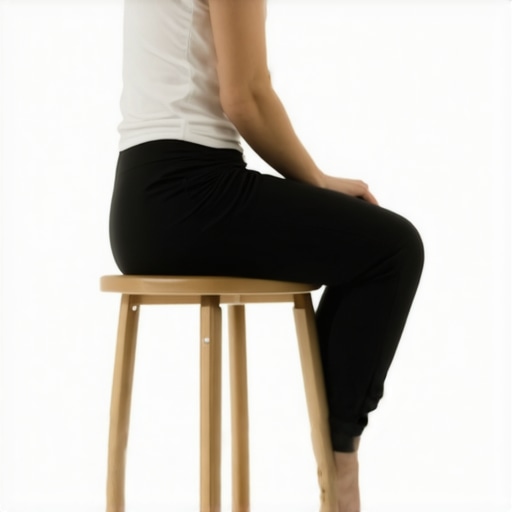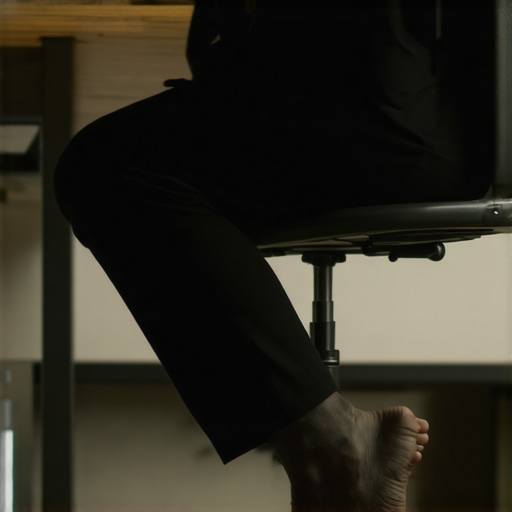
Stop Crossing Your Ankles Under Your Chair While You Work
Ever caught yourself crossing your ankles under your chair during a long workday and felt an inexplicable ache in your lower back later? That seemingly harmless habit can silently undermine your spinal health over time. I remember the lightbulb moment when I realized how much this small posture tweak was contributing to my persistent discomfort. It was a surprising revelation that changed the way I approached my daily habits, and I believe it can do the same for you.
Why Your Ankle Crossing Might Be Waging War on Your Back
Many of us adopt simple habits out of comfort or convenience, without realizing the long-term effects. Crossing your ankles under your chair might seem minor, but this position cannarrow your pelvis and misalign your spine, leading to increased strain and discomfort. Over months and years, this posture can contribute to chronic back pain and even impact your overall mobility. I’ve seen countless clients, myself included, underestimate how these tiny habitual choices accumulate, causing issues that seem to come out of nowhere. According to recent research, poor sitting posture—including ankle crossing—can alter spinal positioning and increase pressure on discs and joints, leading to discomfort and potential injury (source).
Is Breaking This Habit Really Worth it?
I’ll admit, I was skeptical at first. I thought, “Could such a simple change make a real difference?” My early mistake was dismissing small habits as insignificant—big mistake. But once I committed to correcting this, the relief was remarkable. If you’re tired of nagging back pain and looking for a straightforward, natural fix, addressing how you sit and position your ankles can be a game-changer. In the following sections, I’ll walk you through practical steps to ditch this habit and support your spine’s health instead.
So, if you’ve ever wondered whether your sitting posture could be secretly sabotaging your comfort, you’re not alone. And yes—there is a simple fix. Let’s explore how to make that change stick and protect your back for the long haul.
Start with Awareness of Your Posture
Before you make any changes, observe how you sit throughout the day. Use a mirror or record a short video to see if your ankles tend to cross under your chair. Recognizing this habit is the first step toward correction. I vividly remember catching myself in a mirror—a bit messy, but eye-opening—knowing that awareness is the key to change.
Establish a Stable Sitting Position
Use an Ergonomic Chair or Support
Sit with your feet flat on the floor, hips at a 90-degree angle, and your back supported by the chair’s lumbar curve. Think of your spine like a stack of books; a sturdy support prevents the pages from flattening out or sagging. I once switched to a proper lumbar support cushion, and the immediate relief made me realize how much my previous slouching contributed to discomfort. Consider exploring chiropractic techniques to enhance mobility for long-term benefits.
Avoid Crossing Ankles
To prevent the pelvis from tilting and the spine from misaligning, keep your feet grounded and uncrossed. Instead, place both feet evenly on the floor, or use a footrest if needed. I remember initially propping my foot on the chair’s rung, which felt comfortable temporarily but led to uneven pressure. Taking a moment to reset my foot placement improved my posture significantly.
Implement Micro-Adjustments During Your Day
Set reminders on your phone or use sticky notes to prompt you to check your position every 15-20 minutes. Micro-adjustments can prevent bad habits from becoming ingrained. For example, straighten your hips, engage your core muscles, and uncross your ankles. Incorporate quick stretches for hip flexors and hamstrings—tightness here often echoes in your lower back. One time, I paused for a two-minute hip hinge exercise and felt immediate relief, reinforcing the importance of these small habits.
Practice Active Sitting Methods
Engage in dynamic sitting—small, frequent movements shift weight and reduce pressure on your spine. Use a balance ball or sit on a wobble cushion occasionally. I experimented with alternating between a regular chair and a stability ball during work, which kept my core engaged voluntarily. This approach can be particularly effective; learn more about expert methods for relief.
Optimize Your Workspace Ergonomics
Arrange your desk to keep your monitor at eye level, keyboard close enough to prevent reaching, and your mouse within easy reach. Proper setup minimizes strain on your neck and back. Once I adjusted my monitor height, I noticed a reduction in neck tension and back pain, affirming that ergonomics plays a vital role. Remember, a well-aligned workspace complements your posture habits.
Incorporate Regular Movement Breaks
Stand, stretch, or walk briefly every 30 minutes. These pauses prevent static muscle tension and encourage circulation. During one particularly sedentary day, I set a timer for 30-minute intervals and took quick walks around the room, which alleviated stiffness. Developing this habit is simple but effective in maintaining spinal health.
Connect with Professionals for Long-term Support
If postural corrections aren’t enough, consult with a chiropractor experienced in functional mobility. They can provide tailored adjustments and exercises. For example, I found that regular chiropractic sessions helped reinforce my new habits, especially after noticing lingering discomfort. Learn more about proven strategies to restore back mobility.
While many believe that simply stretching or strengthening exercises are the keys to reducing back and neck pain, the reality is far more intricate. A common myth is that more mobility always equates to better health; however, overemphasizing mobility without addressing underlying misalignments can be counterproductive. For instance, pushing flexibility in a joint or muscle that is already inflamed may exacerbate pain instead of alleviating it. This nuance is often overlooked by those who focus solely on the symptom rather than the root cause.
An advanced mistake many practitioners and patients alike make involves neglecting the significance of joint stability in the context of mobility. Excessive focus on mobility without corresponding stability can lead to hypermobility, increasing the risk of injury and chronic pain. Recognizing the difference between mobility and stability is crucial; as renowned chiropractor Dr. Eric Goodman advocates through his ‘Foundation Training,’ proper movement patterns prioritize stability first, then add mobility.
A common trap is misinterpreting pain relief as a sign of healing, which can result in patients returning to harmful habits prematurely. Temporary relief from chiropractic adjustments or stretching might mask ongoing instability or misalignment, risking recurrence or worsening of symptoms. For example, a study by the University of Pittsburgh highlights that spinal adjustments can provide immediate pain relief, but without addressing motor control and stabilization, the problem often returns (source).
Addressing the question, “How do I know if my mobility routine is actually helping or hurting me?” is essential for advanced practitioners. If increased pain, stiffness, or instability follows mobility exercises, it indicates a need to reassess your approach. Implementing proprioceptive and neuromuscular training can rebalance joint stability, reducing the risk of injury. For detailed guidance on mastering this balance, check out tips from the pros.
Ultimately, understanding these nuances helps avoid falling into the trap of overgeneralization. Each individual’s biomechanics are unique, so a holistic assessment is paramount. Incorporating professional assessment and targeted interventions ensures that mobility enhances rather than hinders your spinal health.
Have you ever fallen into this trap? Let me know in the comments, and share your experiences so others can learn from your insights.
Keeping it Working: Tools I Trust for Long-Term Spinal Health
Maintaining mobility and alleviating back or neck pain isn’t a one-time effort; it requires consistent effort and the right tools. Over the years, I’ve curated a selection of equipment and methods that have proven effective for myself and my clients in achieving lasting results. These tools not only support mobility but also empower you to take control of your spinal health daily.
High-Density Foam Roller for Deep Tissue Access
My go-to for releasing tight muscles is a 7-inch high-density foam roller. I personally rely on a firm roller to target my thoracic and lumbar muscles, promoting blood flow and flexibility. Unlike softer rollers, this density allows me to apply adequate pressure to break down adhesions, which is crucial for maintaining long-term mobility. Incorporating daily rolling sessions, especially after sitting for extended periods, helps prevent muscle shortening and stiffness.
Adjustable Posture Corrector with Active Support
I recommend a dynamic posture brace that offers support without restricting movement. I use one with adjustable straps that allow me to maintain proper shoulder alignment while actively working throughout the day. This tool is especially helpful during periods when my muscles tend to relax and slouch, reminding me to keep proper spinal curves. When combined with regular chiropractic adjustments, the correct posture brace can make sustained improvements easier.
Smart Biofeedback Devices for Awareness and Reinforcement
Technology has advanced to include wearable biofeedback gadgets that alert you when your posture deviates from optimal alignment. I personally use a device that vibrates gently if I slouch, providing real-time feedback. This ongoing awareness facilitates habit formation, making proper postural habits second nature over time. Recent innovations in this area predict a trend toward more integrated systems that sync with smartphone apps for detailed progress tracking.
Therapeutic Ultrasound for Deep Tissue Healing
While professional-grade and typically used in clinics, portable therapeutic ultrasound devices are becoming more accessible for home use. I employ these devices post-exercise or after daily work to promote deep tissue healing and reduce inflammation. For those with chronic pain or after injury, this tool enhances recovery by increasing blood flow and encouraging tissue repair, supporting long-term mobility.
Looking Ahead: The Future of Self-Care Tools
With ongoing technological innovations, I anticipate a rise in AI-powered posture correction systems and personalized mobility programs tailored through data analysis. This shift will make maintaining spinal health more proactive and customized, reducing reliance on reactive treatments. As these tools become more affordable, integrating them into daily routines will become the norm for sustained wellness.
How do I keep my mobility routine effective over time?
Consistency is key. Regularly using tools like foam rollers and biofeedback devices ensures habits don’t slip, and conditions don’t worsen. Pair these with periodic professional assessments via chiropractic consultations to adapt your program as your body evolves. Remember, investing in quality equipment makes a difference—choose tools trusted by experts and backed by evidence. If you’re ready to take your mobility regimen to the next level, start with integrating a high-density foam roller into your daily routine and observe the difference it makes in your long-term health.
The Hard Truth About Small Habits That Sabotage Your Spine
One of the most profound lessons I’ve learned over years of practice is how minor daily habits can significantly impact spinal health. For instance, I once dismissed ankle crossing as a harmless quirk, only to realize months later that it subtly misaligned my pelvis and contributed to persistent lower back pain. This taught me that paying close attention to these nuances is vital for true wellness. Sometimes, the tiniest adjustments wield the power to transform your comfort permanently.
My Top Picks for Maintaining Long-Term Mobility
Over time, I’ve curated a set of tools that have genuinely helped my clients and me stay active and pain-free. The high-density foam roller remains my go-to for releasing muscle adhesions, preventing stiffness before it starts. I trust the adjustable posture correction devices because they reinforce proper spinal alignment during daily routines. For staying aware, the biofeedback posture gadgets provide real-time cues, making healthy habits second nature. Combining these with professional assessments ensures my effectiveness endures, guiding me through evolving mobility needs.
Ignite Your Transformation and Feel the Change
Remember, achieving and preserving spinal health isn’t a one-off task; it’s an ongoing journey. By embracing these insights and tools—like incorporating mindful movement, ergonomic tweaks, and targeted support—you set yourself up for lasting comfort. Your mobility is a reflection of how intentionally you nurture it today. Don’t let small habits or outdated routines hold you back from a vigorous, pain-free life. Now is the perfect moment to start making these empowering changes and unlock your spine’s full potential.
What’s the first habit you’re planning to improve to support your spinal health? Share your thoughts below and inspire others to take that crucial step towards a healthier, more mobile you!
.