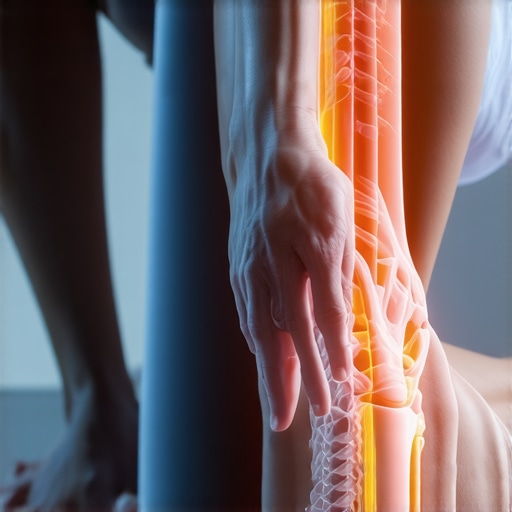
How to Pick Up Your Toddler Without Straining Your Lumbar Spine
It was one of those mornings that start with a whirlwind—my little one darting past me, laughter echoing, and suddenly, I felt that familiar jolt in my lower back. You know that feeling—sharp, like a tiny knife twisting just beneath your ribs, reminding you that your spine isn’t quite as resilient as it used to be. And in that moment, I realized something had to change. If you’ve ever experienced a sudden twinge after lifting your child, you’re not alone.
Why Picking Up Your Toddler Can Be Riskier Than You Think
As parents, we’re often multitasking—bending, twisting, lifting, and carrying, sometimes without a second thought. But each of these movements, if done poorly, can accumulate into chronic pain or even injury. I used to think that a quick bend and scoop was harmless. Turns out, that’s a mistake many of us make early on.
The truth is, improper lifting puts unnecessary strain on your lumbar spine, which can lead to long-term issues like herniated discs or persistent back pain. I found this out the hard way when my own back started aching after just a few months of regular lifting. That’s when I stumbled upon expert advice: learning proper techniques can save you from future discomfort and keep you mobile and pain-free.
The good news? With the right strategies, you can protect your back without sacrificing how often you pick up your little one. Today, I’m going to share practical, easy-to-apply tips that have helped me—and many others—stay pain-free while carrying our toddlers. But before we dive into the solutions, let’s address common doubts.
Question: Is Proper Lifting Really That Important? Or Is It Overhyped?
I thought, honestly, that as long as I was cautious, I’d be fine. But early on, I made the mistake of ignoring my body’s signals. I kept telling myself, ‘It’s just a quick lift,’ but those quick lifts added up, leading to chronic aches. Recognizing that technique matters is a game-changer. Studies show that maintaining proper posture during lifting reduces injury risk significantly—something I wish I’d known sooner. For more insights, check out [this guide](https://quackersspinal.com/relieve-neck-back-discomfort-using-these-expert-methods).
So, have you found yourself grimacing after an unexpected bend or twist? If so, you’re not alone—and you’re in good company. Let’s look at how you can avoid these pitfalls and lift your toddler safely, without wrecking your back. Ready to give your lumbar spine a break? Let’s move on to the practical steps that will make a world of difference.
Mastering Proper Lifting Techniques
When lifting your toddler, adopting correct form is crucial. Begin by positioning your feet shoulder-width apart, ensuring stability. As you bend your hips and knees—like preparing to sit in a chair—keep your back straight and chest forward. Engage your core muscles as if you’re preparing for a gentle punch; this stabilizes your spine. Grip your child securely, pulling them close to your body before lifting. This close grip distributes weight evenly and reduces strain. Practice this movement slowly the first few times to build muscle memory. In my messy attempt, I knelt awkwardly, grabbed my daughter under her arms, and tried to lift without keeping my back straight—resulting in a lingering ache. Now, sticking to proper form has made a noticeable difference in preventing discomfort.
Use Your Legs, Not Your Back
Your legs are stronger and designed for lifting, so leverage them fully. When you squat down, think of sitting back into an invisible chair. Engage your thigh muscles as you rise, pushing through your heels. Avoid twisting or jerking motions—they can destabilize your spine. For example, instead of twisting toward one side to pick up your child, turn your entire torso to face them, then lift. I once hurriedly twisted with my kid in hand, which led to a sharp twinge. Now, consciously using my legs and turning my whole body keeps me pain-free and agile.
Keep the Load Close and Balanced
Holding your child close minimizes stress on your lower back. Also, distribute your grip evenly with one hand supporting their back and the other their legs. Imagine balancing a tray—you want to keep it level, not tilt to one side. If your child is pulling at your arm, gently guide them back into your body before lifting. I used to hold my toddler at arm’s length, which increased back strain. Now, I instinctively bring them snugly against my chest, aligning with my center of gravity for safer lifting.
Prepare Your Environment
Before lifting, clear the space to avoid awkward movements. Place necessary items within reach so you don’t have to stretch or twist unexpectedly. For instance, I keep a small stool nearby for quick adjustments—this way, I can squat and lift safely instead of hunching or overreaching. Remember, maintaining an awareness of your surroundings helps prevent last-minute panic or improper lifts.
Practice Regular Mobility Exercises
Enhanced flexibility and strength in your hips, core, and back make lifting safer. Incorporate movements like hip hinges, planks, and gentle spinal twists into your routine. These exercises act like a buffer, absorbing shocks and maintaining optimal movement patterns. I started doing a quick 2-minute drill each morning, which significantly improved my back stability. For dedicated routines, check out [this guide](https://quackersspinal.com/restore-your-back-mobility-proven-chiropractic-strategies) for targeted exercises that fortify your spine against everyday stresses.
Listen and Respond to Your Body
Pay attention to pain or discomfort signals. If you feel strain, pause and adjust your technique. Sometimes, a slight shift in posture makes all the difference. Remember, prevention is better than treatment. I ignored initial soreness, leading to days of aching—now, I ease up at the first sign of fatigue. Proper lifting isn’t just about technique; it’s about respecting your body’s limits and modifying actions accordingly. For additional insights on managing pain, explore [this step-by-step guide](https://quackersspinal.com/effective-neck-pain-management-a-step-by-step-guide).While many believe that simple stretching or occasional chiropractic visits can solve persistent neck and back pain, the reality is far more nuanced. A common myth is that pain originates solely from the affected area—like the neck or lumbar spine—when in fact, pain often results from compensatory patterns, muscle imbalances, and neural reflexes that are overlooked. For example, sustained poor posture can create a cascade effect, where seemingly unrelated muscles tighten and weaken, leading to chronic discomfort. Recognizing these subtle interactions is essential for effective treatment.
One trap many fall into is focusing solely on symptomatic relief, such as padding or quick adjustments, without addressing underlying neuromuscular patterns. This approach is comparable to treating a leak without fixing the pipe—temporarily alleviating symptoms but risking recurrence. Advanced practitioners understand that true mobility and pain relief derive from retraining the nervous system and restoring balanced movement patterns. Techniques like neuro-myofascial re-education or targeted mobility drills can reprogram faulty movement habits, reducing dependency on ongoing treatments. For instance, integrating deep cervical flexor exercises can significantly improve posture and reduce neck tension, as highlighted in recent studies.
Have you ever fallen into this trap? Let me know in the comments.
An often-overlooked nuance is the importance of assessing entire kinetic chains rather than isolated regions. For example, poor hip mobility can force compensatory movements in the lumbar spine or neck, perpetuating pain cycles. Chiropractors and movement specialists who delve into these interconnected patterns can craft more effective, long-lasting solutions. For advanced readers, exploring the role of fascia and its influence on muscle function reveals even deeper layers of complexity. My own experience confirms that combined approaches—addressing joint mechanics, neural control, and tissue health—yield superior outcomes.
Remember, tackling neck and back pain isn’t just about quick fixes; it’s about understanding and correcting the underlying nuances that sustain discomfort. For practical strategies and expert insights, visit [this resource](https://quackersspinal.com/relieve-neck-back-discomfort-using-these-expert-methods) to learn how to implement comprehensive pain relief routines.
By appreciating these subtle but critical factors, you arm yourself with the knowledge to prevent chronic issues. Whether you’re dealing with persistent pain or trying to optimize mobility, embracing nuance is key to lasting health. Want to explore more about unlocking full mobility? Check out [this guide](https://quackersspinal.com/unlocking-neck-pain-relief-expert-tips-for-lasting-comfort) for advanced techniques that make a real difference.
Maintaining long-term spinal health requires more than just awareness; it demands the right tools and practices. Over the years, I’ve integrated several precise methods and equipment into my routine, and they’ve made a significant difference in keeping my mobility intact. One essential tool I rely on is the deep tissue massage foam roller. Unlike generic rollers, I use a dense, high-quality version that provides targeted myofascial release, particularly in the thoracic and lumbar regions. Regularised rolling with this tool helps prevent muscle tightness and maintains tissue elasticity, which are critical for pain prevention.
Additionally, I use a thermoplastic cervical traction device during my evening routines. This device gently decompresses the cervical spine, helping to alleviate accumulated tension from prolonged screen time. I’ve found it invaluable for maintaining flexibility and preventing stiffness, especially when I notice early signs of neck discomfort. For software support, I employ specific chiropractic mobility apps that provide guided exercises and reminders, ensuring consistency and proper form. Tools like these assist in retraining neural pathways and stabilizing movement patterns based on evidence-based protocols.
Looking ahead, I believe the trend will shift towards personalized, biofeedback-enabled devices that connect seamlessly with smart home systems. These innovations will track muscle tension and posture in real-time, offering immediate corrective cues. Such advancements can preemptively address issues before they escalate into chronic pain.
For long-term results, I highly recommend integrating professional mobility exercises combined with these tools, ensuring a comprehensive approach. Remember, consistency is key; even the best tools won’t work if neglected.
Question: “How do I maintain my mobility tools over time?”
To keep your tools effective, inspect them regularly for wear and tear—particularly foam rollers and traction devices. Replacing worn parts prevents injury and ensures sustained benefits. Also, keep your tools clean and stored properly to preserve their function. For more detailed guidance on maintenance routines, visit our privacy policy for recommended practices.
Try incorporating a daily session with your foam roller or cervical device into your routine—consistency will optimize long-term mobility and decrease the risk of back or neck pain recurrence. Remember, these tools support your body’s natural ability to heal and adapt when used correctly and maintained diligently. For an in-depth dive into expert-backed methods, explore these proven techniques to keep your spine functioning optimally.
The Little Lessons That Changed My Approach to Spinal Care
One of the most profound insights I gained was that addressing pain is rarely about quick fixes. Instead, it’s about understanding the deeper patterns influencing our bodies. I learned that consistent, mindful movement and proper ergonomics could prevent issues from escalating, saving me years of discomfort. Recognizing my own postural habits and committing to daily mobility routines became game-changers.
My Go-To Resources for Lasting Mobility and Pain Relief
Over time, I found that credible information and proven tools make all the difference. The chiropractic strategies I adopted have played a pivotal role in improving my spine health. Books like “Move Your DNA” by Katy Bowman provided a new perspective on functional movement beyond stretching. Additionally, guided apps and ergonomic guides help me stay consistent and correct my posture throughout the day.
Your Path Forward Begins Today
Remember, embracing these insights and applying them consistently transforms your understanding of back and neck health. No matter where you’re starting from, small intentional changes can lead to lasting relief. Stay curious, prioritize your body’s signals, and trust that with patience and knowledge, you can reclaim your vitality. Take that first step today—your future self will thank you.
What small change will you try first to improve your neck or back health? Share below—I’d love to hear your story!
,