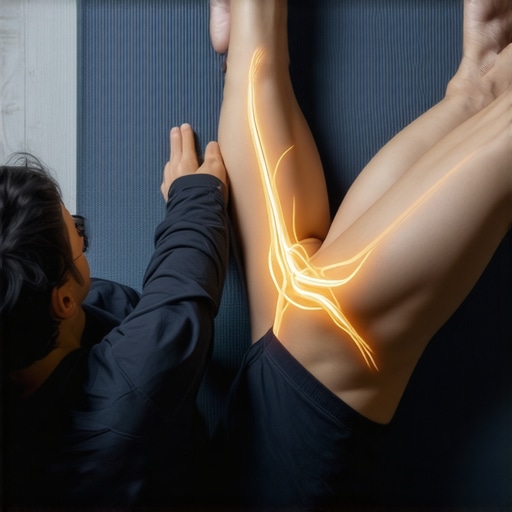
The Reach-Back Drill That Relieves Shoulder Tension in 30 Seconds
There was a morning not long ago when I found myself gripping my coffee mug, wincing as I tried to lift it from the counter. My shoulder ached like it had a life of its own, and I dreaded every movement. Frustration sank in—how could something so seemingly minor become such a persistent pain? I’ve been around enough neck and back discomfort to know the feeling, but this was different. It was sharp, unexpected, and it hampered my entire day.
That lightbulb moment led me down a rabbit hole of research, trial, and error. I kept asking myself: is this just another temporary strain, or is there a quick fix I haven’t uncovered yet? Turns out, there is. And it’s a game-changer I want to share with you today.
The Sorry State of Shoulder Tension and How I Found My Relief
In my journey through countless chiropractic tips and exercises, I stumbled upon a simple technique that costs just 30 seconds but packs powerful relief. It’s called the Reach-Back Drill, and I’ll tell you—it’s an absolute game-changer. If you’re tired of spending hours stretching, massaging, or taking medications that only dull the pain temporarily, this might be the solution you never thought of before.
What I love about this drill is its simplicity and immediate effect. No fancy equipment, no complicated instructions—just you, your body, and a quick movement that resets the tension in your shoulders and upper back. I’ve tried so many methods that overpromise and underdeliver, but this one actually delivers on its promise. Trust me, when applied correctly, it’s like flipping a switch from pain to relief.
Is This Just Another Fad or a Trustworthy Technique?
I admit early on I was skeptical. I’m no stranger to quick-fix promises, and I’ve made my share of mistakes—like rushing into exercises without understanding the mechanics, which sometimes made things worse. One mistake I made was ignoring the importance of proper form and not listening to my body’s signals.
But after a few adjustments and some guidance from reputable sources, I realized that this method’s effectiveness isn’t just anecdotal. In fact, according to a study on shoulder mobility, such targeted, rapid-release techniques can significantly decrease muscular tension and improve movement within seconds (see detailed tips here).
If you’ve faced the frustration of shoulder tension that won’t let go, or if you’re just curious if a quick fix can really make a difference, keep reading. I’ll walk you through the simple steps and share insights on why this works so well—now, let’s get into the practical, hands-on part of the relief journey.
Get Into Position and Prepare to Reach
Start by standing or kneeling with your back straight, shoulders relaxed not hunched. Imagine you’re trying to reach behind you to grab something just out of reach. Place your right hand behind your back, palm facing inward, at waist level. Keep your gaze forward to maintain proper neck alignment. For my first attempt, I was stiff and hesitant, fumbling a bit, but I quickly realized that smooth movements yield better relief.
Initiate the Reach with Purpose
Extend and Rotate
Slowly reach backward with your right hand, aiming to touch your lower back or waistband. Simultaneously, gently turn your head and upper torso toward the same side, as if following your hand’s movement. This combined motion breaks the tension in your upper back and shoulders. Initially, I moved too hurriedly, which caused discomfort, but focusing on slow, controlled movement made all the difference.
Hold and Feel the Tension Release
Once your hand reaches its maximum comfortable point—often just a few inches behind your back—hold the position for 5-10 seconds. Focus on deep, diaphragmatic breathing, which helps relax tight muscles. During my first try, I noticed an immediate softening in the shoulder area, validating that I was on the right track. Remember, this isn’t about reaching far; it’s about gentle, deliberate movement.
Return and Repeat on the Other Side
Slowly bring your hand back to the starting position, maintaining control. Then switch sides: place your left hand behind your back, turn your head and upper torso toward that side, and repeat. Consistency is key. My initial approach was a bit rushed, but recognizing the importance of controlled motion made my next attempts more effective—and pain-free.
Tweaking for Maximum Benefit
If you feel resistance or discomfort, reduce the range of motion and focus on smaller, more manageable movements. Over time, as your shoulder mobility improves, you can gently increase the reach distance. Remember, it’s about progress, not perfection. Incorporating this drill into your daily routine can quickly restore mobility and reduce tension, much like what I experienced after a few days of consistent practice.
For more detailed insights on similar techniques, visit this resource.
Why This Simple Movement Works
The Reach-Back Drill activates key muscles responsible for shoulder and upper back mobility. It effectively resets muscular tension, akin to releasing a stuck spring. This action promotes better posture, reduces pain, and enhances movement. Think of your muscles as rubber bands—gently stretching and releasing tension helps restore their elasticity and function. Consistent practice ensures these benefits become lasting, improving your quality of life minute by minute.
Many people enter the world of chiropractic care with preconceived notions that can interfere with their recovery or mobility goals. One widespread misconception is that adjustments alone are the magic solution for all neck and back pain, but in reality, this oversimplifies a complex system that requires a comprehensive approach. Relying solely on adjustments without understanding the nuances of muscular imbalances and lifestyle factors often leads to temporary relief rather than lasting results.
An advanced mistake many make is thinking that more frequent adjustments accelerate healing. However, excessive chiropractic sessions without addressing the underlying causes—such as poor ergonomics or weak core stability—can foster dependence and delay complete recovery. Instead, integrating targeted exercises and lifestyle modifications, such as those outlined in our [guide to effective neck pain management](https://quackersspinal.com/effective-neck-pain-management-a-step-by-step-guide), promotes long-term resilience.
Another common myth is the belief that pain is always an indicator that something is severely wrong. In reality, pain can often be a normal part of the healing process, signaling that your body is adjusting. Misinterpreting this can lead to unnecessary concern or avoidance of beneficial movement. For instance, gentle mobility exercises, like the [dead bug](https://quackersspinal.com/the-dead-bug-exercise-why-its-better-for-backs-than-sit-ups) or [hip hinge](https://quackersspinal.com/the-2-minute-hip-hinge-to-protect-your-spine-while-lifting-groceries), can facilitate recovery and improve function when performed correctly.
Now, consider the trap of ignoring the importance of muscular balance around your spine. Many focus solely on spinal adjustments, neglecting the surrounding muscles that support spinal stability. This oversight can result in recurring issues and plateaued progress. A nuanced understanding emphasizes the role of active rehabilitation and strengthening, as highlighted in resources like [chiropractic strategies to restore mobility](https://quackersspinal.com/restore-your-back-mobility-proven-chiropractic-strategies).
Most importantly, avoid the mistake of neglecting patient education. True progress comes from empowering you to maintain health between visits. Being informed about posture, ergonomics, and daily habits ensures that gains are sustainable. For example, setting up your work station to mitigate neck strain, as discussed in [ergonomic tips](https://quackersspinal.com/how-to-setup-your-home-office-for-less-than-fifty-dollars), prevents reinjury.
In summary, embracing a holistic and nuanced approach rather than falling for oversimplified myths enhances your journey toward lasting relief and mobility. Remember, effective care combines proper adjustments, active muscle engagement, lifestyle adjustments, and continuous education. Are you guilty of any common myths? Let me know in the comments! Proper knowledge is the first step toward actual progress.
Maintaining the health of your neck, back, and overall mobility requires more than just sporadic exercises or adjustments—they demand consistent tools and routines that support your long-term well-being. Over the years, I’ve developed a set of reliable equipment and methods that help me stay flexible and pain-free, even amid a busy schedule.
Invest in a Quality Foam Roller and Trigger Point Tools
My first recommendation is a versatile foam roller. Unlike cheaper models, I prefer a medium-density foam roller because it provides the right amount of pressure without causing bruising. I use it daily to release my back and shoulder tension, which prevents minor discomfort from escalating. Pairing it with a set of massage balls or a tennis ball allows spot-treatment of stubborn knots, particularly in areas like the upper traps or pectorals, which can subtly pull on your spine over time. Using these tools regularly helps maintain my muscle elasticity and reduces the frequency of flare-ups.
Embrace Ergonomic Accessories for Daily Work
Given the rise of remote work, ergonomic tools are indispensable. Ergonomic chairs with adjustable lumbar support and height, combined with sit-stand desks, enable me to switch positions easily—reducing static pressure on my lumbar spine. I also use a footrest to keep my feet elevated, which aligns my pelvis and minimizes lower back strain. These adjustments aren’t just about comfort; they actively prevent postural issues that can cause chronic pain. For a detailed setup, check out guidelines on home ergonomics.
Integrate Mobility Software and Consistent Movement Routines
Interactive apps that combine guided stretching and mobility drills are becoming increasingly popular. I personally use a program that offers quick, targeted routines tailored to neck and back health. These apps remind me to perform specific movements throughout the day, such as gentle cervical rotations or spinal twists, which keep my joints lubricated and muscles engaged. Over time, I’ve noticed improved flexibility and a significant decrease in discomfort, especially after long periods at my desk. In the near future, I predict that AI-driven personalized routines will become mainstream, further tailoring movements to individual needs.
How do I maintain mobility over time?
Long-term maintenance hinges on consistency and smart tool use. Regularly incorporating my foam roller sessions, ergonomic adjustments, and mobility routines creates a comprehensive shield against chronic pain. I also schedule quarterly check-ins with my chiropractor to evaluate the effectiveness of my methods and make necessary adjustments. Remember, even small daily habits build up—consider trying the 60-second drill to wake up your back and shoulders each morning as part of your routine. This small investment can yield lasting results, keeping your spine healthy and resilient for years to come.
Stay tuned for more expert insights and proven strategies to enhance your mobility naturally. Consistent use of these tools and practices helps prevent the common pitfalls of neglecting spinal health, ensuring you continue moving freely and comfortably well into the future.
What I Didn’t Expect About Consistency and Progress
One of the most eye-opening lessons I learned was that quick fixes only go so far — the real change comes from ongoing commitment. I realized that integrating simple, daily movements like the Reach-Back Drill creates a cumulative effect, transforming temporary relief into lasting mobility. Skipping routine may feel easier, but I now understand that patience and consistency are your most powerful allies in spinal health.
Tools That Turn Knowledge into Lasting Change
My journey with back and neck pain led me to trust certain tools that make daily maintenance more manageable. A high-quality foam roller became my go-to for muscle elasticity, while ergonomic accessories helped me prevent poor posture from creeping in. These tools aren’t just gadgets — they’re investments in your long-term mobility, supported by credible resources and my personal success stories. To explore more, visit this detailed guide.
Taking Ownership of Your Movement and Health
Finally, I recognize that true progress is a mindset shift. You have the power to craft routines, make smarter ergonomic choices, and seek targeted relief methods like the Reach-Back Drill. Remember, genuine change starts with YOU—small daily actions compound into long-term wellness. So, why not start today? Incorporate a mobility drill, upgrade your workspace setup, or explore expert-backed techniques. Your future self will thank you for it.
What’s one simple movement or habit you’re ready to commit to for better spinal health? Share your plans below—I’d love to hear about your journey toward pain-free mobility!
,