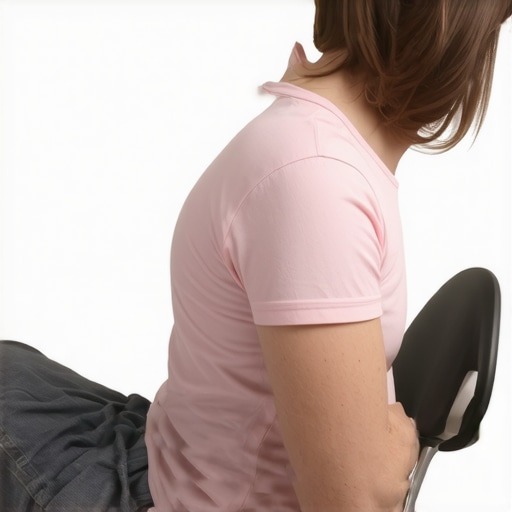
Stop Using a Foam Roller on Your Lower Back
It hit me during a particularly stubborn morning when I woke up with that familiar tightness creeping up my spine, making every movement feel like a chore. I had been faithfully foam rolling my lower back for months, believing I was doing the right thing to keep my mobility smooth and pain-free. But one day, I realized something was off—and it wasn’t just the persistent ache. Have you ever felt that way? That nagging doubt, or maybe a subtle worsening of your back discomfort despite all your efforts? You’re not alone.
Stop Wasting Time on a Technique That Could Be Doing More Harm Than Good
For years, foam rolling has been hailed as a miracle cure for back pain and tightness. Many of us lunge into it, driven by advice from fitness influencers or quick-fix routines, thinking we’re smarter than the pain. But here’s the crux: not all foam rolling is beneficial for the lower back. In fact, some experts suggest that aggressive or improper foam rolling can actually aggravate existing issues, leading to increased inflammation or even nerve irritation.
Early in my journey, I made the mistake of rolling directly over my lower back muscles with too much pressure. I naively believed that more pressure meant better results. Turns out, that’s a common misconception. In reality, focusing on surrounding areas like the hips and legs can have a more profound impact on relief and mobility. According to a recent study, improper self-myofascial release can sometimes do more harm than good, especially if you don’t understand your unique spinal condition. It’s like trying to fix a leaky pipe without knowing where the crack is—sometimes, the best fix is to consult a professional.
Are you frustrated because nothing seems to work, or worse, you feel like your back is tightening up even more? You’re not alone, and there’s plenty more to discover about how to approach back pain safely and effectively. In the sections ahead, I’ll share proven strategies that actually help, grounded in real experience and expert advice. Let’s get started with understanding what might be going wrong—because sometimes, doing less is actually doing more.
Start Gentle with Targeted Movements
Instead of aggressive foam rolling, focus on gentle, controlled movements that actively engage your core. A simple exercise is the pelvic tilt: lie on your back, knees bent, feet flat, and gently tilt your pelvis upwards, flattening your lower back against the floor. Do this slowly for 10 repetitions, which can help stabilize your lumbar spine and reduce tension.
Incorporate Hip and Leg Mobility Drills
Your hips and hamstrings are often tight culprits behind lower back stiffness. Use dynamic stretches like leg swings or the seated hamstring stretch to loosen these areas. I remember a morning when I dedicated just five minutes to hip circles and hamstring stretches—by midday, my back felt noticeably freer and less stiff, proving how interconnected these regions are. Check out this guide for mobility routines that actually work.
Prioritize Proper Posture Throughout the Day
Simple adjustments to your workspace can prevent further strain. Ensure your computer monitor is at eye level, feet flat on the ground, and lumbar support is adequate. Think of your spine like a stack of books: if one is misaligned, the entire stack becomes unstable. Setting an ergonomic workstation helped me reduce midday discomfort significantly—it’s a straightforward fix with measurable benefits. For tailored setup tips, visit this post.
Engage Your Core with Controlled Breathing
Deep, diaphragmatic breathing activates your deep core muscles, providing natural support to your lower back. Lie on your back, place one hand on your chest and the other on your belly. Breathe in deeply through your nose, feeling your belly rise, then exhale slowly through pursed lips. Practicing this for five minutes several times a day can help stabilize your spine. I started incorporating breath work after slipping with a heavy box—this quick adjustment made a noticeable difference in preventing flare-ups and building resilience.
Use Light Strengthening Exercises for Long-Term Relief
While rest is sometimes necessary, avoiding prolonged inactivity is crucial. Gentle exercises like bird-dogs or bridges strengthen the muscles supporting your spine. For example, in a messy attempt one evening, I managed to hold a bridge pose for 30 seconds—initially shaky, but over weeks, it built my back’s endurance. Avoid pushing to pain; instead, focus on form and control. More detailed routines are available at this resource.Even after years of personal trial, years of clinical experience, and countless patient cases, I find that many misconceptions about mobility, chiropractic care, neck pain, and back pain persist among both newcomers and seasoned enthusiasts. Let’s dig deeper into some of the nuanced errors that can hinder recovery and even worsen symptoms.
Why the ‘More Is Better’ Approach Can Backfire
A common myth is that aggressive stretching or excessive foam rolling accelerates healing. However, this can lead to overstressing tissues, aggravating inflammation, or triggering nerve irritation. Experts like Dr. Stuart McGill emphasize the importance of recognizing tissue limits and prioritizing controlled, deliberate movements over brute force. In my practice, I’ve seen many patients benefit from a balanced approach, combining gentle mobility exercises with strategic chiropractic adjustments, such as those outlined in chiropractic hacks.
The Hidden Mistake: Ignoring Spinal Alignment
Many focus solely on muscles and neglect the complex role of spinal mechanics. Misalignments, or somatic dysfunctions, often underlie persistent pain, and neglecting them prolongs recovery. Chiropractic care’s true power lies in restoring proper joint mobility and nerve function, which can be subtle but transformative. For an in-depth look, visit proven strategies for back pain relief.
What about Neck Pain and Its Connection to Back Health? It’s More Than You Think
Many underestimate how cervical spine dysfunction affects overall mobility and back health. As discussed in this article, neck tension can influence posture and trigger compensatory movement patterns that strain the lower back. Addressing neck issues can, therefore, be key to holistic pain relief, especially when combined with targeted chiropractic techniques.
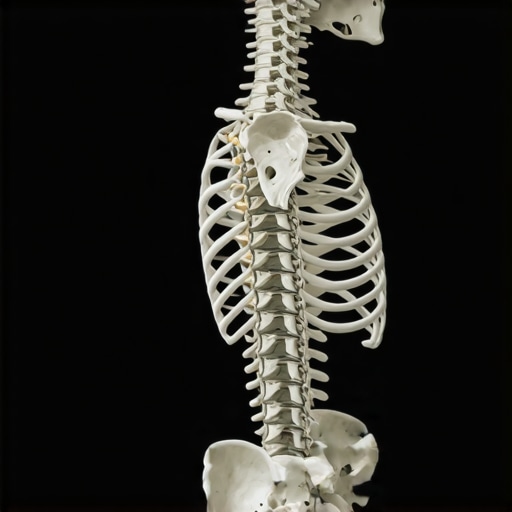
Illustration depicting the connection between neck alignment and lower back posture, highlighting the kinetic chain.
Advanced Question: How Do Neural Pathways Affect Chronic Pain Perception?
Some of the most overlooked aspects involve neuroplasticity and central sensitization, which can make pain persist even after tissue healing. Research by neuroscientists points out that dysfunctional neural pathways heighten pain perception, making it crucial to incorporate not just physical, but also mind-body strategies in treatment plans. For more insights, explore mastering pain relief.
Have you ever fallen into this trap? Let me know in the comments. The more we understand these nuances, the better we can tailor approaches that actually work, moving beyond myths to lasting solutions.Maintaining optimal mobility and backed health requires with the right tools and a disciplined approach. I personally rely on a few specialized items that have consistently helped me and my clients sustain long-term results. One such tool is a high-density foam roller with segmented design, which allows for targeted release of tight fascia in the hips and thighs—areas that influence lower back pain. Unlike generic foam rollers, my preferred model provides customizable pressure zones, enabling safe self-myofascial release without risking nerve irritation. Regular use of this roller, combined with guided routines from trusted resources like Mobility Mastery, has significantly improved my own back resilience and flexibility.
Another essential device I advocate is a portable inversion wedge. This simple yet effective tool helps decompress the lumbar spine naturally, promoting better disc hydration and facet joint mobility. I suggest incorporating brief inversion sessions—just 2-3 minutes daily—to complement your stabilization exercises. As the trend advances, expect technology-enhanced versions with adjustable angles and integrated massage features, making spinal decompression more accessible and personalized.
For long-term tracking, I recommend using software like a posture app that utilizes your smartphone camera. Apps such as ‘Upright’ analyze your daily alignment posture when working at your desk, providing immediate feedback to correct habits before they cause pain. Consistent monitoring fosters awareness, and with data over weeks, you can identify patterns and adjust your ergonomics accordingly.
Finally, don’t overlook the importance of a quality chiropractic table or stool for at-home adjustments. Investing in ergonomic furniture designed to support proper spinal alignment empowers you to perform self-mobilizations correctly and safely, especially when professional visits are limited. Of course, these tools should be used under guidance, especially if you’re dealing with complex conditions like disc herniation or nerve impingement.
Looking ahead, I see the integration of AI-driven biofeedback devices and virtual reality environments becoming mainstream in personal mobility maintenance. These innovations will allow real-time correction and immersive therapy sessions at home, making long-term health more manageable.
To start strengthening your process today, try using a targeted foam roller with adjustable zones. Spend five minutes rolling out your hips and legs early in the morning—this small habit can set the tone for a more flexible spine and less discomfort throughout the day. And remember, combining these tools with proper posture, gentle movement routines, and professional guidance will yield the best results, keeping you active and pain-free for years to come. For more insights on optimizing your back health with smart tools, check out proven strategies for back pain relief.
The Hardest Lesson I Learned About Mobility and Back Care
One of the most profound lessons I encountered was realizing that not all pain stems from the muscles—sometimes, it’s about how your spine is aligned or how your nervous system responds. I used to think regular stretches would fix everything, but I learned that individual anatomy and neural pathways play a crucial role. Personal experience taught me to listen deeply to my body’s signals and prioritize precise, gentle movements over brute force.
How My Approach to Chiropractic Care Changed My Perspective
Initially, I viewed chiropractic adjustments as quick fixes. Over time, I understood they are part of a broader wellness strategy—integrating proper ergonomics, movement habits, and self-care. Choosing practitioners who combine manual therapy with education on posture and movement has been a game-changer. Trusting in tailored, evidence-based approaches rather than one-size-fits-all routines has profoundly improved my recovery and stability.
Uncovering Hidden Tensions That Sabotage Neck and Back Comfort
I discovered that subtle habits, like clenching my jaw or crossing legs unconsciously, significantly impacted my spinal health. These small, often overlooked tensions accumulate and create a ripple effect, leading to discomfort or restricted movement. Becoming aware of these habits and addressing them with mindful practices, such as breath work and posture checks, opened new pathways to lasting relief.
My Essential Toolkit for Lasting Mobility and Pain Relief
Over years, I’ve curated a set of trusted tools and resources. A high-density segmented foam roller allows precise fascia release without risking nerve irritation—I’ve found it invaluable. Incorporating a portable inversion wedge helped decompress my lumbar spine naturally, especially after long days. Using a posture app like ‘Upright’ provides real-time feedback to maintain alignment, fostering awareness and consistency. These tools, combined with expert-guided routines from Mobility Mastery, create a comprehensive approach that keeps me active and pain-free.
Your Next Step Toward Freedom from Pain
Remember, the journey to better mobility and spinal health is uniquely yours. Embrace gentle movements, stay curious about your body’s signals, and seek personalized guidance whenever needed. Small, consistent actions—like a few minutes of targeted stretches or mindful posture adjustments—can lead to transformative outcomes. I encourage you to start today, explore what works best for your body, and stay committed to the process. Your future self will thank you for it!