3 Posture Mistakes Even Tall People Make at Their Desks
I remember the exact moment I realized I was sabotaging my own comfort without even noticing. It was after a long day of work, neck aching and shoulders stiff as boards. I caught a glimpse of myself in the mirror and thought, How did I let it get this bad? That realization hit me hard — I was making some common but sneaky posture mistakes, especially as a tall person trying to stay productive and comfortable at my desk. And I know I’m not alone.
Why Tall Folks Often Get Posture Wrong Without Even Realizing
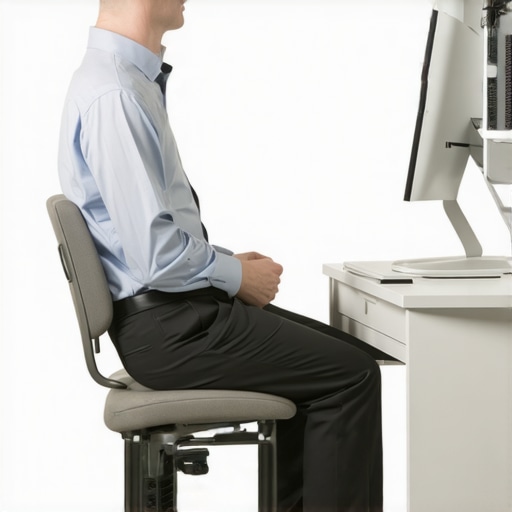
Many tall individuals—myself included—tend to think that our height gives us an advantage. But when it comes to sitting at a desk, those extra inches can turn into a hidden curse. You might be unknowingly straining your neck because your monitor is too low, or you’re hunching over to see your screen better. Over time, these small habits morph into chronic discomfort.
Skeptical? Here’s Why Posture Fixes Matter
Early in my journey, I dismissed posture tips as mere suggestions—until I suffered a persistent neck pain that refused to go away. The mistake I made? I wasn’t paying attention to how I was sitting, especially my head’s position relative to my shoulders. Interestingly, according to a study by the spinal health experts, poor posture is one of the leading contributors to chronic back and neck pain. Small adjustments, however, can make a huge difference in relief and prevention.
If you’ve ever felt that nagging discomfort creeping up after hours at your desk, you’re not alone. I’ve learned that recognizing these mistakes early can save you from years of pain and frustration. Ready to discover what might be going wrong and how to fix it? Let’s dive into the common posture pitfalls and the simple fixes that can transform your day-to-day comfort.
Are You Sitting Like This? The Common Mistakes
Next, we’ll explore the sneaky ways tall people—and anyone working long hours—compromise their posture without realizing it. The good news? These mistakes are easy to correct once you know what to look out for. So, stay tuned; your back will thank you!
Adjust Your Screen Height
Begin by ensuring your monitor is at eye level, so you’re not tilting your head up or down. Use a stand or stack books until the screen aligns with your gaze. I once spent an afternoon adjusting my setup and felt immediate relief, reducing neck strain caused by looking down for hours. Learn how to optimize your monitor setup to prevent recurring discomfort.
Strengthen Your Core for Better Support
Incorporate Daily Core Exercises
Engage in simple yet effective core drills like planks or dead bugs. These exercises act like a strong pillar holding up a building; they help maintain spinal alignment and prevent slouching. Once, I integrated a 2-minute plank routine every morning, which noticeably improved my posture and cut down neck stiffness. Check mobility strategies for more exercises.
Focus on Glute Activation
Weak glutes often cause your pelvis to tilt forward, leading to lower back and neck strain. Practice hip hinge movements, like bridges, to activate these muscles. I recall doing a set before bed and feeling a significant reduction in lower back tightness the next day.
Improve Sitting Habits
Sit back fully into your chair, ensuring your lower back is supported. Use lumbar pillows if necessary. Avoid crossing your legs for extended periods, as it can misalign your hips. I once caught myself crossing legs during a call, which caused discomfort; correcting this, I experienced more even weight distribution and less back fatigue.
Optimize Your Posture Throughout the Day
Take short breaks every 30 minutes to stand, stretch, or walk. Simple stretches like shoulder rolls, neck tilts, or thoracic twists can loosen tight muscles. Remember, static positions are the enemy of spinal health. During a particularly long workday, I set a timer to remind me to move, which prevented stiffness and improved circulation.
Integrate Breathing Techniques
Deep diaphragmatic breathing supports spinal alignment by relaxing tense muscles. Practice inhaling deeply through your nose, expanding your belly, then slowly exhaling. I found that combining breathing exercises with posture adjustments reduced overall tension and enhanced focus. For in-depth breathing methods, visit deep breathing for back relief.
Leverage Chiropractic Care
Regular chiropractic adjustments help realign your spine and reinforce correction efforts. Think of it like tuning a guitar — consistent tweaks keep your posture in harmony. After a few sessions, I noticed A significant decrease in neck and shoulder pain, proving the importance of professional support in this journey. Find more on chiropractic solutions that work.
By systematically integrating these steps into your routine, you’ll build a resilient posture foundation. Remember, consistency beats quick fixes; each small correction adds up to lasting relief. Your back and neck will thank you for making these adjustments a daily habit.

While most people think that chiropractic care is just about cracking joints to relieve pain, the reality is far more nuanced. A common misconception is that if pain subsides after an adjustment, the problem is permanently solved. However, experienced chiropractors understand that back and neck pain often involve complex, interconnected issues that require addressing underlying patterns rather than just symptoms. For instance, many individuals believe that stretching alone can resolve tight muscles, but this can sometimes be an oversimplification; the root cause might be postural habits or neural tension that stretching can’t fix alone. It’s crucial to recognize that excessive focus on quick fixes can lead to persistent problems.
Another trap many fall into is assuming that pain is always directly linked to structural damage observable on scans. Actually, research shows that imaging findings often don’t correlate with pain levels and may be misleading. A study published in the Journal of Manipulative and Physiological Therapeutics highlights that many asymptomatic individuals exhibit disc bulges or spinal degeneration, yet experience no discomfort. Relying solely on imaging can lead to unnecessary procedures or neglect of functional approaches that target movement patterns and neural health.
Now, let’s address a question that often challenges even advanced practitioners:
Why does restoring joint mobility sometimes not eliminate chronic pain, and what should be prioritized instead?
Great question. Restoring joint mobility is essential, but if underlying neural tension or muscular imbalances are ignored, pain can persist despite seemingly correct joint mechanics. The key lies in a holistic approach that combines spinal adjustments with soft tissue work, movement re-education, and lifestyle modifications. For example, improving neck mobility without addressing proprioception deficits or muscle control may only provide temporary relief. Experts suggest that integrating neurodynamics and functional movement strategies enhances long-term outcomes. For in-depth insights, check out the article on mastering back and neck pain relief.
It’s these subtle but critical distinctions that separate good recovery from ongoing discomfort. Remember, pain is often the symptom of a complex system imbalance—treating the system, not just the symptom, is what leads to lasting health. Have you ever fallen into this trap? Let me know in the comments.
To deepen your understanding, exploring how neural dynamics influence back pain can be eye-opening. The link between neck tension and spinal health is intricate, and addressing it holistically can transform your experience. Read more at unlock neck pain relief tips.
Maintaining optimal back and neck health over time requires a combination of effective tools, consistent routines, and a proactive mindset. One of my favorite approaches is integrating specific equipment like ergonomic standing desks, adjustable monitor stands, and supportive seating, tailored to my unique body mechanics. For example, I personally use a height-adjustable desk that allows me to switch between sitting and standing throughout the day, which research shows can significantly reduce postural strain. Pairing this with a lumbar support pillow ensures my lower back maintains its natural curve, preventing long-term deterioration.
Beyond physical tools, software solutions like posture reminders or ergonomic apps help me stay conscious of my alignment. I set gentle reminders every 30 minutes to adjust my posture or take a quick stretch, as recommended in mobility guides. Such consistency is crucial, especially as routines evolve or workload increases.
Long-term results depend on building habits that reinforce spinal health. Regular chiropractic care plays a vital role in this, especially when combined with targeted exercises. Proven strategies, like core strengthening and neural mobilization techniques, create a resilient foundation that minimizes the risk of chronic discomfort. For instance, incorporating neurodynamics into my routine, as explained in detailed guides, helps maintain the mobility of neural tissues and prevents nerve impingements.
Looking ahead, advancements in biofeedback devices—wearable tech that monitors muscle tension and movement—are promising for personalized health maintenance. These innovations are likely to make proactive spinal care more precise and accessible in the future.
**How do I keep my back and neck functioning optimally over time?** The key is a holistic approach: combining ergonomic equipment, regular soft tissue work, movement patterns, and smart tech solutions. Personal experimentation with tools like adjustable desks, combined with expert-guided exercises, ensures sustained progress.
If you haven’t yet, try integrating a neural mobilization technique, such as the nerve glide drills, into your daily routine. They’re simple but powerful in maintaining nerve health and preventing stiffness, especially if you spend a lot of time at a desk. For comprehensive guidance on these methods, check out how to revitalize your mobility. Remember, consistency is your best ally in keeping pain at bay and ensuring your spine remains healthy for years to come.
Throughout my journey with posture and spinal health, I discovered that the most profound insights came from my own missteps and realizations, rather than the textbooks. One of the hardest lessons I learned was how little small habits matter—until they accumulate into chronic discomfort. I used to dismiss minor slouching or neglecting ergonomic adjustments, thinking they were insignificant. Now I realize those tiny choices shaped my entire well-being, revealing that “big” pain often hides in everyday neglect.
Another revelation was the importance of integrating a holistic approach—combining manual care, movement, and lifestyle tweaks. Relying solely on adjustments or stretches without addressing neural tension and movement patterns was like patching leaks on a sinking ship. It’s the interconnectedness of these elements that truly safeguards long-term spinal health, a lesson I wish I’d mastered earlier.
Lastly, I learned that patience and consistency surpass quick fixes. Restoring natural function isn’t about instant relief but about committed daily routines that honor your unique body mechanics. Embracing this mindset transformed my relationship with my back and neck, turning frustration into empowerment. If you’re on a journey to tangible relief, remember: the depth of your understanding today can craft a healthier tomorrow.
My Essential Toolkit for Lasting Posture Success
Over the years, I’ve curated a set of resources that genuinely changed my perspective on back and neck health. Mastering pain relief tips from experts provided me with practical, science-backed strategies that I still rely on daily. My trusted books, like “The Body Keeps the Score,” deepened my understanding of neuroplasticity and how emotional health influences physical pain. I’ve also found the essential chiropractic tips for neck relief invaluable for ongoing maintenance. These tools empower me to take control, and I encourage you to explore them—your back and neck will thank you.
Your Next Step Toward Freedom from Pain
Remember, progress in spinal health is a deeply personal journey. It’s about making mindful choices, staying curious, and embracing small habits that lead to lasting change. Every effort you make today builds resilience for tomorrow. Don’t let frustration stall your path—each step forward is a victory. I challenge you to take that first or next step today, whether it’s adjusting your monitor, adding a simple core exercise, or scheduling a consult with a professional. Your future self will thank you for prioritizing your back and neck health now.
What small change will you commit to this week that could significantly improve your posture or reduce discomfort? Share your thoughts below—I’d love to hear your plan!