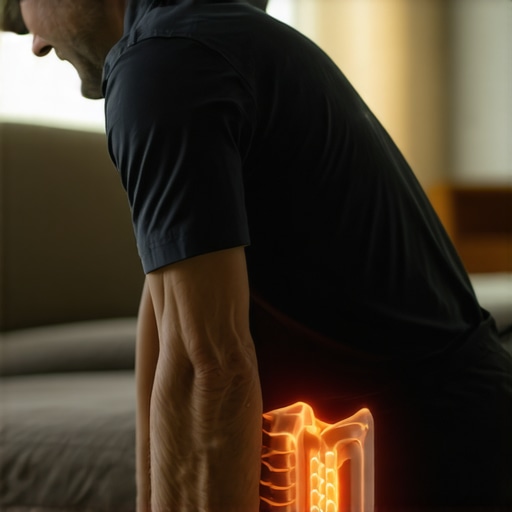
The 3-Minute Hip Drill That Stops Lower Back Aches Before Bed
Have you ever woken up in the middle of the night, clutching your lower back, wondering why every morning feels like a struggle? I used to think back pain was just part of getting older — a natural consequence of a busy life and poor posture. But then, after countless restless nights, I had a lightbulb moment that changed everything. Turns out, a simple, three-minute routine before bed could be the game-changer I’d been desperately searching for.
Why Your Lower Back Keeps Waking You Up and What You Can Do About It
Sleep should be a restorative process, not a tormenting cycle of discomfort. The truth is, many of us unconsciously develop habits and muscle tightness that make our lower backs unhappy while we sleep. Factors like prolonged sitting, improper sleeping positions, and neglecting hip mobility can all contribute to waking up stiff, sore, or in pain. Interestingly, research shows that hip mobility plays a crucial role in alleviating back pain — because the hips and lower back are connected in a dance more intimate than most realize. I learned this the hard way early in my journey, making a crucial mistake I see others repeat: I ignored my hips entirely, focusing solely on my back. That oversight only prolonged my suffering.
Is a Quick Routine Really the Solution? Don’t Skepticize Just Yet
I get it — with busy schedules, it seems too good to be true that a few minutes could make such a difference. I was skeptical too at first. But one thing I know for certain: small, consistent movements can unlock stiff joints and tight muscles faster than you might think. The trick is learning the right techniques and doing them regularly. This isn’t about some magic cure; it’s about smart, targeted action that addresses the root of the problem. And if you’re tired of waking up with that dull ache or sharp twinge, then this routine is worth trying. To get started, let’s explore the simple, effective drill I discovered that has transformed my nights and could help you reclaim restful sleep, too. If you’re curious about how your current habits might be sabotaging your recovery, check out our comprehensive guide on [effective neck pain management](https://quackersspinal.com/effective-neck-pain-management-a-step-by-step-guide). Now, roll out your mat or find a comfy spot — because relief is closer than you think.
Start with Gentle Hip Openers
Imagine your hips as the gatekeepers to your lower back. Tight hips often pull on your spine, causing discomfort. To free these critical connectors, lie on your back and cross your right ankle over your left knee, then gently pull your left thigh toward your chest. Hold for 30 seconds, feeling the stretch in your hip and lower back. Repeat on the other side. This move loosens tight muscles, reducing strain and preventing morning stiffness. I remember the first time I added this to my nightly routine; initially, I looked more like a fish flopping than a graceful stretcher, but over days, my mornings improved significantly.
Target Precision with the Pelvic Reset
Your pelvis is the foundation of your spine, and misalignments here send shockwaves up your chain. A precise pelvic tilt can be the quick fix your back needs. Lie on your back with knees bent, feet flat on the floor. Gently flatten your lower back against the ground by tilting your pelvis upward, engaging your core. Hold for 5 seconds, relax, and repeat 10 times. This tiny movement helps realign your pelvis, promoting better posture during sleep. I personally like to visualize my pelvis as a bucket, tilting to settle evenly, which helps me consciously correct my alignment and avoid waking up sore.
Finish with Deep Breathing and Spinal Mobilization
Stress tightens muscles, exacerbating back pain; calming your nervous system is crucial. Sit comfortably, take a deep breath in through your nose, filling your lungs and expanding your belly. Exhale slowly through your mouth, relaxing all your muscles. Follow with gentle spinal rotations: while seated, slowly turn your torso to the right, hold for 10 seconds, then to the left. This mobilizes your spine, promoting flexibility and releasing tension accumulated during the day. I recall a night I skipped this step, waking stiff; afterward, I committed to this routine, and my mornings became less painful. For detailed techniques, check out our expert methods for back pain relief.
Consistently applying these small, targeted steps transforms your nightly routine into a powerful tool against back pain. When combined, they create a synergy that eases the pressure on your lumbar spine and encourages restful sleep. Remember, your body responds best to gentle, sustained efforts rather than aggressive approaches. Over time, these movements will build resilience, improve mobility, and keep your back healthy, so you wake up ready to face the day—without the morning ache. If you’re curious about further strategies, visiting proven mobility strategies can supplement your routine. Incorporate these steps tonight, and your back will thank you tomorrow morning.Many assume that lasting relief from neck and back pain simply hinges on quick fixes or generic advice, but in my experience, this mindset often leads us astray. A prevalent misconception is that all pain stems from structural issues demanding invasive treatments or constant adjustments. While chiropractic care can be highly effective, relying solely on manipulations without addressing underlying habits can be a trap. It’s essential to understand that mobility and pain are often the result of complex, interconnected factors, including muscle imbalances, postural habits, and nervous system regulation. For example, some people believe that cracking their neck frequently is harmless, yet studies highlight that excessive or improper self-manipulation can cause ligament damage or nerve irritation, as discussed in our expert guide on neck cracking risks.
Furthermore, many fall into the trap of thinking that stretching alone will resolve all mobility issues. The truth is, without understanding the specific muscles or joints involved, stretching can sometimes exacerbate problems, especially if tightness is a compensation for weakness elsewhere. This nuance is often overlooked, leading to delayed recovery. Advanced practitioners emphasize the importance of targeted strengthening combined with mobility work, as outlined in proven strategies for back health.
What about myths surrounding chiropractic adjustments? A common misconception is that adjustments should produce immediate ‘cracking’ sounds and that feeling something crack indicates a cure. However, research shows that the therapeutic benefit often comes from neuromuscular reeducation, not just the audible release. Effective treatment requires a comprehensive approach, including movement training, ergonomics, and addressing emotional stressors that influence muscle tension. The secrets to full mobility after injury reveal how these elements intertwine.
**Are You Falling for These Common Myths?** Often, pain management is complicated by these oversimplifications. Recognizing the nuanced reality can prevent costly delays and set you on a genuine path to healing. For conscious movement and lasting relief, it’s crucial to avoid these misconceptions and seek personalized solutions. Want to explore deeper insights? Our expert insights on pain solutions can guide your next steps. Have you ever fallen into this trap? Let me know in the comments.
Maintaining ongoing mobility and pain relief requires more than just a routine; it demands the right tools tailored to your needs. Over the years, I’ve refined my arsenal of equipment and methods that help keep my back and neck functioning optimally, especially after chiropractic sessions or during day-to-day activities. Here’s a deep dive into what I personally rely on and why these tools make a difference.
High-Quality Foam Rollers with Targeted Density
While I used to dismiss foam rollers as just basic recovery gear, I now swear by a dense, high-quality foam roller like the TriggerPoint GRID Foam Roller. Its firm surface allows me to perform my own myofascial release, breaking up tissue adhesions that contribute to stiffness. I particularly focus on the thoracic area to enhance spinal mobility, which can be compromised by prolonged sitting. Regular self-myofascial work with this roller has noticeably improved my posture and reduced tensions that often lead to neck pain. For detailed techniques, I reference the insights shared in our expert methods for back pain relief.
Adjustable Lumbar Support Cushions
Living and working in an ergonomically optimized environment is crucial. I use a memory foam lumbar support pillow, like the Everlasting Comfort Memory Foam Back Pillow, which effortlessly attaches to my office chair. It maintains proper lumbar curvature during long work hours, preventing disastrous postural habits that lead to back pain. This simple addition acts as a long-term investment toward spinal health, especially if your desk setup isn’t perfect. Regularly reviewing and adjusting your workspace, guided by ergonomic principles discussed in our article on lumbar support, is part of my maintenance routine.
Mobile Apps for Guided Mobility and Breathing Exercises
Technology offers incredible support. I incorporate apps like PelvicBand for pelvic alignment cues and Headspace for guided relaxation and breathing, which helps reduce overall muscle tension. These apps provide reminders and step-by-step routines that reinforce good habits. For example, a 10-minute breathing session can significantly calm an agitated nervous system, decreasing the likelihood of muscular tightness that aggravates back and neck issues. This approach aligns perfectly with the insights from our expert methods for discomfort relief.
Progressive Resistance Bands for Strength and Stability
While mobility is key, strength underpins long-term health. I utilize lightweight resistance bands, such as those from TheraBand, to perform targeted shoulder and core stabilization exercises. Building strength prevents compensatory movements that cause pain, especially in the neck and upper back. I often perform a routine of shoulder blade squeezes and thoracic rotations with these bands, which I find especially effective after a chiropractic adjustment. Research from the mobility strategies guide underscores the importance of strengthening for durable relief.
Look Ahead: The Future of Maintenance Tools
Predicting where this trend is headed, wearable tech like smart posture trackers and biofeedback devices will become standard. Devices such as the UPRight Go can monitor your posture in real-time, alerting you when you’re slouching and helping build automatic habits for spinal health. As science progresses, integration of AI-driven personalized routines, based on your movement patterns, will probably revolutionize how we sustain long-term mobility and pain management.
How do I keep these tools working effectively over time?
Consistency is the secret. Regularly schedule these routines, replace equipment as needed, and stay informed about new developments. Review your ergonomics annually, and consider consulting a professional if discomfort persists despite your efforts. For complex or persistent issues, reaching out to a chiropractor can provide personalized insights. You might want to start with an advanced tip — like integrating deep diaphragmatic breathing with myofascial release techniques — to amplify results. Feel free to reach out for expert guidance if you’re unsure where to begin, and keep your tools and habits aligned with your evolving needs.
The Hardest Lessons I Learned About Back and Neck Pain
- Recognizing that not all pain is structural was a game-changer; sometimes, habits and posture are the root causes.
- Over-reliance on quick fixes like popping or cracking can mask underlying issues and delay real healing.
- Consistent, personalized mobility routines trump sporadic treatments—your body needs ongoing attention.
- Understanding the interconnectedness of hips, pelvis, and spine prevented wasted efforts on isolated stretches.
- Listening to my body’s signals, rather than ignoring discomfort, led to more sustainable relief and prevention.
My Personal Arsenal for Lasting Mobility and Back Health
- TriggerPoint GRID Foam Roller: Trusted for its firm surface to effectively release tissue adhesions—crucial for spinal mobility.
- Everlasting Comfort Lumbar Support Pillow: Keeps my posture aligned during long work hours, preventing chronic strain.
- PelvicBand App: Guided routines that reinforce pelvic stability—cornerstone for back health.
- Resistance Bands from TheraBand: Strengthening weak muscles in shoulders and core, essential for long-term relief.
Ignite Your Journey Toward Pain-Free Living
Embarking on your back and neck health journey is a commitment that rewards you with freedom from discomfort and renewed vitality. Remember, small consistent actions—like integrating targeted mobility routines—can transform your nights and days. You’re capable of reclaiming your well-being, one mindful movement at a time. Feel inspired? Share your progress or questions below, and let’s support each other in creating lasting change.
Have you ever struggled with finding a routine that truly eased your back or neck pain? Let me know in the comments below!
,