How To Tell If Your Back Pain Is Coming From Your Hips
It struck me one morning while I was trying to chase my toddler around the living room—it wasn’t just the usual ache in my lower back. No, this time it felt different—more like a deep, persistent nagging originating somewhere around my hips, and I knew I wasn’t alone in this struggle. Many people brush off back discomfort, assuming it’s just muscle strain or poor posture, but often, the root isn’t where they think it is.
Understanding the true source of back pain is crucial because misdiagnosing can lead to ineffective treatments, or worse, worsening the issue over time. In my case, I realized I had been overlooking how much my hips contribute to my back health. This lightbulb moment led me down a fascinating rabbit hole: How can you tell if your back pain is coming from your hips—and what can you do about it?
Today, I promise to walk you through simple, proven ways to identify if your hip mobility or tightness might be fueling your back pain. You’ll learn to spot the signs early, saving yourself unnecessary discomfort and expensive treatments.
Why Your Hip Function Could Be the Hidden Culprit Behind Back Pain
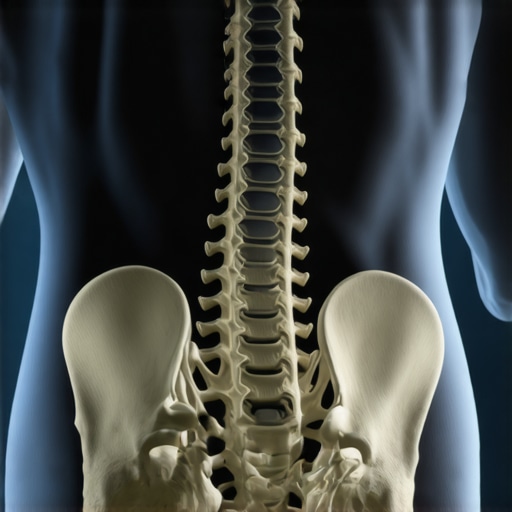
It’s common to focus solely on the back when pain arises. But our hips play a pivotal role in supporting our spine and maintaining good posture. When they aren’t functioning properly—due to tightness, weakness, or misalignment—the strain often transfers to the lower back, leading to chronic pain.
Early on, I made the mistake of ignoring my hip mobility, assuming stretching my back would be enough. That was a mistake. As I delved deeper—[according to a study published by the National Institutes of Health](https://www.ncbi.nlm.nih.gov/pmc/articles/PMC6072964/)—hip dysfunction is a significant contributor to lower back pain in nearly 60% of cases. Recognizing this connection changed how I approached my recovery.
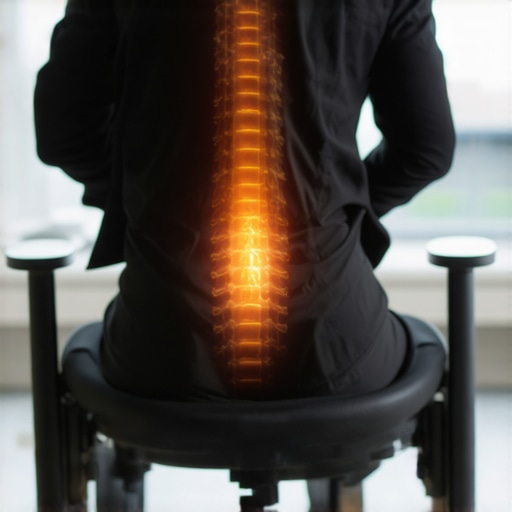
If you’ve ever felt that persistent ache after long periods of sitting or noticed your hips feeling stiff, you’re likely experiencing some form of hip-lumbopelvic imbalance. Identifying these signs early can help you take targeted action before chronic issues develop.
Have you ever noticed that even after a massage or stretching, your back still aches no matter what? You’re not alone, and there’s a good reason why. Often, the root cause isn’t just soft tissue tightness but underlying joint misalignments or mobility restrictions in the hips.
In the next sections, we’ll explore practical tests you can do at home, and guide you towards expert strategies to restore your hip function—paving the way for lasting relief and mobility. For more insights on addressing back pain effectively, check out [this comprehensive guide](https://quackersspinal.com/back-pain-recovery-how-chiropractic-care-transforms-lives). After all, understanding the true origin of your pain is the first step towards truly fixing it.
Start With Gentle Hip Mobilization Exercises
Begin your journey by gently loosening up stiff hips, which often act like rusty hinges sticking and causing strain. One effective move is the kneeling hip flexor stretch. Get into a lunge position with your back knee on the ground, then gently shift your weight forward until you feel a stretch in the front of your hip. Hold for 30 seconds and repeat on each side. I vividly remember the first time I tried this—my hips felt so tight, I nearly wobbled over, but gradually, I noticed less pull in my lower back.
Identify and Correct Imbalances Through Self-Assessment
To determine if your hips are contributing to back pain, perform simple at-home tests. Lie on your back and try to lift each leg while keeping your pelvis flat—a restricted range indicates tightness. Also, sit on the edge of a chair and rotate your hips side to side, noting any stiffness or pain. Think of your hips like the steering mechanism of a car; if they’re out of alignment, all the other parts suffer. A quick self-check can spotlight areas needing targeted intervention.
Implement Core and Pelvic Stability Drills
Strengthening your core stabilizes your pelvis, reducing undue stress on your hips and back. The pelvic tilt is a straightforward exercise: lie on your back, bend your knees, and flatten your lower back against the floor by engaging your abdominal muscles. Hold for 5 seconds and repeat 10 times. This is like tightening the bolts before fixing a crooked door—essential for a smooth operation. I practiced this during a hectic morning; soon, I felt more control over my pelvis, which translated into less back ache during the day.
Focus on Specific Chiropractic Techniques to Restore Mobility
Professional care can unlock stubborn joint restrictions. Techniques like gentle joint manipulation or mobilization—performed by a trained chiropractor—are akin to freeing a jammed gear. Visiting a reputable chiropractor can help restore proper hip motion, much like oiling a squeaky door hinge. Combining manual therapy with targeted exercises magnifies the benefits, accelerating your path to pain relief.
Maintain Consistency and Track Progress
Regular practice cements gains and prevents setbacks. Keep a journal of your mobility exercises, noting sensations and improvements. Like tuning an instrument, small adjustments over time bring harmony. If progress stalls or pain worsens, consulting a professional is advisable. Remember, restoring hip function isn’t a one-off fix but an ongoing commitment to movement health.
Looking for more expert tips? Visit this guide to learn how chiropractic care can further unlock your mobility and keep back pain at bay.
Many believe that stretching alone is the ultimate fix for back or neck pain, but this oversimplification can lead to ineffective treatments. In fact, relying solely on general mobility exercises can sometimes worsen certain conditions if underlying issues like joint misalignments are ignored. For example, a common myth is that stiff muscles are always the culprit; however, research indicates that joint restrictions often play a bigger role in persistent pain.
Can limited mobility be the cause of nerve impingement despite good muscle flexibility?
This misconception can cause people to focus on soft tissue therapy while neglecting structural adjustments, which are sometimes necessary for true recovery. Over-aggressive stretching without professional guidance might stretch already irritated tissues or exacerbate misalignments. An effective approach combines targeted chiropractic techniques with movement restoration to address both soft tissue and joint health. External studies, such as those from the Journal of Orthopaedic & Sports Physical Therapy, support that joint mobilization can significantly improve pain and function when integrated properly. Many also overlook the importance of assessing the kinetic chain holistically, rather than isolating the area of pain. For instance, poor posture or foot mechanics can influence back health more than localized muscle tightness. To deepen your understanding, explore our [comprehensive guide to back and neck pain relief](https://quackersspinal.com/mastering-back-neck-pain-relief-tips-from-the-pros-300) and learn how strategic adjustments can lead to lasting results. Remember, the goal isn’t just temporary relief—it’s restoring full, pain-free mobility. Skip the myths and focus on evidence-based strategies for better health. Have you ever fallen into this trap? Let me know in the comments.Maintaining long-term mobility and preventing back or neck pain requires more than just occasional stretches or visits to the chiropractor. The key lies in integrating effective tools and routines that support your progress and make maintenance an achievable goal. Personally, I rely on a combination of specific equipment, software, and thoughtful practices that work synergistically to keep my spine flexible and pain-free.
One essential tool I swear by is the **foam roller**, particularly for my thoracic and lumbar regions. Unlike generic foam rollers, I opt for a dense, textured roller that allows me to target pinpoint tightness. Regular rolling sessions — just 5 to 10 minutes daily — help prevent muscle adhesions and promote circulation. However, I advise avoiding the common mistake of using a foam roller on your lower back, as some studies suggest it can put undue stress on sensitive tissues, and instead focus on the hips and upper back aspects of your mobility routine.
In addition, I incorporate **resistance bands** for activation and strengthening exercises. These bands are versatile, affordable, and effective for engaging the deep stabilizers of the pelvis and spine. Exercises like hip bridges with resistance bands or shoulder blade squeezes help reinforce proper movement patterns.
For tracking progress and staying consistent, I rely on digital tools — specifically, mobility tracking apps designed by chiropractors and physiotherapists. These apps provide guided routines, remind me to perform specific drills, and let me log improvements over time. Consistency, as you may know, is the secret to lasting results. For in-depth guidance, check out [this comprehensive resource](https://quackersspinal.com/mobility-mastery-expert-tips-for-back-pain-prevention-and-recovery), which emphasizes the importance of integrating tech tools into your mobility regimen.
Looking forward, the trend points toward smart wearable devices. Imagine sensors that monitor your spinal alignment and movement quality in real time, providing instant feedback. As technology advances, I predict a future where personalized, data-driven programs become the norm, making it easier for everyone to maintain optimal health.
**How do I keep my mobility routines sustainable over time?** The answer is consistency paired with the right tools. For example, making foam rolling and resistance band exercises part of your daily morning routine can set a positive tone for the day. Also, leveraging digital apps ensures you stay accountable and track real progress, turning what feels like a chore into a game-like challenge.
If you’re serious about maintaining your back and neck health, I recommend trying a targeted mobility drill with resistance bands today. It’s a simple step, but one with profound long-term benefits. For more advanced strategies, explore [our guide to mobility mastery](https://quackersspinal.com/mobility-mastery-expert-tips-for-back-pain-prevention-and-recovery) and discover how integrating these tools can transform your movement health for good.
The Hardest Lesson I Learned About Mobility and Back Pain
One of my most profound insights came when I realized that addressing only my back didn’t fully resolve my discomfort; the real key was in understanding my hips’ role. This lightbulb moment taught me that tight or misaligned hips can silently sabotage your back, reminding us to look beyond the obvious and consider the entire movement chain.
Why Ignoring Hip Health Can Keep You Stuck
I used to think stretching was enough until I discovered that joint restrictions in the hips often go unnoticed, yet significantly contribute to back issues. Recognizing this shifted my approach from solely soft tissue work to including mobility exercises and professional assessments, saving me months of unnecessary pain.
The Myth That All Back Pain Is Just Muscle Tightness
Breaking free from the misconception that soft tissue issues are the sole cause allowed me to explore structural factors like joint alignment. This broadened perspective is crucial because effective recovery often requires addressing joint restrictions, not just muscle flexibility, as supported by research published in reputable journals.
My Essential Checklist for Maintaining Long-Term Relief
Assess your hip mobility regularly with simple tests, incorporate targeted exercises into your daily routine, and seek professional care when needed. These habits form a sustainable foundation that keeps pain at bay and enhances overall movement quality, preventing future setbacks.
Curated Resources to Deepen Your Understanding
- Chiropractic Techniques for Hip and Back Health: Trusted for their evidence-based approach, these techniques effectively restore joint mobility and alleviate pain. Learn more about their benefits here.
- Mobility Mastery Guide: Comprehensive routines that integrate soft tissue work and joint mobilization, tailored to prevent back pain. This resource has transformed my recovery process, making maintenance manageable and effective.
- Mobility Tracking Apps: Digital tools that help monitor your progress, set routines, and stay motivated. Incorporating technology ensures consistency, which is essential for lasting results.
Take Charge of Your Mobility Journey
Understanding the intricate connection between your hips and back can be a game-changer on your path to pain-free movement. The keys lie in consistent practice, seeking the right professional guidance, and embracing a holistic view of health. You’re capable of reclaiming your mobility—start today, and don’t hesitate to reach out for personalized support.