Why Your High Heels Are The Root Of Your Back Issues
Ever had that moment when you’re about to step out the door, slip into your favorite pair of high heels, and suddenly feel a dull ache creeping up your back? Maybe you brush it off as nothing, but by the end of the day, that discomfort turns into a persistent throb that just won’t quit. I used to think it was normal—that a certain level of soreness was just part of dressing stylishly. But then I realized something was seriously off, and my high heels might be the root cause of my back issues.
Why Those Chic Stilettos Are Sabotaging Your Spine
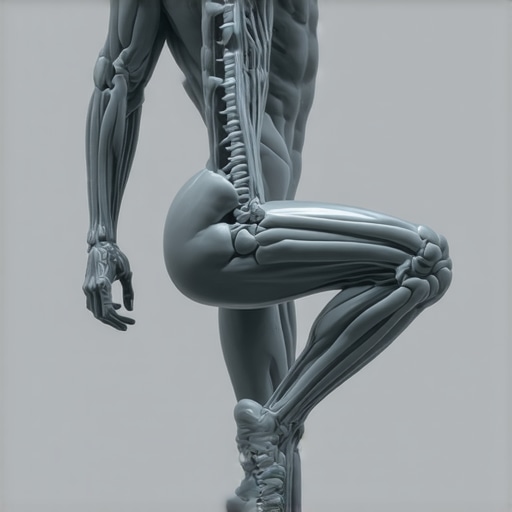
The truth is, high heels do more than just make you look fabulous—they compromise your body’s natural alignment. When you wear heels, your spine is forced into an unnatural curve, which can lead to muscle strain, joint misalignment, and even disc issues over time. I learned this the hard way after experiencing constant lower back pain that no stretching or painkillers seemed to fix. Early in my journey, I made the mistake of ignoring the connection between my footwear and my discomfort, assuming it was just a temporary annoyance.
Is It Really Worth Ditching Heels for Comfort?
Many skeptics scoff at the idea that shoes could impact spinal health—after all, fashion over function, right? But the data speaks for itself. Studies show that wearing high heels shifts your center of gravity and puts extra pressure on certain parts of your spine, increasing the risk of chronic pain. If you’ve been wondering whether your footwear choices are sabotaging your back, you’re not alone. And trust me, I didn’t believe it at first either. That is, until I started paying attention to how my body responded when I swapped heels for flats.
If you’ve faced similar frustrations, you’re probably curious about how to regain mobility and relieve that pain without giving up style entirely. Well, I’m here to tell you that there’s a way to enjoy fashion without sacrificing your spine’s health. In the next sections, we’ll explore simple yet effective strategies to address and prevent back issues related to high heels—so stay tuned.
Ready to take control of your back health? Let’s dive into easy adjustments and techniques that can make a real difference. And if you’re skeptical, remember that even experts agree that footwear choices play a vital role in spinal wellness—some insights can be found here.
Depending on your style and daily needs, you’ll learn how to protect your back and keep moving comfortably. So, let’s get started and say goodbye to that nagging pain once and for all.
Start with Proper Footwear Selection
Choose shoes with a lower heel, wider base, and good arch support. I once tried a sleek pair of stilettos for a night out, but my back paid the price the next day. Switching to block heels or flats helped me maintain better alignment and reduced strain on my spine.
Incorporate Daily Mobility Exercises
Engage in targeted mobility routines that improve your spine’s flexibility. For example, performing gentle thoracic rotations can be likened to unlocking a stiff hinge, allowing your upper back to move freely. I started doing 2-minute thoracic twists every morning, and I noticed a significant decrease in stiffness and discomfort.
Practice the Wall Test to Assess Mobility
Stand against a wall with your heels a few inches away, and try to flatten your lower back without arching your neck or hips. This simple test helps identify mobility restrictions. I used this before and after my stretching routine, witnessing firsthand how increased mobility translated into less back pain while in heels.
Enhance Spinal Support During Long Days
Use ergonomic aids like lumbar cushions in your chair or consider a posture corrector when standing for extended periods. I placed a small pillow behind my lower back at work, which served as a reminder to keep my lumbar curve intact, preventing slouching that exacerbates back strain.
Strengthen Core Muscles Consistently
A strong core is your backbone’s best friend. Like a sturdy foundation supports a building, your abdominal and back muscles stabilize your spine. I incorporated plank variations and pelvic tilts into my routine, which felt awkward initially but paid dividends in long-term support.
Schedule Regular Chiropractic Check-ups
Professional adjustments help maintain optimal spinal alignment. I booked monthly visits with my chiropractor, who used precise techniques to unlock tight areas. This proactive approach kept my spine flexible and resilient against the stresses of wearing heels.
Apply Ice or Heat When Needed
If you feel soreness after a day in heels, alternating ice and heat can reduce inflammation and promote circulation. I experimented with a cold pack after an especially long day, noticing quicker relief and less lingering pain.
Limit Wearing High Heels to Special Occasions
Giving your back regular breaks from elevated heels allows recovery. I set a rule for myself: no heels on weekdays. This simple change led to noticeable improvements in my overall back health.
Be Mindful of Posture During Daily Activities
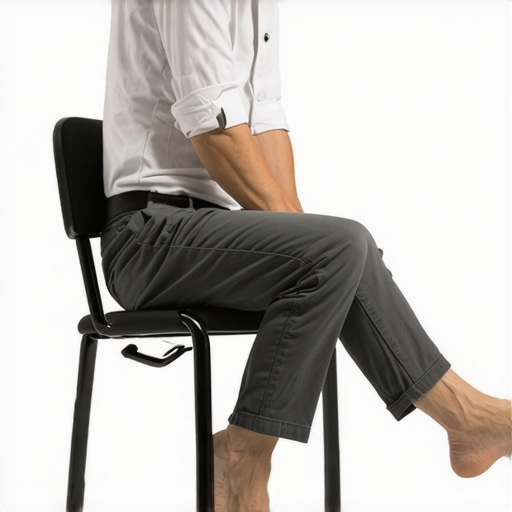
Maintain awareness when sitting, standing, or walking. Imagine a string pulling your head upward while you keep your shoulders relaxed. I caught myself slouching at my desk and corrected my posture, which prevented the buildup of tension and pain.
Integrate Breathing Exercises to Reduce Tension
Deep diaphragmatic breathing relaxes tight muscles and calms the nervous system. I practiced slow inhales and exhales while lying down, which eased my back tension and improved my overall posture awareness.
Seek Professional Advice for Persistent Issues
If discomfort persists despite these steps, consult a chiropractor who can tailor specific strategies to your needs. I found that ongoing guidance ensured I was on the right path toward pain-free mobility and could prevent future issues effectively.
Many individuals assume that chiropractic care, mobility exercises, or pain medications are straightforward solutions, but in reality, there are nuanced misconceptions that can hinder progress. One common myth is that all back pain stems solely from injury or disc issues, leading people to overlook subtle posture habits and lifestyle choices that silently contribute to chronic discomfort. In my experience, understanding these hidden factors is crucial for effective treatment.
Why Many Misjudge the Role of Spinal Alignment
It’s a widespread belief that chiropractic adjustments alone can fix all back or neck pain. However, relying solely on periodic treatments without addressing underlying mobility restrictions or muscular imbalances often results in transient relief rather than lasting recovery. A notable oversight is neglecting how daily habits—like prolonged sitting or improper ergonomics—cause progressive loss of mobility, which then perpetuates pain cycles. As explained in Mobility Mastery, building consistent, targeted movement routines is vital for maintaining spinal health.
Beware of the Overreliance on Quick Fixes
Many fall into the trap of seeking instant relief through medication or quick massage sessions, mistakenly believing they are solving the root cause. This myopic view can mask deeper issues like muscular imbalances, joint restrictions, or improper movement patterns. For instance, a common mistake is applying heat or ice without correcting mobility deficits—leading to short-term symptom suppression instead of true healing. Practical long-term strategies involve comprehensive approaches, combining chiropractic care with exercises that restore functional mobility and strengthen supporting muscles, as discussed here.
What Do Top Experts Say About Common Back Pain Misconceptions?
Leading chiropractors emphasize the importance of understanding the interconnectedness of mobility, posture, and lifestyle factors over simplistic fixes. Dr. John Taylor points out that many chronic issues are symptoms of persistent mobility restrictions, which, if left unaddressed, can lead to degenerative changes. Interestingly, research published in the Journal of Bodywork and Movement Therapies confirms that targeted mobility and strength training outperform passive treatments in long-term back pain management.
So, before you dismiss chiropractic or mobility exercises as ineffective, consider that they address the root contributors often ignored by conventional approaches. The key is a comprehensive, tailored strategy that involves regular movement, posture awareness, and expert guidance. If you want to dive deeper into how to unlock lasting relief, check out this expert guide.
Have you ever fallen into this trap of oversimplifying back or neck pain? Let me know in the comments—I’d love to hear your experiences and insights on avoiding these misconceptions for lasting health.
Maintaining spinal health over time requires more than just immediate fixes; it hinges on consistently using effective tools and techniques that support mobility and tissue integrity. One of my go-to resources is the use of smart mobility devices, like the DorsaVic Foam Roller, which I personally rely on for my daily routine. Unlike generic foam rollers, the DorsaVic offers targeted density and contouring that helps release tight muscles around the thoracic and lumbar regions — crucial areas affected by years of poor posture or chronic back pain. I use it every morning after my mobility exercises, focusing on areas where tension tends to accumulate, such as the upper traps and lower back. Regular use not only prevents stiffness but also improves my tissue flexibility, making daily movements smoother and reducing the likelihood of flare-ups.
Regarding digital tools, I recommend apps like PhysiApp which provide guided mobility routines tailored to common issues like neck stiffness or lower back tightness. I personally follow their 5-minute daily routines on busy days, as they are designed based on evidence-based exercises, including thoracic rotations and pelvic tilts, that enhance long-term spinal stability. These routines help me maintain a baseline of mobility, especially on days when I feel more vulnerable to strain.
For more advanced support, incorporating chiropractic software such as ChiroTouch has been a game changer for managing my progress. It enables tracking of mobility scores, pain levels, and therapy outcomes over time, providing a clear picture of what adjustments or exercises are most effective. I review my logs weekly and adjust my routine accordingly, ensuring continuous progress without risking overtraining or neglect.
What do I foresee for future trends? The integration of biofeedback devices and wearable sensors is on the rise. Imagine a smart brace that adjusts its support based on real-time muscle tone detection, or an app that automatically recommends adjustments in your posture throughout the day. These innovations aim to bring personalized, data-driven care directly to your daily life, making long-term maintenance more precise and less effortful.
**How do I maintain my back and neck health over time?** Consistency is key. Utilizing tools like targeted foam rollers, guided mobility apps, and digital tracking platforms helps me stay proactive rather than reactive. The trick is to develop a daily routine that integrates these tools seamlessly into your schedule. For instance, dedicating just 5 minutes in the morning to foam rolling and mobility exercises can significantly reduce stiffness and improve range of motion.
If you’re serious about long-term results, I recommend trying advanced techniques such as my daily foam rolling routine with the DorsaVic device, combined with app-guided exercises. These tangible strategies have helped me sustain a pain-free back and neck, and I believe can do the same for you. Remember, the key is regular application and gradual progression. To deepen your understanding, check out detailed guides like this expert guide. Invest a few minutes each day — your future self will thank you for it.
What I Wish I Knew About Spinal Wellness Early On
One of the most profound lessons I learned was that quick fixes like painkillers or temporary stretches only mask the real issues. True healing comes from understanding how everyday habits—like foot positioning or sitting posture—subtly impact spinal health over years. Recognizing these hidden patterns was a lightbulb moment that shifted my entire approach to care.
Another insight was that mobility isn’t just about flexibility; it’s about restoring the fluidity of movement that our ancestors took for granted. This realization pushed me to adopt consistent routines with tools like the DorsaVic Foam Roller, which truly made a difference in sustaining long-term back health.
Lastly, I discovered that working with professionals who focus on personalized, comprehensive strategies—combining chiropractic adjustments, targeted exercises, and lifestyle tweaks—delivers results that last. It’s not about isolated treatments but about creating a resilient system that supports your spine every day.
My Secret Arsenal for Lasting Spinal Health
For me, a reliable foam roller like the DorsaVic was a game-changer, offering targeted muscle release and tissue flexibility. I swear by guided mobility apps such as PhysiApp, which tailor routines to your daily needs—making it easy to stay consistent even during busy days. Digital tools like ChiroTouch help track my progress, providing motivation and insights for safer, smarter care.
Looking ahead, I’m excited about smart biofeedback devices that adjust support based on real-time muscle tension, making personalized wellness more accessible. These innovations promise to revolutionize how we maintain spinal stability and prevent pain—not just reactively but proactively.
So, my tip to you is to assemble your own toolkit combining expert guidance and smart tech. Dedicate a few minutes each day to mobility and posture checks; the investment pays off in years of pain-free living. Remember, lasting relief isn’t achieved overnight, but with ongoing commitment, your spine can become a source of strength rather than pain. For deeper strategies, explore this comprehensive guide.
Embrace Your Journey Toward Pain-Free Movement
Taking action today is your best bet for a future where neck and back pain no longer rule your moments. The road to lasting spinal health is paved with mindful choices, consistent routines, and trust in proven methods. Believe that your mobility can improve, and start integrating these practices into your daily life. The power to change your back and neck health is in your hands, and every small step takes you closer to a life of freedom and comfort.
What’s one habit you think might be quietly sabotaging your spinal health? Share your thoughts below—I’d love to hear how you’re planning to make a positive change.
,